

Simulation-based learning experiences provide opportunities for students to participate in authentic and meaningful clinical scenarios that would normally only be encountered in the real clinical settings. Simulation-based learning provides opportunities for repeated practice of technical and non-technical skills with students’ learning enhanced by the provision of meaningful feedback and opportunities for reflection on practice.
Simulation facilities
Our award-winning simulation facilities and clinical skills laboratories have been purpose-built and designed to create engaging and exciting learning opportunities. We have midwifery, acute care, community-based, paediatric, perioperative and critical care simulation facilities.
Learning opportunities
Simulation-based learning experiences are integrated into each session of the Bachelor of Nursing and the Bachelor of Midwifery courses, allowing students to become familiar with clinical environments from the beginning of their degree. Not only do students learn technical skills, simulation also provides opportunities for students to develop non-technical skills such as clinical reasoning, therapeutic communication, teamwork and empathy, which are critical for safe and effective care.
At UTS, our simulation-based learning experiences include part task trainers, high-fidelity manikins that bleed, cry and respond to pain, as well as actors, puppets, e-simulations and many other modalities. Simulation sessions can be recorded and revised by students so that their strengths and areas in need of improvement can be identified.
Our simulations are evidence-based and of the highest standard. Many of our academic staff have been the recipients of grants and awards and have published widely about their simulation research. The insights and wisdom gained from this research helps to make our simulation-based learning program second to none.
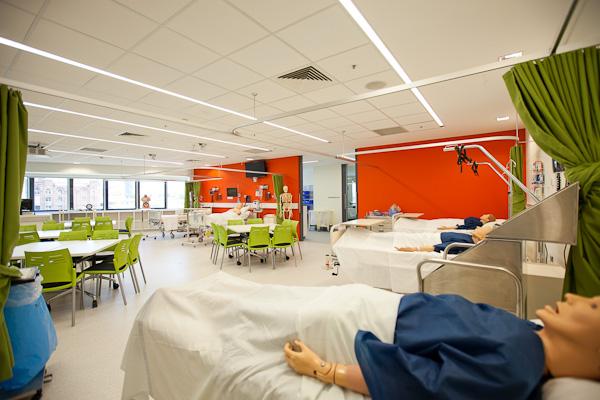
Simulation laboratories at UTS mimic real-world health environments.
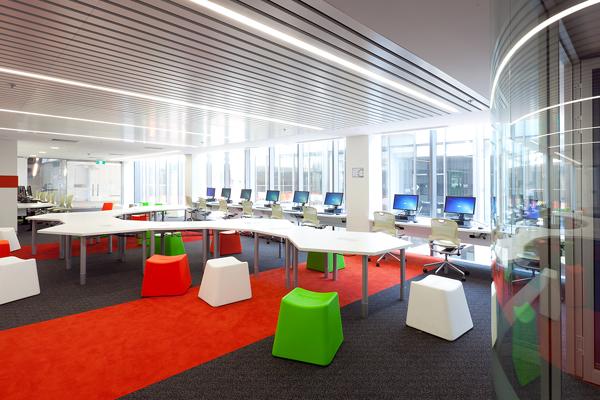
Simulation laboratories at UTS mimic real-world health environments.
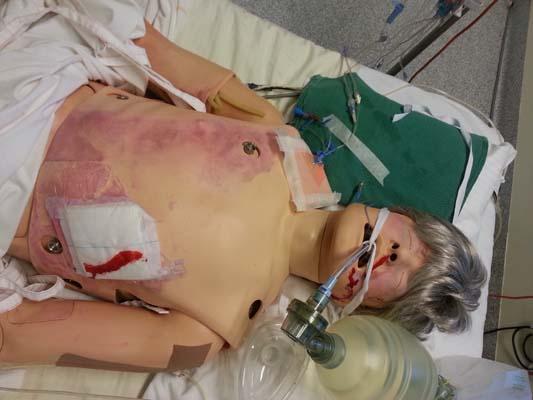
Simulation laboratories at UTS mimic real-world health environments.
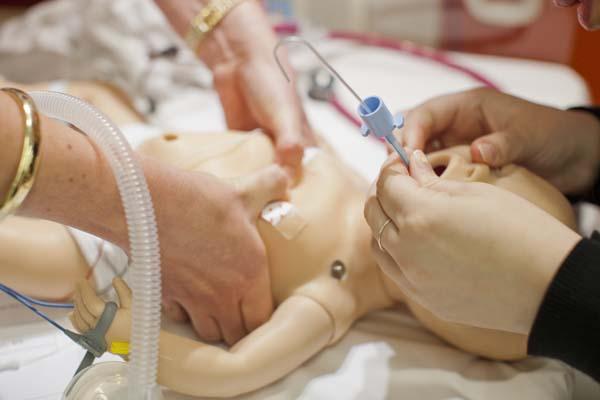
Simulation laboratories at UTS mimic real-world health environments.
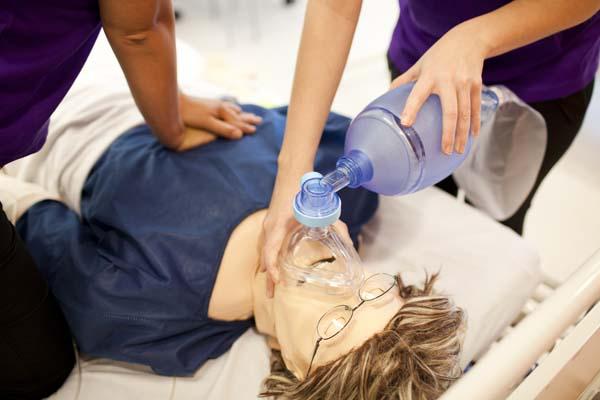
Simulation laboratories at UTS mimic real-world health environments.
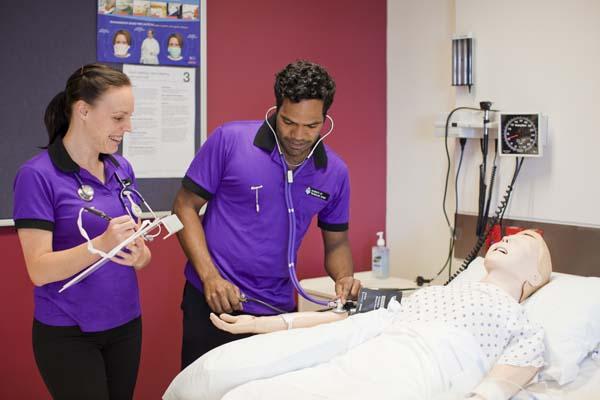
Simulation laboratories at UTS mimic real-world health environments.
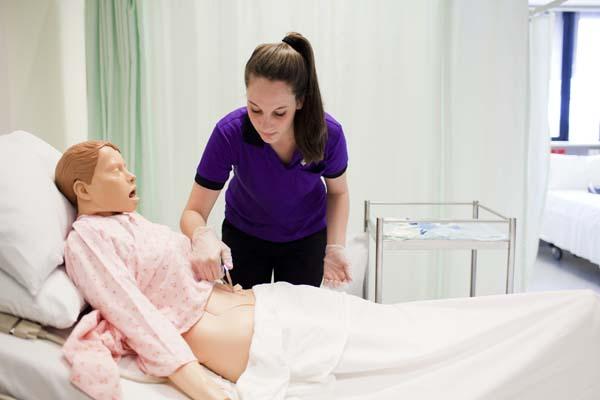
Simulation laboratories at UTS mimic real-world health environments.
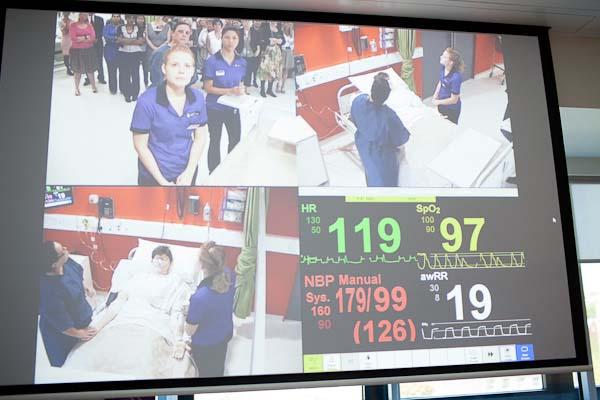
Simulation laboratories at UTS mimic real-world health environments.
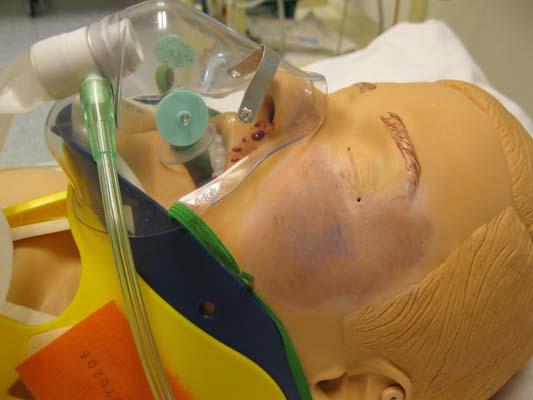
Simulation laboratories at UTS mimic real-world health environments.
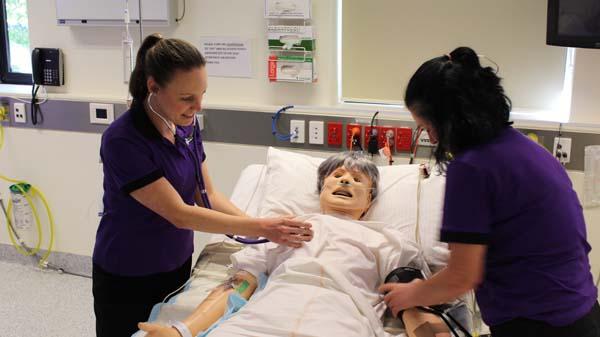
Simulation laboratories at UTS mimic real-world health environments.
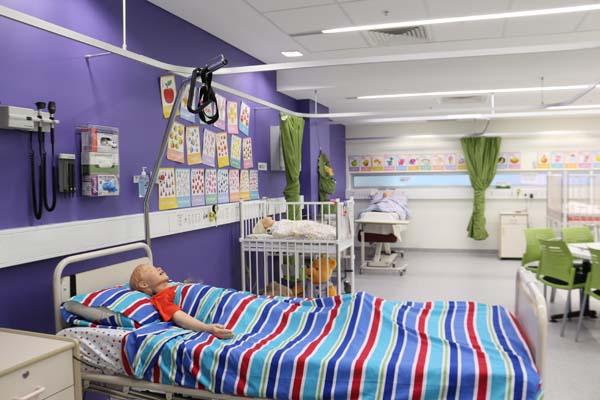
Simulation laboratories at UTS mimic real-world health environments.
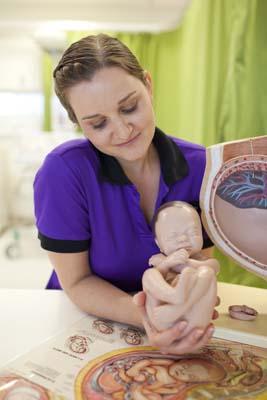
Simulation laboratories at UTS mimic real-world health environments.
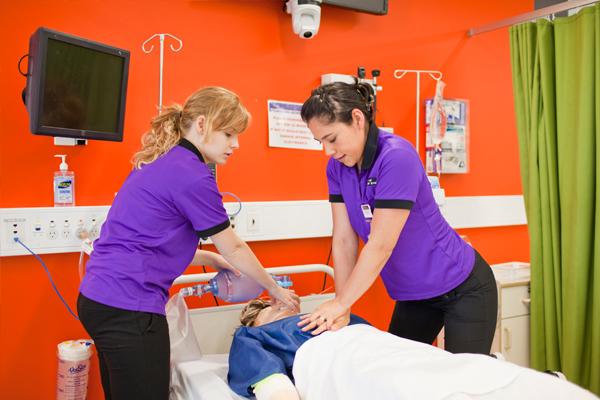
Simulation laboratories at UTS mimic real-world health environments.
Fullscreen
Clinical scenarios
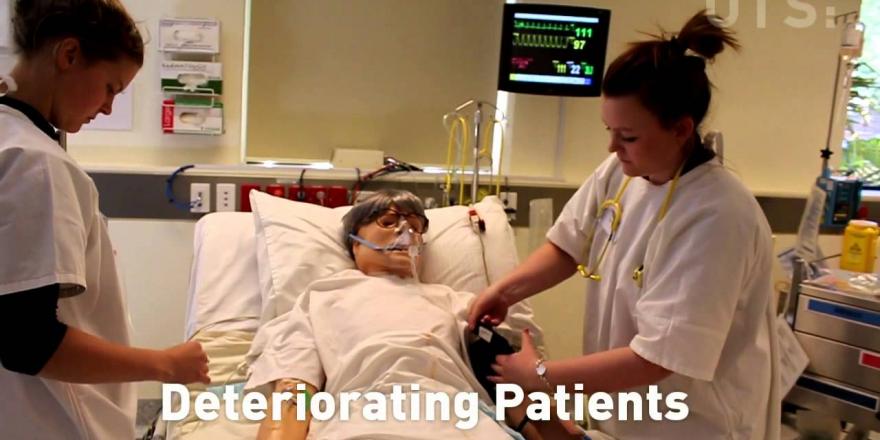
Clinical simulations cover a range of scenarios informed by authentic contemporary practice. These include: aged care, antenatal care, asthma, birthing – normal and complex, chest pain, child and newborn care, deteriorating patients, emergency events, medical-surgical, mental health, perioperative and recovery room, palliative care / end of life, trauma and critical care.
Working with students in Science
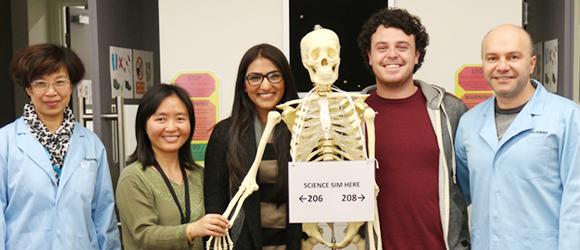
Paper patient cases come to life for Science students in the Health clinical labs. First year students gain insight into the hospital and patient context for their human physiology subject which includes engaging with and understanding the ‘patient’ perspective. Second year students extend their appreciation of clinical settings within two cases and get some insight into hospital spaces, sounds and smells.

Postgraduate study
Join us in 2025
Applications to study postgraduate health at UTS are now open.
health course Info
Course guides
Download a course guide
Events
Contact us
or phone 1300 ASK UTS (1300 275 887)