

A Diploma in Industry Practice bridged Amelia’s theory and practical learning at UTS.
Amelia Welsh didn’t always know she wanted to be an engineer. It was a passing comment during a Defence Force school talk that first introduced her to the idea. For someone who loved maths, physics, and building things people use every day, engineering felt like the right fit.
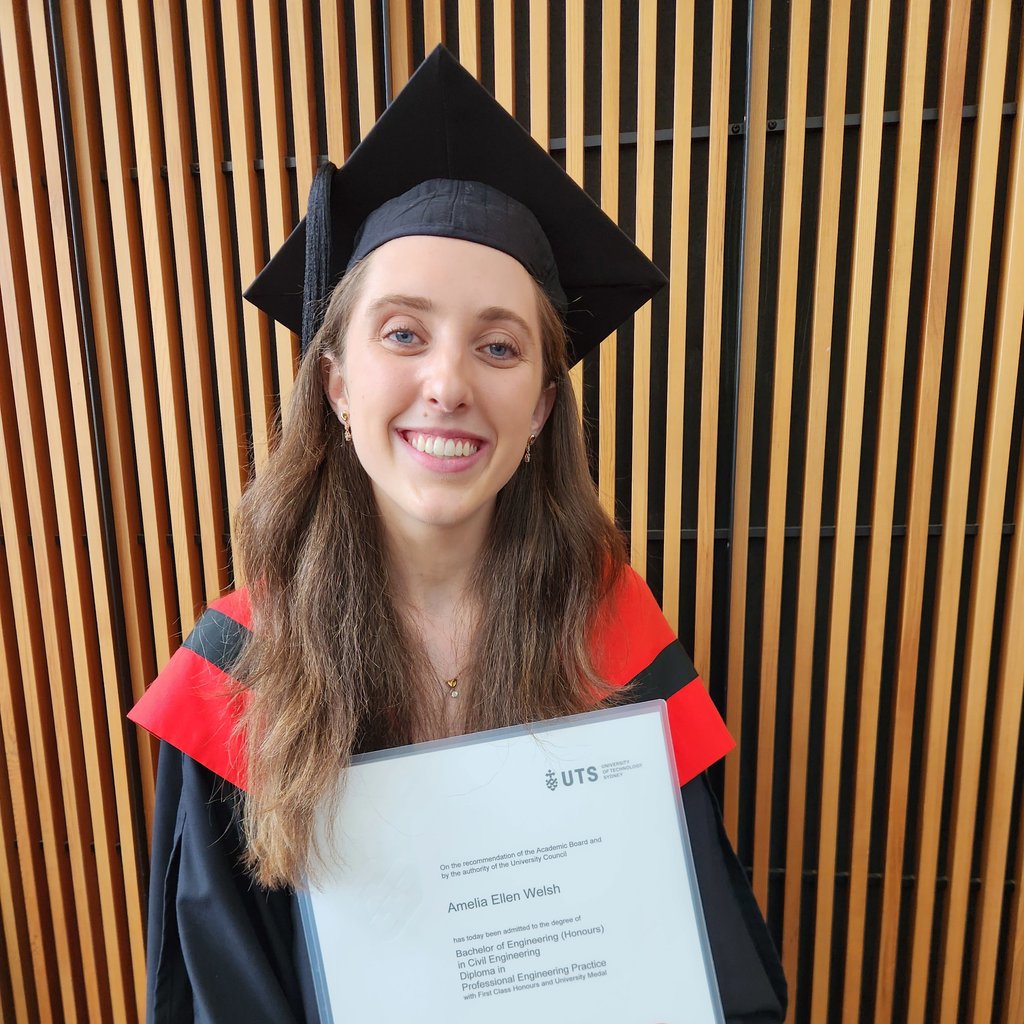
When deciding her pick for top engineering universities, UTS stood out to Amelia because the learning appeared to offer more than just a degree, she was drawn to the community-like feeling.
“I received the Women in Engineering & IT Scholarship,” she says. “It was more than just financial support. I saw how UTS is serious about supporting women in STEM. That gave me the confidence to say yes.”
And with a vibrant, centrally located campus in Sydney’s tech precinct, UTS offered an energising environment with a short commute from the North Shore – a practical bonus that helped her focus on her studies.
Learning that connects to industry
One of the most formative parts of Amelia’s time at UTS was completing the Diploma in Industry Practice alongside her Civil Engineering degree. This combination gave her more than just technical skills; it offered real industry experience and the confidence to step into the workforce ready to make an impact.
“After my first year, I started working on-site at Downer in project management. Then I moved to Arup for a summer internship, stayed on part-time, and eventually joined as a graduate,” she says.
Skills for life
- check_circle
- check_circle
- check_circle
- check_circle
- check_circle
- check_circle
That real-world experience changed everything. When we studied steel and timber design at uni, I was already doing that at work. It made my studies more relevant, and gave me the confidence to know I was on the right path.
Global opportunities, human impact
When Amelia got the chance to apply her engineering skills beyond Australia, she was excited to go for it. Through the UTS Global Short Programs, she attended an Engineers Without Borders summit in Cambodia. There, she gained hands-on experience in humanitarian engineering, learning how to design with communities, not just for them.
Inspired by the global experience, Amelia and her peers fundraised and returned the following year to help build essential sanitation infrastructure for a remote island village.
“It taught me how engineering can be a tool for community resilience and global change,” she reflects.
Peer learning and practical skills
By their second or third year, most of Amelia’s peers were already working in industry, something she found incredibly valuable.
We weren’t just learning from lecturers. We were learning from each other’s real-world experiences, and that made a huge difference.
She also found the specialised subjects in her later years like geotechnical, transport, and structural design, to be the most exciting.
“That’s when it really clicks. You start to see the kind of engineer you want to become and you envision the types of engineering jobs - even top paying engineering jobs - you can go for. In the end, you appreciate exactly why you chose this path.”
Advice for future engineers
“Have faith in yourself. You don’t need to know everything on day one. If you’re curious and ready to learn, UTS gives you the tools, the support, and the industry links to figure it out as you go.”
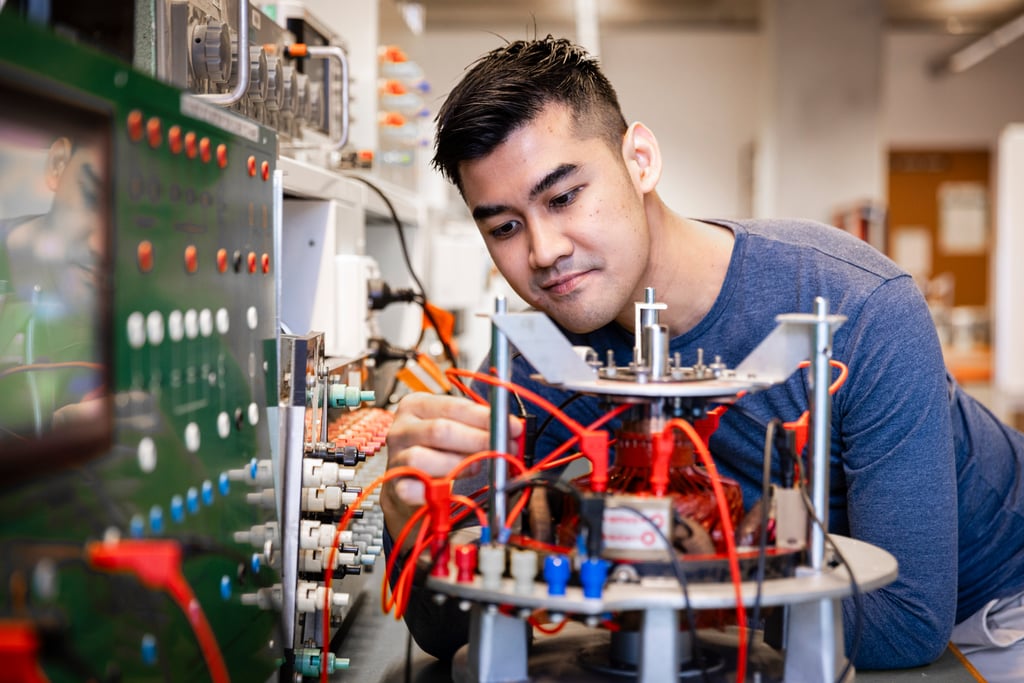
Your future in engineering: Career guide
Explore career pathways in biomedical, civil and environmental, electrical and electronic and mechanical and mechatronic engineering, and graduate with technical expertise, leadership skills and problem-solving capabilities.
Webpage
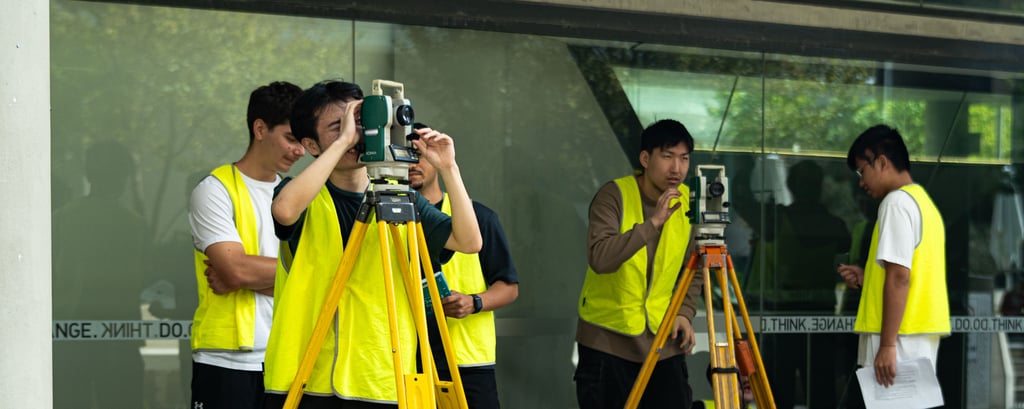
Thinking about Civil Engineering?
Thinking about studying Civil Engineering in Australia? Discover what Civil Engineers do, the career opportunities available and how studying Civil Engineering...
Webpage
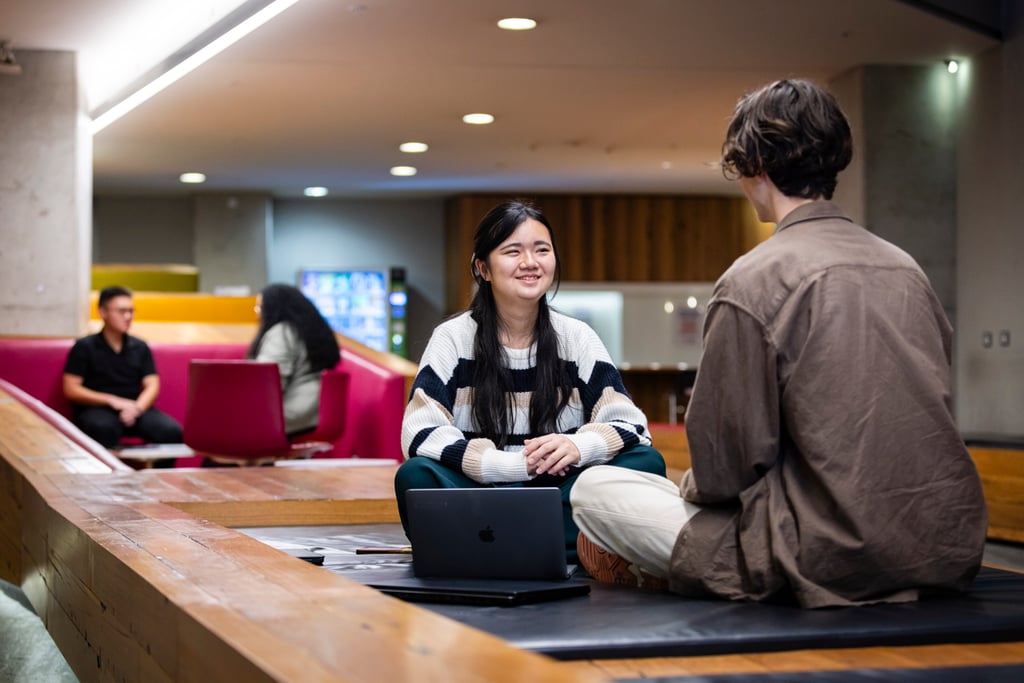
How rankings matter (and don’t) when choosing Engineering and IT
How important are university rankings when choosing where to study Engineering or IT? Explore what rankings can tell you, what they leave out and what to look...
Webpage
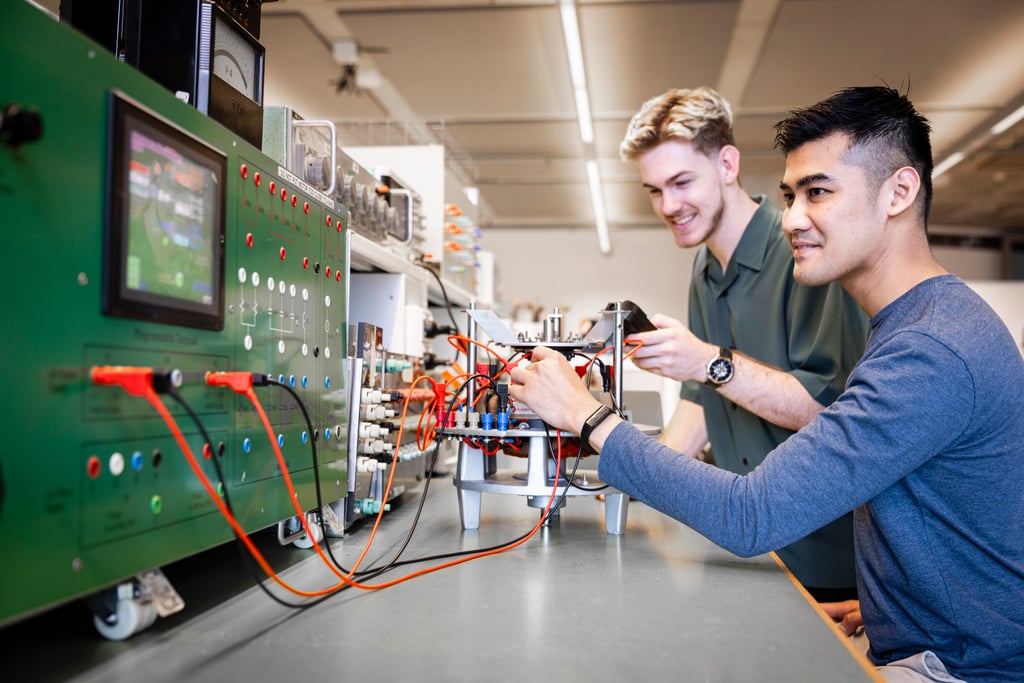
Day in the life of an Electrical Engineering student at UTS
Considering studying Electrical Engineering at UTS? Get a glimpse into a typical day, from hands-on laboratory classes and engineering projects to study...
Webpage
From Country to Cosmos
Where a passion for engineering began long before starting university.
Webpage
Thinking about Civil Engineering?
Thinking about studying Civil Engineering in Australia? Discover what Civil Engineers do, the career opportunities available and how studying Civil Engineering...
Webpage
How rankings matter (and don’t) when choosing Engineering and IT
How important are university rankings when choosing where to study Engineering or IT? Explore what rankings can tell you, what they leave out and what to look...
Webpage
Day in the life of an Electrical Engineering student at UTS
Considering studying Electrical Engineering at UTS? Get a glimpse into a typical day, from hands-on laboratory classes and engineering projects to study...
Webpage
From Country to Cosmos
Where a passion for engineering began long before starting university.