










- 14 March 2025
- 12 March 2025
- 5 March 2025
- 13 February 2025
- 14 January 2025
- 12 December 2024
- 9 December 2024
- 26 November 2024
- 7 November 2024
- 4 November 2024
- 25 October 2024
- 24 October 2024
- 27 September 2024
- 23 September 2024
- 18 September 2024
- 16 September 2024
- 12 September 2024
- 29 August 2024
- 29 August 2024
- 23 August 2024
- 20 August 2024
- 9 August 2024
- 30 July 2024
- 25 July 2024
- 22 July 2024
- 11 July 2024
- 10 July 2024
- 10 July 2024
- 8 July 2024
- 8 July 2024
Distinguished Professor Jie Lu contributes to the new report, Artificial Intelligence in Higher Education, by sharing insights on how AI creates real-world impact and outlining her vision for the future.
UTS has secured a major contract as part of a Defence investment program to strengthen the Australian Defence Force’s decision-making capabilities through advanced digital technologies.
Artificial intelligence luminary, Distinguished Professor Fang Chen, is the winner of a major national award championing women in engineering.
We invite paper submissions by the deadline of 31 January 2026.
A new open-source dataset pinpoints exactly when innovations transition from the lab to the real world.
Congratulations to AAII’s Professor Xiaojun Chang on his 2025 Highly Cited Researcher recognition by Clarivate.
A virtual assistant that applies artificial intelligence to detect, interpret and respond to cybersecurity threats has been publicly unveiled at UTS.
The UTS Graduation Ceremony this month marked a proud milestone for the UTS Transport Research Centre and its academic team.
At Global Game Changers: Exporting Intelligence, our panel explored where global demand is heading, how AI is reshaping productivity, and what it will take to scale Australian software.
UTS teams up with Virtual Place to launch an AI-powered platform that helps homeowners find reliable services while supporting tradespeople in growing their businesses through a trusted marketplace.
UTS and Space Optimiser are developing an AI platform that transforms home design ideas into ready-to-go floor plans, making renovations easier and more affordable for Australian homeowners.
A new research-backed tool aims to revolutionise how playgrounds and outdoor learning environments are assessed.
Dr Rhett Loban has won a 2025 Young Tall Poppy Science Award for designing Indigenous culture into digital games and immersive experiences.
A new $11.7 million research hub will explore how Australian grain industry can better use responsible artificial intelligence to be more productive and sustainable.
Three UTS researchers have been named as finalists in the 2025 Australian Museum Eureka Prizes, the nation’s highest profile science awards.
A project to build new maritime technology using artificial intelligence to coordinate teams of robots has garnered more than $2 million in Australian Government funding.
New research has shown that a world-first system of rubber shock absorbers made from recycled tyres can significantly protect railway tracks from damage, addressing the dual challenges of high maintenance costs and national tyre waste.
Distinguished Professor Jie Lu AO is pioneering artificial intelligence that unlocks the power of the genome to target improved women’s health.
UTS Distinguished Professor Daichao Sheng will use a prestigious national fellowship to build more accurate modelling for high-speed rail in Australia.
Launched in Hanoi, the centre aims to strengthen collaboration between Australia and Vietnam in strategic technologies, drive digital transformation, foster technological and industry innovation, and enhance international cyber stability.
UTS researchers have demonstrated the effectiveness of world-first real-time water level and rainfall sensing technology using existing mobile phone networks.
Innovative machine learning tools that predict water quality in advance has taken out an Australian Financial Review Artificial Intelligence Award.
Household mould is an often hidden but serious health risk. Now UTS researchers are leading a project to provide real-time detection of harmful mould spores indoors.
A machine learning study of millions of online posts found five basic kinds of users – including ‘disagreers’ who mainly like to contradict others.
Revolutionary new water purifying technology promises to help the microchip manufacturing industry recycle up to 90 per cent of the water it consumes.
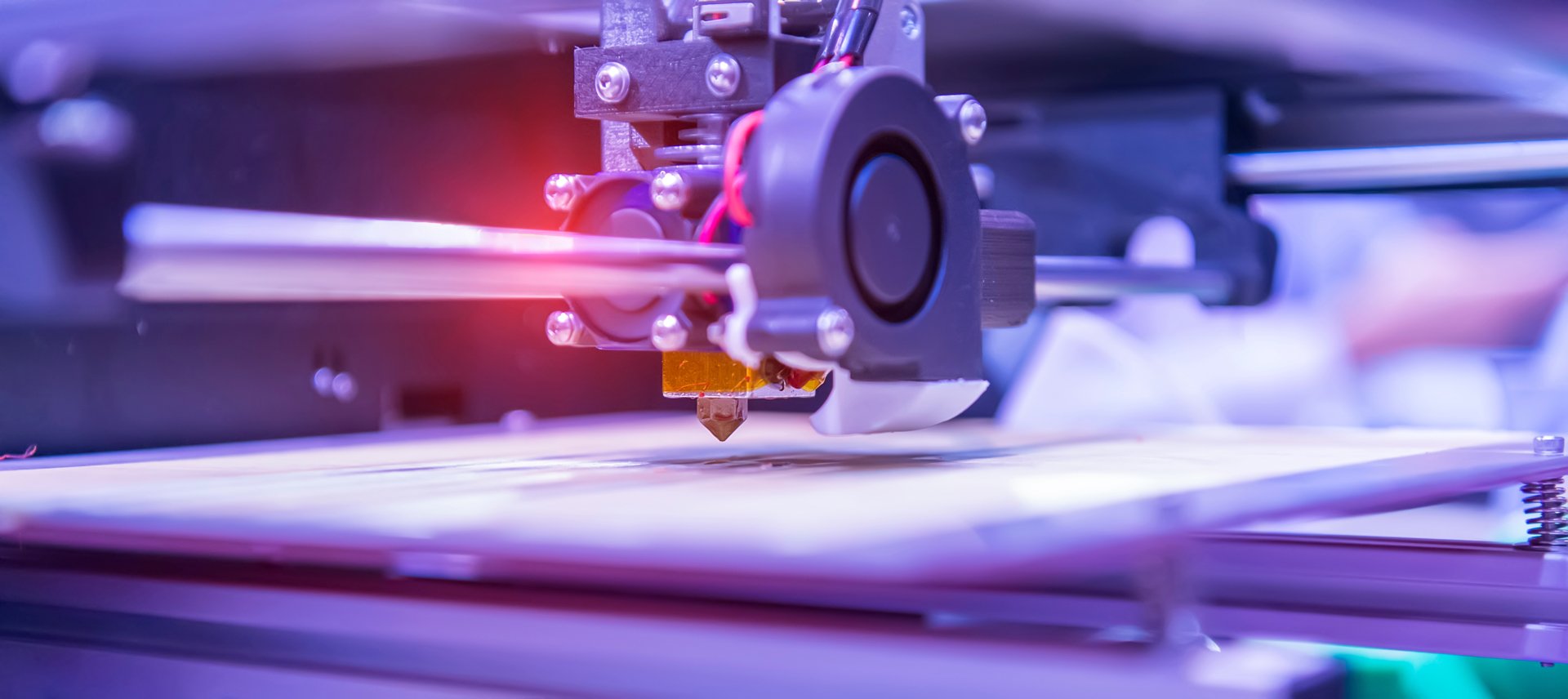
UTS experts are making digital blueprints for the future of a manufacturing industry that is being revolutionised by 3D printing.
The consequences of wildfires in or near urban areas go beyond the damage to buildings and ecosystems, to the threat of contamination of drinking water according to water quality and treatment experts.
Researchers from the UTS Centre for Quantum Software and Information have authored a new report on the quantum industry.
The problem of valuable nutrients being flushed away in sewage has long been recognised and now an Australian-developed solution has been unveiled.
In 2023, more than 10,000 research papers were retracted because of scientific misconduct. But it’s not always deliberate.