


- Posted on 10 Mar 2026
- 2 minute read
Distinguished Professor Jie Lu contributes to the new report, Artificial Intelligence in Higher Education, by sharing insights on how AI creates real-world impact and outlining her vision for the future.
A snapshot of AI in Australian higher education
The Artificial Intelligence Institute in Australia (AAII) welcomes the release of a new independent report, Artificial Intelligence in Higher Education, by Patricia Haueiss. The report provides a snapshot of AI in Australian higher education, shaped by conversations with six experts working inside universities across the sectors of research, operations, and applied deployment. It captures the sector's diverse realities, tangible progress, and strategic visions for the forthcoming 18-month horizon.
AAII Director Distinguished Professor Jie Lu was one of the six experts featured. She shared how AAII successfully bridges academic research with real-world impact, highlighting a standout example: the partnership with Sydney Trains to predict real-time carriage loads. Furthermore, Professor Lu offered a surprising insight: small beginnings can lead to major, long-term collaborations. For instance, her partnership with 23Strands started as a brief chat at an industry event years ago and has since grown into a multi-million-dollar ARC Industry Laureate Project. This journey proves that deep trust is built through meaningful research, long-term collaboration, and shared goals.
Looking ahead to the 2026–27 horizon, Professor Lu expects adaptive, human-centred AI to continue transforming how researchers and students work. The overall goal is to use AI to enhance both the educational experience and the university's broader impact on society.
Read the full report
Learn more



News
UTS and 2SER tune into the future
Sydney community radio station 2SER marks 47 years on air and launches annual radiothon.
News
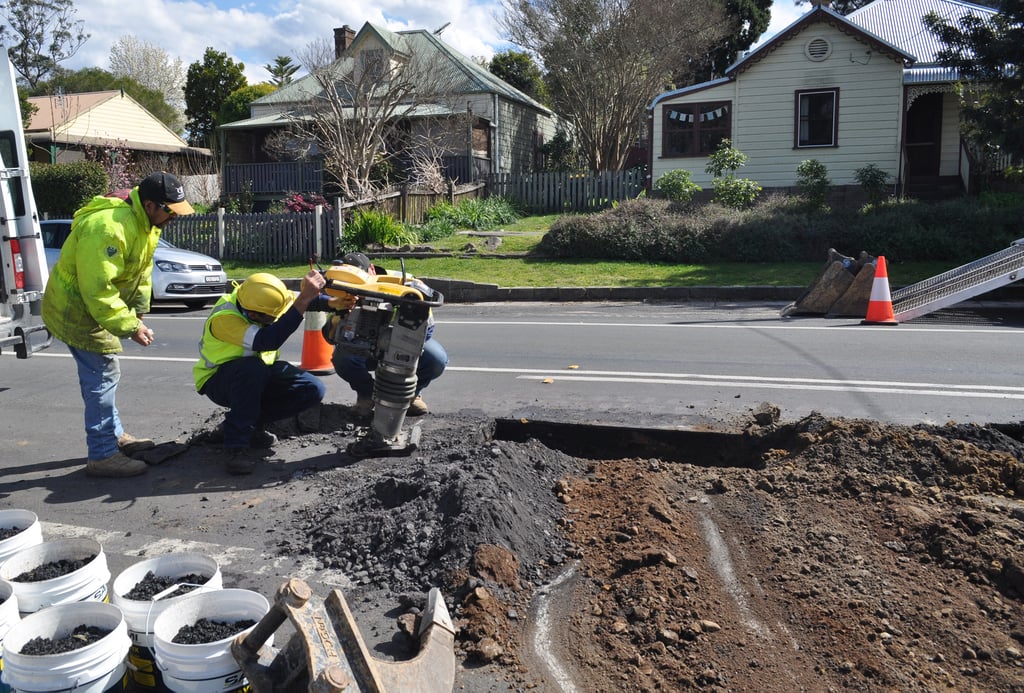
Research puts resilient infrastructure on solid ground
Groundbreaking $24 million research centre will develop sustainable technologies that stabilise the foundations underpinning major infrastructure.
News
UTS and 2SER tune into the future
Sydney community radio station 2SER marks 47 years on air and launches annual radiothon.
News
Research puts resilient infrastructure on solid ground
Groundbreaking $24 million research centre will develop sustainable technologies that stabilise the foundations underpinning major infrastructure.