

Research is the basis on which UTS:ACRI seeks to inform Australia’s engagement with the PRC. By uncovering facts and deepening understanding though undertaking and supporting evidence-based analysis, UTS:ACRI research serves to promote sound public and private sector decision-making, as well as raising the level of Australia-China relations literacy amongst the general public.
Traditional academic output such as scholarly journal articles and conference papers are complemented by a flow of research reports, polls, fact sheets, briefs and commentary pieces that explore contemporary developments.
Reports



Closing the door: Why Chinese investment is collapsing in Australia even as investors go global
The value of new investment from the People’s Republic of China (PRC) being approved by the Australian government is now so low that the quarterly reports of...
Polling

Public reasoning on Australia-China relations: Insights from open-ended responses to the UTS:ACRI/BIDA Poll 2025
This UTS:ACRI Analysis draws on 403 open-ended responses from the UTS:ACRI/BIDA Poll 2025 to examine how Australians articulate views on Australia’s...

UTS:ACRI/BIDA Poll 2025
Download report (PDF, 8MB)

UTS:ACRI/BIDA Poll 2024
Introduction and executive summary (711KB)
Commentary

The struggle over what China wants
China expertise is itself a field of epistemic struggle, shaped by competing convictions, dispositions and geopolitical perspectives. Doshi’s critique of Kang,...

PERSPECTIVES | Can Australia and China talk sensibly about AI Safety?
Australia will attend the APEC Economic Leaders’ Meeting in Shenzhen on November 18-19 2026 amid questions about the extent to which the two countries can, or...
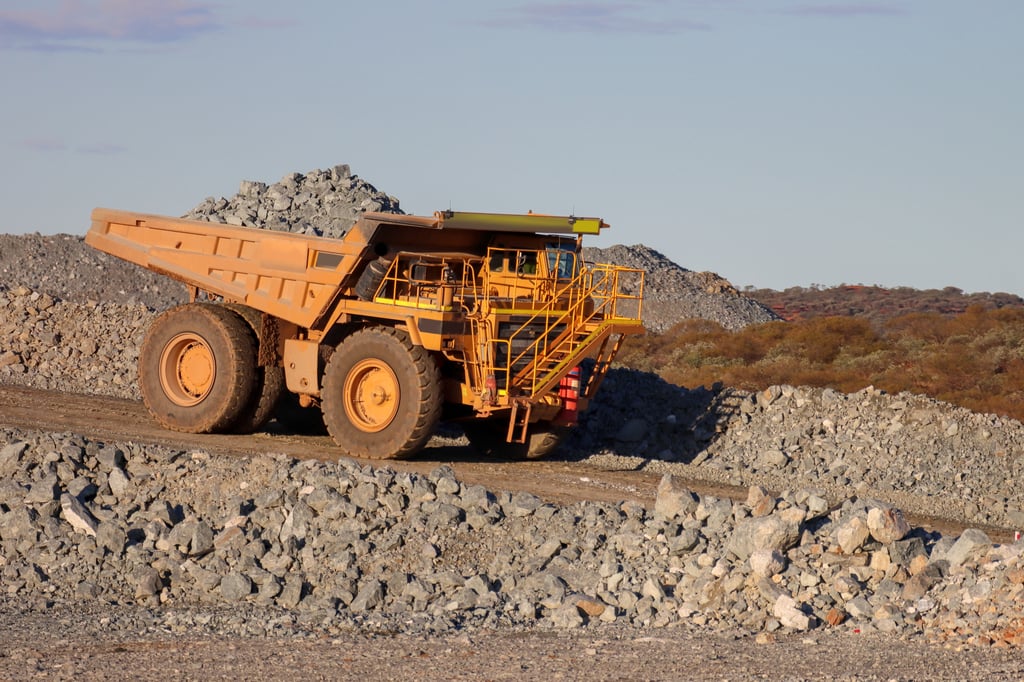
Australia should turn critical minerals leverage into industrial capability
Australia’s Syerston Scandium Project is a test of whether critical minerals cooperation can make Australia not merely a supplier, but a critical capability...
Analyses

Beyond Hormuz: US-China energy competition and what it means for Australia
The disruption to global energy markets caused by the conflict around the Strait of Hormuz has highlighted vulnerabilities that extend well beyond the...
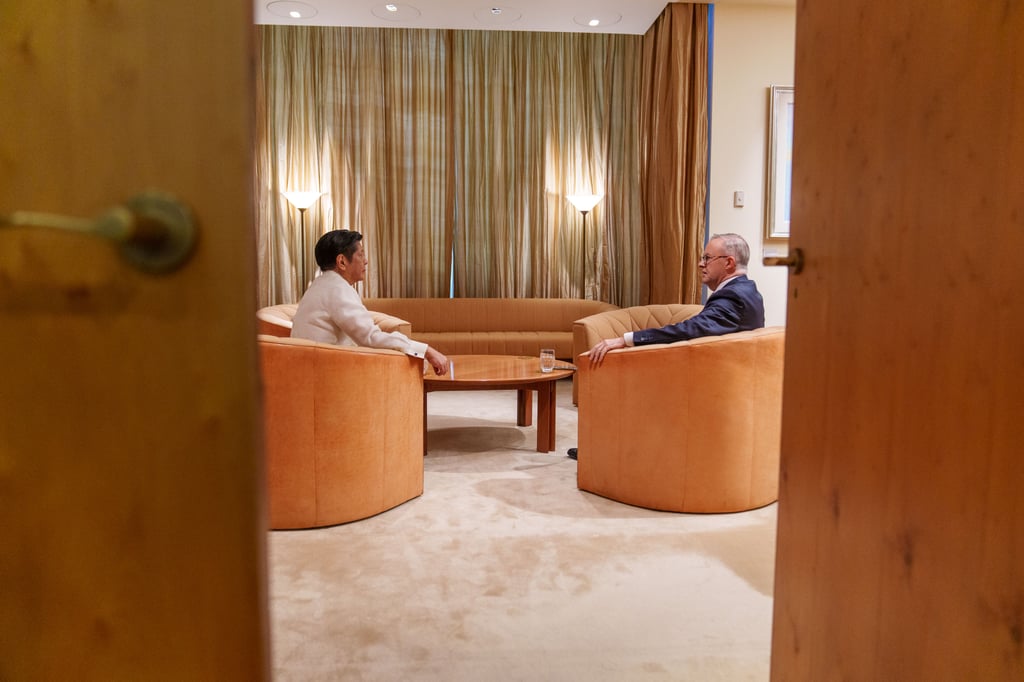
The Philippines, Australia and the South China Sea contest
This UTS:ACRI Analysis examines the Philippines as a central test case in the South China Sea contest, where the People’s Republic of China’s (PRC) incremental...

The China-Australia Free Trade Agreement (ChAFTA): An Australian assessment of core outcomes a decade on
After 21 rounds and more than a decade of negotiations, the China-Australia Free Trade Agreement (ChAFTA) was signed in Canberra on June 17 2015 by Australian...
Journal articles and books

BOOK REVIEW | Hard New World: Australia’s Post-American future
This article was published in The Round Table, https://doi.org/10.1080/00358533.2026.2739547

Australia-China research collaboration: a critical evaluation of security risks and responses
This book chapter, 'Australia-China research collaboration: a critical evaluation of security risks and responses', appeared in Brendan Walker-Munro and Tommy...
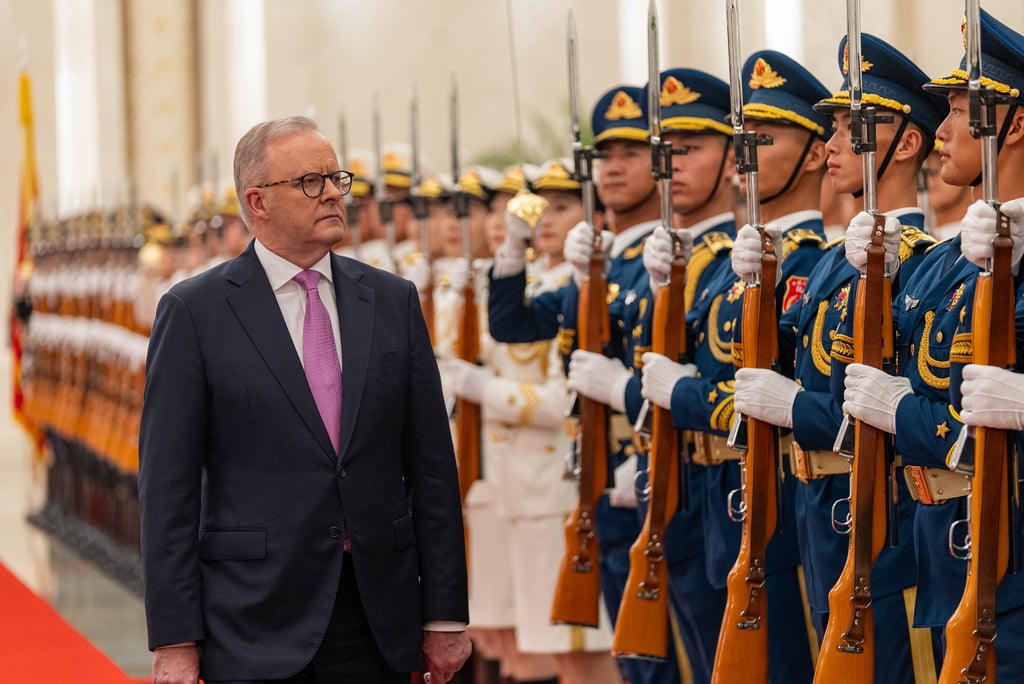
Australia and its China agenda: balancing contestation and engagement
This article appeared in The Pacific Review, published online May 26 2026 https://doi.org/10.1080/09512748.2026.2672990
Briefs and working papers
Australia-China Weekly Brief: October 2026 issues
The Australia-China Weekly Brief by the Australia-China Relations Institute at the University of Technology Sydney (UTS:ACRI) tracks key developments in...
Australia-China Weekly Brief: September 2026 issues
The Australia-China Weekly Brief by the Australia-China Relations Institute at the University of Technology Sydney (UTS:ACRI) tracks key developments in...
Australia-China Weekly Brief: August 2026 issues
The Australia-China Weekly Brief by the Australia-China Relations Institute at the University of Technology Sydney (UTS:ACRI) tracks key developments in...
Factsheets

Australia’s cost of living crisis and the PRC
Cost-of-living pressures have intensified debate in Australia about housing affordability and the role of foreign investment in residential real estate,...

Australian housing availability and affordability: The impact of Chinese investment and migration
According to the UTS:ACRI/BIDA Poll 2023, 73 percent of Australians take the view that ‘Foreign buyers from China drive up Australian housing prices’, while 68...

The Australia-PRC trade and investment relationship: 2022 timeline
While a change of government in Australia marked the beginning of a political thaw between Canberra and Beijing, the series of formal and informal trade bans...
Government submissions
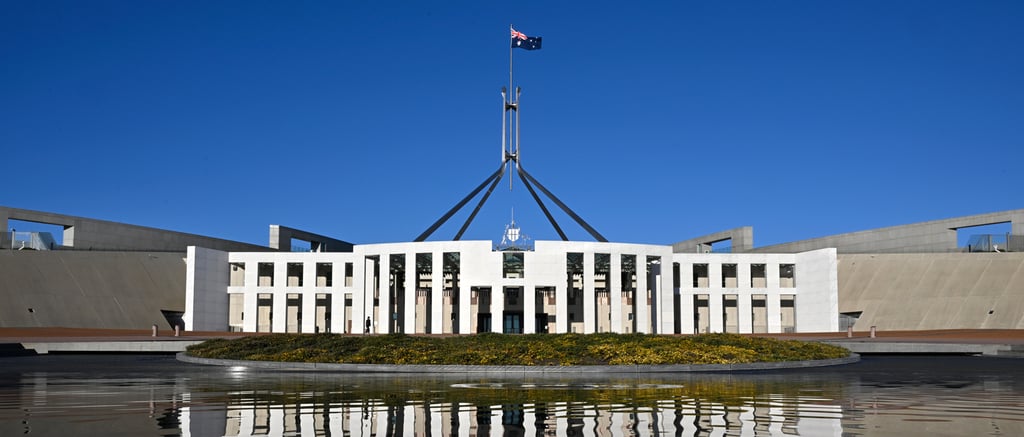
Government submissions
As part of its research and public engagement activities, the Australia-China Relations Institute at the University of Technology Sydney (UTS:ACRI) supports...