


- Posted on 2 Jan 2026
By Elena Collinson
This book chapter, 'Australia', appeared in Fong, B.C.H. (ed.) The Palgrave Geopolitical Atlas. Handbooks in Politics and International Relations. Palgrave Macmillan, Singapore. https://doi.org/10.1007/978-981-95-1507-3_10
ABSTRACT
Australia is a resource-rich but demographically small state whose influence rests on alliances, institutions and regional partnerships. Three enduring tensions—continental scale with limited population, resource wealth tied to external markets and a Western heritage in an Asian geography—shape strategy. Since 1945, Canberra has moved from imperial dependence to US alliance integration and denser regional networking. Defense planning centers on deterrence by denial; AUKUS improves access to advanced capability while constraining autonomy in timing and sustainment. Influence is most tangible in the Pacific, where long-term investment embeds Australia in everyday state functions; in Southeast Asia, cooperation has grown but is bounded by local hedging and major-power competition. Globally, Australia contributes selectively through minilateral and multilateral forums. Influence hinges on dependable delivery that creates option-value, though partners sometimes prize clarity over hedging.
share_windowsAccess the book chapter here. (Purchase or subscription required).
AUTHOR

Manager, Research Analysis, Australia-China Relations Institute, University of Technology Sydney
News
Australia-China Weekly Brief: October 2026 issues
The Australia-China Weekly Brief by the Australia-China Relations Institute at the University of Technology Sydney (UTS:ACRI) tracks key developments in...
News
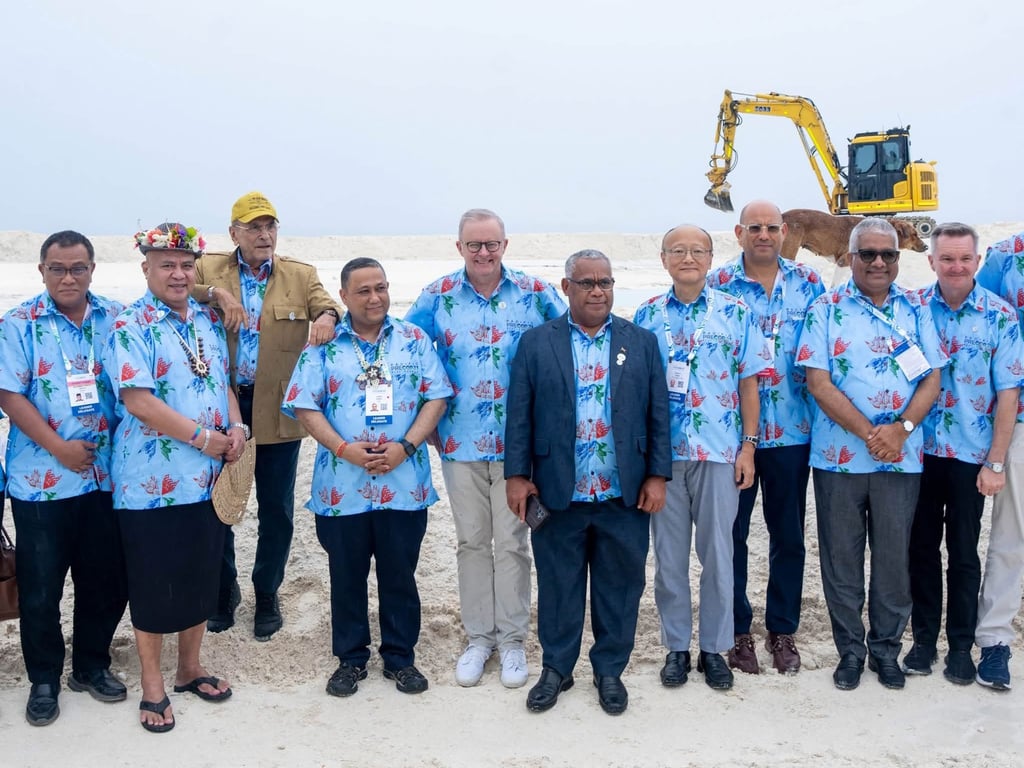
Whose security counts in the Pacific?
While climate-related spending gets criticised, billions forked out for security and strategic engagement gets framed as for the “national interest”.
News
Australia-China Weekly Brief: September 2026 issues
The Australia-China Weekly Brief by the Australia-China Relations Institute at the University of Technology Sydney (UTS:ACRI) tracks key developments in...
News
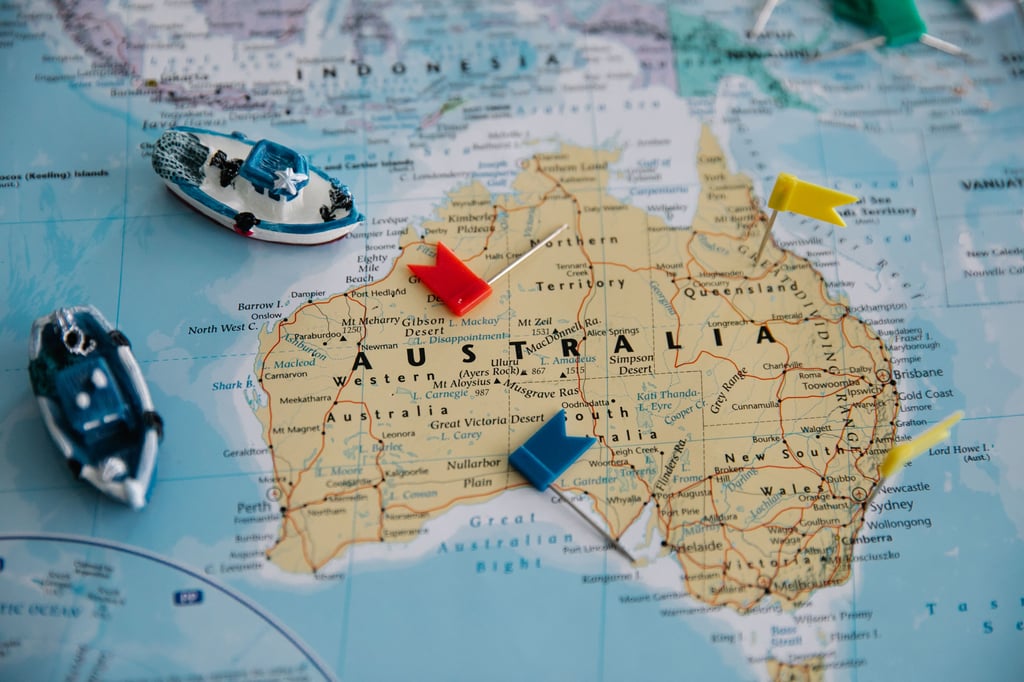
If we asked the Americans to leave, would they?
Canada is looking for ways to protect its independence from Washington. Australia has embedded itself so deeply in the US military system that it risks being...
News
Australia-China Weekly Brief: October 2026 issues
The Australia-China Weekly Brief by the Australia-China Relations Institute at the University of Technology Sydney (UTS:ACRI) tracks key developments in...
News
Whose security counts in the Pacific?
While climate-related spending gets criticised, billions forked out for security and strategic engagement gets framed as for the “national interest”.
News
Australia-China Weekly Brief: September 2026 issues
The Australia-China Weekly Brief by the Australia-China Relations Institute at the University of Technology Sydney (UTS:ACRI) tracks key developments in...
News
If we asked the Americans to leave, would they?
Canada is looking for ways to protect its independence from Washington. Australia has embedded itself so deeply in the US military system that it risks being...