


A different kind of business school
Our vision is to be a socially committed business school, developing and sharing knowledge for an innovative, sustainable and prosperous economy in a fairer world.
Through industry-connected education and impactful research, we bring intellectual rigour, creative problem solving, cultural awareness and social responsibility together to prepare innovative and responsible business leaders.
-
editor_choice Globally accredited
Top 1%
UTS Business School is among 1% of business schools worldwide.
AACSB, EQUIS and PRME signatory
-
editor_choice Business for good
Best Business School
Committed to a responsible ethos, as awarded by The Financial Times.
FT Responsible Business Education Awards 2024
-
trophy Internationally ranked
Top 100
for Accounting & Finance globally.
QS World University Rankings by Subject 2026
-
workspace_premium Internationally ranked
Top 150
for Economics & Econometrics and Management & Business Studies globally.
QS World University Rankings by Subject 2026

AI Venture Hub
The UTS Business School’s AI in Business Research Venture Hub brings together a cross‑disciplinary network of over 60 business school researchers to collaborate with industry on high-impact questions.
Our people and place
The teachers and researchers at UTS Business School are outward looking and actively engaged with business, the professions and community.
Our research
Learn about business, including our research centres, industry partnerships and research tackling business, economic and social challenges.
Partner with us
We invite you to explore all the ways you can benefit from UTS Business School and how you can give back to support our mission.



Our case studies

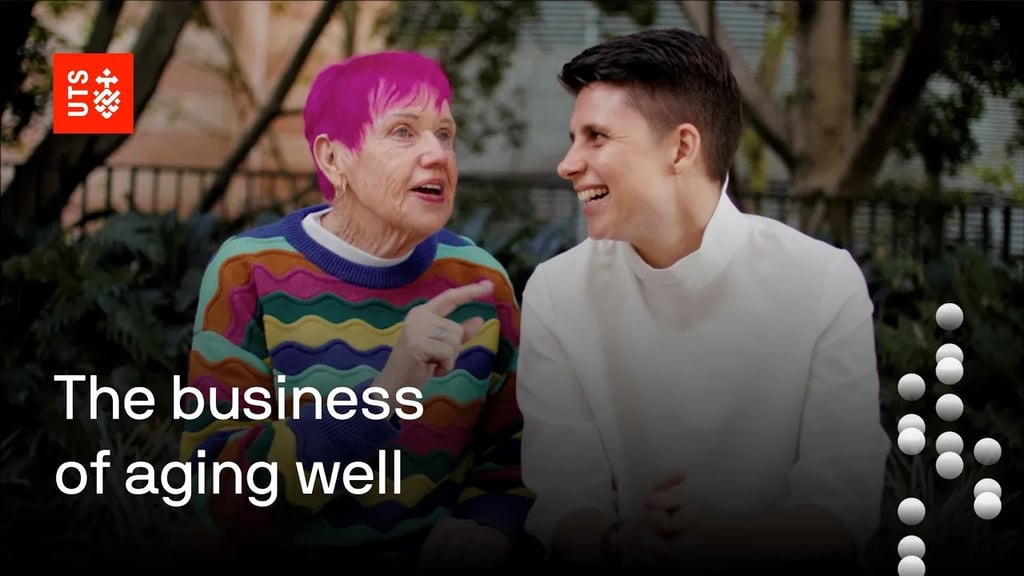
Reframing Ageing in Place: The Elder Persona Research
Through co-design workshops and community engagement, UTS researchers developed practical tools to help organisations better support older Australians to age...

The Hybrid Work Revolution: Balancing Flexibility and Productivity
As hybrid work becomes a permanent feature of modern workplaces, UTS researchers are investigating how organisations can create arrangements that are fair,...
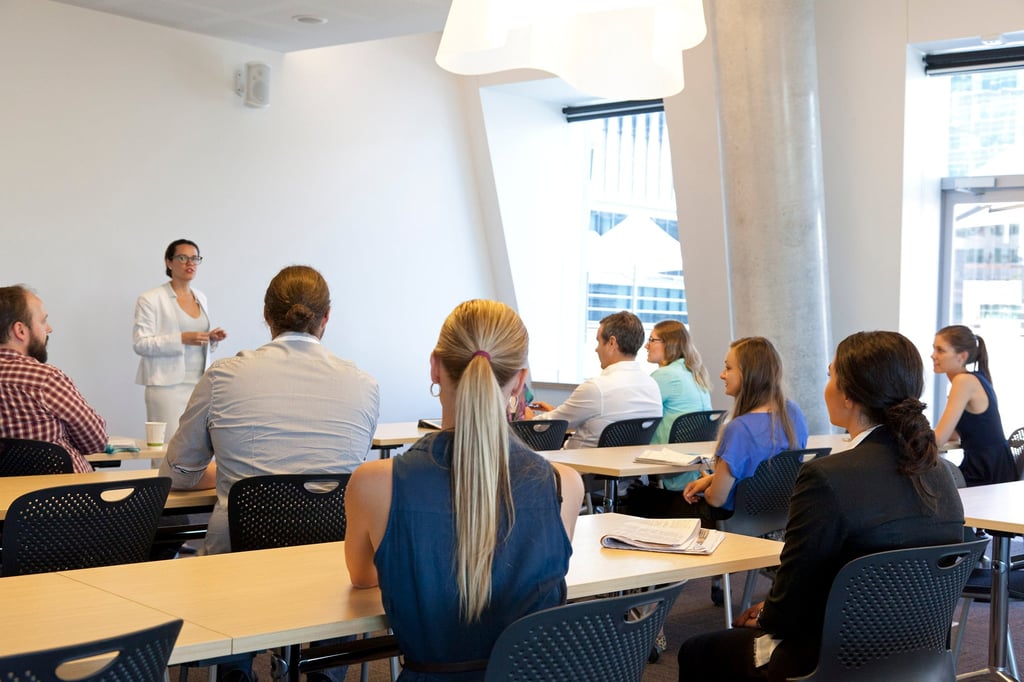
If business schools want socially responsible graduates, they must teach empathy differently
Learn how UTS researchers use lived experience and experiential learning to strengthen empathy, social responsibility and leadership capability.
UTS Business School in action
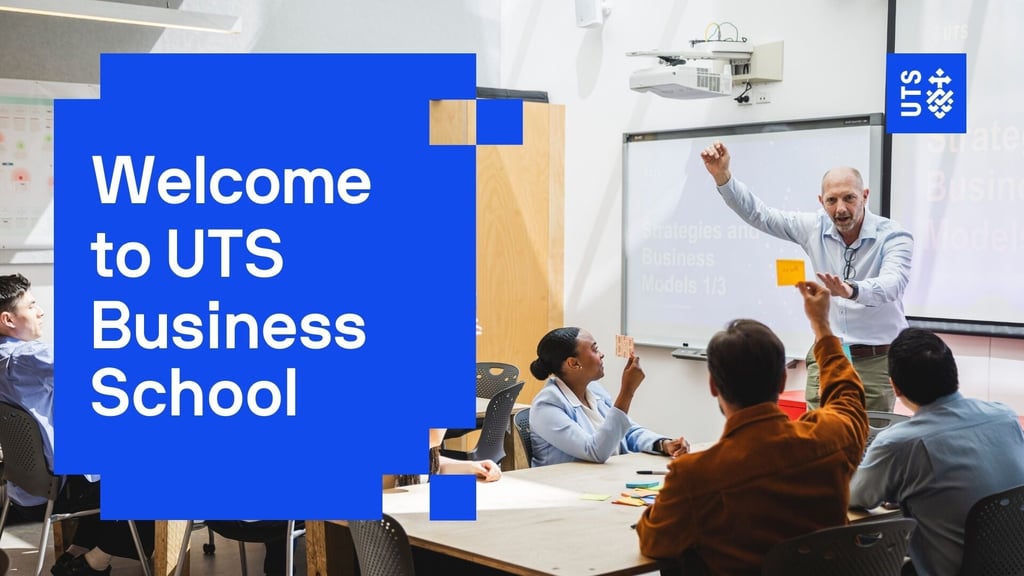
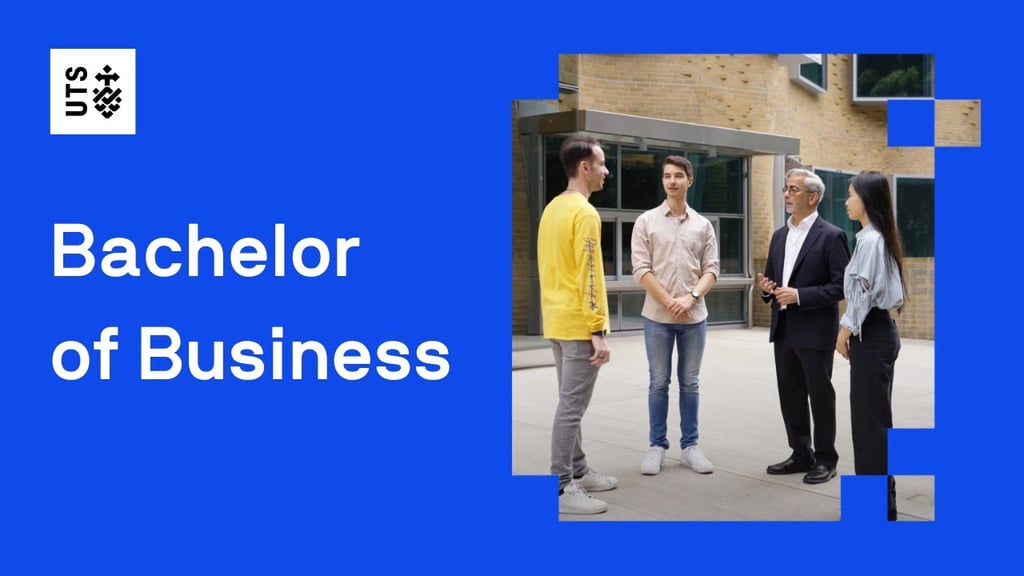

Study Business at UTS
Build practical skills through industry-connected learning designed for the changing world of business.
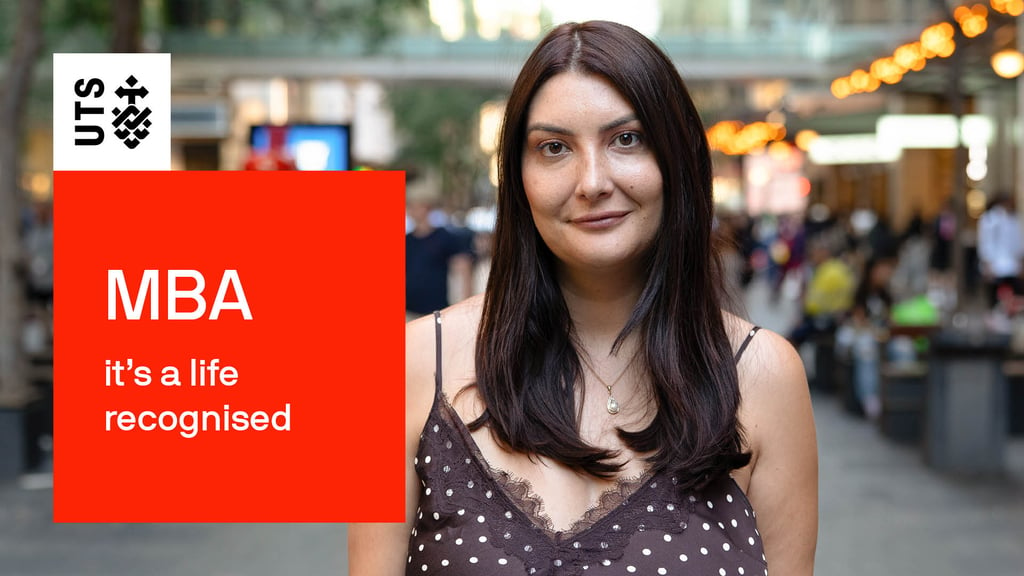
MBA Programs
In today’s competitive business environment, organisations need experienced leaders who blend innovation, insight, experience and entrepreneurial spirit. If...
Finance
Designed for the ever-changing business landscape of today, UTS’s Finance degrees go beyond. You’ll build knowledge of financial processes and markets, learn...
Management
At UTS, our internationally ranked management degrees blend practical skills with to-the-minute theory, giving you the chance to build capabilities, knowledge...

Are We There Yet? Can Universities Rebuild Trust in a Time of Conflict
Global conflict is testing trust, belonging and legitimacy on university campuses. A new study asks what happens when university communities no longer feel...

“Please explain?” Why we blame migrants for problems they didn’t create
Thirty years ago, on 13 October 1996, 60 Minutes reporter Tracey Curro asked Pauline Hanson: “Are you xenophobic?” Hanson replied: “Please explain?” The moment...

Working from home for over-55s
The law provides a right to make a properly grounded request to work from home, a right to genuine consideration and, where necessary, access to an independent...

84 cents for every $1: why Indigenous workers earn less in Australia – and what to do about it
Across all jobs – from managers and professionals to labourers – Indigenous workers earn an average of 15.9% less per hour.
Are We There Yet? Can Universities Rebuild Trust in a Time of Conflict
Global conflict is testing trust, belonging and legitimacy on university campuses. A new study asks what happens when university communities no longer feel...
“Please explain?” Why we blame migrants for problems they didn’t create
Thirty years ago, on 13 October 1996, 60 Minutes reporter Tracey Curro asked Pauline Hanson: “Are you xenophobic?” Hanson replied: “Please explain?” The moment...
Working from home for over-55s
The law provides a right to make a properly grounded request to work from home, a right to genuine consideration and, where necessary, access to an independent...
84 cents for every $1: why Indigenous workers earn less in Australia – and what to do about it
Across all jobs – from managers and professionals to labourers – Indigenous workers earn an average of 15.9% less per hour.