


From business and finance through to technology, sustainability and gender equity, our expertise is at your fingertips. UTS Business School collaborates with 2SER 107.3FM to bring you podcasts packed with the latest business and economic developments, discoveries, expert insights and analysis.
Beyond the headlines
Going beyond the headlines each week, 2SER radio presenters are joined in the studio by a panel of leading UTS Business School academics and expert industry guests to discuss what you need to know about current business, finance and economics topics and what this means for your future.
Tune in to Think: Business Futures live on 2SER on Tuesdays at 7:30 pm or subscribe to the podcast via Apple Podcasts, Spotify or via RSS.
Episodes
Earlier episodes
Use the buttons to expand or collapse the section.
-
What happens when you finish your degree, full of hope and ambition - only to find that the job you trained for doesn’t exist, or isn’t hiring?
In the final episode of this series, Think: Business Futures explores the difficult and often disheartening journey that many young graduates face in low-income contexts, particularly in West Africa.
Host Ali Aitken is joined by three expert guests from UTS in a candid conversation that spans continents, cultures, and career paths. From public sector dreams to entrepreneurial pivots, they look at the optimism gap, mismatched expectations, limited opportunities, and systems that don’t always support the transition from education to employment - and how these challenges compare to the Australian landscape.
Listen:
-
What if the way we invest money could either destroy ecosystems or help regenerate them?
In this episode of Think Business Futures, we’re taking a look at the urgent and complex challenge of the biodiversity crisis. But this isn’t just a story about endangered species or vanishing rainforests. It’s about the invisible threads that connect nature to our economy, our wellbeing, and our future.
We are joined by Madeline Combe, a PhD researcher at UTS whose work explores how systems change happens and how we can transition to a biodiversity-positive funds management system; and Mayleah House, Business Development Manager at Fremantle Seaweed and former Head of Stewardship at Ethical Partners Fund Management, who brings deep insight into the barriers and breakthroughs happening in the industry today.
Find out how our financial systems - shaped by Western capitalist paradigms - have contributed to biodiversity loss, and what it will take to reverse the damage.
From the concept of “super wicked problems” to the role of retail investors and the need for paradigm shifts in governance and fiduciary duties, this important conversation challenges conventional thinking and offers a hopeful, action-oriented vision for change.
Whether you're in finance, policy, or simply care about the planet, this episode will leave you thinking differently about the power of money, and the stories we tell about value.
Listen:
-
Gambling is no longer just a weekend activity, it’s embedded in our daily lives.
In this episode, Think: Business Futures talks to Professor Ross Gordon, Director of the Change for Good Research Centre and professor of Behaviour and Social Change At UTS Business School, about the growing normalisation of gambling and the strategic marketing tactics driving it.
From sports betting apps to ‘bet with mates’ features, Ross explains how gambling is being embedded into Australian culture, especially among young men. He shares insights from his research on the cumulative harm caused by low and moderate risk gamblers, the lobbying power of the gambling industry, and the urgent need for policy reform.
We also explore the role of banks, the parallels with tobacco and alcohol marketing, and what it will take to shift the narrative from public health campaigns to behaviour change programs.
Listen:
-
As businesses race to meet net zero targets, many are turning to digital technologies to reduce emissions. But are innovations like AI, sensors, and blockchain truly delivering on their promise?
In this episode of Think: Business Futures, we explore digital carbonisation and how Industry 4.0 technologies are reshaping climate strategy with Dr Yun Shen from the UTS Centre for Climate Risk and Resilience, and Dr Matthew Grosse, Senior Lecturer in Accounting and Program Director of the Master of Business Analytics at UTS Business School.
In a practical, forward-looking conversation, we discuss whether digital innovation can meaningfully accelerate emissions reduction, what businesses often misunderstand about tech-driven decarbonisation, and the real-world barriers to adoption.
Discover how AI and automation are transforming emissions tracking, and the critical mindset shift leaders must make to harness their full potential.
Listen:
-
If you had $100,000 to grow your startup, how much would you spend on marketing?
Chances are - not enough. And you wouldn’t be alone.
In this episode of Think: Business Futures, Ali Aitken is joined by Dr Ofer Mintz, Associate Professor and Associate Head of Marketing at UTS Business School, whose research uncovers a surprising truth: more than half of startups don’t invest in marketing at all.
Listen:
-
Retirement isn’t what it used to be. More Australians are entering retirement with debt, navigating complex pension rules, and feeling financial pressure from family.
To unpack how the concept of retirement is shifting, and the growing financial pressures facing older Australians, Think: Business Futures is joined by Kathy Walsh, Associate Dean (Research and Innovation) and Professor of Finance at UTS Business School, and Jemma Briscoe, Head of Research and Technical Advice at Aged Care Gurus.
They explore practical strategies for managing debt in later life, weigh the pros and cons of using superannuation to pay off a mortgage, and break down the challenges of downsizing, including barriers to accessing the downsizer contribution. They also examine retirement options for renters and non-homeowners, and confront the rising issues of inheritance impatience and financial abuse within families.
Kathy and Jemma offer valuable insights on how retirees can protect their financial independence and adapt to this evolving landscape with greater confidence.
So why is retiring with debt becoming the new norm - and what can be done about it?
Listen:
-
What if your clothes could help fight climate change?
Think: Business Futures explores how Australia is leading the charge to decarbonise the fashion and textile industry. From circular supply chains and rental models to designing garments for reuse and repair, we look at how research, design, and industry collaboration are reshaping the future of fashion.
We are joined by three experts working at the intersection of research, design, and industry - Dr Maruf Hossan Chowdhury, Associate Professor at UTS; Seamless CEO Ainsley Simpson; and Timo Rissanen, fashion and textiles researcher and academic lead at the UTS/TAFE NSW Centre of Excellence.
Find out why decarbonising fashion is urgent, how rental and circular models reduce environmental impact, and how Australia’s first clothing stewardship scheme is helping brands and consumers shift toward circular fashion by 2030.
Listen:
-
What if the future of work for Indigenous Australians was shaped entirely by Indigenous voices?
In this powerful episode of Think: Business Futures, we spotlight a groundbreaking initiative: the Centre for Indigenous People and Work at the University of Technology Sydney - the first Indigenous-led, self-determined research centre of its kind in Australia.
We are joined by two trailblazers - Professor Nareen Young, Co-Director of the centre and one of Australia’s leading thinkers on workplace diversity, and Tanya Hosch, Chair of the centre’s Advisory Board and a nationally recognised advocate for Indigenous rights and inclusion.
Find out the vision behind the centre and why Indigenous leadership is central to its mission, how the centre is challenging outdated employment systems and reclaiming the narrative around Indigenous work, and we look at the role of research, policy, and corporate culture in creating lasting, systemic change.
Listen:
-
In this episode of Think: Business Futures, we dive headfirst into the shifting tides of women’s surfing.
We are joined by two changemakers making serious waves: Dr AJ Kaya, Senior Lecturer at UTS Business School and co-author of the landmark report Waves of Change: Women and Surfing in Australia, and Shanice Ryder from Surfing Australia, who’s leading the charge to support women and girls in the sport.
Together, we unpack the deep-rooted barriers women have faced in surfing - from being sidelined in the lineup to fighting for equal prize money and leadership roles. We spotlight the grassroots programs, research, and local clubs that are flipping the script and shaping a more inclusive surf culture.
What does it take to carve out space in a sport that wasn’t built for you?
Listen:
-
How celebration can be a catalyst for change?
In this episode, Think: Business Futures dives into the vibrant world of cultural festivals and their powerful role in shaping a more inclusive Australia. Ali Aitken is joined by Pavlina Jasovska, and Najmeh Hassanli, both senior lecturers at UTS Business School, and Fatma Mohamed from the Agriculture's Festival Committee. The conversation explores how events like the Africultures Festival go beyond celebration to foster cross-cultural understanding, economic opportunity, and social integration.
They unpack how these community-led festivals break down cultural stereotypes and promote mutual respect, provide platforms for cultural exchange and small business development, and help new migrants connect with local communities and essential services.
The episode also highlights the critical role of ongoing support from governments, local councils, and individuals in sustaining these initiatives and ensuring their long-term impact.
Listen:
-
How does strategy get smarter when it’s designed?
In a world of accelerating complexity, traditional strategy alone isn’t enough. Enter design thinking - a mindset and methodology that’s reshaping how we solve problems, lead innovation, and build resilient organisations.
Joining Think: Business Futures for a dynamic conversation about design, systems thinking, and strategic leadership are Leanne Sobel and Selwyn D’Souza.
Leanne is Director of Strategic Design at Snow Melt, where she helps organisations reimagine strategy through collaborative, artefact-driven processes. She’s also a PhD candidate at UTS Business School, exploring how design transforms strategic thinking.
Selwyn is Director of SIM Lab, a strategic advisory practice that partners with boards and executive teams to navigate uncertainty through experimentation, simulation, and systems-based thinking.
Together, they explore what it really means to integrate design and strategy, why co-design and collaboration are essential to strategic success, and how organisations can use design thinking to make smarter, more informed choices.
Discover how design thinking can spark new ways of thinking, planning, and acting - unlocking deeper insights and building strategies that are ready for the future.
Listen:
-
In today’s hyper-connected world, brand activism has emerged as a defining feature of modern marketing. No longer confined to selling products or services, brands are increasingly expected to articulate values, take stances, and engage with the social and political issues that matter to their audiences. This shift reflects a deeper transformation in consumer-brand relationships, where alignment on values can be as important as price or quality.
But stepping into activism is not without its challenges. The line between authenticity and opportunism is razor thin, and consumers are quick to call out brands that appear to be capitalising on causes rather than contributing meaningfully to them. For some companies, activism can build loyalty and trust; for others, it can provoke backlash and division. The key lies in understanding not just what to say, but why and how to say it - grounding every message in genuine purpose and consistent action.
Leading the conversation in this episode of Think: Business Futures are Dr Geetanjali Saluja, Deputy Head of Marketing at UTS Business School, and Cath King, Chief Strategy Officer at Leo Burnett. Together, they explore the fine line between meaningful engagement and perceived opportunism, offering insights into how brands can navigate this terrain with integrity.
As the marketplace becomes more polarised, the question isn’t just whether brands should take a stand, but whether they can afford not to.
Listen:
-
When you think about your best day at work, what made it great? Was it where you were, who you were with, or how you worked?
In this episode we dive into a topic that's transforming workplaces around the world: hybrid work.
Flexible work modes have come a long way since the 1980s, evolving from part-time and job sharing to the comprehensive hybrid systems we see today.
But what does this mean for you? Whether you're an employee navigating the balance between home and office, an employer rethinking productivity, or a manager adapting to new supervisory techniques, hybrid work impacts us all.
Unpacking the complexities and opportunities of hybrid work are Dr Rowena Ditzell and Dr Andrew Heys from the UTS Business School. Rowena’s research focuses on hybrid work, while Andrew is the Program Director of the Masters of Human Resources Management and Course Coordinator of the HR Masters subject Future of Work.
So what does the future of hybrid work really look like?
Listen:
-
Imagine if language barriers, unfamiliar systems, and everyday challenges constrained your dreams for your children's education. This is the reality for many immigrant families living in our diverse communities here in Australia.
In this episode of Think: Business Futures we are looking at the challenges faced by immigrant parents as they navigate their children's educational pathways.
Joining the discussion are Dr Rayan Merkbawi, a researcher from UTS Business School, and Rola Abdullah, an immigrant parent from South West Sydney who has first-hand experience with these challenges.
We explore the significant barriers these families face, including language difficulties, financial pressures, and complex higher-education pathways. We'll also delve into some potential solutions identified by UTS researchers, including targeted language support programs, comprehensive parent education initiatives, and strengthened school-community partnerships
So how can we break down barriers to higher education and create equal opportunities for all students?
Listen:
-
Is digital banking making fraud easier?
Think: Business Futures looks beyond bricks to the evolving world of digital banking and the rising tide of consumer fraud.
We explore the impact of bank branch closures on consumer behaviour, the sophisticated tactics used by fraudsters, and the measures financial institutions are taking to combat these threats.
Bringing invaluable insights to this conversation are Kenny Phua and Sean O’Malley.
Kenny is a senior lecturer in finance from UTS and a renowned expert in digital banking trends and consumer behaviour. His research sheds light on how the shift from physical bank branches to digital platforms is reshaping the financial landscape and exposing consumers to new fraud risks.
Sean is group executive of AMP Bank, and has been at the forefront of implementing innovative strategies to protect consumers in this digital age and safeguard their interests.
So what will it take to guarantee a secure and trustworthy digital banking experience for all?
Listen:
-
Can businesses truly drive social change, or are they merely paying lip service to social responsibility?
In this episode of Think: Business Futures, we delve into the fascinating intersections of business, society, and social change. We explore the role of business in shaping our world, examining the different scales of capitalism, from small radical businesses to large corporations, and how each contributes to or detracts from social responsibility.
We also dive into the integration of social causes within business practices, the current state of corporate social responsibility (CSR) and diversity, equity, and inclusion (DEI), and the future directions for creating a more equitable economic system.
Joining us are Professor Lucy Delap and Professor Carl Rhodes. Lucy is Professor of Modern British and Gender History at the University of Cambridge, and her work on radical businesses explores how small enterprises, particularly feminist bookshops and publishers, have historically contributed to social change.
Carl is Dean of the UTS Business School and author of the thought-provoking books Stinking Rich and Woke, which offers a critical examination of large corporations and their often cynical use of 'woke' causes.
So how can businesses, big or small, genuinely contribute to social change?
Listen:
-
In this powerful episode of Think: Business Futures, we explore how domestic violence extends beyond the home and into the workplace, affecting productivity, safety, and economic security.
For this important discussion we are joined by Dr Mahajla Gavin, senior lecturer at UTS Business School, and an expert on domestic violence workplace policies, Thomas Shortridge, Policy and Research Project manager at UTS Business School, and Lisa McAdams, founder and director of Safe Space Workplace, which helps organisations support employees or clients impacted by domestic violence.We unpack the real cost of domestic violence on employment and education, the journey to securing paid DV leave in Australia, and the critical role businesses play in supporting affected employees.
What will it take to create safer and more supportive workplaces for everyone?
Listen:
-
As the country races towards a more sustainable future, what are the broader social and economic impacts of widespread electric vehicle (EV) adoption in Australia?
We are joined by Theresa Harada, a researcher leading the Race for 2030 project, which aims to understand Australian consumers' attitudes towards electric vehicles, and Nathan Moore, a PhD student from UTS Business School who focuses on designing practical strategies and behavioural nudges to make the switch to electric cars more appealing and accessible.
We delve into the current state of EV adoption in Australia and the challenges and opportunities in the market, as well as the social justice implications of the shift to electric vehicles, including who stands to benefit the most.
So what will it take to convince more Australians to make the switch to EVs?
Listen:
-
How do you balance your own consumption habits with sustainability?
In this episode, we delve into the complex relationship between consumerism and sustainability. Featuring insights and highlights from a recent panel discussion held during the 2025 Climate Action Week at UTS, the conversation covers the urgency of decarbonisation, the impact of consumer behaviour, and the role of businesses in driving sustainable change.
The discussion also tackles the complex balance between profitability and sustainability, the necessity for transparency to combat greenwashing, and the emerging need for collaboration across sectors to drive meaningful change. Professor Martina Linnenluecke joins host Ali Aitken to provide further insights on these important issues.
Listen:
-
In this first episode we ask the question: How have international climate policies, particularly during Trump's presidency, influenced Australia's efforts to decarbonise?
We are joined by Dr Mona Mashhadi Rajabi, a post-doctoral research fellow at the Centre of Climate Risk and Resilience at UTS, and Professor Damien Giurco, an expert in sustainable resource management and Associate Director of Research at the UTS Institute of Sustainable Futures. Dr Rajabi shares fascinating research on how net zero announcements by the US, China, and the UK impact global markets and encourage other countries to act. Professor Giurco discusses Australia's decarbonisation journey, the importance of international collaboration, and the ripple effects of policy changes on global financial markets.We also delve into the effects of Trump's withdrawal from the Paris Agreement and the positive market reactions to Biden's net zero commitments. Plus, we analyse China's role in global decarbonisation and what Australia's upcoming federal election might mean for its climate policies.
Listen:
-
Recently the University of Technology Sydney's Jumbunna Institute of Indigenous Education and Research, the UTS Business School and the Diversity Council Australia (DCA) announced that they will partner on a new Gari Yala report, due to be released in 2025.
Gari Yala means 'speak the truth' in the Wiradjuri language. The Gari Yala report aims to detail the lived experience of First Nations Australians at work. It also aims to make recommendations to create culturally safe workplaces free of racism, discrimination and bias.
Host Veronika Aleshina and a guest panel of experts discuss cultural safety, the psychosocial impact of racism, and identity strain.
Listen:
-
In this episode of Think: Business Futures, we’ll be diving into just one area of personal finance–superannuation.What is super? Why is a percentage of your potential income siphoned off into a super account I can’t touch for decades, and what does that mean for your future? And, if you’re a woman, why are you retiring with–on average–almost 25% less super than men?
To discuss these and other issues related to the superannuation gender gap, we’re joined by Professor Kathy Walsh, Associate Dean (Research and Innovation) and Professor in Finance at the UTS Business School and Dr Danny Yeung, Lecturer in Finance Discipline at the UTS Business School.
Listen:
-
Think: Business Futures is back, with another stimulating panel discussion. In this episode, we ask the question: are social enterprises the future of business?Joining our panel discussion are Associate Professor Paul Brown from the UTS Transdisciplinary School, Shaun Christie David, the founder of Plate It Forward, and Dr. Adam Cohen, Senior Lecturer in Sport Management from UTS Business School. Paul, Shaun and Adam each shared unique insights, in this two-part podcast.
Listen:
-
Think: Business Futures is back, with another stimulating panel discussion. In this episode, we ask the question: are social enterprises the future of business?
Joining our panel discussion are Associate Professor Paul Brown from the UTS Transdisciplinary School, Shaun Christie David, the Founder of Plate It Forward, and Dr. Adam Cohen, Senior Lecturer in Sport Management from UTS Business School. Paul, Shaun and Adam each share their unique insights into how social enterprises work in this two-part podcast.
Listen:
-
Following on from the visit of the Chinese Foreign Minister Wang Yi we return to the Australia China relationship and find that it is moving ahead despite major headwinds. Our guest this week was Professor James Laurencson.
Listen:
-
This week we look at the world of fast fashion that is now moving into ultra-fast fashion with companies like Shein. In this episode, we take a deep dive into ultra-fast fashion and ask why we all should be worried about this trend becoming our new normal. Our guest this week is Dr. Talyor Brydges.
Listen:
-
This week we look at our supermarket sector and ask is a lack of competitiveness behind some of the practices of Coles and Woolworths? Our guest this week is Dr Sanjoy Paul
Listen:
-
This week we have a detailed look at China and what it means it to us, our terms of trade, our supply chains, and the risks it poses to our Universities. To discuss this and more we are joined by Professor James Laurenceson who is the Director of the Australia-China Relations Institute at UTS.
Listen:
-
With the continuing attacks on shipping in the Red Sea countries like Australia that are dependent on world trade have been left exposed. In a world of conflict and risk what can we do to protect ourselves? To discuss the problems and some possible solutions we spoke with Dr Sanjoy Paul.
Listen:
-
This week we look at the ways business and finance need to change as the economy transitions to a low-carbon future. Our guests were Alison Atherton and Gordon Noble.
Listen:
-
2023 has been a landmark year for women's sport. In this episode, we talk about this incredible rise and ask what this means for the business of sport and how women's sport will need to change and adapt. Our guest this week is Professor Tim Harcourt.
Listen:
-
This week, we shift our focus to the fallout from PwC, Qantas, and Optus. In many ways, it has been the dominant corporate story of the year. Our guest this week is Professor Carl Rhodes.
Listen:
-
This week, we explore the lack of diversity in our corporate boards and discuss potential solutions. Our guest is Professor Sue Wright, Head of the Accounting Discipline Group at the UTS Business School.
Listen:
-
This week we have a recent panel discussion that was given at the University of Technology Sydney titled Embracing the power of AI in Enterprise: Bridging academica & industry for a transformative tomorrow
Listen:
-
This week we have a recent panel discussion that was given at the University of Technology Sydney titled Ageing with Dignity: Imagining the Future of Aged Care Services in Australia
Listen:
-
This week we look at a new initiative to make shopping and finding a bargain more sustainable. Green Friday is in its third year and brings 260 brands front and centre to shoppers looking for a more sustainable way to shop. We spoke to the CEO of Green Friday Melissa Drennan.
Listen:
-
This week we take a look at the 2023 Intergenerational Report and talk about the real story of the report that the media has missed. We now need to seriously decide if we want to live in a hotter and poorer Australia or one where we become a green industrial powerhouse. Our guest is Professor Green.
Listen:
-
Last week, the federal government unveiled its new housing plan. The centerpiece of this plan is the construction of 1.2 million homes over a span of 5 years. While some are skeptical about the plan's ability to achieve this ambitious target, if successful, could it effectively solve our current rental crisis? Additionally, how does this plan address the pressing issue of social housing? To delve into these questions and analyze the government's strategy, we spoke to Professor Alan Morris, from the University of Technology Sydney.
Listen:
-
This week we talk about why Australia should revisit the idea of a carbon tax. We spoke with Mona Mashhadi Rajabi who recently published an article on the economic benefits of a carbon tax.
Listen:
-
This week we discuss just how ready is the Australian economy for future shocks caused by climate change and AI. Our guest was Professor Roy Green
Listen:
-
This week we look at businesses' growing awareness and efforts in fighting climate change. We spoke to Professor Martina Linnenluecke from the UTS Business School.
Listen:
-
This week we turn to the number one topic of 2023 AI. To help us in the discussion we spoke to Dr Amanda White from UTS Business School and Professor Edward Santow from the Human Technology Institute of UTS.
Listen:
-
This week we take a look at what it takes to start your own business and what is the difference between having an idea and being an entrepreneur. Our guests were Mark Curry CEO of Savvy Beverage and Professor Prabhu Sivabalan a Professor of Management Accounting and Control at UTS Business School.
Listen:
-
Our first episode of 2023 is a look at the PwC scandal and we ask where the line should be between business and government. To help us work through some very difficult questions we were lucky to speak with the Dean of UTS Business School Professor Carl Rhodes.
Listen:
-
The Morrison Government's Your Super, Your Future legislation has taken superannuation in a new direction, applying strict performance benchmarks to funds, stapling super to individuals as well as trying to improve integrity and transparency. But has this legislation led to perverse incentives in the industry which leads to lower performance and worse outcomes for some fund members? On this episode, we weigh up the impacts of Your Super, Your Future.
Guests: Lorenzo Casavecchia - Associate Head of External Engagement of the Finance Department at the UTS Business School and Kris Glover - Senior Lecturer at the Finance Discipline Group at the UTS Business School.
Listen:
-
Big tech is literally changing the way we live. With the speed of innovation and lack of regulation, issues of dignity and ethics seem to often fall by the wayside as the influence of large platforms grows. We explore centering dignity in the tech start-up and entrepreneurial space. Guests: Lorenn Ruster, PhD candidate at the ANU School of Cybernetics and Anne-Marie Elias – Professional Fellow at UTS Startups.
Listen:
-
Gig work has provided countless Australians with unprecedented occupational flexibility. At the same time, the Labor Government has proposed legislation that looks to afford gig workers entitlements like minimum pay, leave and superannuation. One clear dilemma is how to implement these entitlements without compromising flexibility and the business model of tech startups like Uber, Airtasker and Menulog. This episode we discuss the potential impact of the proposed legislation on gig work. Guests: Giuseppe Carabetta, Associate Professor of employment law at the UTS Business School and Katie Sweatman, employment, industrial relations and discrimination lawyer at Kingston Reid.
Listen:
-
The Big Issue have been fighting homelessness in Australia for decades, and now they have a new project, in collaboration with the NSW Land Registry Service. Homes for Homes allows homeowners to pledge a tiny portion of the sale price of their property to help develop social and affordable housing. There's much to be admired about the Homes for Homes model, and this week on the show we take a look at how it works. Guests: Adam Bennett - Adjunct Professor at UTS and outgoing CEO of Land Registry Services NSW and Tracy Longo - National Operations Manager of Homes for Homes.
Listen:
-
Goal-enabling technology is the integration of goal-setting into tech-based products and services. Things like step-counts, savings targets and fitness goals all have a general benefit to app users and tech companies, however, the specifics of how to optimise goals in apps is not well-known. This episode we explore new research and modelling around the most effective ways to utilise goal-enabling technology. Guest: Jake An, UTS Business School lecturer
Listen:
-
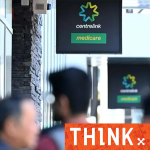
The Australian Social Welfare system is notorious for its punitive nature and complexity, leaving hundreds of thousands of Australians helpless.
Stefan is joined by Leanne Ho, CEO of Economic Justice Australia, and Julius Golab, solicitor at the Welfare Rights Centre to explore the complexity of social security and how things can change.
Listen:
-

The NSW Government just reformed the processes behind stamp duty. How will this policy affect housing affordability?
Stefan is joined in the studio by Harry Scheule, Professor of Finance at the UTS Business School and Simon Pressley, Founder and Managing Director at Propertyology.
Listen:
-

How can a change in demographics influence the Australian social, cultural, economic, and technological future?
Stefan is joined in the studio by Rocky Scopelliti, a futurologist, author, speaker and researcher of the confluence of demographics and technological change.
Listen:
-
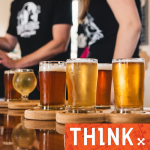
Contractors are very useful for construction, but did you know that you can hire a contractor to create your own craft beer flavour?
Stefan chats to Pavlina Jasovska, Lecturer in International Business and Strategy at the UTS Business School and Sam MacAulay, Senior Lecturer in Strategy and Innovation at the University of Queensland, about the triumphs and taboos about the emerging contract brewing practice.
Listen:
Contract brewing: opportunity vs. stigma | 5 Sep 2022 | 29 min
-

Delays, cost increases and shortages are just some of the implications of a disrupted supply chain. How can we mitigate risk when they stop fully functioning?
Stefan is joined in the studio by Sanjoy Paul, Program Director of the Master of Strategic Supply Chain Management programs at the UTS Business School to discover how to build resilience in the wake of disrupted supply chains.
Listen:
-

Buy Now Pay Later apps have seen a boom in the last five years, culminating in ten BNPL companies listed on the ASX. But as with any emerging industry, regulation is lagging.
Stefan discusses the nuances of BNPL scheme regulation with Dr Thomas Matthys from the UTS Business School and Nikesh Lalchandani from the Emerging Payments Association of Asia.
Listen:
-

The fear of missing out is perhaps one of our greatest worries that we don’t talk about. You may be surprised to discover that this fear can affect the economy.
Stefan chats to Michelle Baddeley, Professor of Behavioural Economics and Behavioural Finance at the UTS Business School, about herding, and how it manifests in the business sphere.
Listen:
-

AI is a new phenomenon born last decade, and it has allowed computers to mimic the human decision-making process. However, how important is the ‘human’ insight in marketing, that algorithms and artificial intelligence lack?
Stefan is joined in the studio by Ashish Sinha, Professor of Marketing and TaeWoo Kim, Assistant Professor of Marketing at the UTS Business School to discuss this marvel and whether AI presents a danger to marketing jobs.
Listen:
-
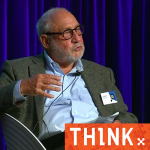
For this very special episode, hear the address by Nobel Prize-winning economist Joseph Stiglitz, presented at the UTS Vice Chancellor’s Democracy Forum. Joined by Emeritus Professor Roy Green and Professor Michelle Baddeley, behavioural economist at UTS, they examine the role government plays in shaping post-COVID recovery, innovation and social outcomes in Australia.
Listen:
Democracy forum: Government's role in innovation | 26 July 2022 | 51 min
-
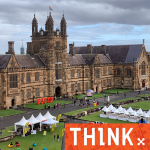
Sydney University reported its largest surplus in history. How are they profiting, especially amidst the debilitating effects of the pandemic?
Stefan discusses how the university sector has fared through COVID with Dr David Bond, Senior Lecturer in Accounting at the UTS Business School.
Listen:
The billion-dollar university surplus | 19 July 2022 | 27 min
-

The majority of today’s successful businesses emerged from startups. But how do startups grow to become worldwide corporations?
Stefan unveils the ins and outs of creating a startup with Mark Curry, the CEO and Founder of Savvy Beverage, an award-winning ready-to-drink business with a focus on enhancing energy naturally.
Listen:
-

Are you born a budding entrepreneur? Or are you taught the skills and characteristics needed to become one?
Stefan chats to Martin Bliemel, Associate Professor and the Director of Research at the UTS Transdisciplinary School and Associate Professor Jochen Schweitzer, the Director of Entrepreneurship at the UTS Business School.
Listen:
-

Each month, Australians produce tens of thousands of tonnes of e-waste. How can businesses turn this trash into treasure?
Stefan is joined in the studio by Maruf Chowdhury, Senior Lecturer in supply chain sustainability at the UTS Business School and Lisa Saunders, Co-founder and CEO of Arnies Recon, a free electronics recycling centre.
Listen:
-

Nearly 1 in 30 women were subjected to financial abuse in 2020 compared to around 1 in 50 men. For many, seeking help can be a real challenge.
Stefan chats to Professor Kathy Walsh from the UTS Business School about the associated cost and impact on victims of financial abuse.
Listen:
-

Australians living with a disability often face enormous challenges when travelling, making the experience of travel and tourism unequal for millions. What is being done to tackle this issue? And what are the opportunities for businesses?
Stefan is joined in the studio by Simon Darcy, Adjunct Professor of Social Inclusion at the UTS Business School and Ben Gauntlett, Disability Discrimination Commissioner at the Australian Human Rights Commission.
Listen:
-

Along with maintaining longevity, profitability and shareholder satisfaction, modern businesses must now grapple with sustainability. What is needed to make sustainable business a reality?
Stefan is joined in the studio by Melissa Edwards, Director of the Executive MBA program and Dr Tim Williams.
Listen:
-

Companies are slowly implementing social and environmental policies. But is this incremental progression enough? Many think it's not even close.
Stefan discusses the potential future of business and social impact with Bronwen Dalton, Director of the Masters of Not-for-Profit and Social Enterprise Program and Claire Wright, business historian at the UTS Business School.
Listen:
Social impact - can business change the world? | 31 May 2022
-

As voters head to the polling stations this weekend, one of the big issues on everyone's mind is the housing affordability crisis- and what our new government will do about it.
Stefan is joined in the studio by Harry Scheule, Professor of Finance at the UTS Business School and Simon Pressley, Founder and Head of Property Market Research at Propertyology to unearth the harsh truth about this problem.
Listen:
-

The royal commission into aged care has handed down its final report- revealing staff shortages, poor nutrition, and neglect were common in aged care homes throughout the country.
Stefan chats to Nicole Sutton and Nelson Ma, Senior Lecturers at the UTS Business School and members of the UTS Ageing Research Collaborative about the key issues impacting the delivery of aged care in Australia.
Listen:
-

Sports bets are being sold at an alarming rate across all platforms and betting is becoming an increasingly prominent part of sports culture and fandom.
Stefan is joined in the studio by Dr Adam Cohen, Lecturer for Sport Management at the UTS Business School, and David Rowe, Emeritus Professor of Cultural Research at the Institute for Culture and Society at Western Sydney University.
Listen:
-

NSW teachers haven't gone on strike for over ten years. But this week they'll walk off the job to raise their voice about unfair pay and workload conditions.
Stefan is joined in the studio by Mihajla Gavin, Senior Lecturer in employment relations and human resource management at the UTS Business School to discuss strategies that address this crisis.
Listen:
-

Without a federal body to keep our politicians accountable, and with an election looming, the issue of a national corruption commission is once again on the table.
Stefan chats to Dr Marie dela Rama, Lecturer at the UTS Business School and Adam Graycar, Professor of Public Policy and Director of the Stretton Institute at the University of Adelaide
Listen:
-

COVID’s catastrophic impact on the tourism sector has exposed many of the industry’s vulnerabilities when it comes to managing crises.
Stefan looks at the learnings from the pandemic and what's in store for tourism with David Beirman, Adjunct Fellow at the UTS Business School and author of Tourism Crises and Destination Recovery.
Listen:
-

We explore the history and current landscape of women in leadership, discussing how we can increase both the number and diversity of women in leadership positions.
Stefan chats to Claire Wright, business historian at the UTS Business School and Dr Blair Williams, Research Fellow and lecturer with the Global Institute for Women's Leadership at the Australian National University.
Listen:
-

The 2022 Budget was described by many as a pre-election cash splash, focusing on temporary fixes. But what options are available to governments to help address issues long-term?
Stefan is joined by David Bond, Senior Lecturer of Accounting at the UTS Business School and Cameron Curko, Head of Macroeconomics and Strategy at Pitcher Partners Accountants.
Listen:
-

The pandemic has overhauled our relationship with work. Employees are prioritising job satisfaction and a work-life balance. Could the four-day working week be a solution?
Stefan is joined by Rowena Ditzell, PhD candidate and lecturer at the UTS Business School to discuss her research on this new concept and what this potential reality could look like for companies and individuals.
Listen:
-

What impact do Russian sanctions have on the Russian people? Does forcing sanctions on innocent civilians require a deeper level of ethical enquiry?
Stefan looks at the ethical implications of sanctions and where the moral line might be with Professor Carl Rhodes, Dean, UTS Business School and Steven Hamilton, Visiting Fellow with ANU’s Tax and Transfer Policy Institute.
Listen:
-

Hear from leading expert Associate Professor Ofer Mintz on how and why the COVID-19 economic crisis occurred and continues to persist from a customer behaviour-based perspective.
Listen:
Capitalising on post-COVID consumer behaviours | 15 March 2022
-

Crypto is here to stay. Individuals, businesses and banks have all jumped on board – so what does this mean for the ATO?
Join Stefan as he chats to Associate Professor Roman Lanis from the UTS Business School and Shane Brunette, founder of Sydney-based tech start-up Crypto Tax Calculator.
Listen:
More episodes
Visit our episode archive on Apple Podcasts, Spotify and Whooshkaa.
Think: Business Futures is produced by 2SER in partnership with UTS Business School.