


Research Team
-
Dr Rowena Ditzell, Dr Andrew Heys
Sustainable Development Goals
-
3. Good Health and Well Being
-
5. Gender Equality
-
8. Decent Work and Economic Growth
- Posted on 18 May 2026
Since the Covid-19 pandemic, hybrid work has become far more integrated into working life across Australia and around the world. But as organisations continue to navigate this shift, an important question remains: how can hybrid work be managed in a way that is fair, effective and sustainable for everyone involved? This research explores how hybrid work is being implemented across different sectors, what tensions it creates, and what organisations can learn to make flexible work arrangements more successful.
The Challenge
Hybrid work has both supporters and critics, but much of the debate is shaped by personal views, recent experience and external pressures, rather than strong evidence. While many employees expect flexibility as part of modern working life, organisations still grapple with how to manage it effectively. In the absence evidence informed strategies, the place of work can become a source of tension — raising concerns around entitlement, equality and fairness, and prompting in some cases blanket return-to-office directives from senior management.
Hybrid work presents real challenges for leaders and managers, including maintaining organisational culture across dispersed teams, distributing workload fairly, ensuring equal access to flexibility across different roles, and managing performance in less visible working environments. This research responds to the need for a clearer evidence base on what hybrid work looks like in practice, how it is being experienced, and what outcomes it is producing.
Solution
To address this issue, researchers from the UTS Business School are developing a series of illustrative case studies across organisations of different sizes and diverse industry sectors. The project aims to understand how, where and why hybrid work is being used, which models are being implemented, and how these arrangements are experienced by different stakeholder groups.
The research uses a mixed-methods approach. In the first stage, the team is conducting semi-structured interviews and analysing relevant primary and secondary data. In the second stage, a broader stakeholder survey will capture wider workforce perspectives and outcomes. Together, these methods will help build a practical and balanced account of the opportunities and unintended consequences of hybrid work, while identifying evidence-informed strategies to reduce the pressures it can create for leaders and managers.
Outcome and Impact
This project is designed to generate a balanced and critically informed evidence base to support organisations in the development, implementation and governance of flexible work policies. By examining hybrid work through the perspectives of a diverse range of stakeholders, the research will provide insight into how flexible arrangements affect organisational culture, managerial workload, equality of opportunity and employee wellbeing.
The findings will help organisational leaders, managers and human resource practitioners design hybrid work policies, job structures and work systems that support both organisational effectiveness and employee wellbeing. Importantly, the project also seeks to identify how organisations can avoid placing unintended or disproportionate burdens on managers responsible for leading hybrid teams. Through peer-reviewed publications, conference presentations and public engagement, including media commentary, the research will contribute to more evidence-based debate and decision-making around one of the most significant workplace shifts of recent years.
Collaborate with us
Find out about research collaboration with the UTS Business School.
Researchers

Lecturer, Business School

Senior Lecturer, Business School

Webpage
Beyond the numbers: Women’s influence on ASX200 boards
In 2005 women held a mere 9.6% of non-executive director seats on Australian ASX200 boards; a figure, that through the implementation of quotas and targets,...
Webpage
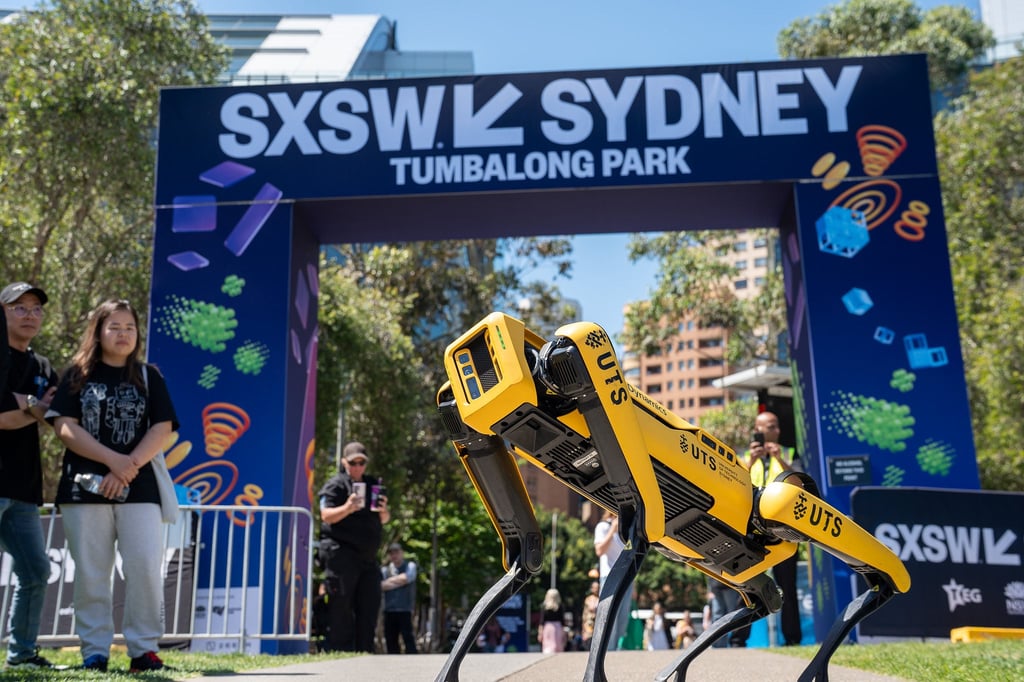
Industry partnership: SXSW Sydney
For the past two years, UTS has partnered with SXSW Sydney to support their global event, finding common ground in their shared commitment to creativity,...

Webpage
The role of social norms and misperceptions on Muslim women’s work outcomes
In Australia's diverse professional landscape, significant barriers stand between qualified Muslim women and their career aspirations. Despite organisational...

Webpage
Australian electricity price dynamics: The impact of renewable energy
Following ambitious renewable energy targets set by state and federal governments to achieve carbon neutrality by 2050, Australia is leading globally in the...
Webpage
Beyond the numbers: Women’s influence on ASX200 boards
In 2005 women held a mere 9.6% of non-executive director seats on Australian ASX200 boards; a figure, that through the implementation of quotas and targets,...
Webpage
Industry partnership: SXSW Sydney
For the past two years, UTS has partnered with SXSW Sydney to support their global event, finding common ground in their shared commitment to creativity,...
Webpage
The role of social norms and misperceptions on Muslim women’s work outcomes
In Australia's diverse professional landscape, significant barriers stand between qualified Muslim women and their career aspirations. Despite organisational...
Webpage
Australian electricity price dynamics: The impact of renewable energy
Following ambitious renewable energy targets set by state and federal governments to achieve carbon neutrality by 2050, Australia is leading globally in the...