


Innovating for a safer, smarter digital world
In an increasingly connected world, protecting data, systems, and infrastructure is more critical than ever. At UTS, our security research spans cybersecurity, network security, cryptography, digital forensics, and trust in AI, driven by a commitment to developing practical, scalable solutions for real-world threats.
With a multidisciplinary approach and access to cutting-edge facilities like the UTS Cybersecurity Lab and the Global Big Data Technologies Centre, we’re shaping a safer and more resilient digital future.
Our research centres
Centre for Quantum Software and Information
We’re a leading research hub dedicated to advancing quantum computing and information technologies. We focus on both theoretical and experimental aspects of quantum science, aiming to develop the software and infrastructure essential for future quantum technologies.
Global Big Data Technologies Centre
We’re a research centre driving innovation in big data, analytics, and telecommunications. Our goal is to empower government and industry with advanced platforms and tools, enabling confident transformation of services, operations, and decision-making for societal and economic impact.
News
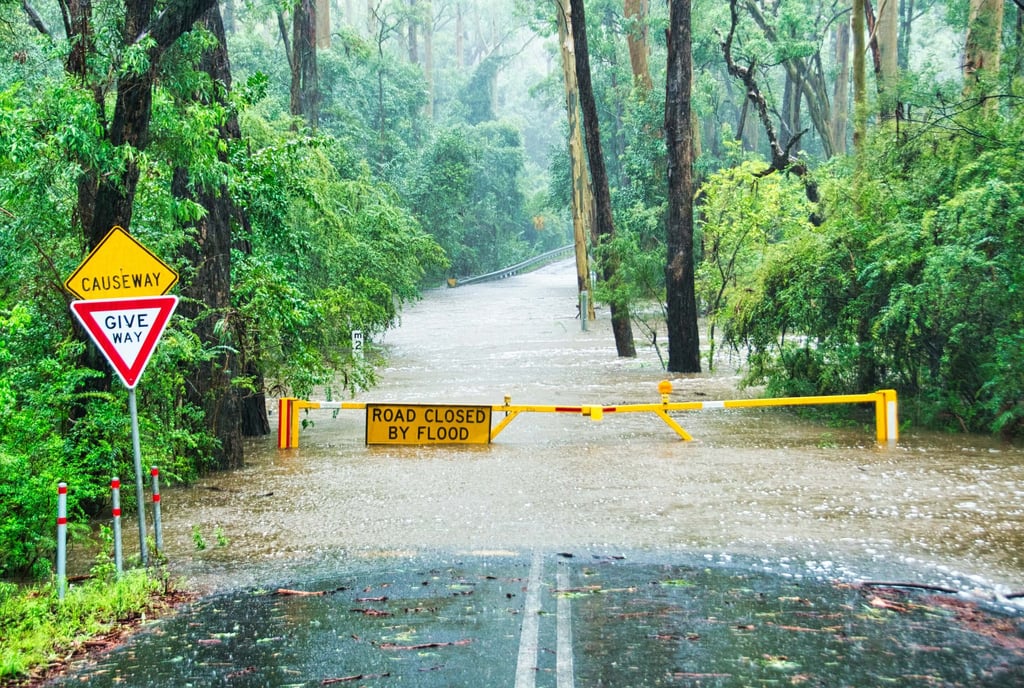
AI improves long-term flood forecasting
Through the power of advanced artificial intelligence, UTS research could help communities get warnings weeks ahead of floods.

News
Australia-Vietnam Strategic Technologies Forum in Hanoi
HANOI, VIETNAM — Today, senior government representatives, industry leaders, researchers and innovators from Australia and Vietnam convened in Hanoi for the...
News
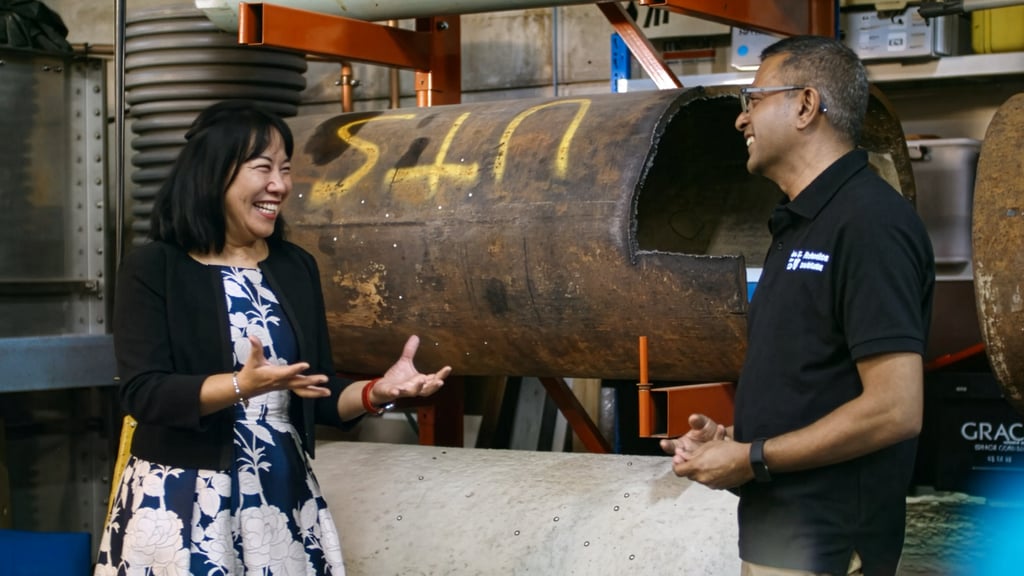
The AI leader building resilient cities
Distinguished Professor Fang Chen made a fellow of the Australian Academy of Technological Sciences and Engineering.

News
Professor Jie Lu contributes to United Nations working group
AAII’s capabilities in responsible AI contribute technical solutions to the international discussion on sustainable and trustworthy data governance.
News
AI improves long-term flood forecasting
Through the power of advanced artificial intelligence, UTS research could help communities get warnings weeks ahead of floods.
News
Australia-Vietnam Strategic Technologies Forum in Hanoi
HANOI, VIETNAM — Today, senior government representatives, industry leaders, researchers and innovators from Australia and Vietnam convened in Hanoi for the...
News
The AI leader building resilient cities
Distinguished Professor Fang Chen made a fellow of the Australian Academy of Technological Sciences and Engineering.
News
Professor Jie Lu contributes to United Nations working group
AAII’s capabilities in responsible AI contribute technical solutions to the international discussion on sustainable and trustworthy data governance.