


A unique approach to stroke research
The UTS Stroke Research Collaborative (SRC) focuses solely on stroke rehabilitation rather than acute emergency and hospital care. More stroke survivors are living in the community for decades with the effects of stroke and there is a vast need for this research.
Using the power of collaborative research across the university, pulling in expertise from diverse areas, from AI and robotics through to law, design, finance, architecture and health, SRC is committed to meaningful research and support for stroke survivors and their families.
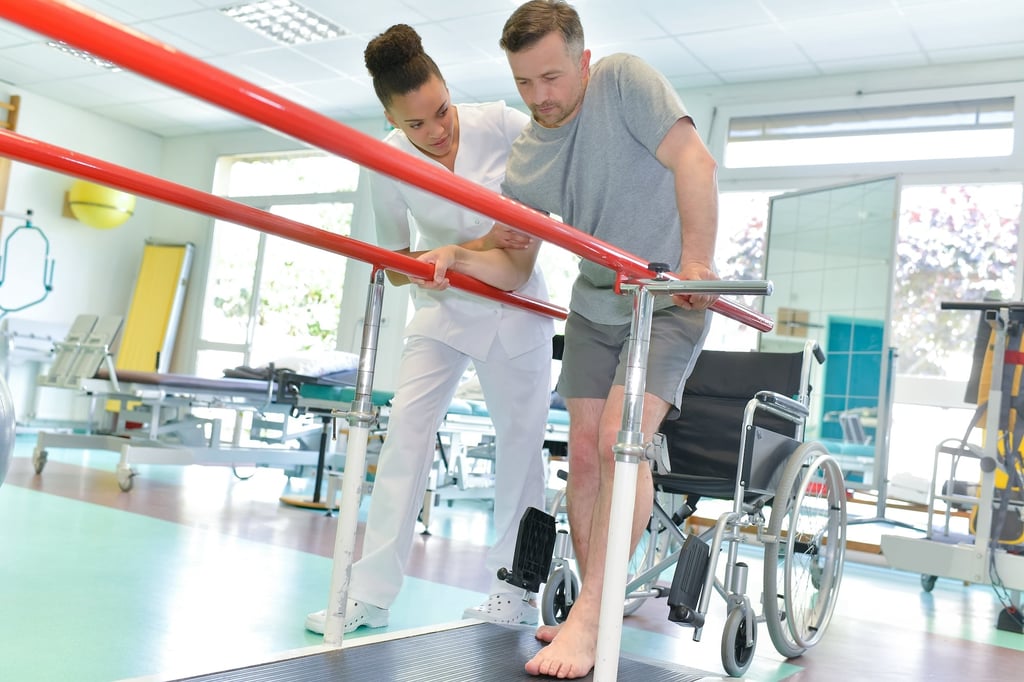
About us
The Stroke Research Collaborative was formed to help address the research gap in stroke rehabilitation worldwide, as almost all stroke research funding is focused on emergency and acute hospital care.
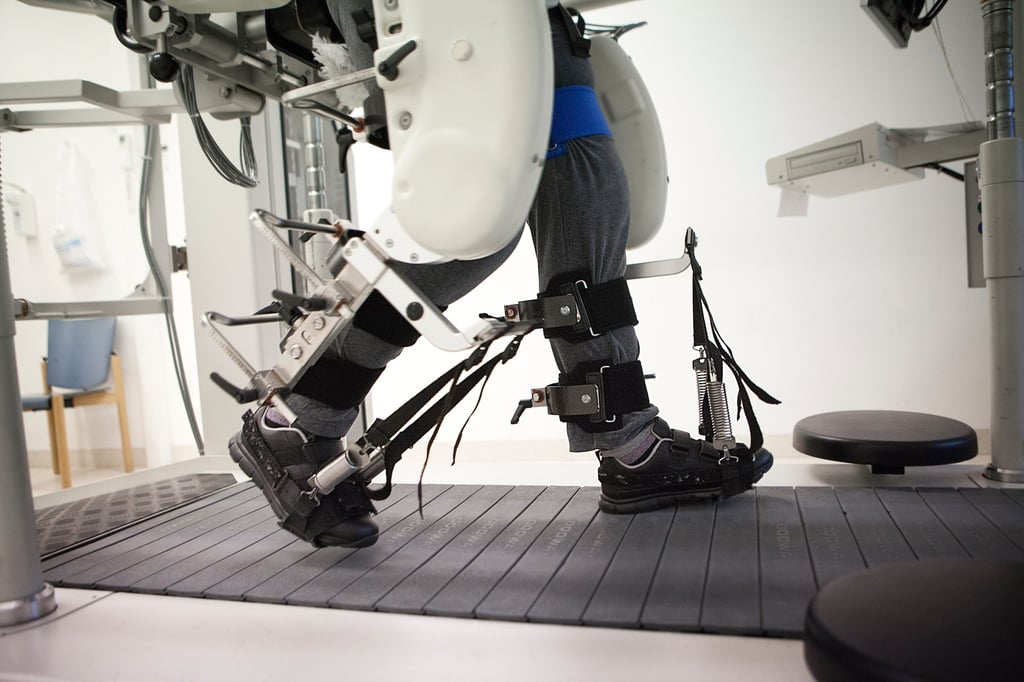
Our research
Our wealth of experience encompasses artificial intelligence, human-centred computing, Indigenous research methods, epidemiology, health economics and more.
Our people
Our network across all disciplines at UTS includes a growing body of more than 50 researchers, including world-renowned academics.
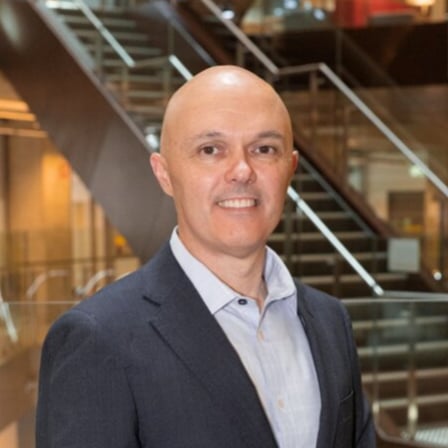
David Sibbritt
Professor of Epidemiology
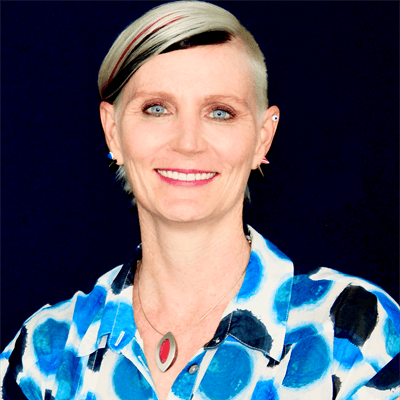
Emma Power
Professor of Speech Pathology
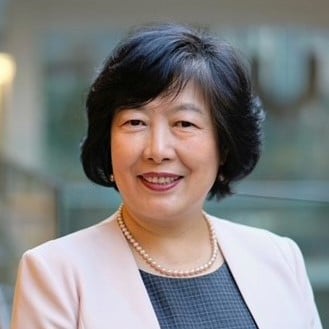
Jie Lu
Distinguished Professor of Artificial Intelligence
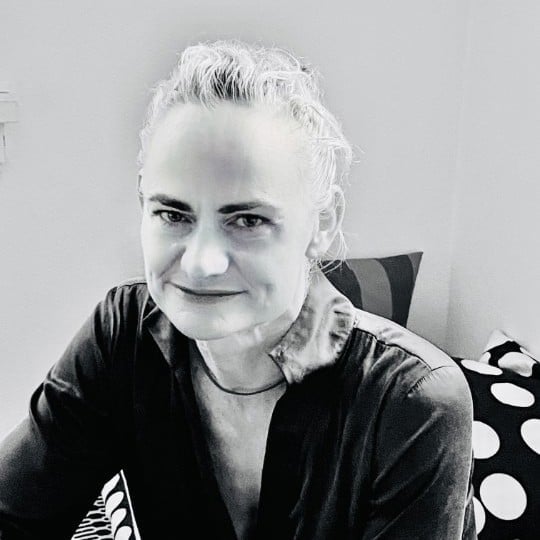
Kate Sweetapple
Professor of Design
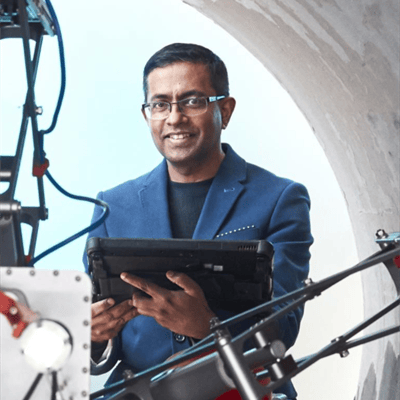
Sarath Kodagoda
Professor of Robotics
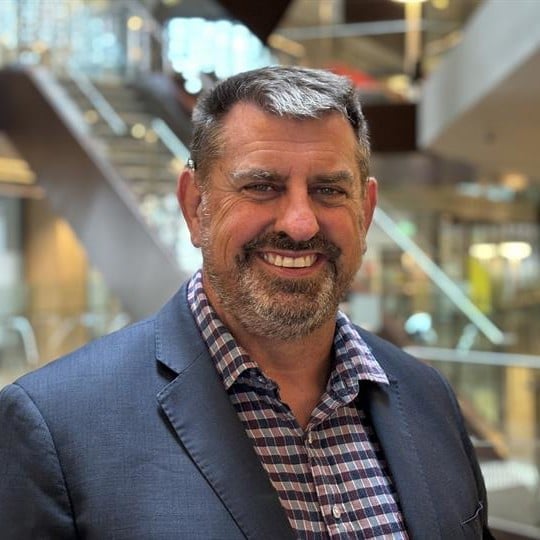
Scott Avery
Professor of Indigenous Disability
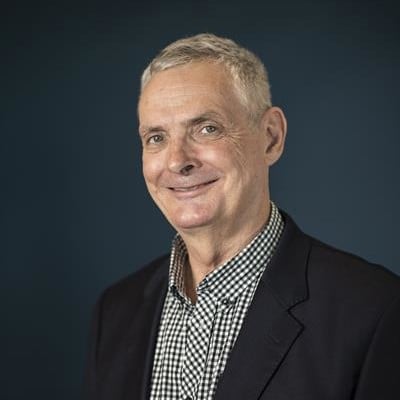
Ian Kneebone
Professor of Clinical Psychology
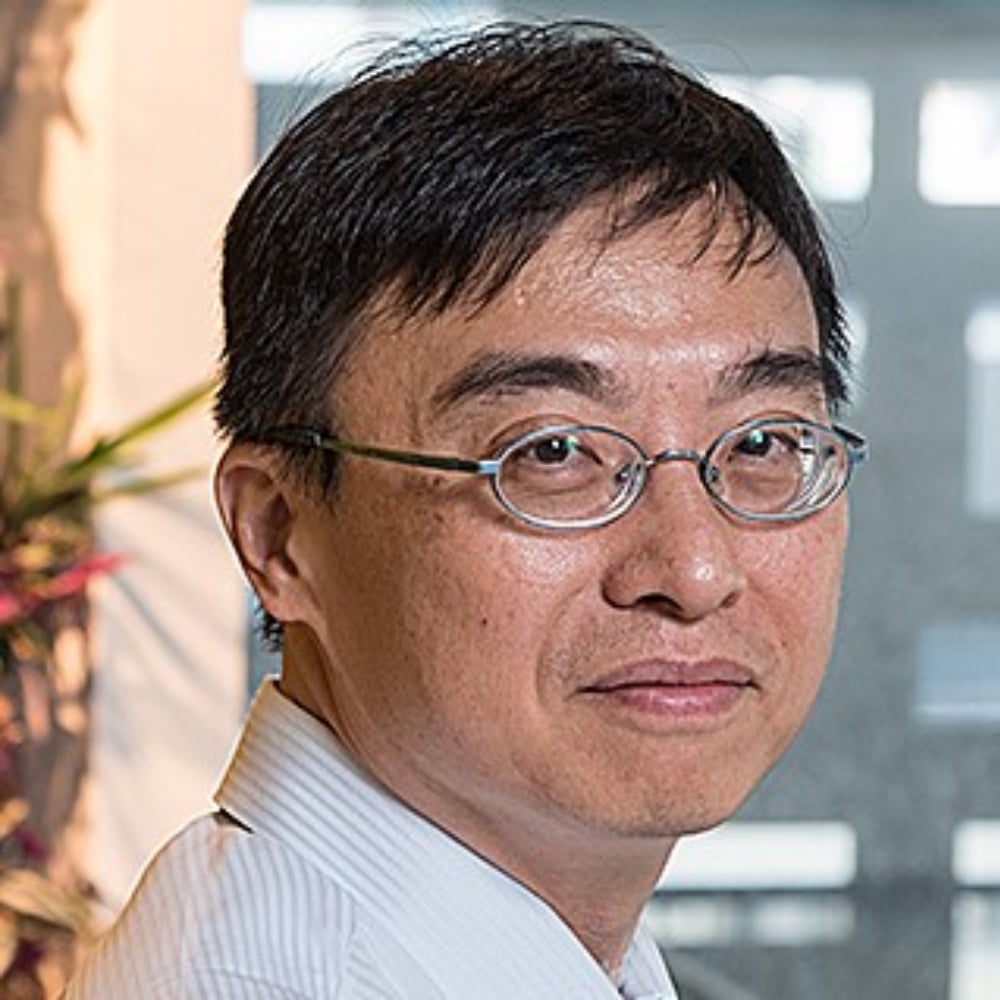
CT Lin
Distinguished Professor of Artificial Intelligence
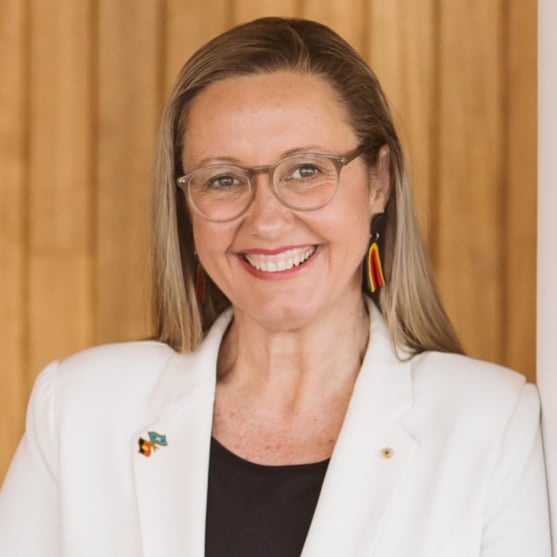
Faye McMillan
Professor of Indigenous Health
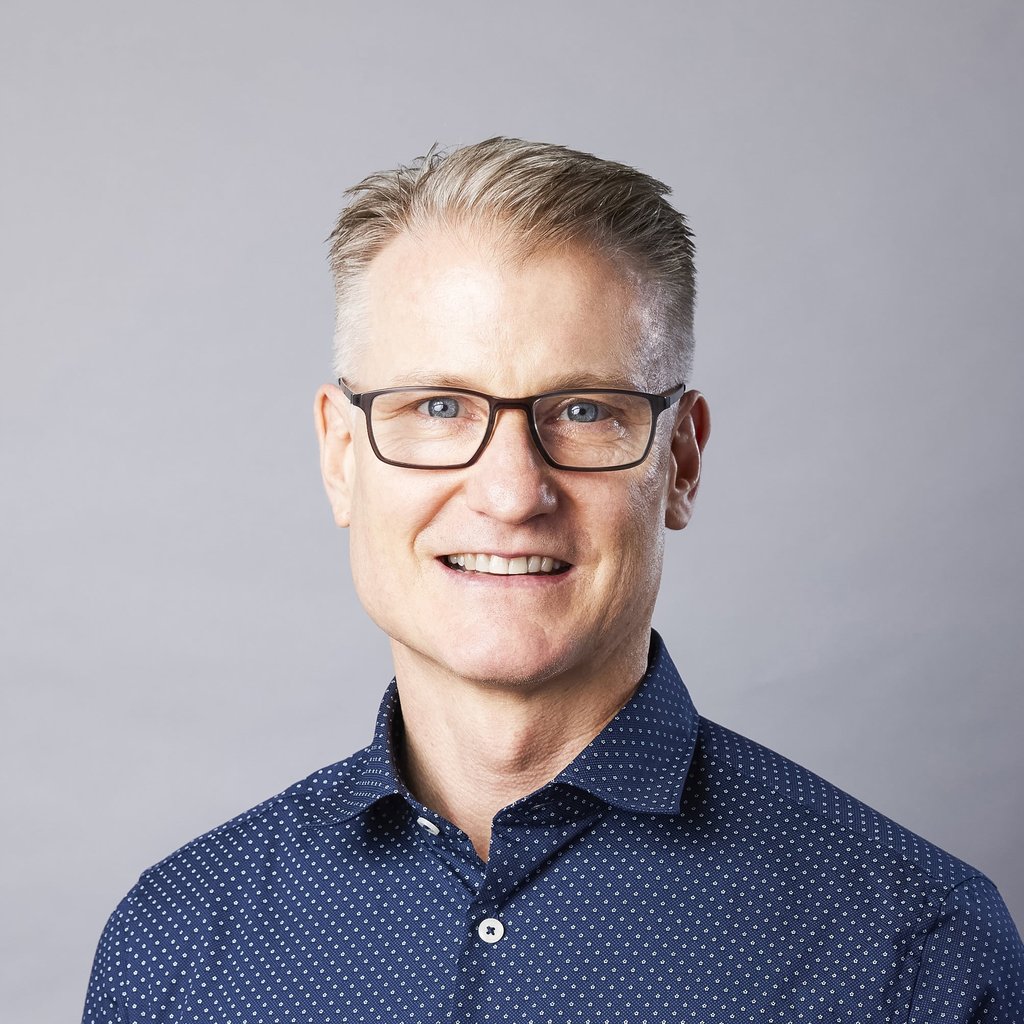
Jason Prior
Professor of Planning, Health and Environment

Frédérique Sunstrum
Lecturer in Product Design
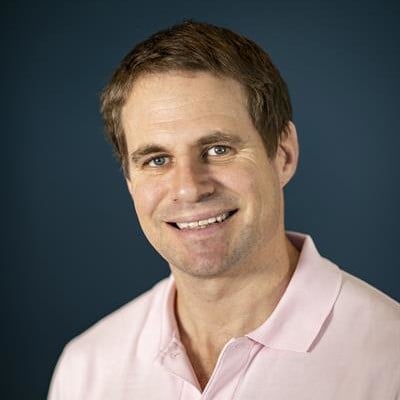
Peter Stubbs
Senior Lecturer in Physiotherapy
Partner with us
We envision a world where every person affected by stroke has the opportunity to thrive in their community, supported by cutting-edge science and a network that champions their recovery journey.
Resources
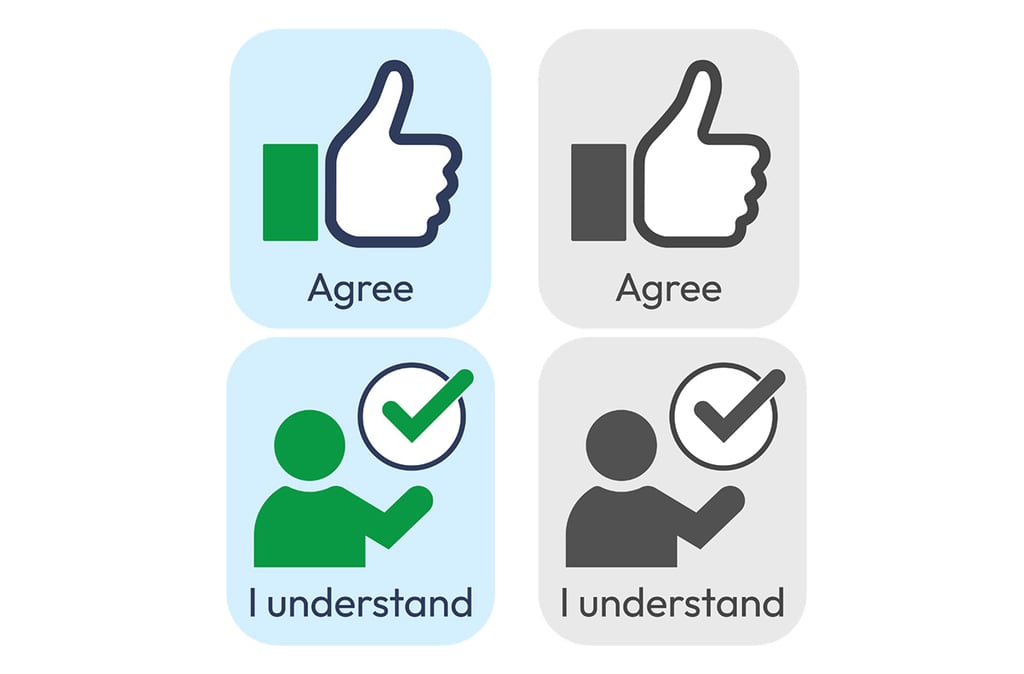
Developed by the Young Stroke Service project, these resources can assist stroke researchers to include people with communication support needs in research.
How helplines support survivors navigating life after stroke
Research finds stroke survivors are turning to services like StrokeLine for more than medical guidance.
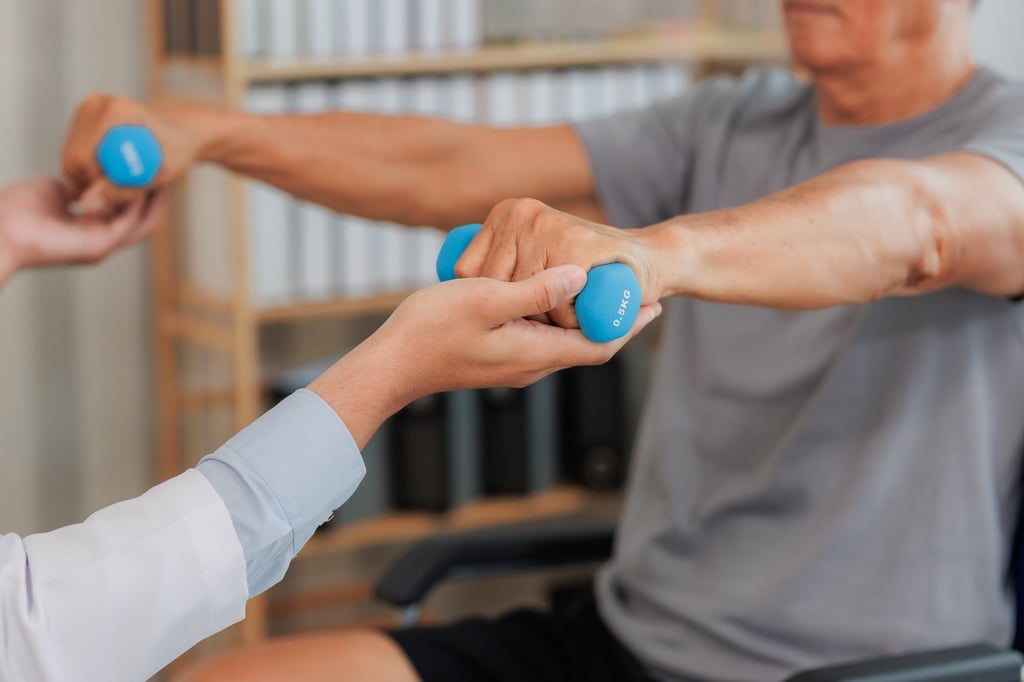
Exercise and soymilk combination may support cognitive recovery after stroke
Research suggests combining structured exercise with soymilk supplementation could help people recovering from acute stroke.
AI helps stroke survivors find their voice
Speech pathologists at UTS are trialling the use of generative AI tools in speech therapy for people with aphasia, a language disorder that affects a person's...
Study on stroke informs drug discovery and risk prediction
A large international collaborative gathering over 200,000 stroke patients and over 2 million control individuals across five different ancestries identifies...
How helplines support survivors navigating life after stroke
Research finds stroke survivors are turning to services like StrokeLine for more than medical guidance.
Exercise and soymilk combination may support cognitive recovery after stroke
Research suggests combining structured exercise with soymilk supplementation could help people recovering from acute stroke.
AI helps stroke survivors find their voice
Speech pathologists at UTS are trialling the use of generative AI tools in speech therapy for people with aphasia, a language disorder that affects a person's...
Study on stroke informs drug discovery and risk prediction
A large international collaborative gathering over 200,000 stroke patients and over 2 million control individuals across five different ancestries identifies...