


Our research
Using all the tools of multidisciplinary research, the Stroke Research Collaborative (SRC) is making impactful advances in post-stroke rehabilitation and care. Our wealth of experience encompasses artificial intelligence, machine learning, human-centred computing, data mining, information visualisation, Indigenous research methods, biostatistics, epidemiology, implementation science, health economics, focus groups and qualitative interviews.
Our research focuses on four areas:
- Clinical and biological sciences
- Health informatics and technology
- Creative industries
- Health and wellbeing.
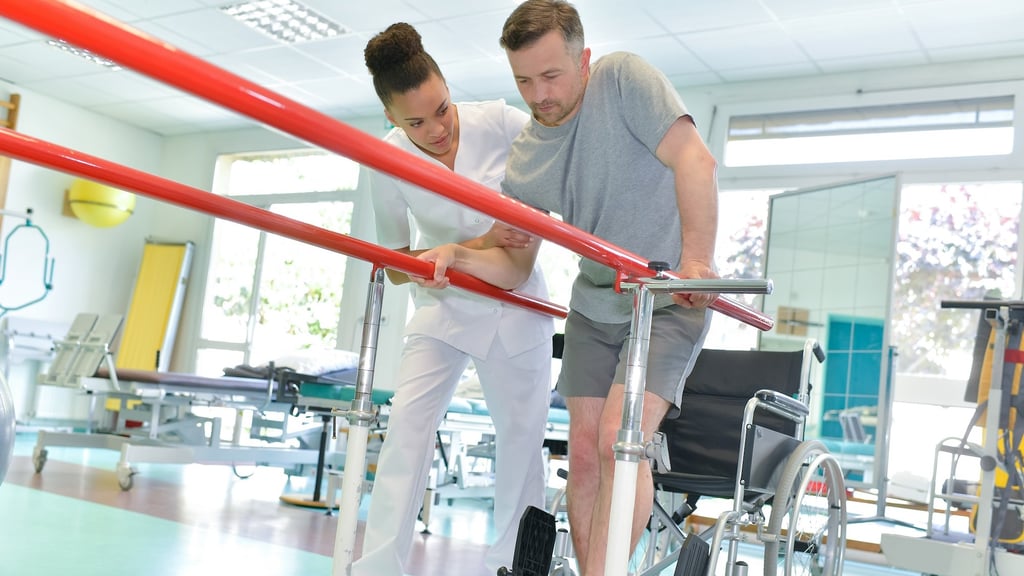
Clinical and biological sciences
Pioneering breakthroughs in health: where clinical insight meets biological discovery for a healthier tomorrow.
Disciplines: Physiotherapy, Speech therapy, Nursing, Orthoptics, Nutritional science, Psychology, Behavioural neuroscience, Genetics.
For example, we have developed online screening training for Australian physicians to recognise and mange mental illness in stroke survivors. Anxiety disorders alone affect an estimated 18–25% of stroke survivors.
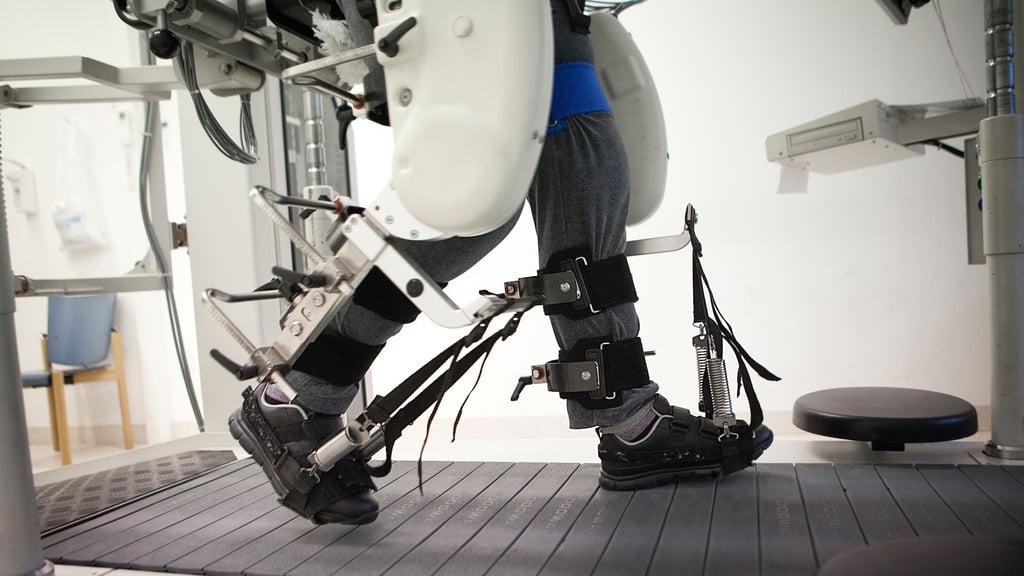
Health informatics and technology
Empowering tomorrow’s care: where health informatics and technology unite to transform diagnostics, rehabilitation and patient outcomes.
Disciplines: Artificial intelligence, Intelligent robotics, Medical devices, Information systems, Brain Computer Interface (BCI).
Our exciting developments in this area include the use of exoskeletons for stroke survivors, to help them with movement or grasping objects.

Creative industries
Igniting innovation and empowerment: creative industries transform rehabilitation and engagement through imagination, inclusivity and the art of possibility.
Disciplines: Design, Architecture, Visual arts, Urban planning, Communication and media.
We have created a soft, comfortable wearable device that continually monitors heart rate, for the early detection and prevention of cardiovascular disease, common in stroke survivors. Other projects include intelligent design of home and work spaces.
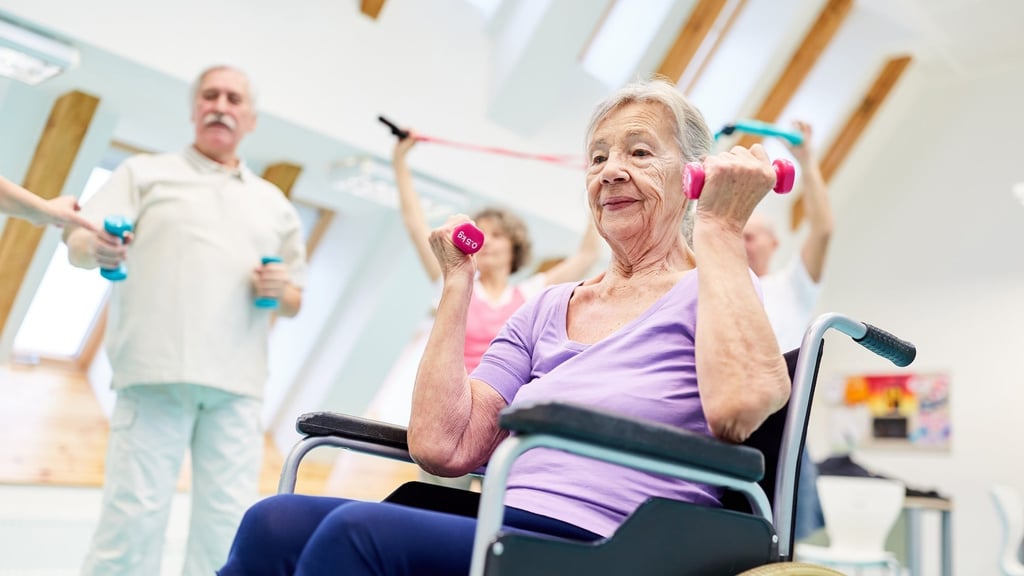
Health and wellbeing
Nurturing holistic health and wellbeing: where tradition, innovation and compassion come together for a brighter, healthier future.
Disciplines: Public health, Social science, Indigenous ways of knowing, Socio-legal.
Our research in this area includes an extensive understanding of what self-help strategies are working for stroke survivors, whether physical activities, mindfulness and meditation, or consumption of products containing caffeine.
Our impact
Our research is helping make significant changes to stroke rehabilitation and management in many areas. In addition, many of our researchers have had significant impact on national and international policy development and established tools that are routinely used by stroke clinicals here and overseas.
In clinical practice, our work has helped establish training for physicians to identify and manage mental illness in stroke survivors.
By consistently providing up-to-date research and analysis, we are making stroke survivors, policy makers and the general public aware of the ongoing needs and solutions available. In addition, we are educating health providers, such as GPs, about the needs of their patients so they can best deal with ongoing issues such as mental health or difficulties catching public transport.