


- Posted on 4 Jun 2026
- 2-minute read
Research finds stroke survivors are turning to services like StrokeLine for more than medical guidance.
A study led by researchers including Dr Peter Stubbs, a senior lecturer in physiotherapy at UTS and a member of the Stroke Research Collaborative, has explored why stroke survivors contact StrokeLine and how those interactions shape their recovery experiences.
For many survivors, recovery after stroke can be complex and overwhelming. Alongside changes in physical movement, speech and cognition, many also experience feelings of uncertainty, anxiety, isolation and frustration. The process of rehabilitation can be daunting, and individuals often need guidance to help make sense of their new reality.
The study examined how StrokeLine, a dedicated stroke support helpline, helps address these challenges by providing practical information, emotional support and personalised advice tailored to individual circumstances.
Researchers explored why survivors contacted the service, what they experienced during these interactions, and how they perceived the impact of that support on their recovery.
Across these experiences, the helpline served as a bridge between survivors and the broader network of care, helping them feel less alone and more empowered.
The findings showed survivors turned to StrokeLine for both practical and emotional support. Some sought advice about rehabilitation exercises, medication management and accessing community services, while others were looking for comfort and reassurance from someone who understood the realities of stroke recovery, or assistance understanding medical information given by their doctors.
Across these experiences, the helpline served as a bridge between survivors and the broader network of care, helping them feel less alone and more empowered.
Participants in the study described the helpline staff as compassionate, knowledgeable and patient, with many noting that just having someone listen to their concerns without judgment made a significant difference.
The study found these conversations helped survivors regain a sense of control, feeling more informed, confident and better able to make decisions about their care, including adopting new strategies for daily living and accessing services they hadn’t previously known about.
For others, the helpline provided motivation to stay engaged in their rehabilitation or try new activities and therapies. Some said that the reassurance and empathy offered by StrokeLine helped them cope with feelings of anxiety or depression and contributed to their overall wellbeing.
The findings highlight the necessity of ongoing support for stroke survivors and emphasise the power of a compassionate ear in times of vulnerability. By listening to callers and responding to their questions and concerns with care and expertise, helplines such as StrokeLine contribute positively to recovery, helping individuals regain independence and quality of life.
Researchers

Associate Professor, Faculty of Health
Chaudhry M, McCambridge A, Rivera E, William S, Stubbs P, Verhagen A, Ferguson C. A Qualitative Exploration of Stroke Survivors' Experiences of Using a Stroke Helpline. Health Expectations 2024; 27(4): e14141.

News
AI helps stroke survivors find their voice
Speech pathologists at UTS are trialling the use of generative AI tools in speech therapy for people with aphasia, a language disorder that affects a person's...
News
Exercise and soymilk combination may support cognitive recovery after stroke
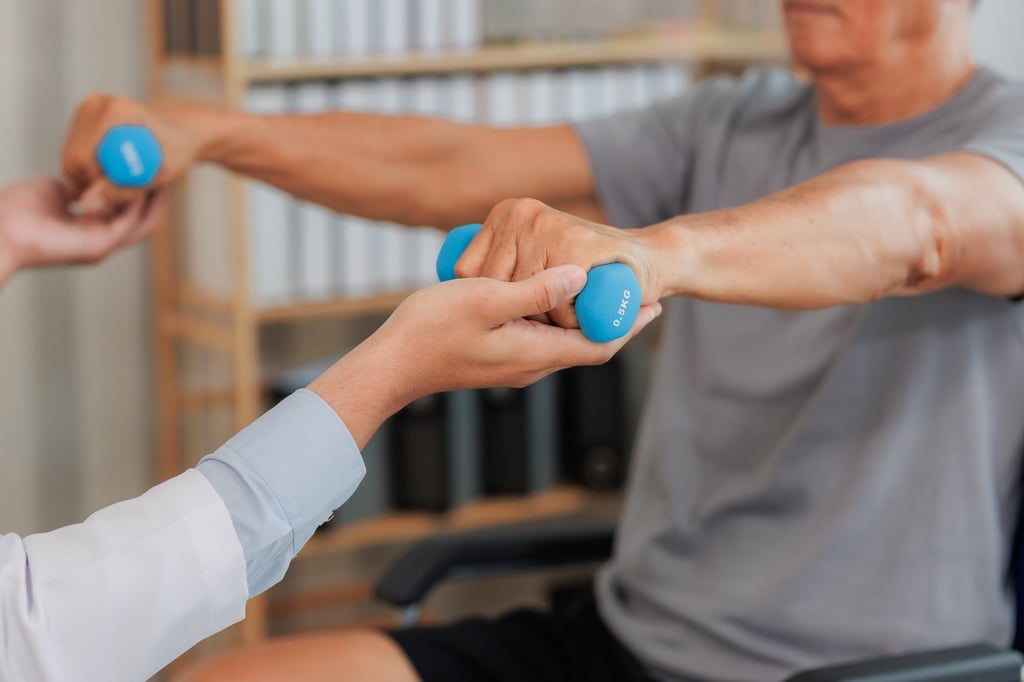
Research suggests combining structured exercise with soymilk supplementation could help people recovering from acute stroke.
News
Study on stroke informs drug discovery and risk prediction
A large international collaborative gathering over 200,000 stroke patients and over 2 million control individuals across five different ancestries identifies...
News
Australia leads the world in stuttering research, now digital innovation is reshaping stuttering care
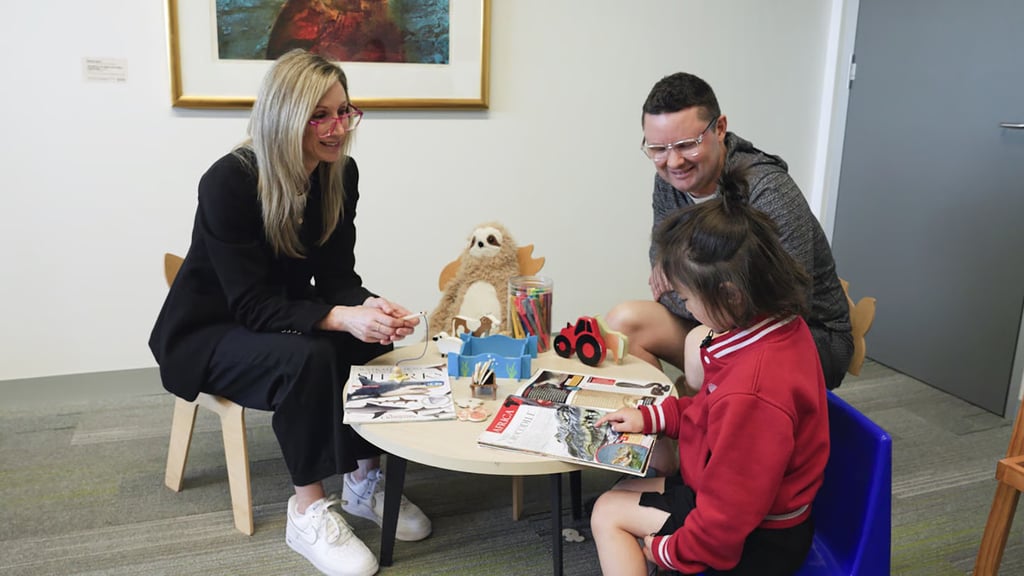
The Australian Stuttering Research Centre at UTS marks 30 years of world-leading research.
News
AI helps stroke survivors find their voice
Speech pathologists at UTS are trialling the use of generative AI tools in speech therapy for people with aphasia, a language disorder that affects a person's...
News
Exercise and soymilk combination may support cognitive recovery after stroke
Research suggests combining structured exercise with soymilk supplementation could help people recovering from acute stroke.
News
Study on stroke informs drug discovery and risk prediction
A large international collaborative gathering over 200,000 stroke patients and over 2 million control individuals across five different ancestries identifies...
News
Australia leads the world in stuttering research, now digital innovation is reshaping stuttering care
The Australian Stuttering Research Centre at UTS marks 30 years of world-leading research.