


What we do
Commencing in July 2024, the Stroke Research Collaborative (SRC) was formed to help address the research gap in stroke rehabilitation worldwide, as almost all stroke research funding is focused on emergency and acute hospital care.
We are addressing the problems stroke survivors face:
- Ongoing challenges with mobility, communication and cognitive function, which can limit independence and participation in everyday activities.
- Access to tailored rehabilitation services, community programs, and reliable information about recovery options.
- Emotional and psychological support, so that stroke survivors and their families do not have to navigate isolation, anxiety, or depression.
- Integration back into work or social life.
Our innovative rehabilitation approaches and breakthrough technologies enable stroke survivors to lead fulfilling lives with independence and dignity.
We envision a world where every person affected by stroke has the opportunity to thrive in their community, supported by cutting-edge science and a network that champions their recovery journey.
Our priority areas
Collaborate with healthcare professionals, researchers, and community organisations to develop practices that enhance independence and wellbeing for stroke survivors.
Drive scientific advancements with innovative, real-world applications and patient-centred outcomes.
Support stroke survivors and their families through education, advocacy and the development of resources that promote a better quality of life.
Champion the voices and experiences of stroke survivors to governments, health care providers and the wider community.
UTS 2030
The SRC aligns with UTS’s 2030 strategic priorities in several key areas:
- A creative and innovative university: With our multidisciplinary approach we are creating game-changing technologies and strategies that positively impact stroke survivors.
- A connected and engaged university: With a team of 50 internationally respected researchers across every UTS faculty, we can provide unique perspectives, collaborating across 20 research disciplines. In addition, we are building collaborations with the end-users of our research – businesses, governments, NGOs, and target communities, both locally and globally.
Our people
Our network across all disciplines at UTS includes a growing body of more than 50 researchers, including world-renowned academics.
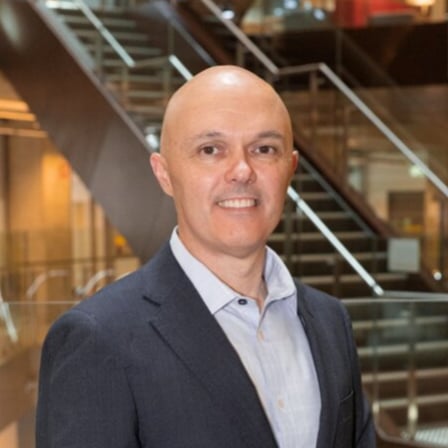
David Sibbritt
Professor of Epidemiology
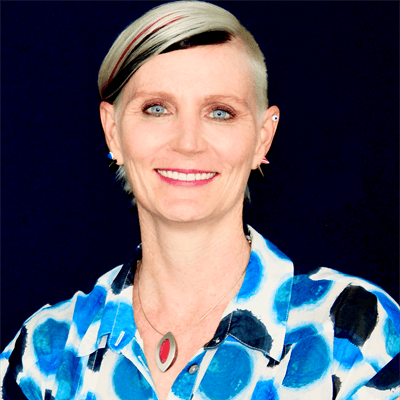
Emma Power
Professor of Speech Pathology
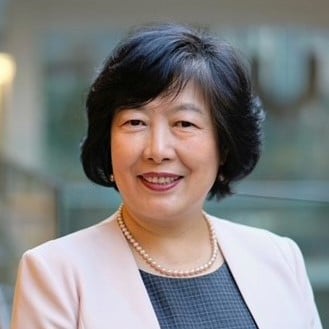
Jie Lu
Distinguished Professor of Artificial Intelligence
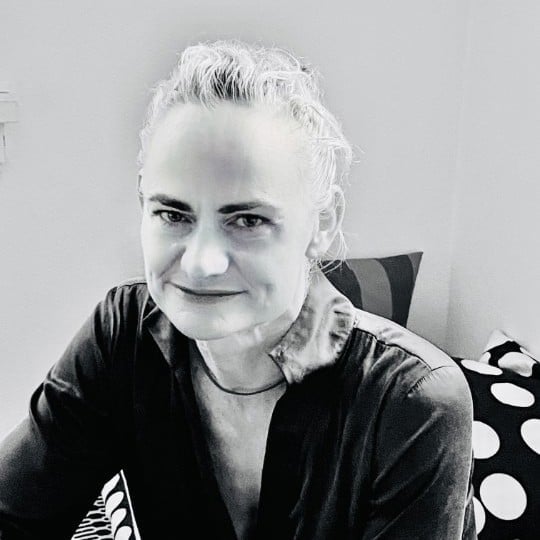
Kate Sweetapple
Professor of Design
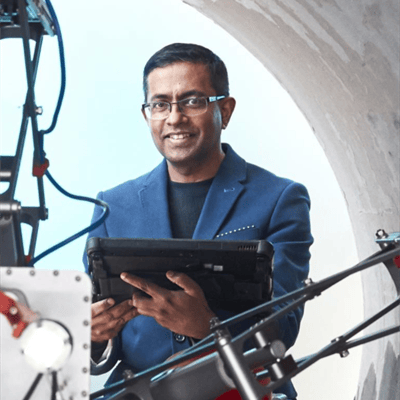
Sarath Kodagoda
Professor of Robotics
Scott Avery
Professor of Indigenous Disability
Ian Kneebone
Professor of Clinical Psychology
CT Lin
Distinguished Professor of Artificial Intelligence
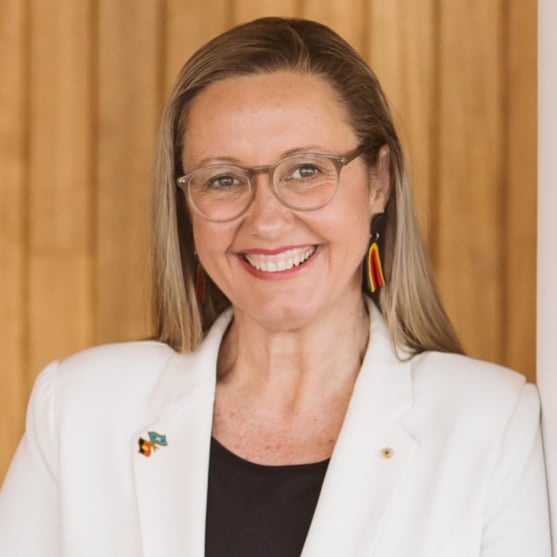
Faye McMillan
Professor of Indigenous Health
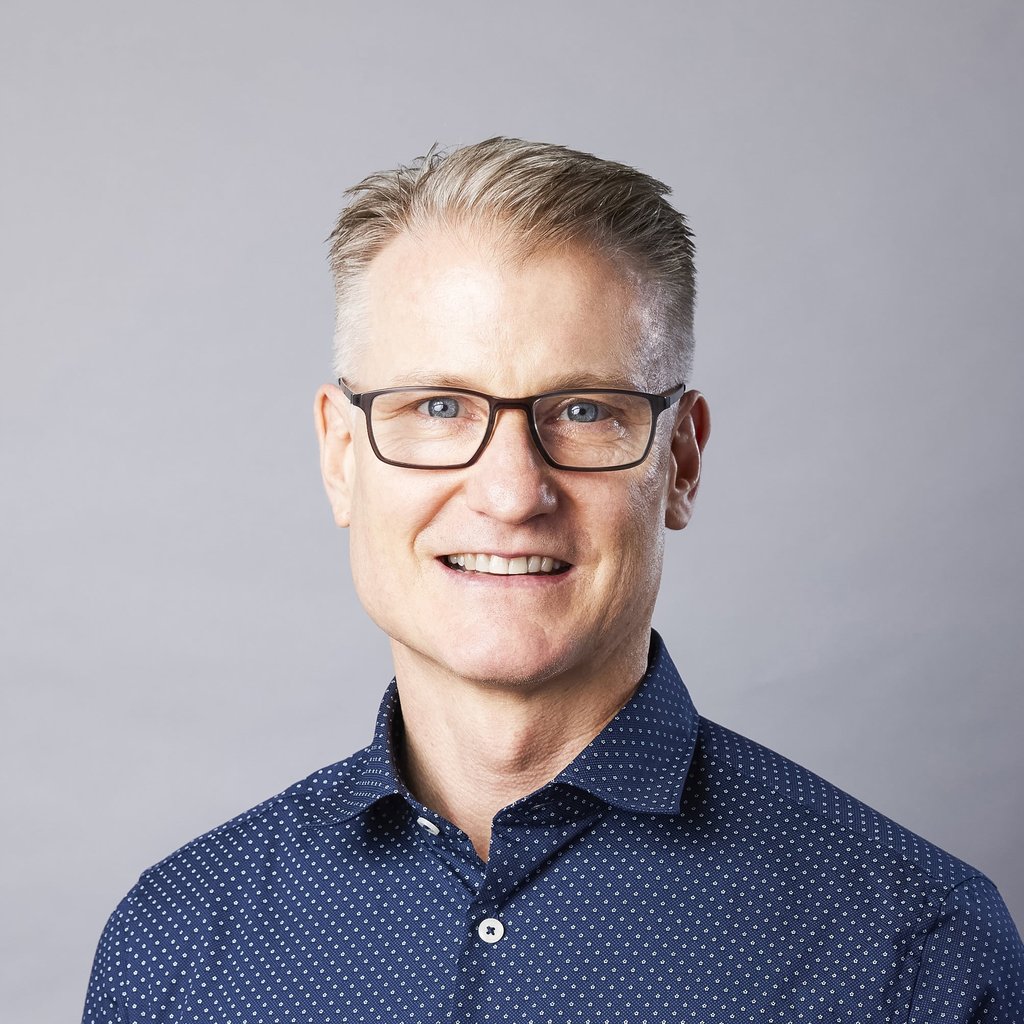
Jason Prior
Professor of Planning, Health and Environment

Frédérique Sunstrum
Lecturer in Product Design
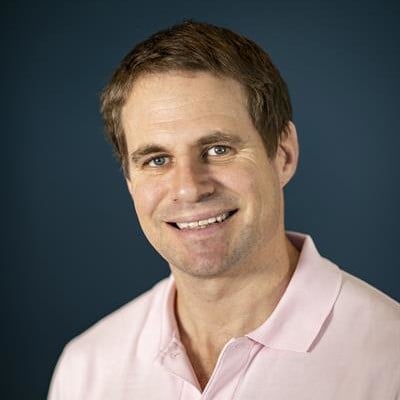
Peter Stubbs
Senior Lecturer in Physiotherapy