


- Posted on 4 Jun 2026
- 2-minute read
A recent study suggests combining structured exercise with soymilk supplementation could help improve cognitive recovery in people recovering from acute stroke.
Strokes are serious medical emergencies and significantly contribute to disability worldwide. For many stroke survivors, cognitive challenges such as memory loss, reduced attention and slower mental processing affect everyday life and independence.
A team of researchers, including Dr Leila Gholizadeh from the UTS Stroke Reseach Collaborative, investigated whether combining a multicomponent rehabilitation exercise program with soymilk supplementation could improve recovery outcomes for people who had experienced an ischemic stroke. The most common form of stroke, an ischemic stroke occurs when the body’s blood supply is blocked, usually by a blood clot.
Previous research has shown that exercise can be highly beneficial during stroke recovery, helping to promote better physical function, enhance mood and support improvements in brain health.
Similarly, nutrition is recognised as a vital aspect of the recovery process. Soymilk, which is rich in plant-based protein, healthy fats, vitamins, minerals and unique compounds called isoflavones, has been linked to cardiovascular and brain health in some studies.
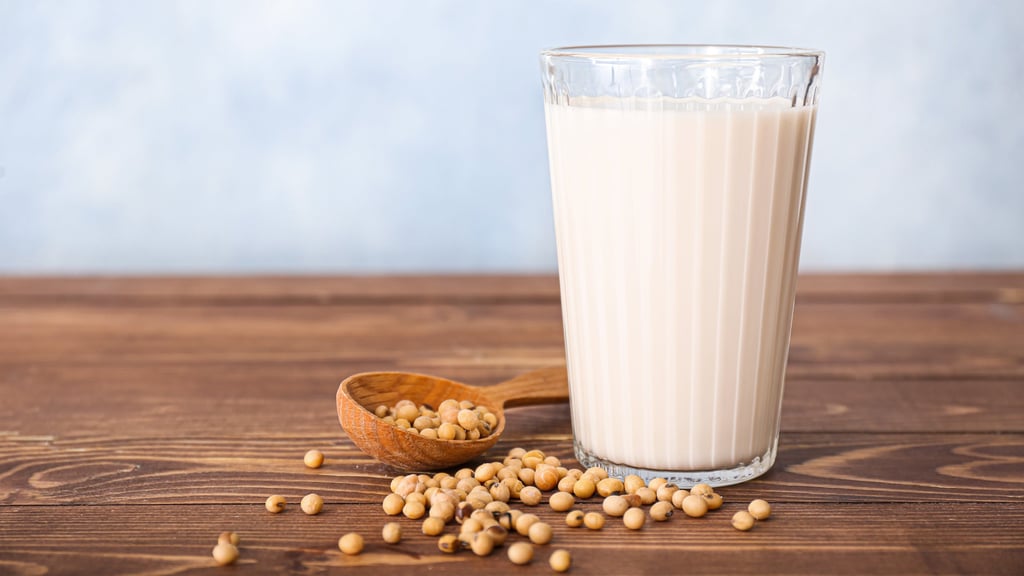
The researchers designed a randomised controlled trial made up of 120 participants who had recently suffered an ischemic stroke. The 20-day trial involved an exercise program of activities chosen to improve strength, flexibility, balance and overall physical endurance, while some participants also consumed soymilk each day as a dietary supplement. Other groups in the study received exercise alone, soymilk alone, or standard care.
To measure the intervention’s impact, the team assessed the participants’ cognitive function before and after the study using tests of memory, attention, problem-solving and other critical thinking skills.
The findings suggest participants who combined the structured exercise program with daily soymilk consumption experienced greater improvements in their cognitive abilities than those in the comparison groups. The most notable improvements were observed in memory, attention and overall mental processing speed.
CT scans were also used to monitor changes in ischemic lesions, the areas of brain tissue damaged by reduced blood supply, but the study did not observe a statistically significant reduction in lesion growth.
The study opens the door to new, accessible strategies for supporting stroke survivors, particularly in settings where access to advanced medical treatments or expensive medications is limited.
While the results are promising, larger, multi-centre studies are needed to confirm the findings and better understand which patients are most likely to benefit from the combined intervention.
Researchers
Senior Lecturer, Faculty of Health
Esmealy B, Esmealy L, Gholizadeh L, Nikookheslat S, Sari-Sarraf V. The effects of multicomponent rehabilitation exercise plus soymilk on cognitive impairment and ischemic lesion growth in stroke patients: A randomized controlled trial. Journal of Stroke and Cerebrovascular Diseases 2025; 34(2): 108207.

News
AI helps stroke survivors find their voice
Speech pathologists at UTS are trialling the use of generative AI tools in speech therapy for people with aphasia, a language disorder that affects a person's...
News
How helplines support survivors navigating life after stroke
Research finds stroke survivors are turning to services like StrokeLine for more than medical guidance.
News
Study on stroke informs drug discovery and risk prediction
A large international collaborative gathering over 200,000 stroke patients and over 2 million control individuals across five different ancestries identifies...
News
Australia leads the world in stuttering research, now digital innovation is reshaping stuttering care
The Australian Stuttering Research Centre at UTS marks 30 years of world-leading research.
News
AI helps stroke survivors find their voice
Speech pathologists at UTS are trialling the use of generative AI tools in speech therapy for people with aphasia, a language disorder that affects a person's...
News
How helplines support survivors navigating life after stroke
Research finds stroke survivors are turning to services like StrokeLine for more than medical guidance.
News
Study on stroke informs drug discovery and risk prediction
A large international collaborative gathering over 200,000 stroke patients and over 2 million control individuals across five different ancestries identifies...
News
Australia leads the world in stuttering research, now digital innovation is reshaping stuttering care
The Australian Stuttering Research Centre at UTS marks 30 years of world-leading research.