


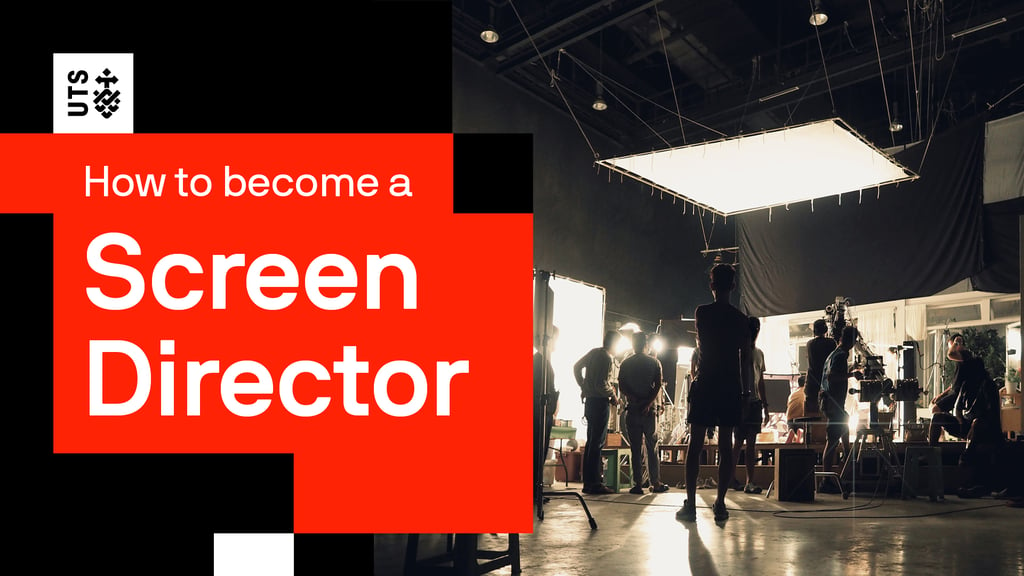
Associate Professor Alex Munt shares what it really takes to be a screen director, from creative leadership to life on set.
Screen directors shape the stories we see on screen, from streaming series to big-budget films and indie features and shorts. But what actually goes into the job?
According to Associate Professor Alex Munt, film director, screenwriter and media researcher at the University of Technology Sydney (UTS), directing is about storytelling, creative leadership and shaping the key decisions that define a project’s style and impact.
What is a screen director and what do they do?
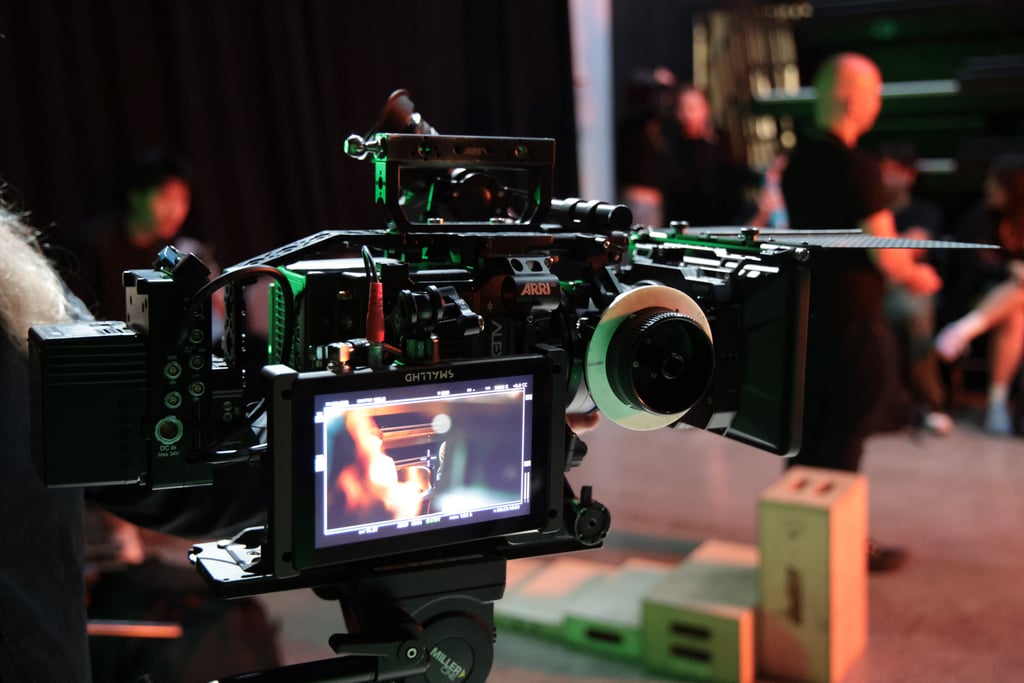
A screen director is the creative lead who brings stories to life on screen. They guide the project’s artistic and technical elements, shaping its visual style, pacing and emotional tone. On set, they direct performances and the camera, with oversight of countless creative decisions to ensure every moment supports the story. While screen production is a highly collaborative process, it’s the screen director who leads and drives the project forward.
Directors collaborate closely with producers, writers and heads of department, from cinematography and sound to production design and editing to develop a unified vision. Their role spans the entire production cycle, from concept and script development through filming, post-production and final release. Between shoots, many stay active by developing new screen ideas, producing online content and preparing for future projects.
Screen directors work across a wide range of settings. While film and television remain key industry pathways, the growing demand for digital media means many graduates also build careers in online content creation, branded media and streaming platforms.
A screen directors responsibilities include:
- Leading the creative vision and decision-making from pre-visualisations to on-set
- Directing the camera using inventive screen language to tell a screen story
- Guiding actors and managing collaboration across departments
- Balancing artistic goals with budgets and schedules
- Overseeing all stages of production, from development to post-production
- Adapting to evolving platforms and creating content across formats
No single path to directing
With such a diverse and demanding role, you might wonder how to become a director. As Munt explains, there’s no single path to entering the world of directing. He himself comes from a design background, but others start through screen performance, photography, editing or other creative disciplines. Becoming a director takes time and maturity. It requires a passion for screen stories and resilience in a competitive industry.
However, what matters most he says, is curiosity. Curiosity about the world, about people and especially about the power of images and sound to tell new stories. It means being visually literate and paying attention to how stories are constructed both online and offline. Whether you’re scrolling through digital content, watching a film in a cinema or walking through an art gallery, it’s about understanding the emotional impact of images and sounds in storytelling.
Skills that make a strong director
Munt says perseverance is the number one skill for a director. Filmmaking is demanding and often unpredictable, so commitment is essential, especially across long timelines.
Leadership is also important. Directors lead diverse creative and technical teams, which requires strong communication skills and a solid understanding of how each area works.
Strong decision-making is also critical. Being able to make confident, well-informed decisions from visual choices and pacing to working with actors and post-production. These decisions add up, shaping the final result and eventually building a director’s unique style and approach.
At UTS, students learn to plan and execute these decisions across the entire production process. They also gain hands-on experience through internships with major broadcasters such as Channel Seven and Channel Nine, where they may work on live TV editing to sharpen their craft while building networks in the industry.
Misconceptions and advice
One major misconception about directing is that it’s glamorous. Munt is clear that the reality is far more complex. While it can be exciting, it also demands patience, stamina and hard work, particularly during the long gaps between productions.
His top advice: “It’s a contact sport. Get out there.”
That means getting involved, making connections, collaborating with others and creating work, because experience is the best pathway into the industry. It means being on the front foot in your creative aspirations and not waiting for someone to do it for you. As Mark Duplass said, ‘the calvary is not coming’ - director’s need to shape their own future.
Finding your role in screen production
Directing isn’t the only role available. Screen production is a team effort, and part of studying film at UTS is discovering where you fit best. Munt explains that students often enter the degree unsure of what specific path they want to take, but that quickly changes.
As students progress, they begin to understand what they like, what they are good at and where they see themselves making the strongest creative contribution. This could be in:
- Development: screenwriting and producing
- Production: cinematography and sound recording
- Post-production: editing, sound design, special effects and finishing the final cut
This exploration is built into the UTS program, giving students the chance to try different roles and find where they can do their best work.
Contributor
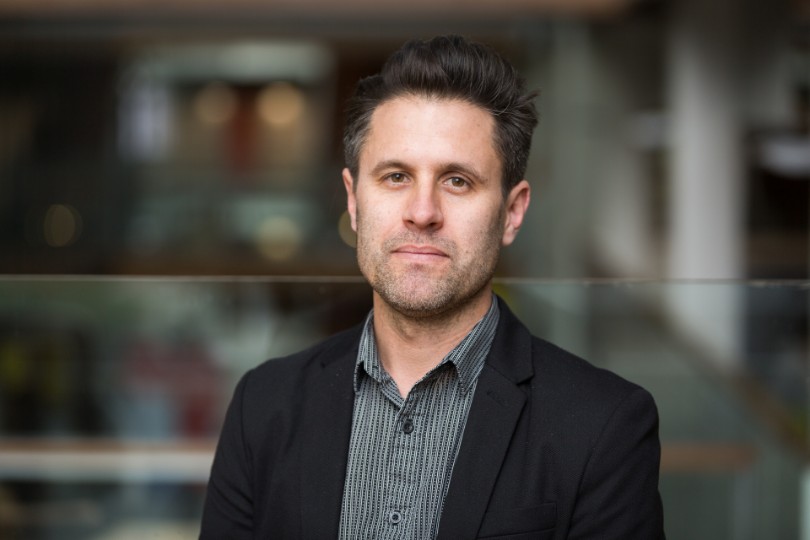
Associate Professor, Faculty of Design and Society

Webpage
Careers in science: Unlimited possibilities await
What can you do with a degree in Science from UTS? The answer is anything you choose. From laboratories to national parks, the ocean to outer space, science...

Webpage
6 careers that will be crucial for addressing climate change
UTS’s Professor Chris Turney shares his thoughts on the careers and job titles that have the most potential to act on climate change now and into the future.

Webpage
Careers in fashion that aren’t being a designer
Want to work in fashion but don’t see yourself as a designer? The industry is full of exciting, essential roles beyond the sketchpad.
Webpage
The future of film in Australia
The screen industry is evolving fast, driven by new technologies and fresh storytelling formats. Associate Professor Alex Munt from UTS breaks down the key...
Webpage
Careers in science: Unlimited possibilities await
What can you do with a degree in Science from UTS? The answer is anything you choose. From laboratories to national parks, the ocean to outer space, science...
Webpage
6 careers that will be crucial for addressing climate change
UTS’s Professor Chris Turney shares his thoughts on the careers and job titles that have the most potential to act on climate change now and into the future.
Webpage
Careers in fashion that aren’t being a designer
Want to work in fashion but don’t see yourself as a designer? The industry is full of exciting, essential roles beyond the sketchpad.
Webpage
The future of film in Australia
The screen industry is evolving fast, driven by new technologies and fresh storytelling formats. Associate Professor Alex Munt from UTS breaks down the key...