


Real-world projects, supportive tutors and opportunities for personal growth are helping communications student Ellen Armfield shape a study and career path that feels true to her passions.
Ellen always knew she wanted a creative career, but for a long time, the details were blurry. She loved writing, spent hours lost in books and imagined herself as an author when she was little.
“I’ve always loved writing,” she says. “I’m a bit of a bookworm, I could spend hours reading. So studying writing and publishing didn’t feel too far from that dream.”
When it came time to choose a degree, Ellen explored writing-focused options before discovering the Bachelor of Communication at UTS. The writing and publishing major immediately stood out, and after taking an elective in social and political sciences, she decided to add it as a second major.
Now in her second year, Ellen is studying a double major that balances creative work with policy, research and global issues, a combination that has helped her connect storytelling with social impact.
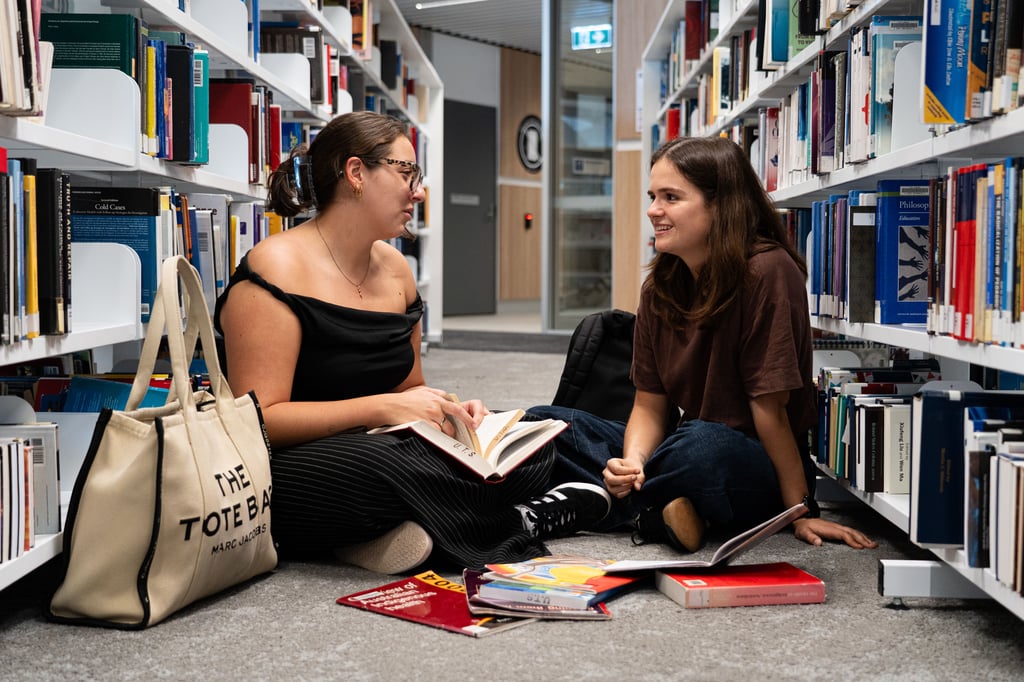
Building confidence through supportive teaching
Starting university was exciting, but also daunting. For Ellen, the thought of speaking up in class felt overwhelming. She worried about finding her voice in a new environment. What she discovered instead was a culture of collaboration and care, where tutors go beyond teaching to make students feel supported.
“I feel like everyone is on your side,” she says. “The tutors and lecturers really care about what they’re teaching, and it makes you want to engage. You get out what you put in.”
As a neurodivergent student, that support has been transformative. Some tutors reach out before semester begins to check in on her needs; others follow up after class with summaries, discussion points or extra guidance.
“One of my tutors, Matt Ryan, has been incredible,” she says. “He follows up with outlines of everything we did in class and makes sure I’m not missing anything.”
With these structures in place, Ellen’s confidence has grown.
“I didn’t always feel confident speaking in class,” she explains. “Before semester started, I worked out with my tutor that I wouldn’t be cold-called in class. Having that in place gave me the time and space to build confidence. Now I’m happy to speak up and engage with my peers and lecturers.”
Accessibility has also been key. Tutors and lecturers are responsive over email, and the informal class structure makes it easy to ask questions.
“Just knowing I can reach out and get a response so quickly makes a huge difference,” she says.
Behind the scenes, the UTS Special Communications team helps set up accommodations, liaise with professors and ensure Ellen has access to resources when she needs them.
“I don’t always use the accommodations, but just knowing they’re there is really reassuring,” she says.
“They take care of communication with professors when I’m not confident to do it myself, and that support has been amazing.”
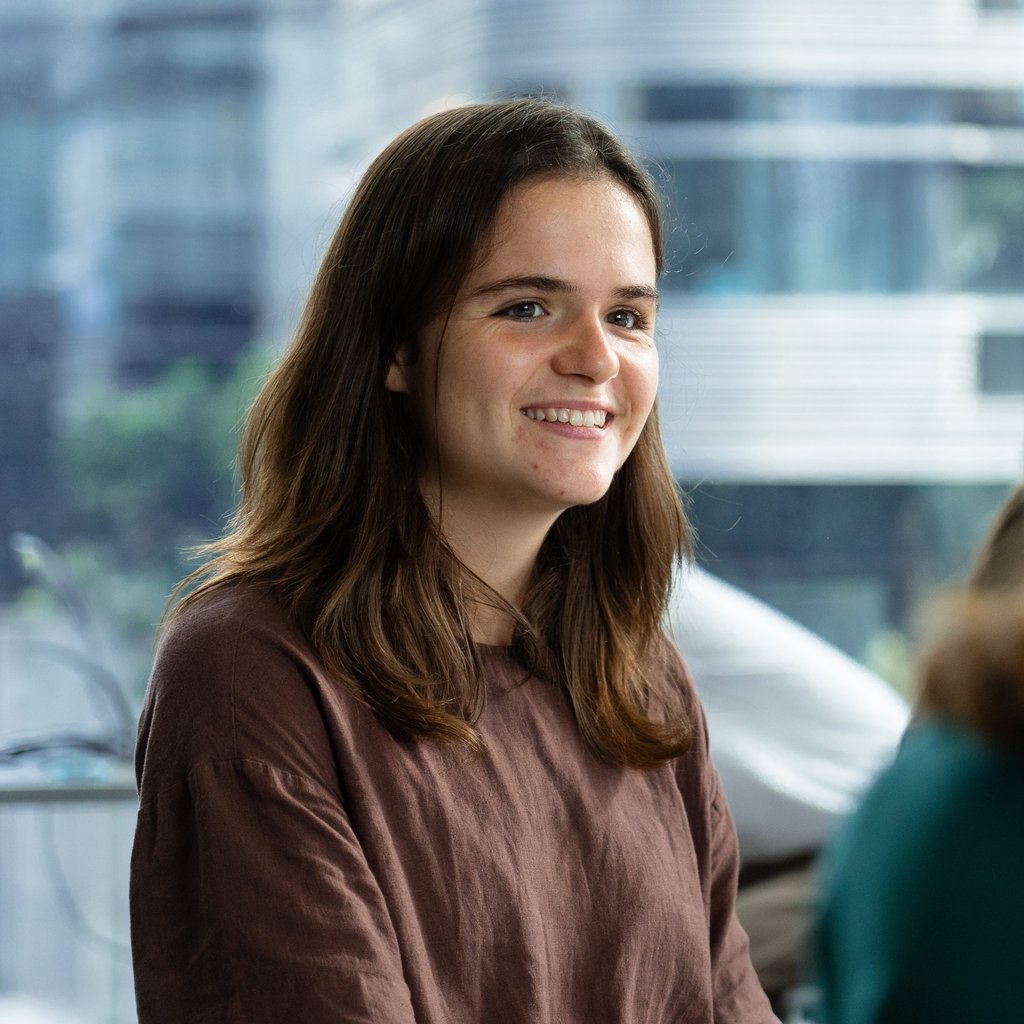
“I've been able to take on things I never imagined I'd do, and the support I've had has made me feel capable of stepping into new spaces.”
Ellen Armfield
Learning that feels real
With her confidence growing, Ellen began to embrace opportunities that pushed her learning beyond the classroom. These experiences have become the standout moments of her degree, connecting her studies to real issues.
“I had one piece that I wrote for a subject last year and I was able to get it published, which was really cool, and that was through the encouragement of one of my tutors,” she recalls.
She’s also working on a large, self-directed project in her global economies class.
“You got to choose what you wanted to work on and what you wanted to investigate, then write up a policy report. It felt very tangible and very in the field, and I really enjoyed that. I didn’t think I would like it at all,” she says.
These experiences have shown her how academic work can prepare her for real-world impact.
“You’re learning and doing work that feels relevant, the kind of work you could take into internships or advocacy roles later on,” Ellen explains.
While many of her opportunities began outside university, Ellen says her degree has helped her step confidently into advocacy and policy work.
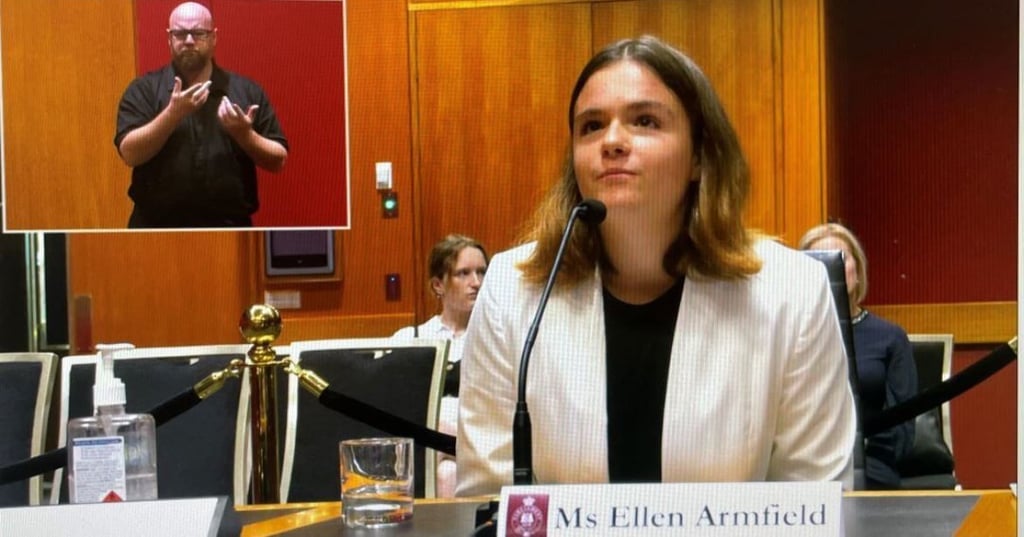
In 2023, she joined the NSW Youth Advisory Council, a group of twelve young people who help shape government understanding of youth issues. A year later, she was elected Chair.
“It was an incredible experience,” she says. “You're working directly with people in government and hearing from young people across the state.”
She's also completing an internship with the organisation Teach Us Consent, which focuses on preventing gender-based violence. There, she's been applying her research and policy skills to develop a full policy paper.
“All of that draws on what I've been learning at uni,” she says. “The degree has definitely helped me feel prepared.”
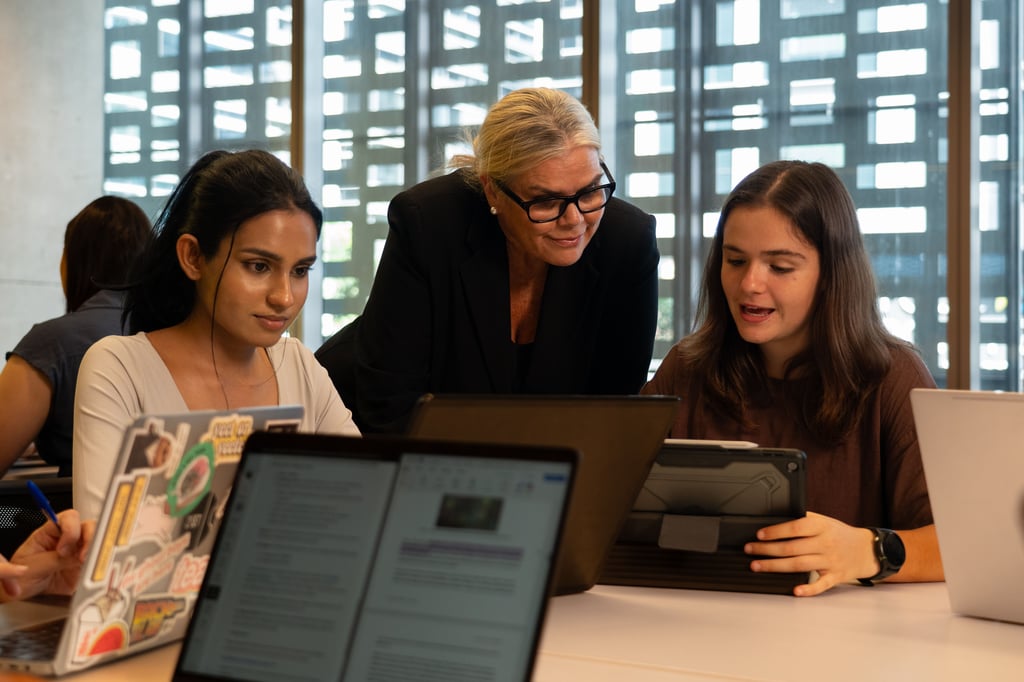
Campus life and future goals
Between classes, Ellen can usually be found tucked away in one of the quiet booths in the UTS library.
“I love the quiet levels. They're the best place to lock in and get things done.”
When she wants something more lively, she heads to the cafe in Building 6, especially for the cheap coffee. She also appreciates the everyday energy around campus.
“There are different groups and stalls set up across campus and lots of ways to join in. Staff and students are mixed together, which is really lovely."
Being part of a community of like-minded students has also enriched her experience.
“In social and political sciences, I'm working alongside people who share similar values, and in writing and publishing, I'm surrounded by other book and writing nerds. It makes a big difference.”
Ellen isn’t someone who maps out every detail of her future, but she knows she wants to keep writing, keep learning and keep working in areas that matter.
“Studying something you actually care about makes all the difference,” she says.
She also knows a communications degree can lead in many directions.
“I still don't know exactly where I'll end up, but I'm excited about exploring policy, advocacy and even further study like a master's. It feels like there are enough options to follow what I care about.”
Her degree has also shifted the way she thinks about impact.
“I'm quite a passionate person, and I can get angry about the state of the world sometimes,” she says.
“But this degree has shown me there are things you can do about it and that you can make a living out of trying to make the world a better place.”
For Ellen, bringing together creative study, policy work and consistent academic support has helped her picture a future that feels both meaningful and achievable.
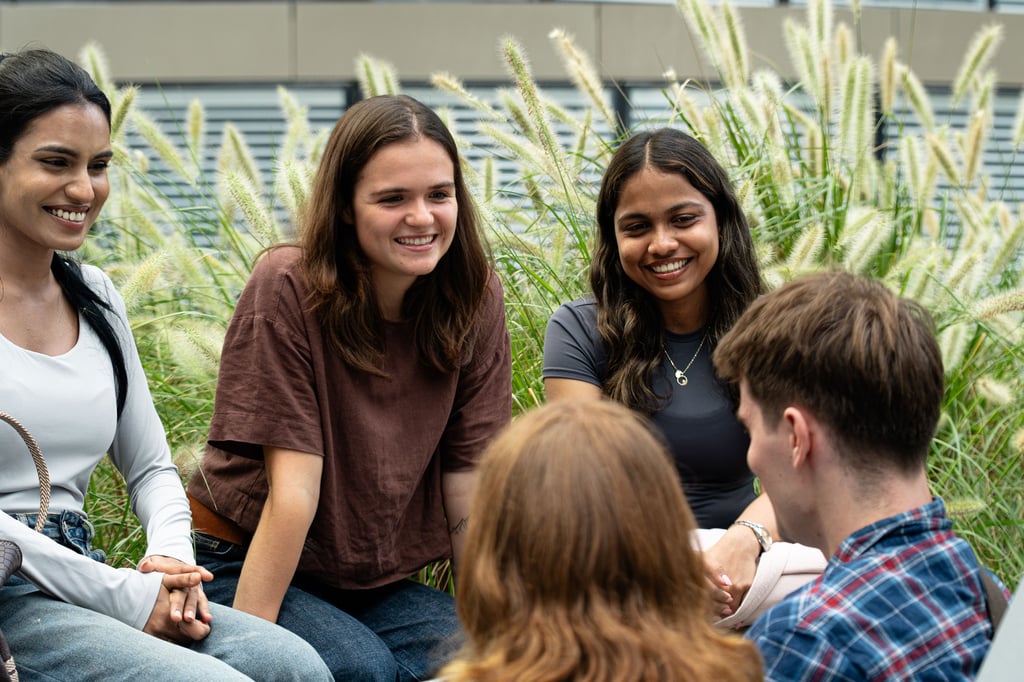

Webpage
Why communication matters and simple ways to get better at it
Want your ideas to make an impact? Dr Joshua Pate reveals why communication is key and how to get better at it.
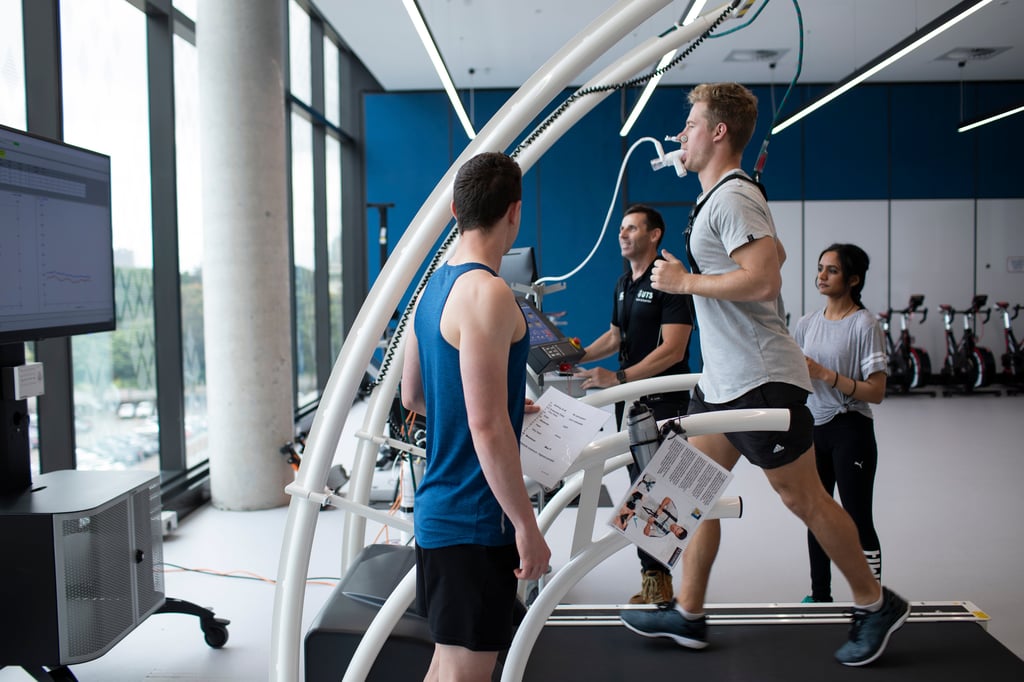
Webpage
What it’s really like to be a sports scientist
Associate Professor Blake McLean shares what sports scientists do, where they work and the skills it takes to help athletes perform at their best.

Webpage
How to study like an elite athlete
Associate Professor Blake McLean, sports scientist and Director of the High Performance Sport program at UTS, shares five lessons students can learn from elite...
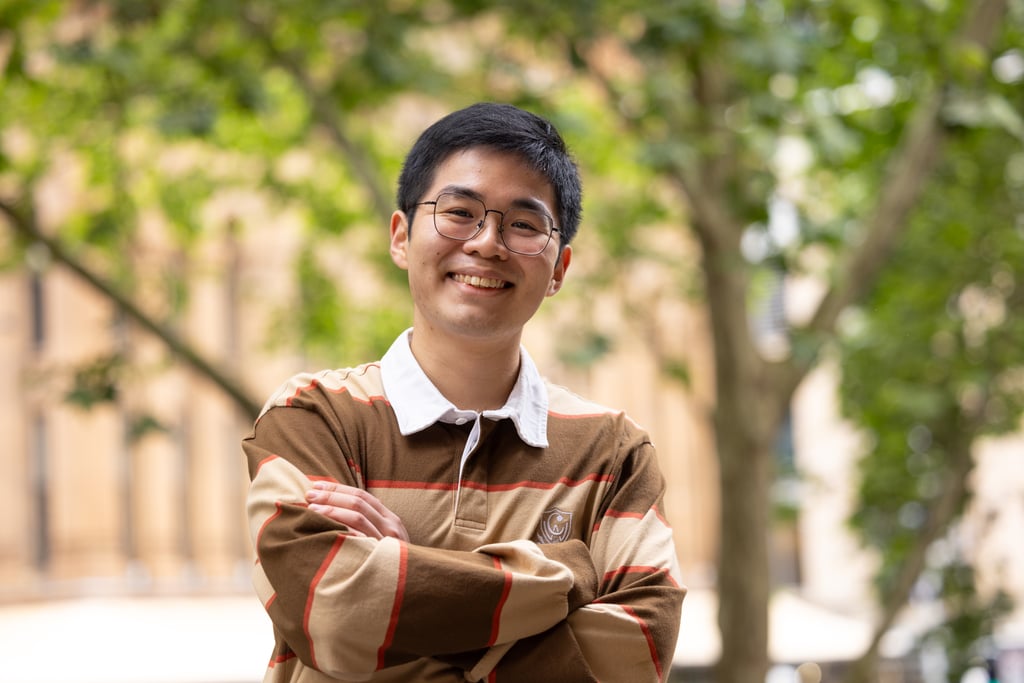
Webpage
Making the most of university... one yes at a time
When Leon arrived at UTS, he didn't have a detailed career plan. What he did have was curiosity, an open mind and a willingness to say yes to opportunities.
Webpage
Why communication matters and simple ways to get better at it
Want your ideas to make an impact? Dr Joshua Pate reveals why communication is key and how to get better at it.
Webpage
What it’s really like to be a sports scientist
Associate Professor Blake McLean shares what sports scientists do, where they work and the skills it takes to help athletes perform at their best.
Webpage
How to study like an elite athlete
Associate Professor Blake McLean, sports scientist and Director of the High Performance Sport program at UTS, shares five lessons students can learn from elite...
Webpage
Making the most of university... one yes at a time
When Leon arrived at UTS, he didn't have a detailed career plan. What he did have was curiosity, an open mind and a willingness to say yes to opportunities.