


From projects to internships, here’s how practical learning comes to life at UTS.
In your search for the right course or university, you have likely come across the term ‘practical learning’ quite a bit. But practical learning is more than just a buzzword; it means getting hands-on and highly relevant experience from day one. Whether you’re solving real-world problems, analysing data, creating prototypes or working with industry professionals, practical learning puts theory into action throughout your degree.
At UTS, practical learning is part of how courses are designed. You will combine classroom study with real-world projects, internships, competitions and other opportunities to build skills that matter. This approach helps you gain the confidence and networks you need, whether you want to start your own business, join an organisation or continue learning.
Here are five ways practical learning comes to life at UTS:
Internships
Internships aren’t optional extras – they are part of your degree. They give you the chance to explore different career paths, discover what you enjoy (and what you’re good at), build professional networks and develop the skills employers actually want.
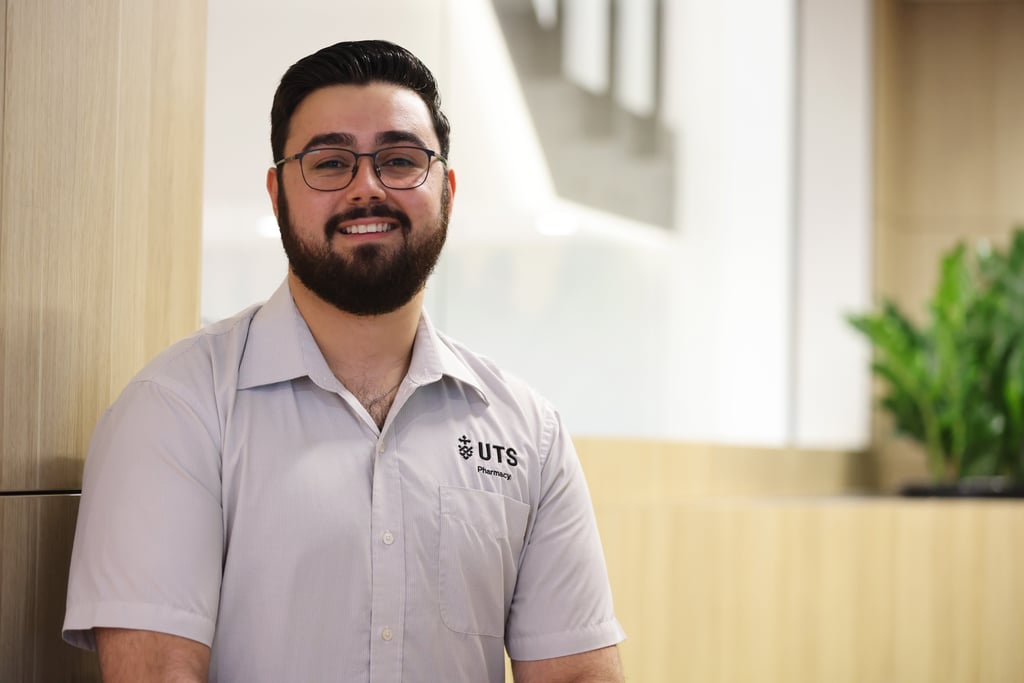
For Master of Pharmacy student Daniel Issa, practical experience began in his first year with weekly placements at a community pharmacy.
“After finishing the placement in October, they called me in January to offer me a job – I still work there now,” he shares.
He later secured a hospital pharmacy role at Shoalhaven Hospital through UTS’s community pharmacy page: “I applied, interviewed and now I have experience in the field I want to build a career in before graduating.”
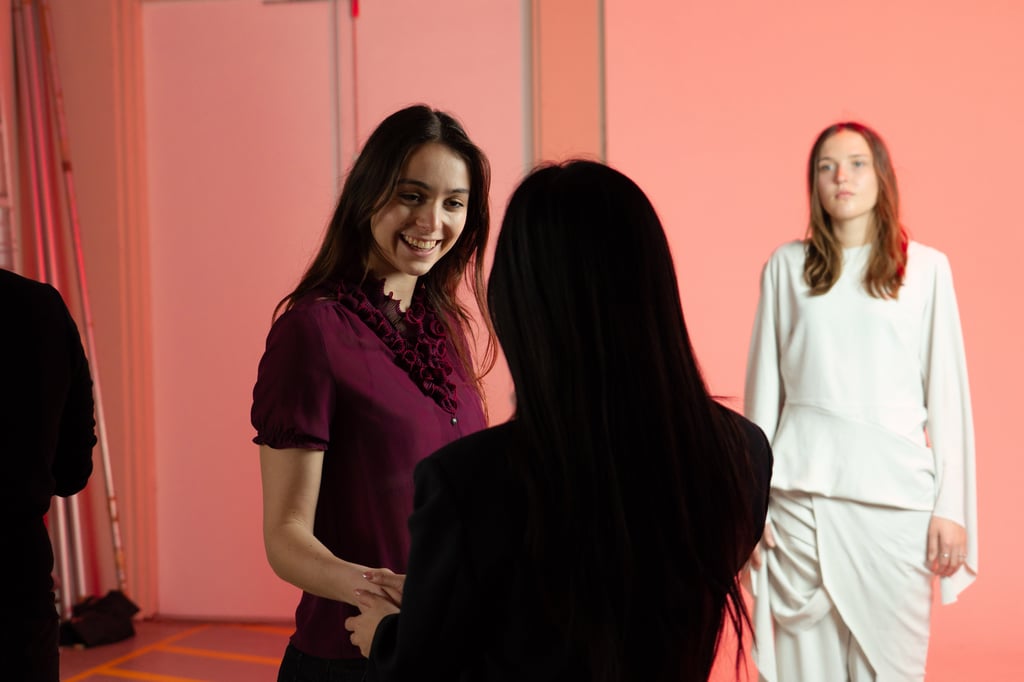
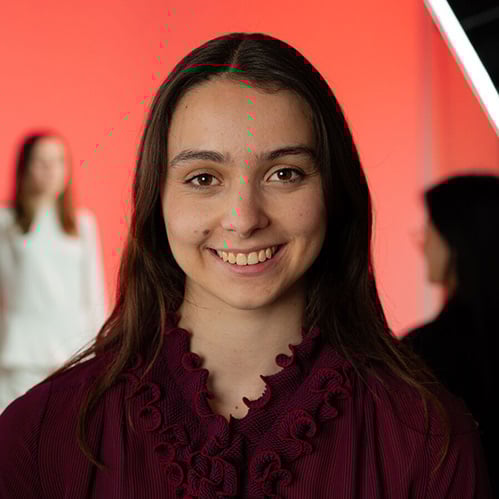
Fashion and Textiles student Peta Sternaras found internship opportunities through UTS Careers, securing a placement with leading fashion label Camilla and Marc. This hands-on experience is helping her build confidence and apply what she’s learned in class to a professional design environment.
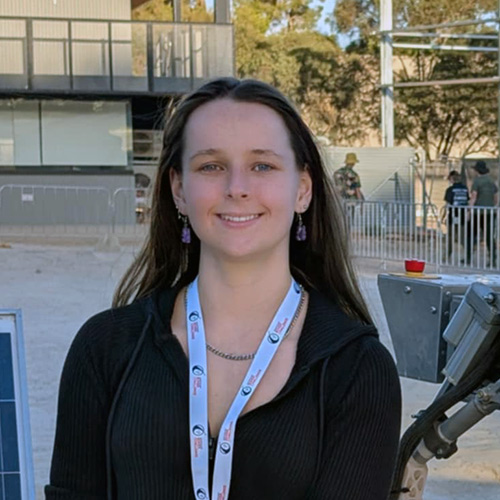
Issy Pitt, a recent Engineering (Mechatronics) and Chemistry graduate, secured a part-time internship with Reach Robotics after submitting multiple applications. There, she helped develop underwater robotic arms – experience that helped her land a role with Raytheon Australia before finishing her degree.
Real-world projects with real impact
At UTS, you won’t just study problems – you will help solve them. Projects and assessments reflect industry practice and often address pressing social or environmental challenges.
Daniel recalls how his practical pharmacy training translated directly to real-world scenarios.
“I’d learn something at uni and that night a patient would come in with the exact same scenario – it happens all the time,” he explains.
The Master of Pharmacy program includes role-playing exercises where students practice being both pharmacist and patient throughout the degree.
“Most classes include practical scenarios, so when you enter practice, you already know what to say and how to approach patients,” Daniel says.
One memorable assessment was his final exam: “The professor played the patient, and I had to review all their medications, ask questions, decide if we needed to call the doctor – you learn the whole process from start to finish.”
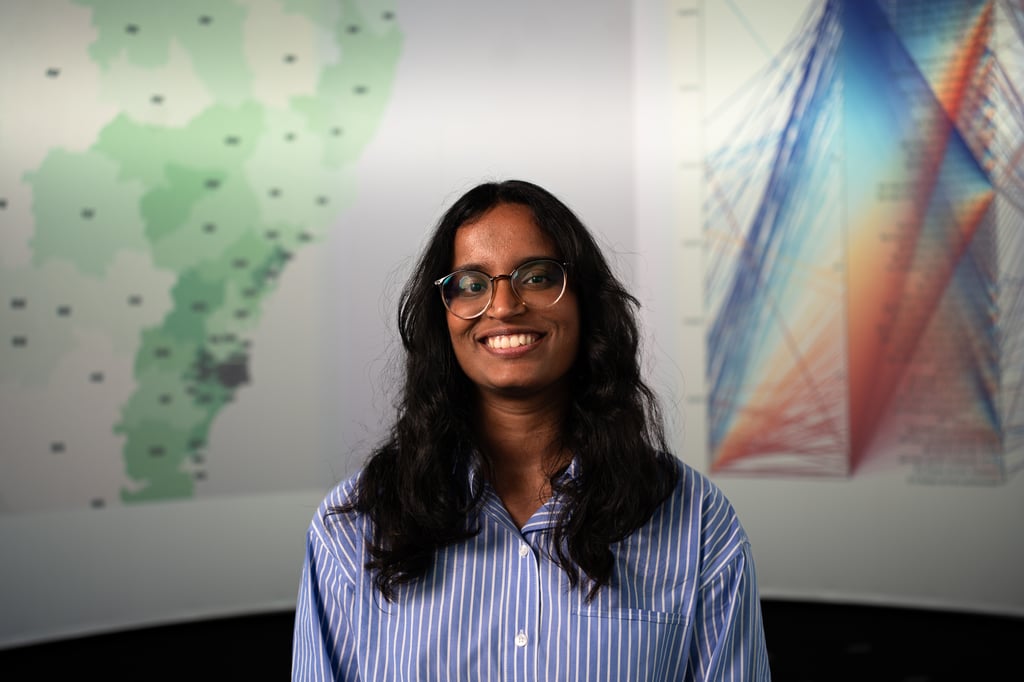
For Master of Data Science and Innovation graduate Akshaya Parthasarathy, the program’s Innovation Lab (iLab) component was a standout. iLab pairs students with industry partners to tackle real data challenges. Akshaya’s team were tasked with building a pay calculator for an organisation helping people check if they were being paid correctly under Australia’s complex casual pay rules.
“It was like an internship within the program, but you don’t have to go through the trials and tribulations of finding one. You’re given the opportunity on a silver platter – all you need to do is work hard and do a good job,” she says.
What started as creating a calculator soon evolved into something bigger.
“We got so invested that after creating the tool, we pitched them an entire marketing campaign. We were creating socials, making posts and memes – it felt like our baby by the end.”
Their enthusiasm paid off when the team was awarded Best Project.
Issy’s capstone project combined her mechatronics and chemistry skills to design soft robotic structures.
“I used chemistry to understand the materials’ properties, then applied engineering to create the robot’s design.”
This project showed her how two different disciplines can come together to solve complex problems – a valuable insight as she prepares for her career.
Industry-connected classes
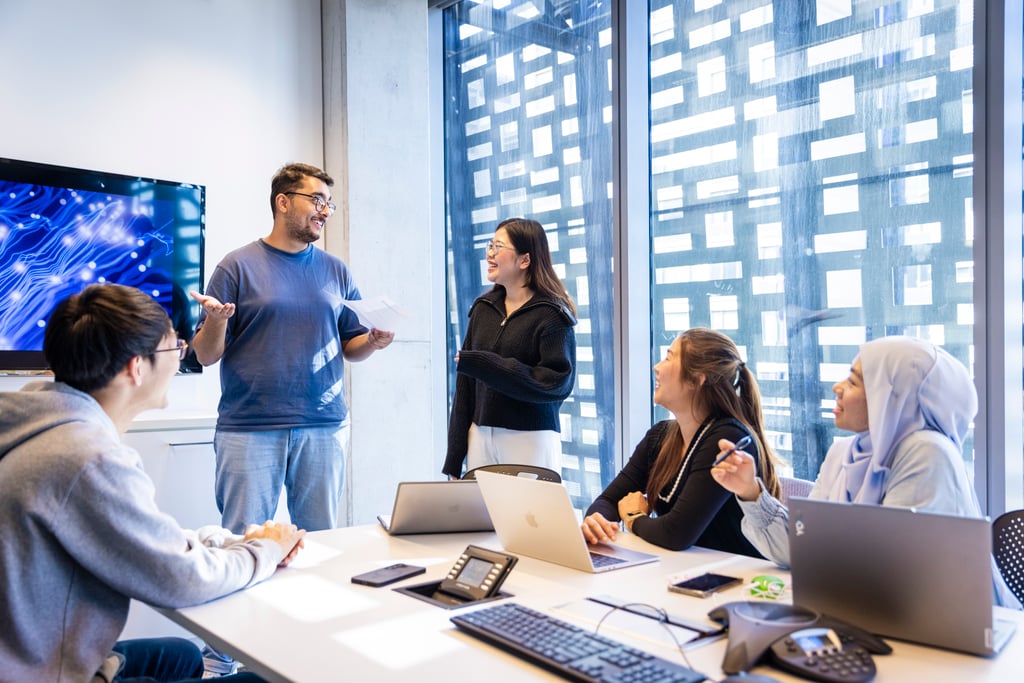
You don’t have to wait until the end of your degree to build industry connections. UTS brings industry into the classroom through academics with professional experience, guest lectures, real-world challenges and collaborative workshops.
Daniel was particularly impressed by the expertise of his lecturers.
“We have professors who are so good. In particular, Associate Professor Helen Benson has worked as a pharmacist in different countries and even in the military,” he shares.
The program also brings in guest lecturers from industry, including representatives from pharmaceutical companies and professional associations.
“The Pharmaceutical Society of Australia came in a couple of times and explained pharmacy agreements and how the pharmacist’s scope is expanding,”
Daniel also recalls a lecture from an expert at La Roche-Posay.
“He explained how their products help cancer patients manage dermatological side effects from chemo – it went way beyond just acne care.”
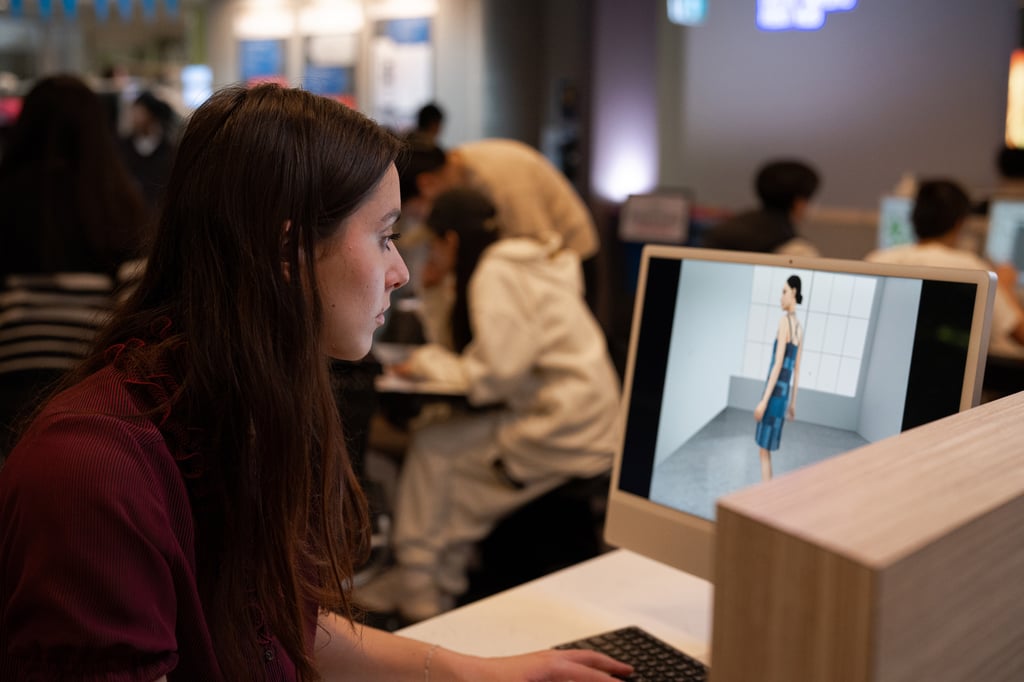
Peta found a session on CLO 3D, a digital prototyping tool used by brands like Hugo Boss, especially valuable, as it helped her see the real-world relevance of her learning right away.
Across all subjects, students tackle current industry challenges, explore emerging technologies, and work on solutions that focus on social justice and sustainability. Every subject encourages students to think about how they can make a difference, no matter their field or future role.
Clubs, societies, competitions and events
Learning at UTS goes beyond the classroom. Through clubs, societies, competitions and co-curricular programs, you can develop leadership, teamwork and communication skills while building strong networks.
UTS offers more than 180 student-run societies from Women in STEM, to Design Society and UTS Esports.
You can also take part in various competitions, from innovation and entrepreneurship challenges to engineering, sustainability, business case and data analytics challenges. These give you chances to test skills, get feedback from industry and build real-world portfolios.
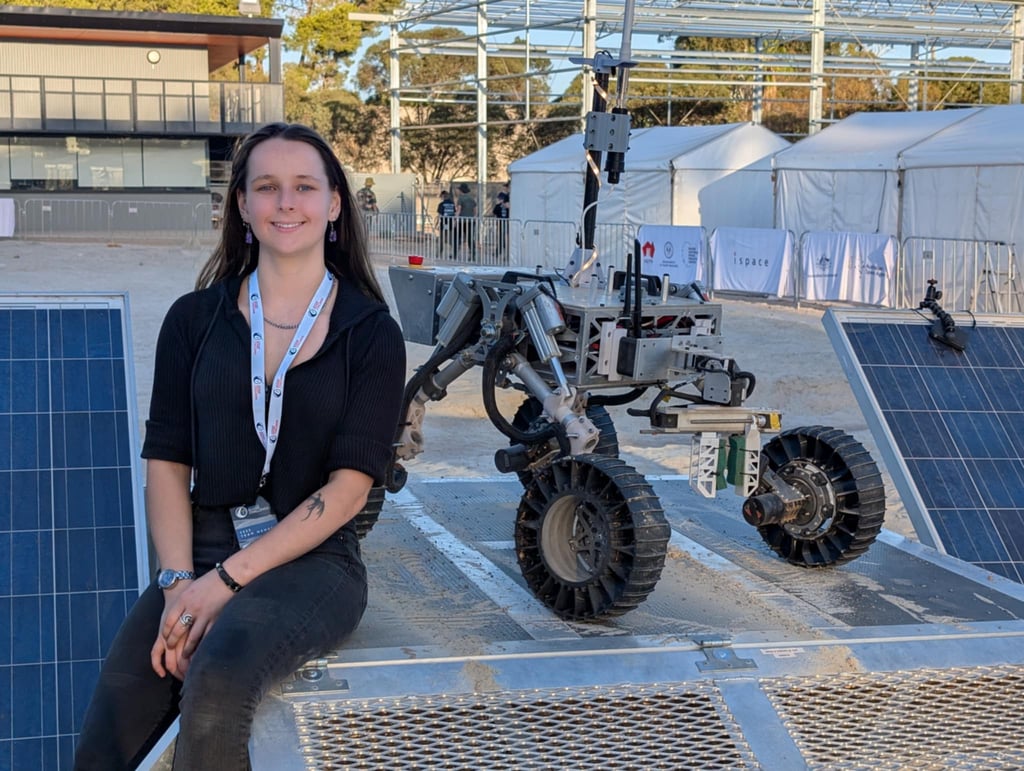
Issy has been a standout leader in the UTS Rover Team, designing and building semi-autonomous rovers for national competitions. She progressed from team member to science lead and project lead, managing design reviews, technical feedback and admin coordination.
UTS also takes part in events like SXSW Sydney, Climate Action Week, Sydney Film Festival and VIVID, giving students chances to learn, collaborate, innovate and lead change.
Cutting-edge technology and innovation spaces
UTS has some of Australia’s most advanced university facilities, giving you hands-on experience with the tools shaping your industry.
Fashion and textiles students learn in specialised studios and sewing rooms, gaining experience with a wide range of professional machinery that supports efficient, industry-standard garment construction. They also use digital tools like CLO 3D for virtual prototyping and industry-only platforms like WGSN for trend forecasting.
Pharmacy students use industry-standard dispensing software from their first semester.
“We practised on simulated software to learn how to handle scripts, identify legal issues and fix them before dispensing on FRED. It’s a controlled environment where you can take your time learning – because real-world dispensing can be complicated,” says Daniel.
Depending on what you study, you will have access to facilities such as:
- Advanced Fabrication Research Laboratory
- ProtoSpace: Advanced additive manufacturing or 3D printing for rapid prototyping.
- Science Super Lab
- Tech Lab
- Coral Room Lab
- Moore Park Exercise Science facilities
- Data Arena: An immersive data visualisation environment
- Robotics Lab
- Health clinical simulation labs
- UTS Startups
These are just a few spaces where students can test ideas, make prototypes and build their portfolios to stand out in competitive job markets.
At UTS, practical learning starts on day one. Whether you’re pitching to industry, building an app, helping out in your community or working with advanced technology, you will graduate with the skills, confidence and experience to make an immediate impact.
Featured students

Master of Pharmacy
Bachelor of Design in Fashion and Textiles
Bachelor of Engineering Bachelor of Science

Master of Data Science and Innovation
Webpage
Why communication matters and simple ways to get better at it
Want your ideas to make an impact? Dr Joshua Pate reveals why communication is key and how to get better at it.

Webpage
What would housing as a human right mean for students?
Professor Jessie Hohmann, a human rights lawyer at UTS, explains the right to housing and what recognising it in Australian law could mean for students’ study,...
Webpage
How Freddy found her voice and helped create a more inclusive uni
Frederikke Thorup spent years wondering why she didn’t fit in. As a student disability advocate at UTS, she’s finally found her place.
Webpage
What it’s really like to be a sports scientist
Associate Professor Blake McLean shares what sports scientists do, where they work and the skills it takes to help athletes perform at their best.
Webpage
Why communication matters and simple ways to get better at it
Want your ideas to make an impact? Dr Joshua Pate reveals why communication is key and how to get better at it.
Webpage
What would housing as a human right mean for students?
Professor Jessie Hohmann, a human rights lawyer at UTS, explains the right to housing and what recognising it in Australian law could mean for students’ study,...
Webpage
How Freddy found her voice and helped create a more inclusive uni
Frederikke Thorup spent years wondering why she didn’t fit in. As a student disability advocate at UTS, she’s finally found her place.
Webpage
What it’s really like to be a sports scientist
Associate Professor Blake McLean shares what sports scientists do, where they work and the skills it takes to help athletes perform at their best.