


Yuka found a sense of belonging at UTS from the start, thanks to its inclusive learning environment.
When Yuka Maruyama first encountered the world of interaction design, she was a high school student visiting a university in Spain.
Yuka met a student who introduced her to beautifully crafted slides and a powerful idea: design and technology working hand in hand to shape how we experience the world. That single moment sparked a passion that would eventually lead her across the globe.
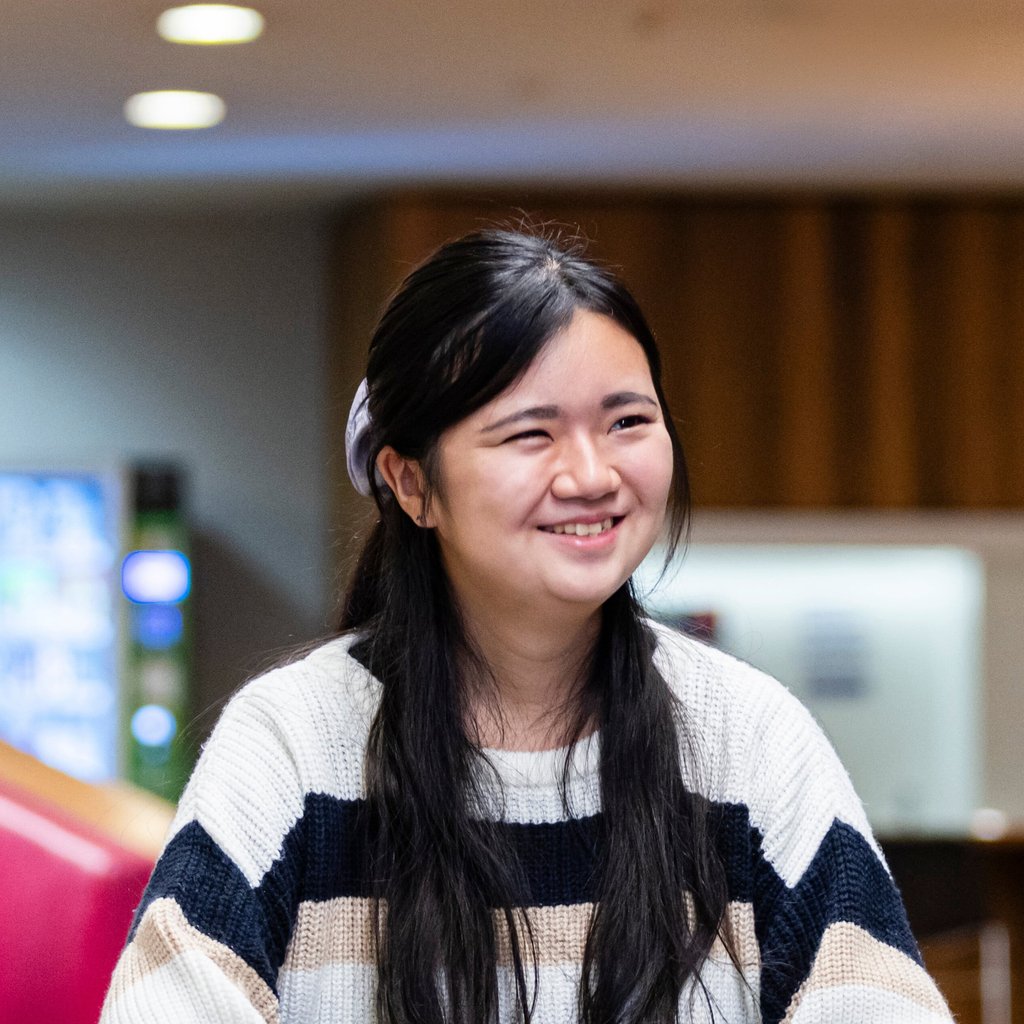
“No one sees my disability as a limitation. I do everything other students do, and the ActivateUTS team is like my family in Sydney.”
Yuka Maruyama
Now a Master of Interaction Design student at UTS, Yuka is immersed in a learning environment that’s exactly what she hoped for: practical, hands-on, and deeply human.
“Every subject is project-based and really fun,” she says. “I’ve designed so many different products, and everything feels worth the tuition – even as an international student,” she laughs. “This truly is the best course for me.”
A campus where you belong
Originally from Japan, Yuka felt a sense of belonging at UTS from the onset. As a deaf student, accessibility mattered. UTS ensured she had an inclusive learning environment; she had captioners, interpreters, and tools tailored to her needs, not just in class, but across campus life.
“At my old uni, I had to pay for these services myself. At UTS, they always ask what I prefer and make it work for me. They even organised captions at the volunteer awards night!” she says.
“No one sees my disability as a limitation. I do everything other students do, and the ActivateUTS team is like my family in Sydney.”
Redesigning the future, for everyone
The UTS learning is always paired with doing. Yuka appreciates all the real products she’s built, the prototypes she’s developed, and the problems she’s tackled and solved, issues that matter. This applied learning, guided by academics who are researchers and practitioners, have helped her turn her curiosity into capability.
“When I took a Human-Centered Design Research Methods unit, I realised I didn’t just want to design, I wanted to create change. I started asking what other course should I study to create this change? I decided to pursue a PhD,” she explains.
With the support of her UTS lecturer, Elise van den Hoven, Yuka is now developing a PhD proposal to design inclusive, Augmented Reality - based learning tools for children with disabilities in developing countries. Her thesis work will focus on using AR to help children in Cambodia learn English. But her motivation is deeply personal.
“When I met a 10-year-old deaf boy in an Indian slum who couldn’t read, write, or sign, I realised how privileged I am to have had access to language.”
Why UTS?
For Yuka, UTS isn’t just a place to learn, it’s where she discovered the intersection of purpose and practice. Where she realised that being a designer, a researcher, and a changemaker isn’t just possible, it’s supported, encouraged, and expected. She also found community. Through ActivateUTS, the UTS Dance Society, Women in Engineering and IT (WiEIT), and the Wellbeing Reps program, she connected with friends, mentors, and purpose.
“I feel like at UTS, learning is more than acquiring knowledge, it’s about creating an impact.”

Make your IDeA application stand out
8 practical tips to make your application stand out for the Industry Degree Academy cadetship.

Building experience while studying
Kai is building real-world tech experience through the UTS IDeA cadetship, gaining skills, confidence and career direction from day one.
From cadetship to cyber law
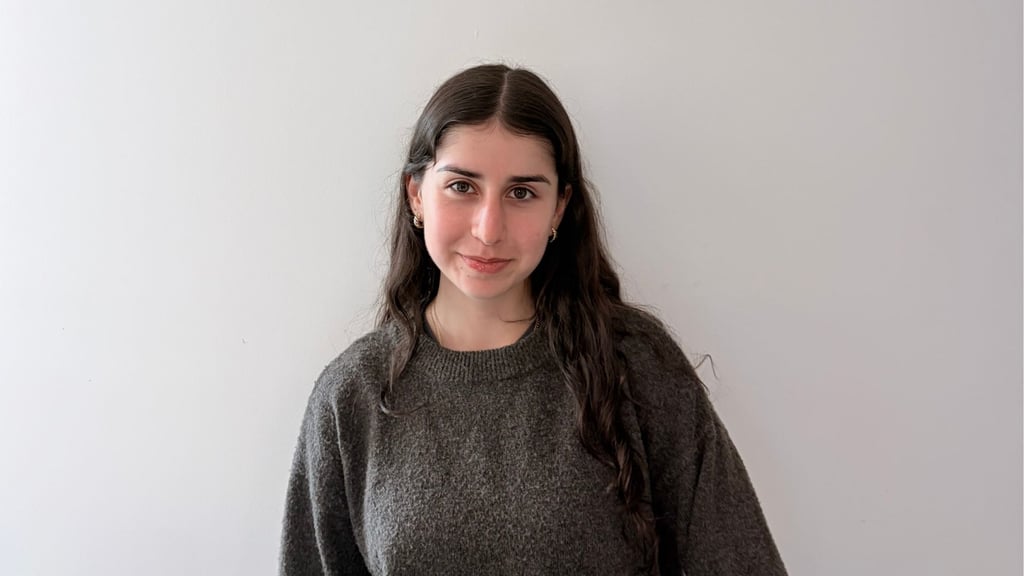
Cybersecurity student Na’ama shares how a UTS cadetship and work at NSW Premier’s Department shaped her path into cyber law and future goals

Why a cybersecurity cadetship at UTS?
Shaqayeq is already working in the cybersecurity field, monitoring cyber threats and responding to real incidents
Make your IDeA application stand out
8 practical tips to make your application stand out for the Industry Degree Academy cadetship.
Building experience while studying
Kai is building real-world tech experience through the UTS IDeA cadetship, gaining skills, confidence and career direction from day one.
From cadetship to cyber law
Cybersecurity student Na’ama shares how a UTS cadetship and work at NSW Premier’s Department shaped her path into cyber law and future goals
Why a cybersecurity cadetship at UTS?
Shaqayeq is already working in the cybersecurity field, monitoring cyber threats and responding to real incidents