


Engineering for good
We help community-focused partners turn bold ideas into real-world solutions. Our low-bono model makes R&D more accessible for organisations without in-house technical teams or the budget to develop technology-led innovation.
Access our world-class team of engineers, UX specialists, software developers and project managers, and benefit from the facilities, tools and research expertise of the broader UTS innovation ecosystem.
20+
Organisations supported on a low bono basis
30+
Rapido Social Impact projects delivered
#1
Australian NFP Technology Awards
Winner in 2023, Finalist in 2021

“Social Impact is a core UTS value, and through UTS Rapido, we turn that commitment into action. Social change doesn’t happen in isolation. Meaningful relationships are essential to the transformational change we hope to see.”
Hervé Harvard
Founding Executive Director, UTS Rapido | Head, Research Translation and Impact, UTS
Social impact showcase: Gender Legislative Index
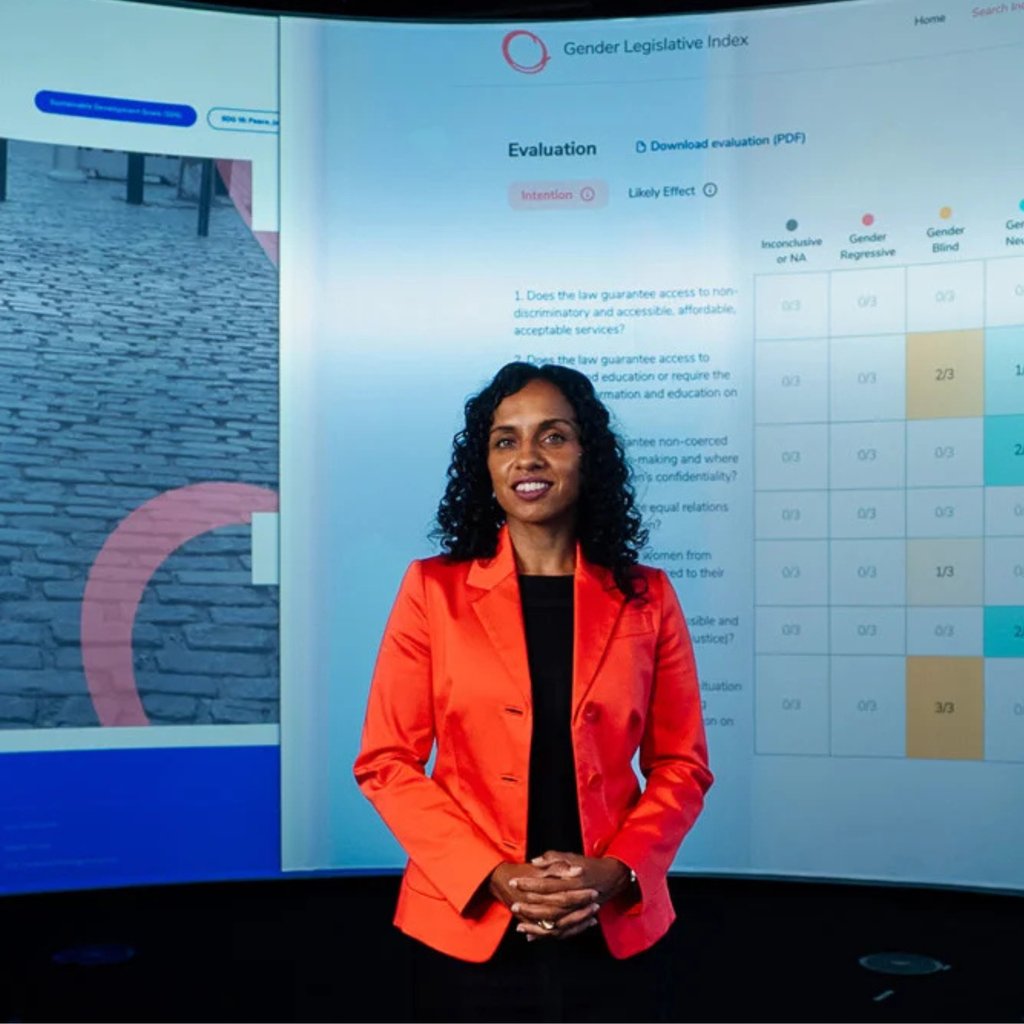
What is the Gender Legislative Index? The Gender Legislative Index (GLI) ranks and scores legislation against global standards for women's rights, highlighting the law's power to deliver concrete change when it's designed to work for women from the outset. It seeks to get the law right the first time, rather than invest in poor or average legislation that later needs amending.
It was developed by Professor Ramona Vijeyarasa in collaboration with UTS Rapido Social Impact and the UTS Connected Intelligence Centre. The GLI combines human evaluators with a machine-learning algorithm to assess how well domestic laws respond to the different needs of men, women and non-binary people.
| Read the GLI case study | Read GLI's latest news |
|---|
How Rapido Social Impact works
Hear from our clients:

“It's crucial for us to partner with leading tech experts to enhance the adoption and efficiency of tools designed to significantly diminish modern slavery. This collaboration with UTS Rapido is helping us deliver impactful solutions.”
Nicholas Bernhardt
CEO, Informed 365

“I wanted to create an index that would help activists on the ground push for reforms to laws in ways that address inequality suffered by women.”
Professor Ramona Vijeyarasa
UTS Chair in Gender and the Law | Founder of the Gender Legislative Index

“UTS has set a benchmark for NFP technological support that now challenges other universities to come to the party.”
Natalie Zelinsky
Founder Director, StreetKind

“This project will improve the Custody Notification Service’s efficiency. The platform generates data to improve responses to the needs of Aboriginal people in the criminal justice system and enables longer-term planning for support and wraparound services.”
Thalia Anthony
UTS Law Professor and Aboriginal Legal Services lead
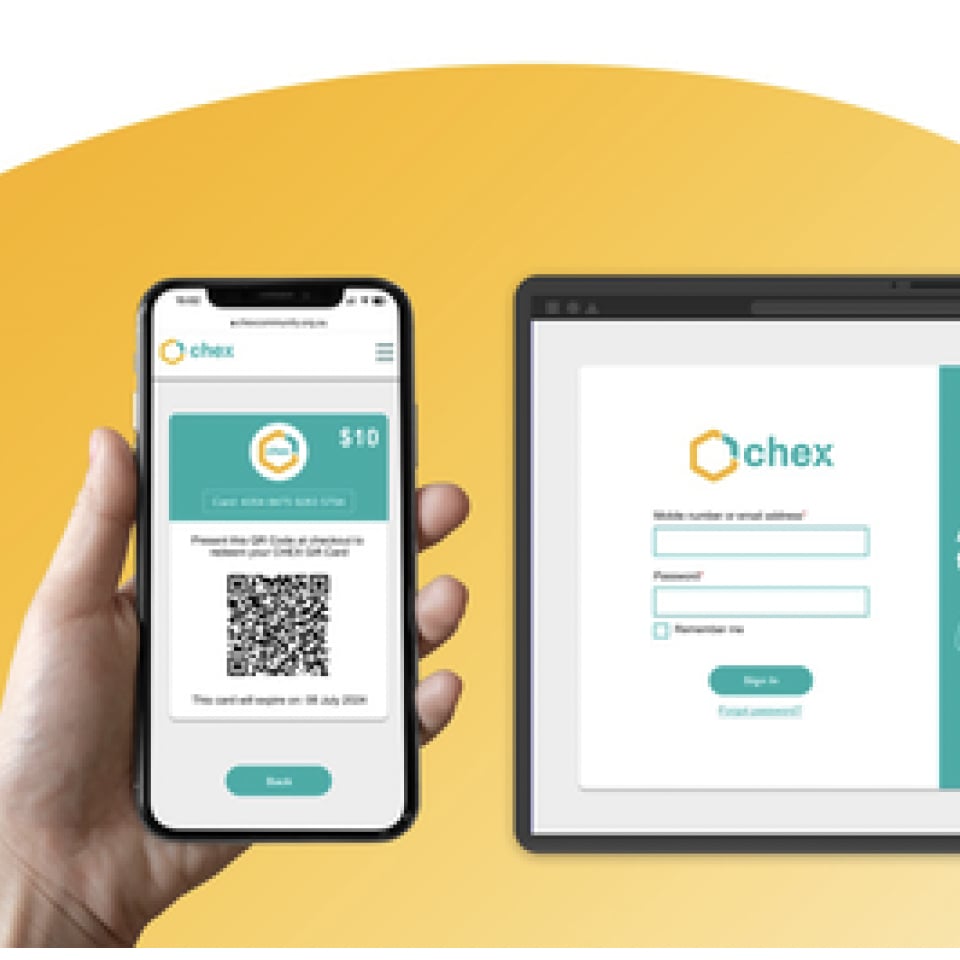
CHEX Digital Currency
Thanks to a partnership with R&D innovation hub UTS Rapido, CHEX Community Currency is about to go digital – and the transformation of this once-humble...

The Gender Legislative Index
The law has the power to deliver concrete change to fulfil women’s rights, but we’ve lacked a set of global standards to assess and score laws on their ability...
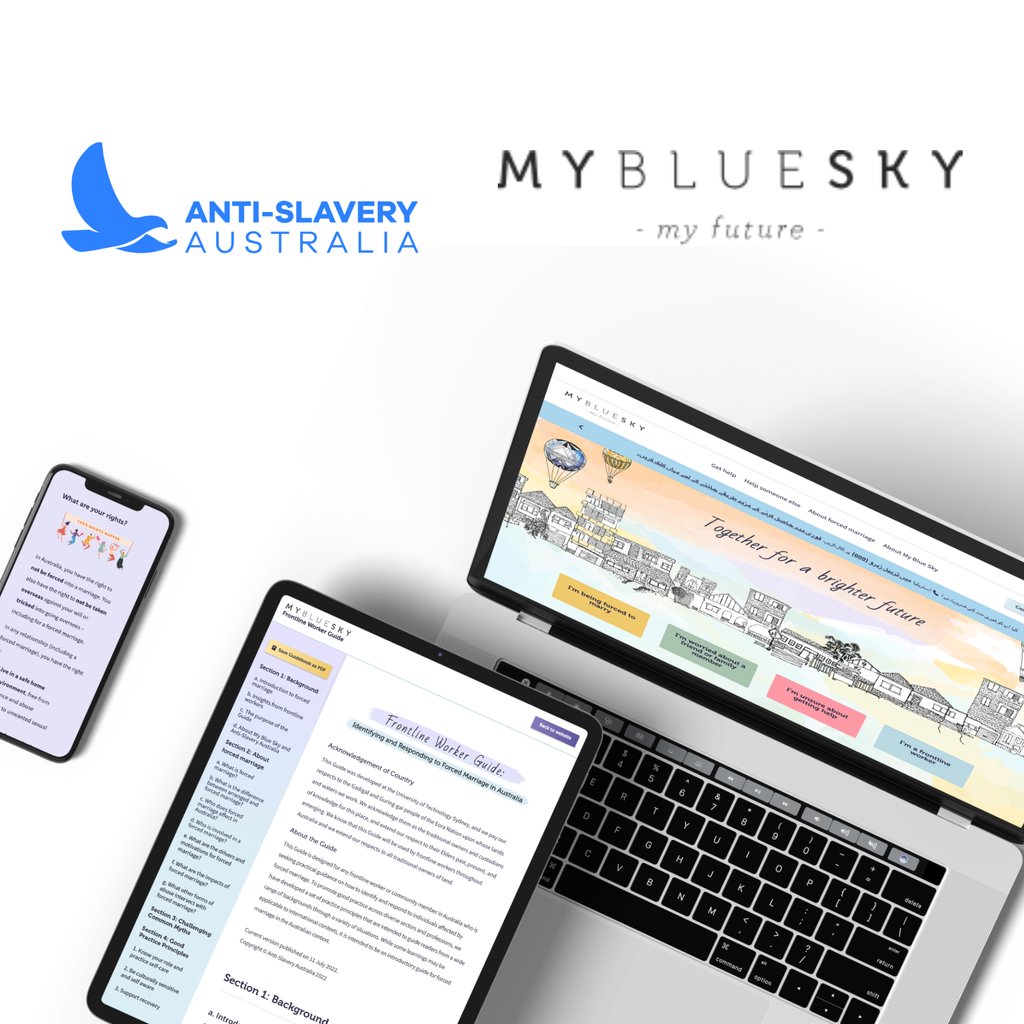
My Blue Sky
Anti-Slavery Australia, a specialist legal and research centre within the UTS Faculty of Law, has run My Blue Sky, Australia's national forced marriage support...

PolySpine
A collaboration between UTS Rapido and Australian start-up PolySpine is transforming the lives of people with moderate to severe physical disability, opening...
CHEX Digital Currency
Thanks to a partnership with R&D innovation hub UTS Rapido, CHEX Community Currency is about to go digital – and the transformation of this once-humble...
The Gender Legislative Index
The law has the power to deliver concrete change to fulfil women’s rights, but we’ve lacked a set of global standards to assess and score laws on their ability...
My Blue Sky
Anti-Slavery Australia, a specialist legal and research centre within the UTS Faculty of Law, has run My Blue Sky, Australia's national forced marriage support...
PolySpine
A collaboration between UTS Rapido and Australian start-up PolySpine is transforming the lives of people with moderate to severe physical disability, opening...