


Delivering Research Impact
Accelerating the translation of academic research into real-world outcomes is a natural progression for us. We support researchers to move beyond discovery into development, deployment and impact. UTS Rapido supports research translation by providing the engineering and digital capability to turn research into practical, scalable solutions. Our expertise focuses on business model scaling and wide commercial adoption.
Partners in Translation
As part of an applied R&D innovation hub partnering with industry, government and academia, we speak the language of business, not just research. We understand the pace, pressures and practical realities of commercial R&D because we've worked in it ourselves.
Our engineers, software developers, UX specialists and project managers work alongside UTS researchers to scope, manage and deliver innovation tailored to real-world needs.

“We work with researchers who are ready to take the next step, turning validated insights into usable technology.”
Hervé Harvard
Founding Executive Director, UTS Rapido | Head, Research Translation and Impact, UTS
What TRL levels do we support?
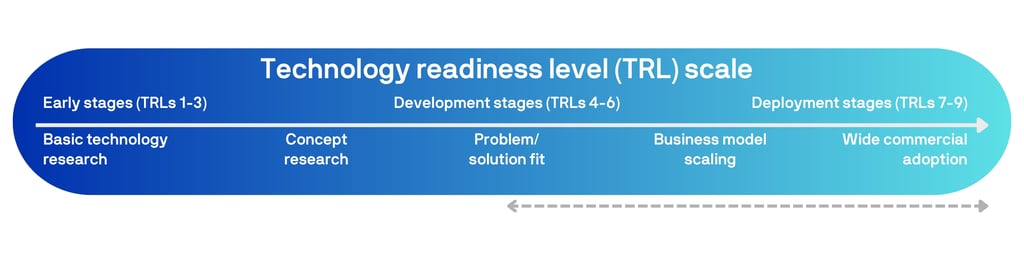
Technology Readiness Levels (TRLs) are a globally recognised scale used to assess how close a technology is to being deployed in the real world. UTS Rapido supports research translation from mid to high TRL levels, helping researchers move from proof-of-concept to pilot-ready solutions. Whether you're preparing for clinical trials, market entry, or licensing, we ensure your innovation is built for use, not just theory.
Early stages, TRL 1–3:
- Research and theoretical work, often lab-based.
UTS Rapido typically supports the following TRL stages:
Development stages, TRL 4–6:
- Proof of concept and prototype development in simulated, or real environments.
Deployment stages, TRL 7–9:
- Demonstration, validation and full-scale implementation in operational settings.

“Our collaboration with UTS focuses on digital innovation, research translation, and workforce development. We leverage complex algorithms and digital twins to advance the industry.”
Jenaro Sanchez
Chief Technology Officer, Navantia Australia

“Having a tool that can assist in classifying and performing a risk assessment of AI technologies will support the adoption of AI solutions by health care organisations and health care providers, ultimately leading to better health outcomes for consumers.”
Sam Peascod
Assistant Secretary, Digital and Service Design, Department of Health and Aged Care

“By combining research leadership, delivery capability and community insight, this partnership has translated a complex challenge into a practical, scalable solution. It will contribute to strengthen how inclusive research is applied in practice across Australia.”
Dr. Helene Kammoun
Health Research For All Project Lead, Murdoch Children’s Research Institute
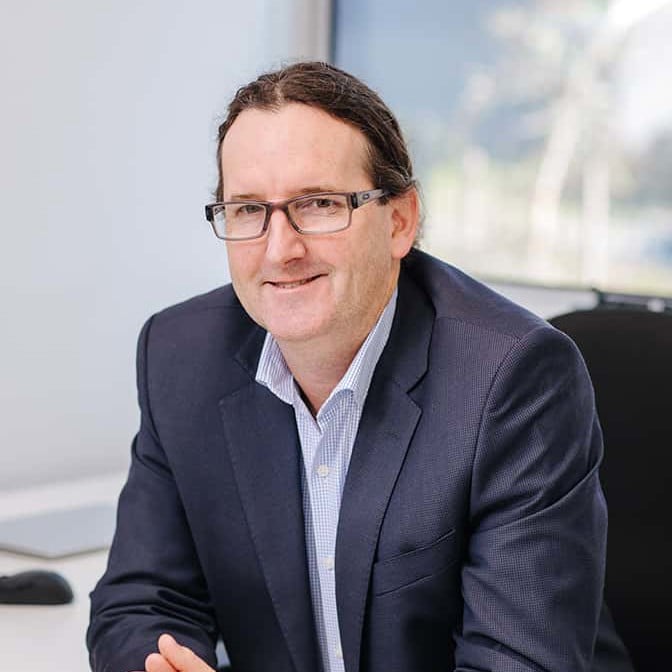
“As a start-up, we knew we had to tap into the research ecosystem to access the skills and resources we didn't have in-house.”
Byron Kennedy
Co‑founder and CEO, SPEE3D
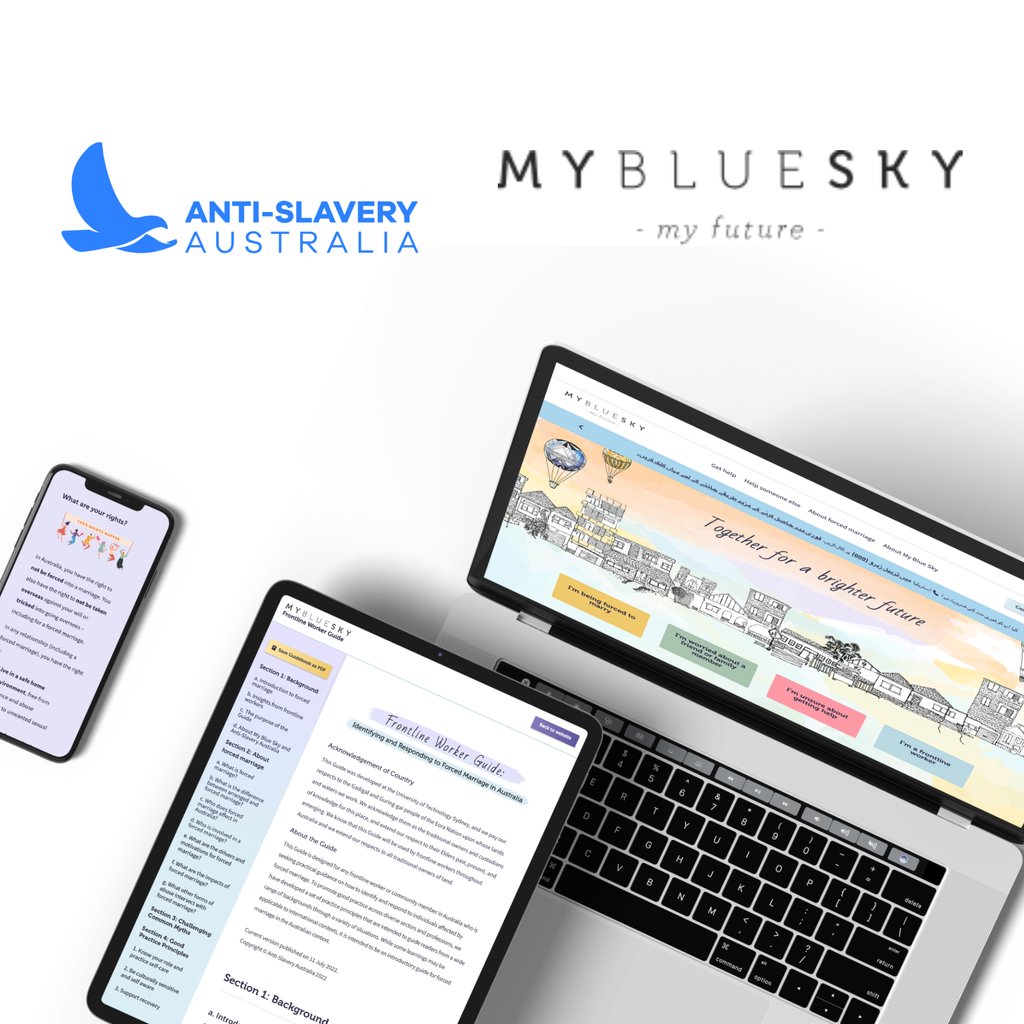
My Blue Sky
Anti-Slavery Australia, a specialist legal and research centre within the UTS Faculty of Law, has run My Blue Sky, Australia's national forced marriage support...

The Gender Legislative Index
The law has the power to deliver concrete change to fulfil women’s rights, but we’ve lacked a set of global standards to assess and score laws on their ability...

Informed 365
In an era where corporate social responsibility is at the forefront of consumer minds, the partnership between Informed 365 and UTS Rapido sets a new standard...

Mineral Technologies
Mineral Technologies partnered with UTS Rapido to overcome production challenges in manufacturing gravity spiral separators. Using advanced 3D printing, they...
My Blue Sky
Anti-Slavery Australia, a specialist legal and research centre within the UTS Faculty of Law, has run My Blue Sky, Australia's national forced marriage support...
The Gender Legislative Index
The law has the power to deliver concrete change to fulfil women’s rights, but we’ve lacked a set of global standards to assess and score laws on their ability...
Informed 365
In an era where corporate social responsibility is at the forefront of consumer minds, the partnership between Informed 365 and UTS Rapido sets a new standard...
Mineral Technologies
Mineral Technologies partnered with UTS Rapido to overcome production challenges in manufacturing gravity spiral separators. Using advanced 3D printing, they...