


- Posted on 12 Mar 2026
- 5-minute read
UTS’s first professorial chair in gender and the law will pioneer the creation of a global legal database to drive gender equality in legislation around the world.
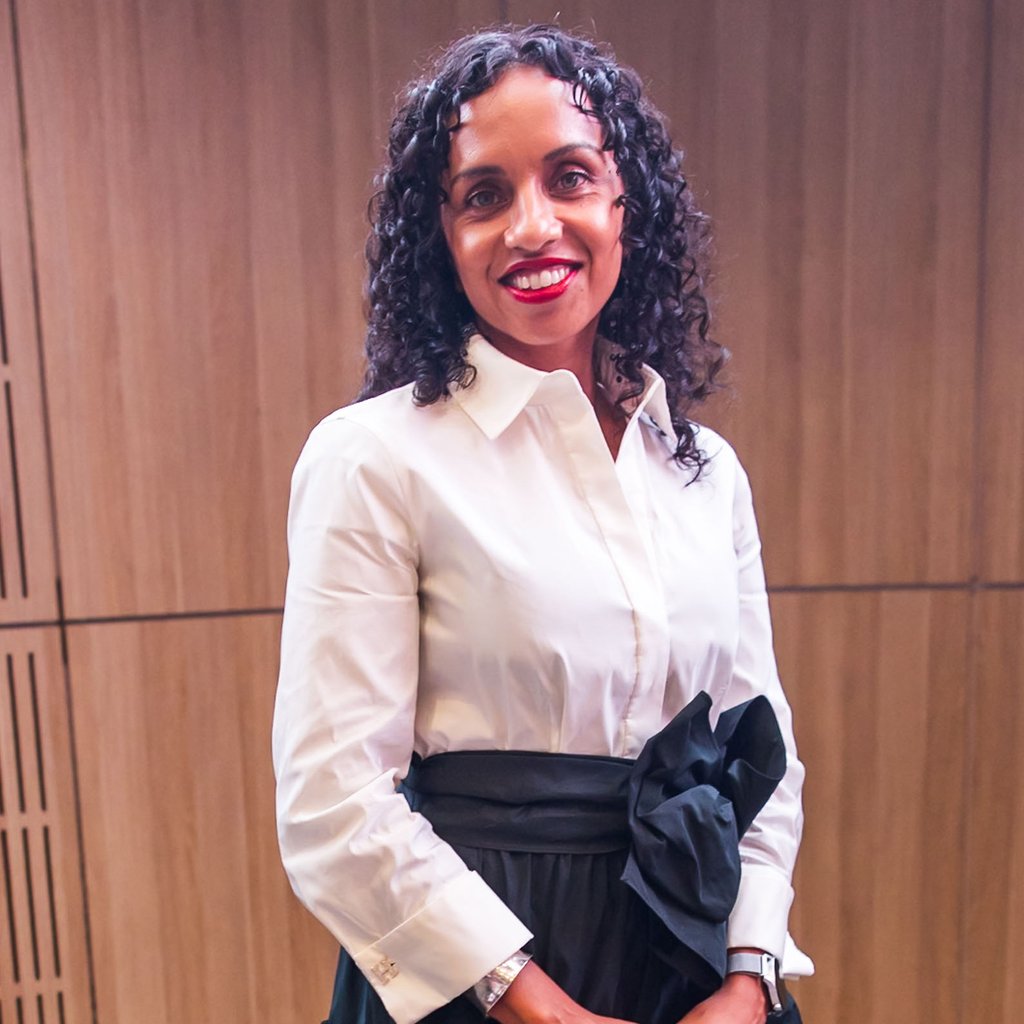
Professor Ramona Vijeyarasa has been appointed the inaugural Chair in Gender and the Law in the UTS Faculty of Law.
Her work will be supported by a generous gift of $2.5 million over three years from Minderoo Foundation to advance research and impact in gender-equal law making.
Professor Ramona Vijeyarasa is one of Australia’s leading scholars and thought leaders on gender and the law.
Her new role will build out the Gender Legislative Index, a world-first global database of gender-responsive laws, using human expert insights and machine learning to further scale the program.
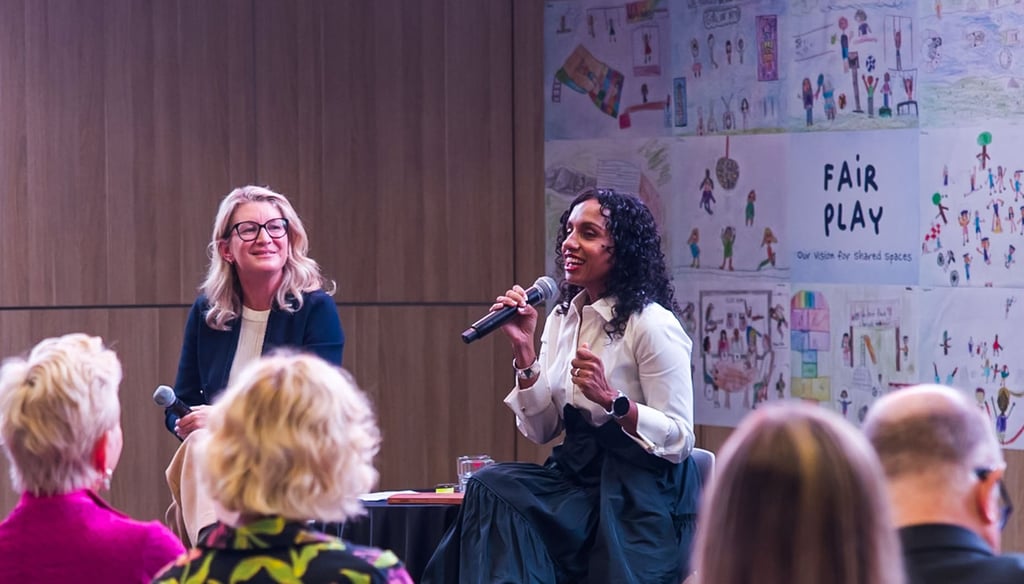
“This work starts from a simple but uncomfortable truth: the law is rarely gender neutral in its impact. Legal frameworks shape who is protected, whose experiences are recognised, and whose harm is overlooked,” said Professor Vijeyarasa.
“By bringing a gender lens to legislation, we can critically examine the ways in which inequality is built into the very systems we rely on for justice.”
“This inequality is only at risk of worsening, with the potential impacts of new technologies such as artificial intelligence and ongoing impunity for exploitation in global supply chains,” she said.
“Without stronger evidence and coordinated advocacy, legal systems risk papering over inequality rather than addressing it.”
As UTS Chair in Gender and the Law, Professor Vijeyarasa will lead a multi-disciplinary collaboration that will see legislation evaluated for its gender-responsiveness on a global scale.
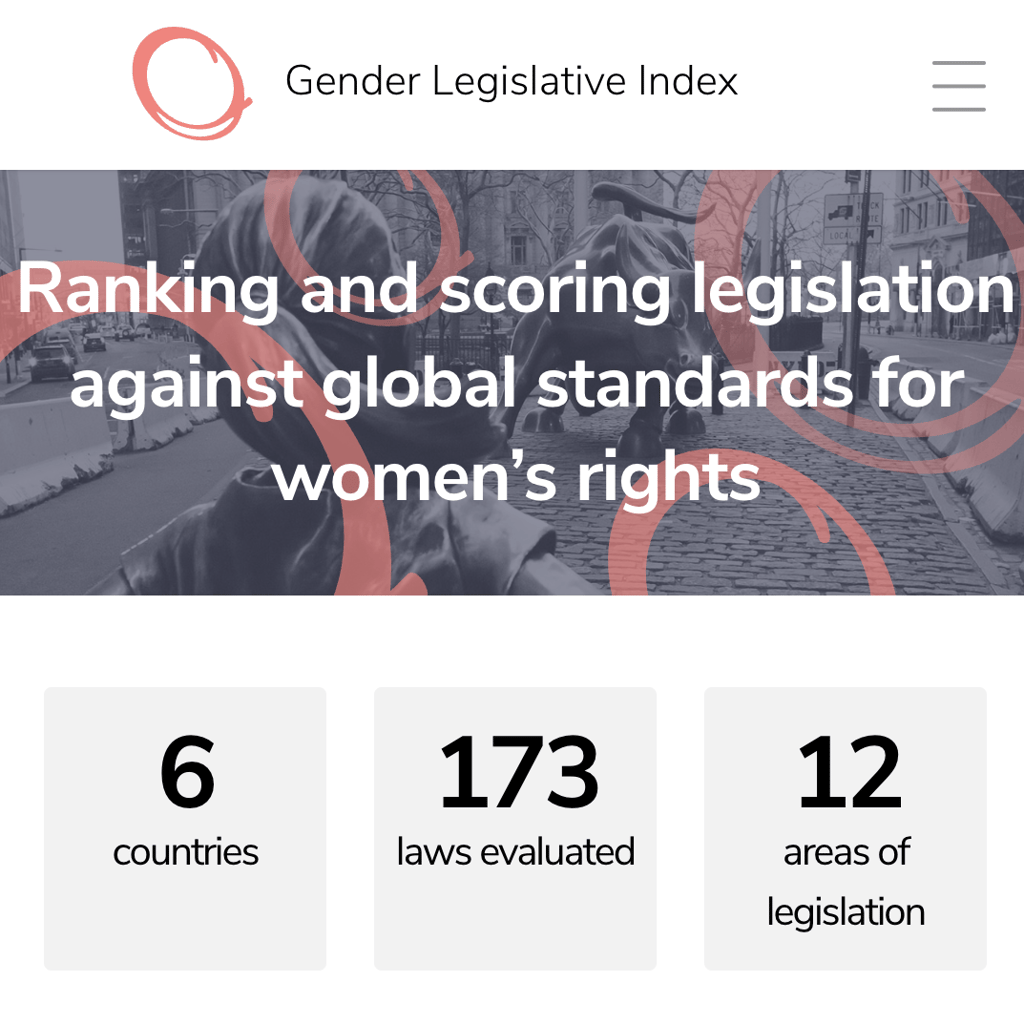
The evaluation will be powered by the Gender Legislative Index, which benchmarks, scores and ranks laws on a scale from gender regressive to gender responsive. It was developed in collaboration with Rapido Social Impact at the UTS Faculty of Engineering and IT.
The index has already contributed to the creation of Australia’s first parliamentary audit committee, in the Tasmanian Legislative Council, dedicated exclusively to scrutinising bills with an eye to making state laws better from a gender perspective.
The support of Minderoo Foundation will bring countries into the database whose legislative experiences are typically overlooked and where gender-responsive reforms may otherwise remain hidden.
It will ultimately offer Australian legislators examples from across Europe but also Asia, the Pacific, Latin America and Africa from which to learn.
Public policy benefits from a diverse range of perspectives and in Australia, to date, gender is too often sidelined.
“By constantly examining lessons emerging from other parts of the world, we can consider what might be a good jurisdictional fit for Australia to close gender gaps,” said Professor Vijeyarasa.
“I hope that the findings can influence policy at home but also spur meaningful action at a regional and international level.”
“This work can show how the law can be better drafted to deliver real accountability: for the gendered vulnerabilities created by AI-driven technologies, for the gendered exploitation embedded in corporate supply chains, and for longstanding inequalities such as gender pay gaps and the unequal share of care often borne by mothers.”
“I am enormously grateful to Minderoo Foundation for recognising the track record and future potency of this work, in their commitment to a more gender equal society,” she said.
Minderoo Foundation’s generous support will also enable UTS to grow a body of emerging scholars undertaking research into the gendered and intersectional harms of artificial intelligence and other emerging technologies.
They will also explore the optimum regulatory responses to positively impact women and gender diverse people.

“Australia’s regulatory response to the harms of artificial intelligence remains in flux. With a stronger evidence-based in hand, this research could shape the Australian conversation about how to best address gender and other biases in its application,” said Professor Vijeyarasa.
“This includes examining the known and emerging harms from using AI in employment or financial settings, or responding to image-based abuse or gendered violence on AI-driven platforms.”
“What excites me most about this next chapter of research is the ability to challenge a clear bias that exists in the Anglophone world. We naturally focus on the ‘usual suspects’ – the UK, Canada, New Zealand or the US – when considering regulatory options. It’s exciting to think about what examples of better legislative responses we may unearth.”
Before joining UTS, Dr Vijeyarasa worked on issues concerning gender and women’s rights internationally at the Centre for Reproductive Rights, the International Center for Transitional Justice, the International Organization for Migration and ActionAid International.
Her recently launched book, Rewriting the Rules: Gender-responsive Lawmaking for the Twenty-First Century explores what law can do for gender equality, from modern slavery to workplace equality to small-scale mining and AI.
“This support reflects our belief that gender equality is one of the defining challenges of our time,” said Jacqueline Joudo Larsen, Executive Director of Gender Equality at Minderoo Foundation.
Persistent inequality, whether in risk of exploitation, access to economic opportunity, or the way emerging technologies affect people’s lives, is a barrier we cannot ignore.
“We’re proud to partner with UTS to support work that brings evidence and clarity to these issues, and that helps shape laws and systems that protect and empower communities in Australia and beyond.
“This investment reflects our commitment to practical, long-term change and ongoing advocacy for gender equality and gender-responsive law reform.”
UTS Deputy Vice-Chancellor (Research), Professor Kate McGrath, said the research will be a catalyst for real change.
“This work is of critical importance to society. Philanthropic support at this scale gives exceptional leaders like Professor Vijeyarasa the freedom to test new ideas and take considered risks,” she said.
“While today this program responds to experiences of women, in the longer term it could contribute to a rethinking of how legislation can better advance the interests of other marginalised groups.”
“Ultimately, this research and the technology it enables will power better practices in law making for women’s work, safety, health and experiences of technology.”
News by topic

Story
Equality before the law
Ramona Vijeyarasa is using AI to challenge gender discrimination and enshrine women’s rights into law.

News
Most AI assistants are feminine – and it’s fuelling dangerous stereotypes and abuse
AI assistants are helpful, polite – and almost always default to female.
Webpage
Better laws for women may be just seven questions away
Not all laws are created equal, but with the right tools, the legal system has the power to deliver better outcomes for women.
News
Professor Catherine Kelly appointed Dean of Law
UTS is delighted to welcome Professor Catherine Kelly as our new Dean of the Faculty of Law.
Story
Equality before the law
Ramona Vijeyarasa is using AI to challenge gender discrimination and enshrine women’s rights into law.
News
Most AI assistants are feminine – and it’s fuelling dangerous stereotypes and abuse
AI assistants are helpful, polite – and almost always default to female.
Webpage
Better laws for women may be just seven questions away
Not all laws are created equal, but with the right tools, the legal system has the power to deliver better outcomes for women.
News
Professor Catherine Kelly appointed Dean of Law
UTS is delighted to welcome Professor Catherine Kelly as our new Dean of the Faculty of Law.