


The Human Performance Research Centre (HPRC) is a collaborative, transdisciplinary research centre with world-leading researchers in the areas of sport, exercise science and human performance.
Our unique approach, breadth of expertise, and responsiveness to current problems in sport and exercise enable us to make a positive impact on elite sporting performance and promote the application of sport and physical activity as a vehicle for achieving optimal health. Learn more about our focus.
About us
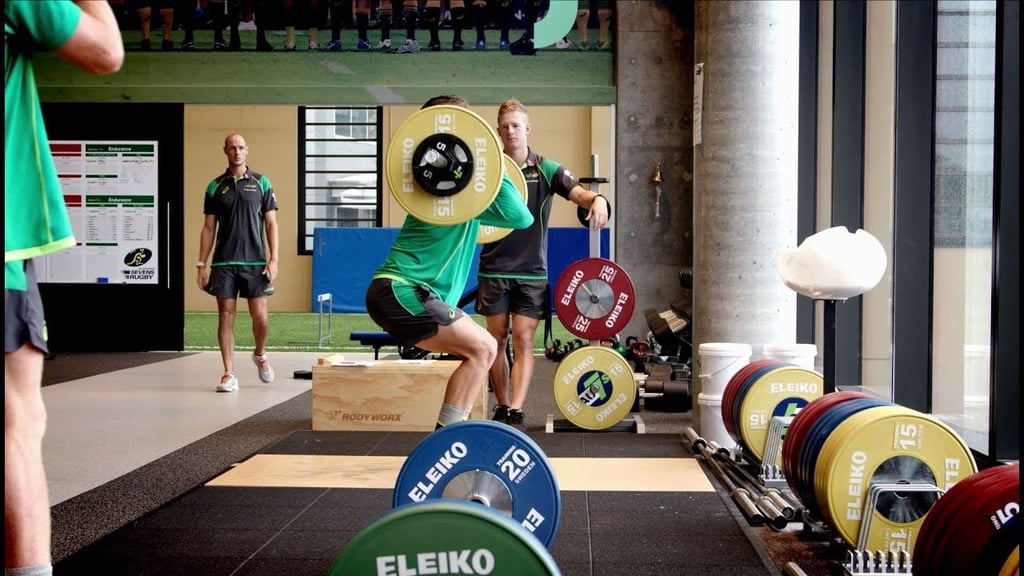
Our research projects
Our research combines the skills and experience of sports practitioners with expertise of researchers to conduct rigorous, impactful and relevant research that provides authentic solutions to industry problems.
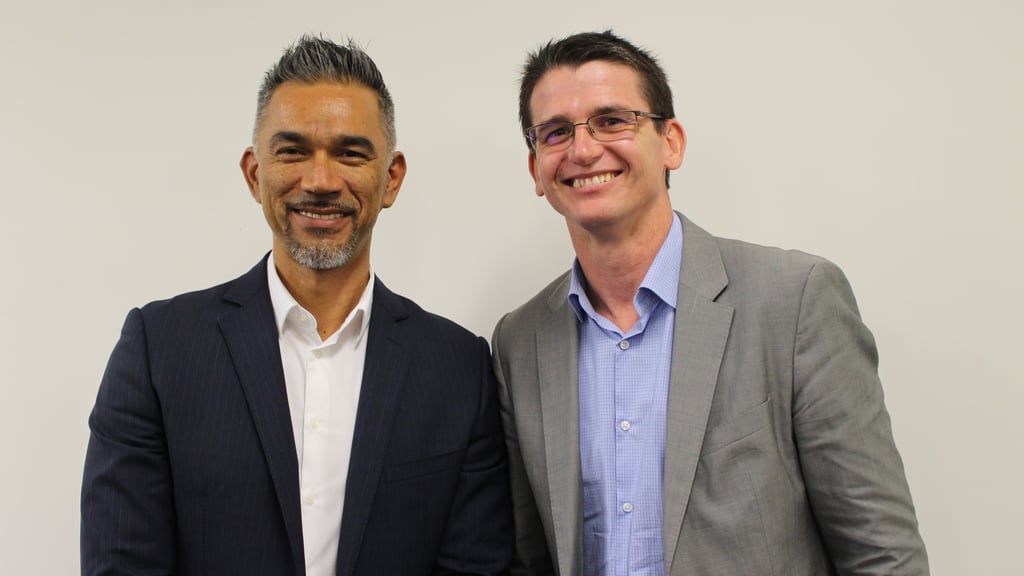
Our members
The Human Performance Research Centre brings together leading researchers who collaborate to develop authentic, impactful real world applications for health, sport and exercise.
Industry partners
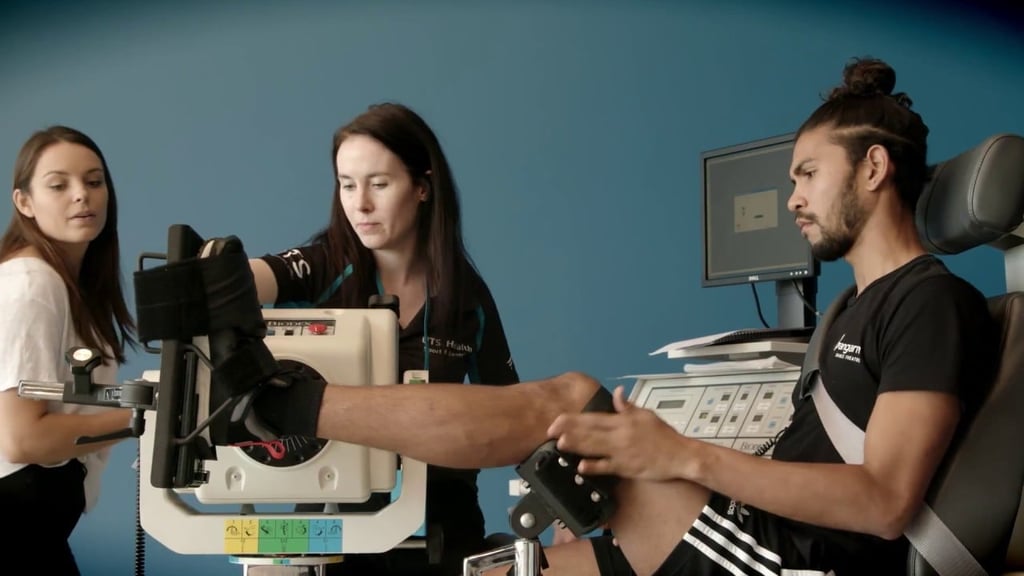

Study with us
Sport and exercise careers are ideal for individuals passionate about human health, physical activity and peak performance. See the range of sport and exercise courses at UTS.
Interested in undertaking a research degree? Make an enquiry.
Mission statement
The Human Performance Research Centre brings together leading researchers who collaborate to develop authentic, impactful real world applications for health, sport and exercise.
Our objectives
- To develop research capacity in sport, exercise, health and human performance
- To attract and develop high quality research students in sport, exercise and health
- To attract research funding from industry and competitive grant agencies
- To provide a conduit through which leading state, national and international associations/organisations can collaborate to further the evidence-base for the role exercise in health and human performance across the lifespan
- To conduct contract research, consulting, deliver short courses and offer other sport, and exercise entrepreneurial activities as required

Contact us
Still curious or in need of more information? Email us at hprc@uts.edu.au or call us on (02) 9514 5206 and our team will provide you with the clarity you’re looking for.
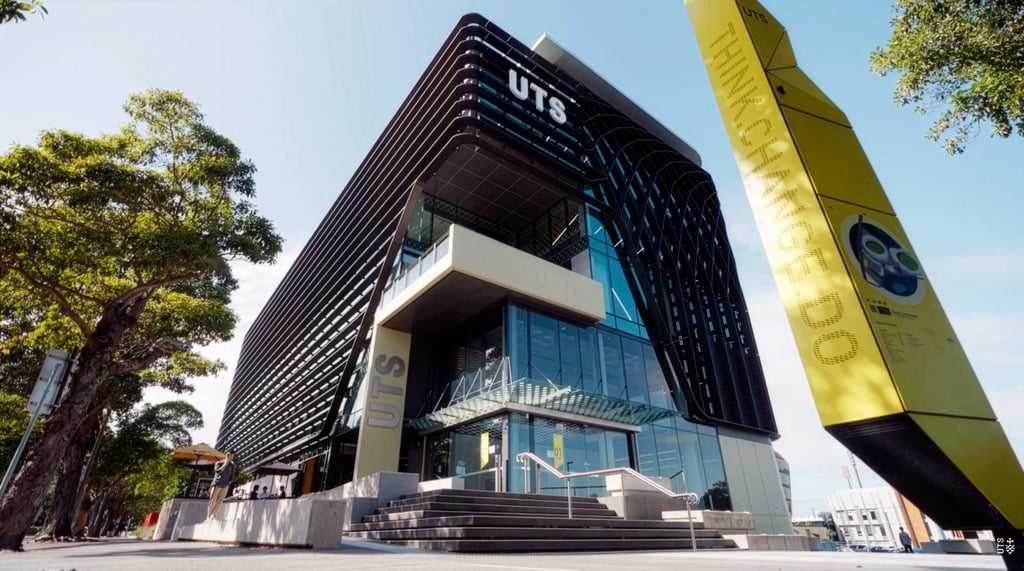
UTS Moore Park precinct
Level 3, Corner of Moore Park Rd and Driver Avenue
Moore Park
NSW 2021