


Over the past 30 years, the Australian Stuttering Research Centre has improved the lives of tens of thousands of adults, teenagers and children who stutter.
“Verbal communication is fundamental to being human. It shapes how we connect with each other, learn, work and participate in everyday life,” said Professor Mark Onslow, Foundation Director of the Australian Stuttering Research Centre (ASRC).
“But for those who stutter, speech is sometimes not easy. Stuttering can affect social confidence, relationships, education and employment.”
Studies have shown that the quality-of-life impairment of stuttering in adulthood is equivalent to that of chronic conditions like diabetes, cardiovascular disease and cancer.
These facts were front of mind for John Childs-Eddy when his now 6-year-old son, Sunny, began to stumble with his spoken words.
Stuttering can develop in up to 12 per cent of children during the time of their peak language development before the age of 4. It can occur suddenly overnight.
“Hearing Sunny stutter was one of the hardest things I've ever gone through. As a parent, all you want is for your child to have a happy life," he said.
"It was traumatic seeing him with a condition and not knowing how to help."
Featured researcher

Professor, Faculty of Health
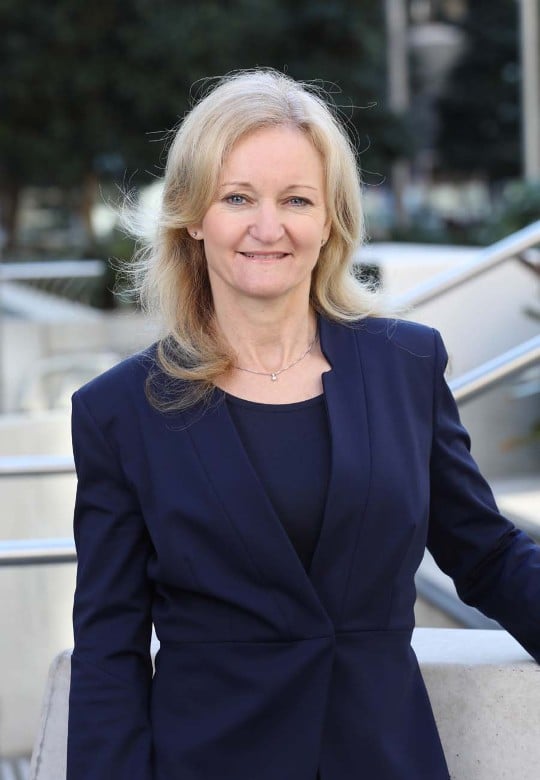
Professor, Faculty of Health

That fear spurned the Childs-Eddy family into action.
Aware early intervention is crucial, they took Sunny to several speech pathologists before learning about the services of the ASRC’s treatment centre, which specialises in helping children and young people who stutter.
“We had a limited time window to make an impact on his stuttering. I really felt a strong urgency to work with speech therapists who really understood stuttering in children,” Childs-Eddy said.
“Modern stuttering treatment, especially at the ASRC, takes into account the emotional side and is done in a way children actually enjoy.”
The team of speech pathologists in the treatment centre constantly give young people and children like Sunny the tools to better manage their stuttering in everyday life.
The treatment centre is just one aspect of the work of the ASRC, which celebrates its 30th anniversary in 2026.
Approximately 1-2 per cent of the world's population is affected by stuttering, and Australia has been at the forefront of global research and treatment into it. The centre has been leading the charge.
1-2%
of global population affected by stuttering
For 30 years, the Australian Stuttering Research Centre has built a global reputation for combining research, clinical practice and real-world impact.
Solutions for stuttering
Based on their clinical research, the ASRC team has developed a series of world-leading treatment programs that tackle stuttering head-on.
In the 1970s, there was a view that stuttering was a psychological disorder caused by anxious parents drawing attention to a child’s normal disfluencies – the ums and ahs – of everyday speech.
The work of Professor Onslow and other researchers around the world has proven this to be completely wrong.
Stuttering is now recognised as a physical condition – influenced by genetics, physiology and rapidly developing early childhood language – often with psychological consequences.
Early intervention is critical to preventing some of the more severe consequences of stuttering, including bullying, isolation, and social anxiety.
These insights underpin the ASRC’s treatment programs for the management of stuttering in children and adults, bringing in expertise from speech pathology and clinical psychology.

“We support parents when young children first start stuttering using our Lidcombe Program, which is backed by decades of rigorous scientific evidence,” said Professor Robyn Lowe, who manages the centre’s research programs.
“With the Lidcombe Program, a speech pathologist teaches parents how to do the treatment with their child in the home environment. It has changed the lives of thousands of children and their families.
“We're also focused on supporting speech pathologists who work with adults who stutter, particularly when anxiety is part of the picture and additional psychological strategies are needed.”
From suburbs of Sydney to the world
Luis Miguel Lainez Reche has a successful career in software engineer. He has stuttered since childhood.
“The thing with stuttering is, the more you care, the more you will stutter and the more anxiety you’ll have,” Lainez Reche said.
When this anxiety became overwhelming, he sought help from the ASRC. His treatment strategy has two parts, both drawing on different programs.
The Camperdown Program involves retraining his speech by using techniques like gently starting words or speaking slowly and building up speed. This gives him greater control over his speech.
Techniques from the iGlebe Program help him manage the anxiety he experiences as a result of his stuttering. Up to 60 per cent of adults who stutter develop social anxiety disorder.
“Another aspect I think is equally important, if not more important, is the way that you perceive your stuttering and how you communicate to yourself about your stuttering,” he says.
That has helped him dampen down the self-criticism when he does stutter, and instead celebrate all the times that he doesn’t.
“That part of the training gave me a lot of peace of mind and decreased a lot of my anxiety when speaking, which also led to less stuttering,” he says.
The ASRC delivers the different stuttering treatment programs – each named after a suburb of Sydney – either directly or through a worldwide network of thousands of speech pathologists who have received training in the techniques.
Digital treatment delivers
The team is exploring a new frontier to make treatment for people who stutter more accessible and break down the financial and geographic barriers
“Our vision is to use digital technologies and AI to make free online treatments accessible to people across Australia and around the world, regardless of where they live or the language they speak,” Lowe said.
“Despite the crucial need for treatment, access to services can be severely limited with waitlists for speech pathology in Australia exceeding 12 months a times, particularly in rural and remote communities.
“We know that timely and affordable access to treatment can significantly impact communication and quality of life.”

The first program to enter the digital world was iGlebe, a fully automated and individually tailored treatment program for the social anxiety associated with stuttering.
iGlebe steers users through an individual treatment program based on the psychological techniques of cognitive behavioural therapy, with their course set by an assessment of their needs.
In several trials, the outcomes for people who stutter using the program closely match those for people who saw a clinical psychologist face-to-face.
More than 2,500 people have accessed iGlebe and the online progam has been used by people in more than 70 countries worldwide. It is now available in two Spanish languages.
The ASRC team have developed online versions their Camperdown and Lidcombe programs
It’s one of the many ways the ASRC is working to improve the lives of people who stutter, just like Sunny Childs-Eddy.
“When we started treatment, Sunny had noticeable stuttering. We took those last few steps to having no detectable stuttering at all. That’s what we achieved,” said John Childs-Eddy.
The treatment has transformed his quality of life and eased the burden I carried as a father. It has dramatically improved our quality of life.
The research and treatment programs of the ASRC have helped tens of thousands of people like Sunny and Luis, and their families.
Over the next 30 years, they will no doubt help many thousands more.
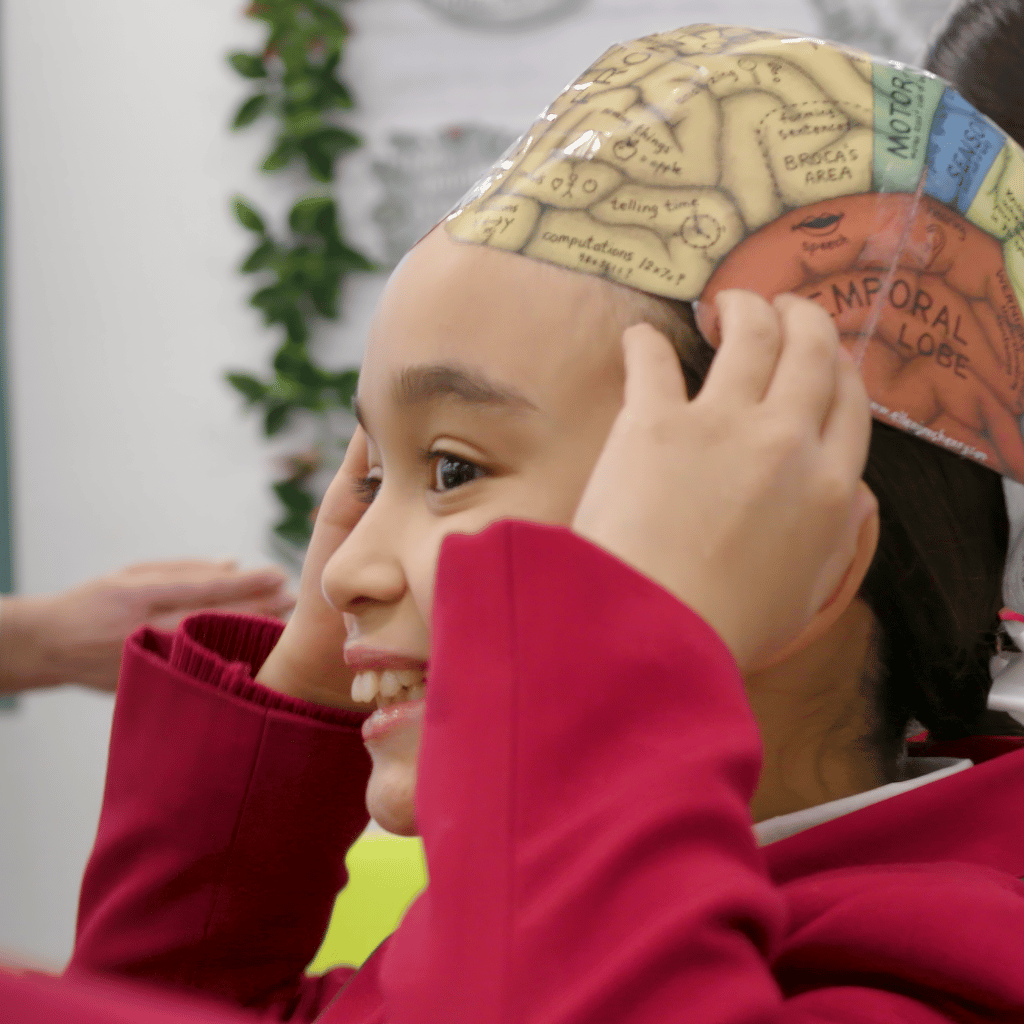
Story
Talking pain equals learning gain
The classroom revolution changing how teachers and children understand chronic pain.
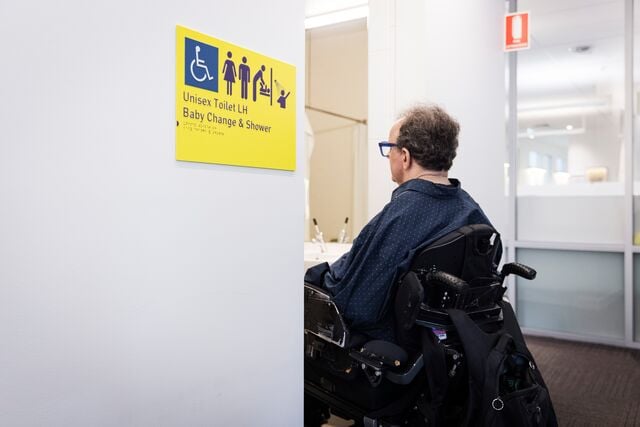
Story
Inclusive by co-design
How UTS researchers are combining lived experience and real-world data to rethink accessible bathroom design.

Story
Designing safety, shaping policy
Often hidden and complex, domestic violence affects far more lives than most people realise. Through the UTS Research Community on Domestic, Family and Sexual...
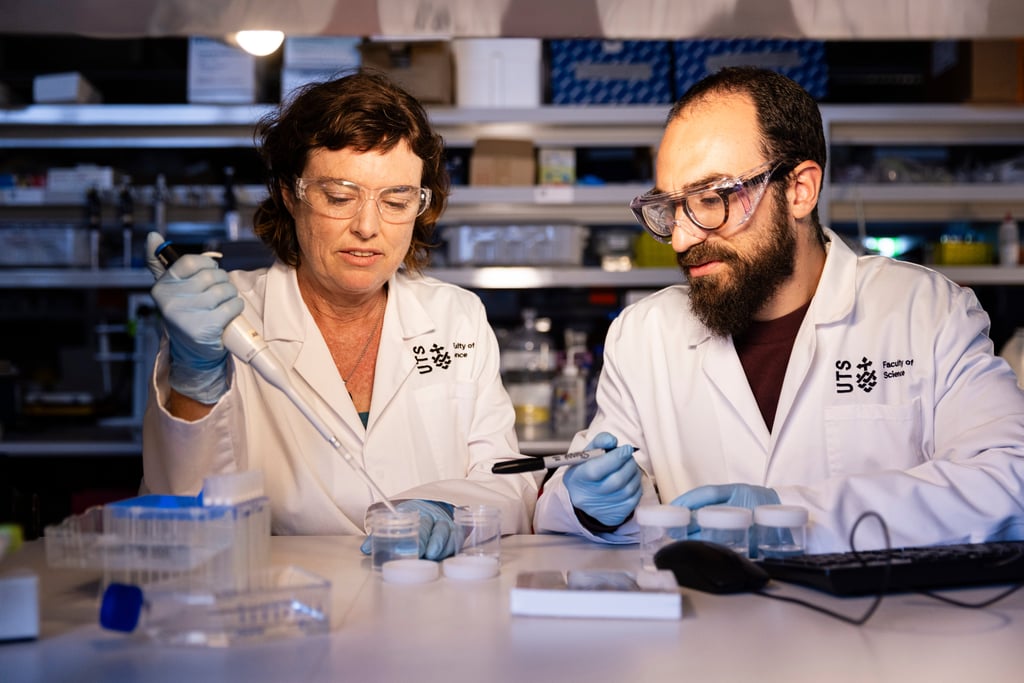
Story
The blue detectives
How scientists investigated the toxic agent behind an environmental catastrophe off the South Australian coast.
Story
Talking pain equals learning gain
The classroom revolution changing how teachers and children understand chronic pain.
Story
Inclusive by co-design
How UTS researchers are combining lived experience and real-world data to rethink accessible bathroom design.
Story
Designing safety, shaping policy
Often hidden and complex, domestic violence affects far more lives than most people realise. Through the UTS Research Community on Domestic, Family and Sexual...
Story
The blue detectives
How scientists investigated the toxic agent behind an environmental catastrophe off the South Australian coast.