Often overlooked and misunderstood, chronic pain in children and adolescents is far more common than many realise. Now, a pilot program in schools is demonstrating the power of education to support and improve student wellbeing.

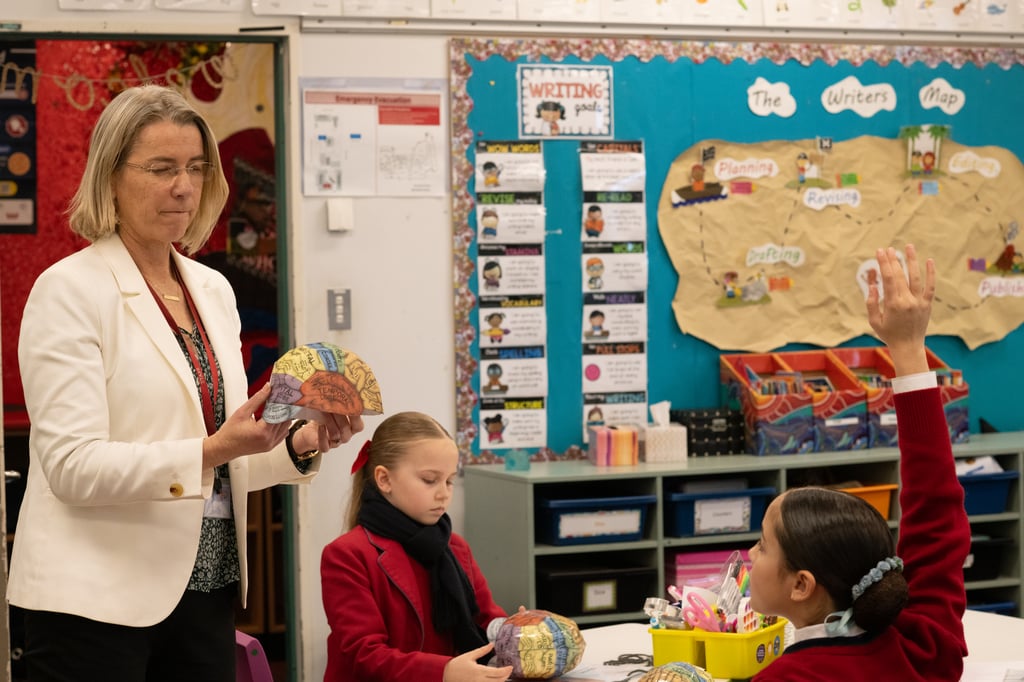
In a bustling classroom at The McDonald College, PhD researcher and physiotherapist Rebecca Fechner watches as students and teachers engage in an animated discussion about their nervous systems.  

Working under the mentorship of Dr Joshua Pate, a senior lecturer in Physiotherapy at UTS, Fechner has led a pilot of Australia's first teacher-led pain science education program. In collaboration with teachers and education leaders, it is hoped the program can reshape how school communities understand and respond to chronic pain.

The stakes couldn't be higher. Chronic pain affects around one in five Australian children. It can have a profound impact on a student’s education, social connections, and emotional wellbeing. Despite school attendance being crucial for treatment and recovery, until now, there have been no established guidelines to help schools support these students effectively.

“We're the first to put teachers at the heart of pain science education,” Fechner explains. “This isn't just about teaching children about pain – it's about transforming the whole school climate through changed understanding, language, and responses to pain.” 
alt

How teaching pain in schools helps students learn and care for others

(00:03:51)

How teaching pain in schools helps students learn and care for others transcript

Who can tell me one part of the brain and what it does?
Cerebellum keeps you balanced. Okay. So, cerebellum helps to keep you balanced.
Pain is a protector. Pain in children is often misunderstood as well as misrepresented. People sort of don't think it exists, but one in five children have chronic pain. Chronic pain is a very, very burdensome challenge for our society. Largely, it goes unspoken.
I'm studying pain science in schools. So what that means is: how do we implement the science of pain into the curriculum and into the culture of schools?
I noticed that teachers were doing a lot to help kids but they just didn't know how. And I really felt the need to link health and schools because if we share that responsibility, it's going to be better for everybody.
We started with schools in New South Wales and Queensland and implemented teacher-led pain science.
So memory really has a big influence on the way that we feel pain and we assess pain.
If we have one focus, it is to prepare students for life. Being healthy and looking after yourself as best you can is so important. And we like to see that knowledge that they've gained in the classroom then comes out onto the playground or into their lives.
There's an actual science about how the body and the mind connect. So you can feel things in your body and it may not necessarily mean there is physical injury or damage in the body, but it doesn't mean that it's not real.
So having a shared understanding across health professionals and school and their personnel really helps to validate children's pain, which then in turn helps to reduce the problem of stigma, and then that in turn helps to reduce the pain itself.
Something that's unique about Bec's work is that rather than clinicians saying, "Well, we do patient education all the time so we can educate people in schools," this kind of flipped that model and said, "How does an educator who's already looking after the well-being of the kids in their class—how do they approach it?"
And what we found is they naturally fit it into their curriculum.
Josh and Bec came and did a couple of days training with us and then I wrote a program for years 3 to 6. We're understanding how to regulate ourselves, how to be resilient. That's all part of the syllabus for health. So it fitted really well into our health program.
A child's health—if they come to school anxious or sore or in pain—that's definitely going to affect their learning. And if we can learn to deal with that and help them through that, you're giving them strategies not just to help them through their day, but to help them for the rest of their life as well.
What we learn about is how pain works. Say if you hurt your thumb, your thumb doesn't hurt. It's your brain telling you that your thumb hurts. It's very interesting.
I think about my own experience as a kid. If I had known the neuroscience that I know now, I think I would have been a better friend to kids who are struggling quietly because the data shows there's a lot of them.
Just knowing strategies like sitting alongside someone, being at their eye level, making eye contact, listening—some of these really basic things that don't seem like health interventions, but they're probably having health benefits.
Everybody in society carries some responsibility for not just ourselves but also that we can help others. And understanding pain is the biggest part of helping others because when we understand it, we can talk about it and we can help people take one step forward to improve their life.

Share

Featured researchers

Joshua Pate

Senior Lecturer, Faculty of Health

Rebecca Dickson

Casual Academic, Faculty of Health

The hidden crisis in our classrooms

Fechner's PhD research focuses on teachers leading lessons with students about pain science, including how the nervous system works and the various factors that can influence pain experiences.

Chronic pain can cast a long shadow over a child's life, transforming everyday activities into daunting challenges.

“Imagine a bright-eyed student who once thrived in the classroom. Now withdrawn, they silently battle a discomfort that drains their energy and enthusiasm. Simple joys – playing with friends at recess, participating in sports, or even focusing during lessons – become overshadowed by the relentless grip of pain, that no one seems to understand because it’s often invisible,” says Fechner.

There are many misunderstandings about pain in society, and this can lead to feelings of isolation and frustration, further exacerbating the pain experience. “By addressing the gap in understanding about pain in schools, we can help restore these children's vitality and empower them to reclaim their childhoods with the help of their teachers and peers.” 

30%

Youth aged 8-18 who report pain lasting 3 months or longer

Huguet A, Miro J. The severity of chronic pediatric pain: an epidemiological study. J Pain.
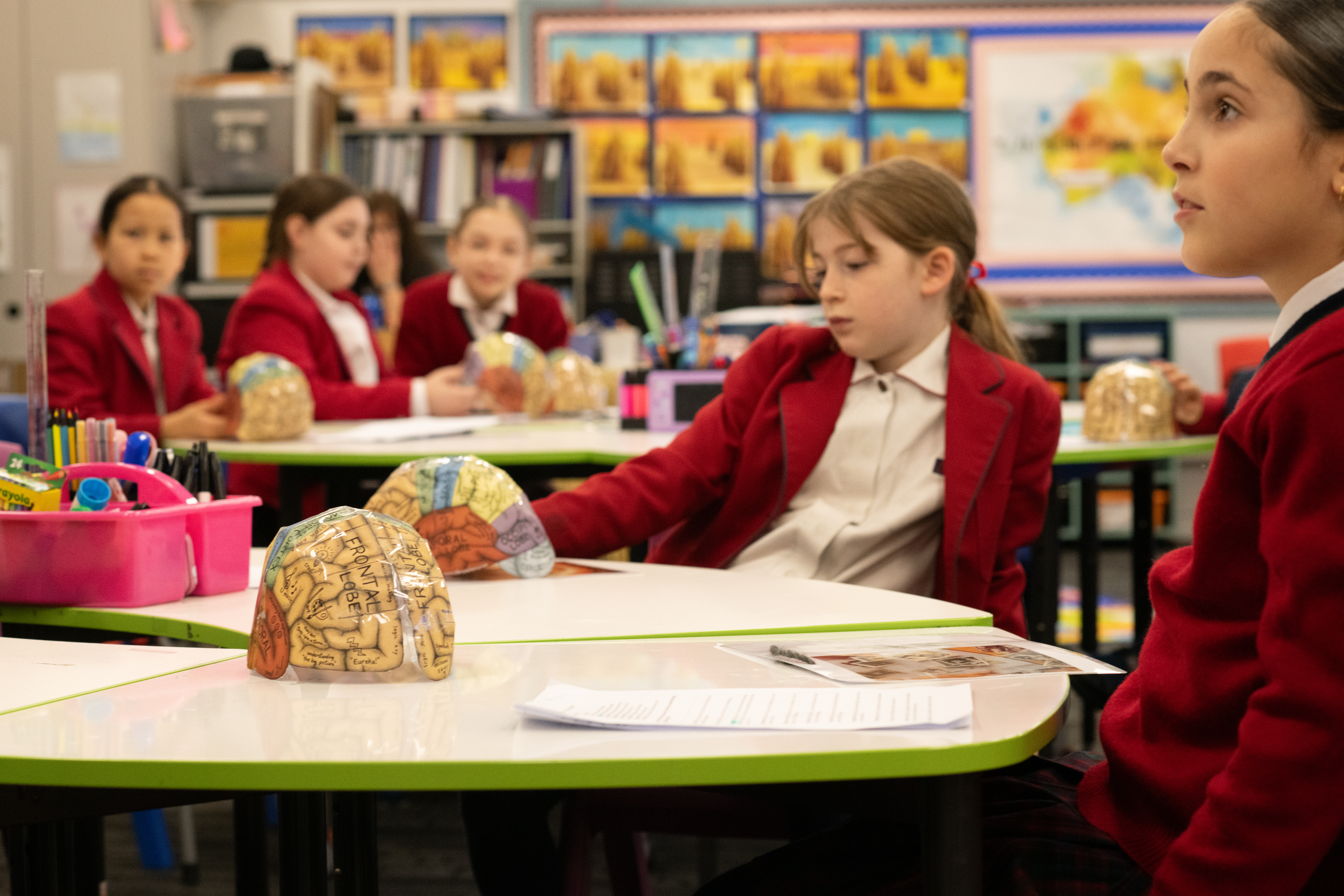
A classroom scene with students wearing red blazers sitting at tables. Each table has a model of a human brain with labeled sections such as 'Frontal Lobe.' The background shows colorful posters and shelves with books and supplies.
Around one in five Australian children silently battle chronic pain, impacting their engagement in daily activities. Photo: UTS.

Acute vs chronic pain

While acute pain serves as the body's warning system and typically resolves as tissues heal, chronic pain persists beyond healing, becoming a condition in itself. 


Acute Pain Chronic Pain
Typically less than 3 months Persists beyond 3 months
Sudden onset, often following an injury or surgery May have no apparent cause
Serves as a protective function Serves no useful purpose
Resolves as the underlying issue heals Requires ongoing management


Understanding pain science in the classroom 

Dr Pate, a leading pain science researcher who specialises in childhood pain, says chronic pain is complicated and affects many parts of the body.

“It's an intricate interplay involving the brain, spinal cord, nerves, and even the immune system. Understanding this is crucial for developing effective support strategies in schools,” he says. 

The main focus of the school classroom learning was the integration of body sensations with thoughts and emotions. This helps children to connect their physical and mental health. 

Portrait of Josh Pate

“By learning about pain and even some of the neuroscience behind it, that can give kids the confidence to be able to articulate what's going on in their experience.”

Dr Joshua Pate

Teachers take the lead 

Building on these foundational resources, the initiative's uniqueness lies in its teacher-led approach. “We wanted to bring pain science into schools to improve health literacy.  However, merging health with education presents challenges. We knew we had to consider the complexity, and that it had to be teacher-led,” says Fechner. 

“That's why we engaged in a co-design process with the teachers. They're the experts in the classroom, and they also have strong relationships with their students, so we wanted to give them the freedom to integrate the content in a way that works best for their students.” 

For the first 12 months, Fechner has been working closely with two pilot schools – one in Queensland and one in New South Wales – and the results have been promising. 

The research team provided teachers with pain science information and resources, then let them design their own lesson plans. This approach led to creative approaches combining pain education with both health and science classes. Schools also focussed on helping students understand how to best support friends dealing with pain. 

Breaking down barriers

Beyond academic learning, Director of the Junior School, Peter Slattery of The McDonald College in NSW has observed more empathy in the playground from children as young as 8 years old.

“Last year when something went wrong, all of the kids would end up swamping around a student in pain. Now they understand what is needed is just a buddy to go across to support,” says Slattery.

One of the project's most significant achievements has been developing a shared vocabulary around pain. Students now regularly consider various factors that might influence someone's pain experience, including social and emotional aspects. 

“The program helped increase understanding of the social input into pain,” Fechner says. “It's now not unusual for students to ask about stress levels or if someone had a fight with their sibling before school.” 

With knowledge and understanding, pain became less invisible.
Rebecca Fechner

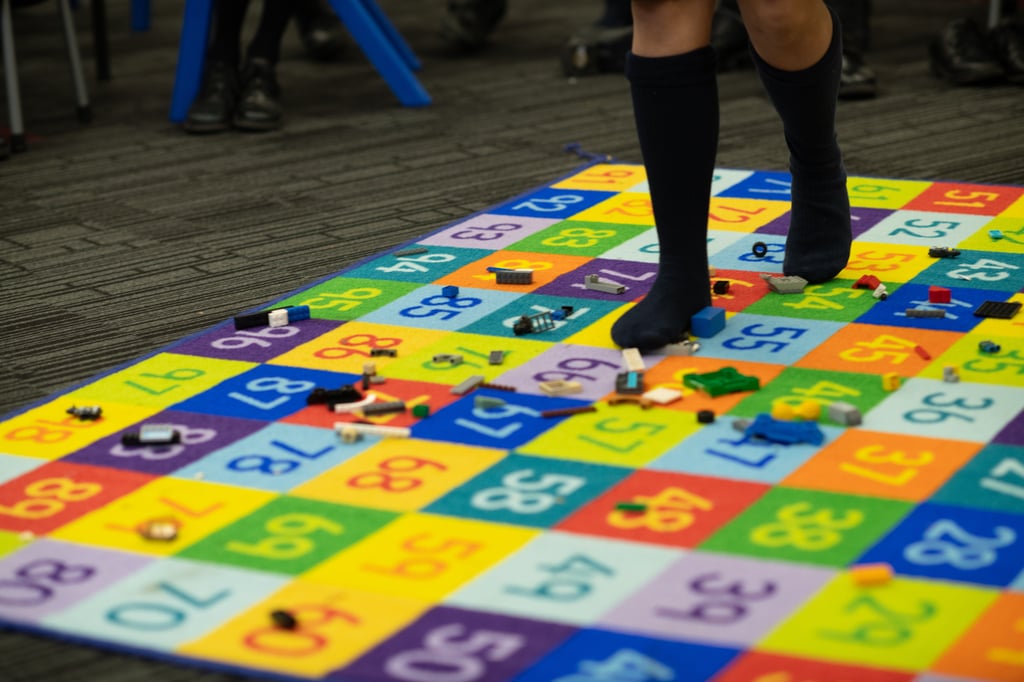
A classroom activity helps students understand the invisible challenges of chronic pain. Photo: UTS.

From local classrooms to global impact

The future looks promising for this innovative approach. A grant from the UTS Faculty of Health will fund educational videos created in collaboration with The McDonald College, aimed at scaling up the program nationwide. 

“We hope these teaching resources will provide other schools with a framework and practical examples of how pain science education can be integrated into the curriculum,” says Slattery. 

The videos will be freely accessible on the Australian Curriculum, Assessment and Reporting Authority (ACARA) website, providing teachers across Australia with evidence-based resources to address pain science within existing curricula. 

Building tomorrow's pain-aware generation 

The impact extends beyond empathy. “Our students now have a much clearer understanding of how the brain functions. They can and do talk about it, and understand they have some control over what they are feeling,” says Leanne Harrington, one of The McDonald College teachers involved the pilot. 

These classroom-level changes signal the potential for broader societal impact. As the program expands beyond pilot schools, Dr Pate envisions creating more informed, empathetic communities where chronic pain is better understood and managed. 

Children in red school uniforms wear brain-shaped hats and hold body-related props during a classroom activity about pain and the nervous system.
Students learn how thoughts, feelings, and body signals connect - building awareness of pain and wellbeing. Photo: UTS.
We're not just teaching about pain. The bigger goal is to cultivate a generation that understands and supports each other. We want to pave the way for healthier communities – one classroom at a time.

Dr Joshua Pate


Curious to learn more?

In this episode of Curiosities, Dr Joshua Pate answers your curious questions about why people experience pain differently, how biological, psychological and social factors influence pain, and what health professionals can do to help.
Can we better understand chronic pain?

Pain scientist answers questions about why people experience pain differently

(11:41)

Pain scientist answers questions about why people experience pain differently transcript


Hello curious people. I'm Dr Joshua Pate, a pain scientist, physiotherapist and an academic at UTS. I'm here to answer your curious questions about pain, how it works, how it's treated, and how we can help people to live better lives. This is health curious. 

Our UTS community has sent in some thought provoking questions to tackle. So let's get started. Why does pain sometimes continue even after an injury has healed? Pain can last a long time for a whole variety of reasons, and ultimately it comes down to safety and whether or not overall safety is required. Because pain's a really good feeling for us to be kept safe. 

 
You might think about putting your hand on a hot plate, and you would never do that again because it hurts so much. That kind of process happens over and over and again, but in chronic pain, it's really complex because often people are told the tissues are all healed, the body parts are all better. So why do I still have pain? 


And pain is incredibly complex. We could look in, zoom in on peripheral sensitisation of no receptors at the biologic level, or we could zoom right out to all the different social factors that are influencing our day to day pain. It is a really, really complex feeling and there's so much to say about this topic. Why do different people feel pain in different ways? 


People feel pain in many different ways, even from the same stimulus. Like in a lab setting. If everyone had the same stimulus, like something hot put on their arm.  
 
Studies showed that some people would feel close to a zero out of ten, and for other people, that's a ten out of ten and it's the same temperature, same everything, but different people. 


And that's not to say that it's just your genetics or just your expectations or your memories or childhood experiences. I think it's a combination of all of these different factors adding up to contribute to why you feel a certain amount of pain at a certain time. How do emotions like fear or anxiety make pain worse? This is a big question because anxiety and depression are really, really common, occurring alongside when someone has chronic pain. 


And it makes a lot of sense that when you have pain for a long period of time, it's horrible. But do those things actually cause the pain or how does that work? There's a lot of research being conducted in this space, and in one hand, it's just like more fear leads to more pain, which leads to more fear, which leads to more pain. 
 

And it goes around and around. But I think this idea of worrying about that is also kind of part of the picture too. So it is a bit of a complex mix and again, it comes back to everyone feeling pain very differently. And so it's not like they'll ever be a one size fits all magic solution for someone's chronic pain. 
 

What are some practical things I can do each day to reduce or manage pain? In the day to day there are a whole range of different strategies that are being tested in the research. And so one person heat might help someone for a small amount of time and for other people, ice packs are better. But I think this is a very individualised thing. 
 

And and that whole idea of like day to day pain flare up management is very different to long term strategies that are going to help you get back to doing more of what you love. And so I think this is a toss up of do I want something to help me now? Or do I want to feel better in the long term and getting a multi-disciplinary assessment from health professionals is a really good starting point, because I can tailor the strategies just right for you in today's situation. 


So what makes pain in children different from pain in adults? Pain in children is complex because the role of a parent is uniquely different in different age ranges. Like if you think about a teenager's response to pain and even response to their parents is very different to how an adult responds compared to those who they live within their household. 

 
And so the influence of parents is one part of the picture. But a child is developing physically and socially, emotionally all at the same time. And so these different variables can also impact on their experience, not only previous experience, but what they observe if they see their parents manage pain in a certain way. What strategies are they going to choose? 

 
Most likely, they'll see and copy whatever they observe. Why is it important for kids to learn about pain early on? Now, I don't think we want to dwell on a negative topic like this really, really early in a child's development. We want to focus on them developing and growing and engaging in meaningful activities. But by learning about pain and even some of the neuroscience behind it, that can give kids the confidence to be able to articulate what's going on in their experiences. 


And we can see in the research that this end helps a family to manage pain a lot better. What can a physiotherapist do to help with pain? A physiotherapist is equipped in many ways to help with both acute pain and chronic pain, and there are a whole range of strategies. And you might be thinking, oh, I don't want to do more exercise or I don't need to do these sorts of strategies, whatever it is. 


And I think it just depends on your goals and getting back to the things that you want to do, because that's probably where the physio is best equipped to help. For someone who wants to run a marathon, that's very different than someone who wants to just walk out to the mailbox, for instance. And so your goals factor into the strategies that are used. 


What's really exciting about the latest neuroscience, though, is that our bodies are much more resilient and adaptable than we used to think. And so 50 years ago, people were told to lay down and rest. Whereas now the evidence is much more in favor of things like motion is lotion and getting moving again. And so I do encourage people listening to, to go and get an assessment by a physiotherapist to kind of assess what is possible at this stage of your pain journey. 


Can talking to a psychologist or counsellor help with pain? I reckon a decade ago I would have been skeptical to say yes. Whereas now I have this overwhelming sense of how helpful a psychologist or counselor can be. And I think that's because I now understand the neuroscience of pain a lot more, and that pain is affected by biological and structural physical factors, but psychological factors, as well as social factors. 


And having a support network around you makes such a difference. The really exciting thing that a psychologist and a counselor can do is provide really practical strategies, from things like breathing strategies through to anxiety management, through goal setting, problem solving. I've worked in multidisciplinary pain programs, and honestly, the psychologist has so much to offer and I just wish everyone access them earlier. 


What are the treatment options available for people dealing with chronic pain? A lot of our health system is kind of set up for chronic pain management to be kind of a siloed approach. And what I mean by that is if you have a car accident, you go down this pathway and have worker's compensation and you do these strategies, and if that doesn't work, then you go to the next thing. 

 
And some of that is really fixated on the body part that's hurting. And I don't want to say that that's not the problem. But often the problem becomes much more complex than that over time. And so in the short term, there are some really helpful strategies and systems for someone. But once we call it chronic pain, that means the pain's lasting longer than the healing time. 


And that's where this complex web of factors needs to be addressed. And so I think seeing what we call multidisciplinary care, which is a pain specialist, a physiotherapist, a clinical psychologist, and often others too, like an OT, social worker, nurse. and there's a lot of people in these teams now in public hospitals. It's a freely available service in Australia, and I think it's really worth considering if you want to get back to doing the stuff that you love doing. 


How can a better understanding of pain improve care from future health professionals? I think ultimately some of the research now is showing that the latest neuroscience has given us more reasons to be optimistic than we've ever had before. Because if someone understands what's going on in the biology and psychology and social parts of their pain experience, they can be more confident to try different strategies. 


And I think that links with empathy, that links with that ability to kind of care better. So for health professionals in training, by learning the latest neuroscience, they can be better at caring because they understand confidently what's going on inside, rather than it being this black box mystery of what is pain and what's going on here. We now equipped so that we can confidently say this strategy will help 


and there's data to back that up. What challenges to health professionals and patients face when communicating about pain? For me, I think the big one I've observed is misunderstandings because everyone has slightly different understandings of what pain is and how we deal with it. What happens for a patient is that the health professionals might be using jargon, and the spouse, or the siblings, or the kids or the adults, or whoever it is, is using a different understanding. 
 
 
And so if one person around the patient is telling them to behave in a certain way, it can really cause a lot of conflict. And so I think the challenge is having a common understanding. And the latest neuroscience can allow for that and I think that's a really exciting finding of recent studies. How might emerging technologies like AI or virtual reality improve our understanding and treatment of pain? 


In terms of understanding, I think these technologies could help, particularly with AI, a lot of discoveries and new emerging kind of scientific proofs of what's going on under the surface. But in terms of treatments, I think these technologies are allowing new things like monitoring exercise programs, taking notes, all sorts of positive things. But there's also different risks as well. 


And we want to weigh up whether or not it's worth like sharing data or not. And I don't think the policies are in place yet to have a really firm answer. But it's certainly something that we need to be thinking about in society. Why is it so important to show empathy and acknowledge someone's pain, even when it can't be seen? 


I recently did a TedX talk, and in this talk I said there is no way I could ever fully understand what someone with chronic pain has gone through, like the complexity of all their experiences. And after the talk, I had people coming up to me in tears saying that they felt heard. And afterwards, I've been thinking about this a lot because I think what they saying is they feel like the misunderstandings have been acknowledged by what I said because I wasn't hearing them. 


I was just acknowledging the fact that they've been misunderstood. And so this is a huge issue. If someone doesn't feel understood, they're not going to engage in the recommendations that the other person provides. And so a lot of my research work is on providing that common understanding. And I think it starts with stuff like a common language and a common understanding of what's going on with the problem. 


And so there is a bit of work to be done. It's not as simple as a one size fits all magical cure. Quick fix. I think there is an element of we need to work together and have people around that are the support network, and that's what makes good sense to me. That was all the questions for today. 


I hope you learned something new. If you'd like to learn more about my research on the science of pain, scroll down and check out the link in the description below. Until next time, stay curious. 
 

Explore more research

Our research is unconstrained by tradition and supported by the best in innovation, intellect and infrastructure.

Webpage

Rebecca Fechner is using her PhD research to build a community for kids dealing with chronic pain in their lives and at school.

Story

Researchers at a one-of-a-kind facility are on the hunt for answers to what happens to our bodies after we die. Their findings will not only bring closure to investigations, but help advance forensic science practice around the world.

Story

Designer drugs are constantly evolving. The ability to quickly and accurately detect them must follow suit.

Story

Could 3D-printed mini placentas offer more effective treatments for pre-eclampsia? Researchers are investigating better, safer ways to study the placenta and improve maternal health.