


A UTS-led team was the first to identify the green suspect behind a huge algae bloom that poisoned more than 20,000 sq km of the Southern Ocean.
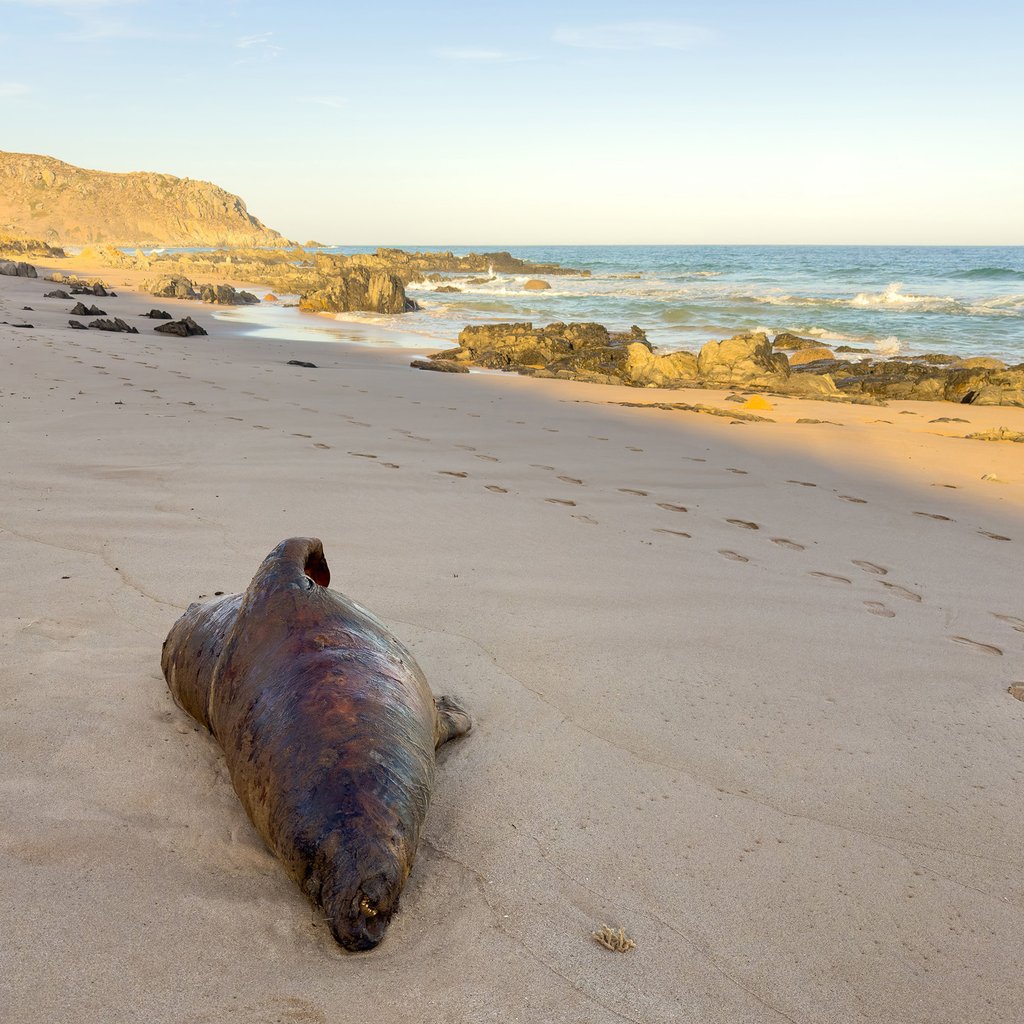
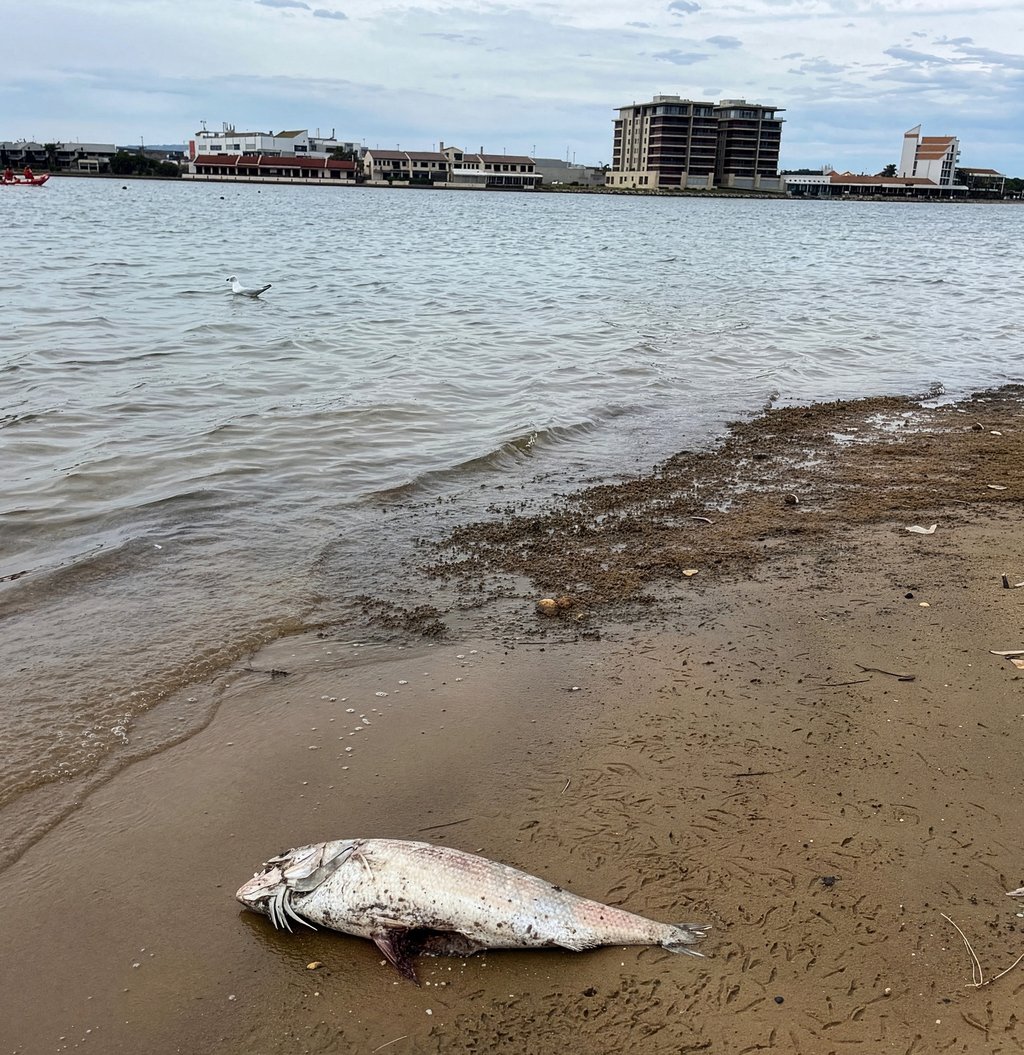
On 18 March 2025, the carcasses started washing ashore on Waitpinga Beach, more than 100 kilometres south of Adelaide in South Australia.
Scattered amongst a white foam, the remains of dead fish, seadragons and cuttlefish were strewn across the sand. Swimmers and surfers were reporting flu-like symptoms after breathing in the sea spray.
The crime was clear: something was poisoning the ocean.
The perpetrator was unknown.
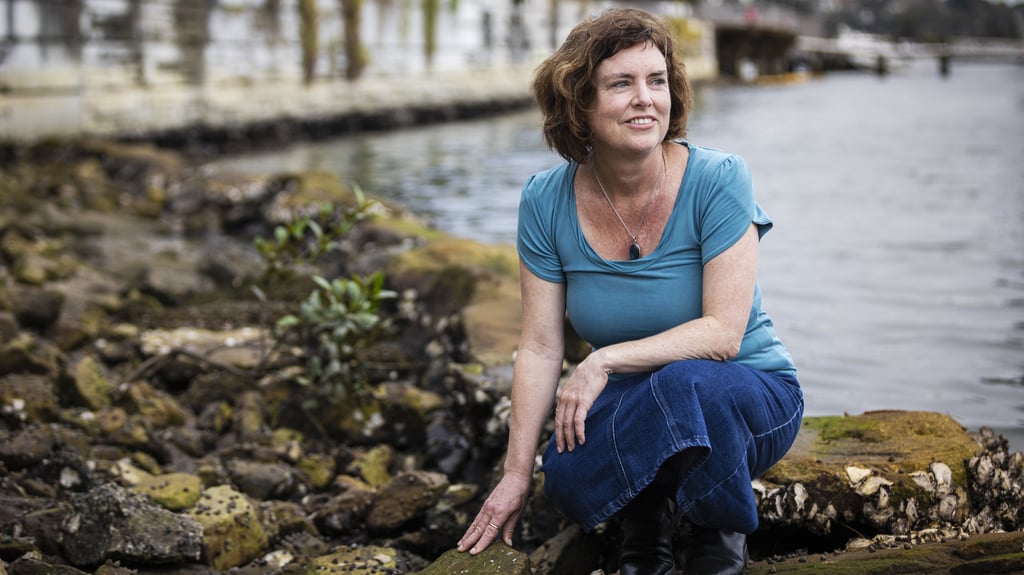
Water samples were quickly sent to one of Australia’s leading experts on harmful marine algae, Professor Shauna Murray from the UTS School of Life Sciences, to investigate.
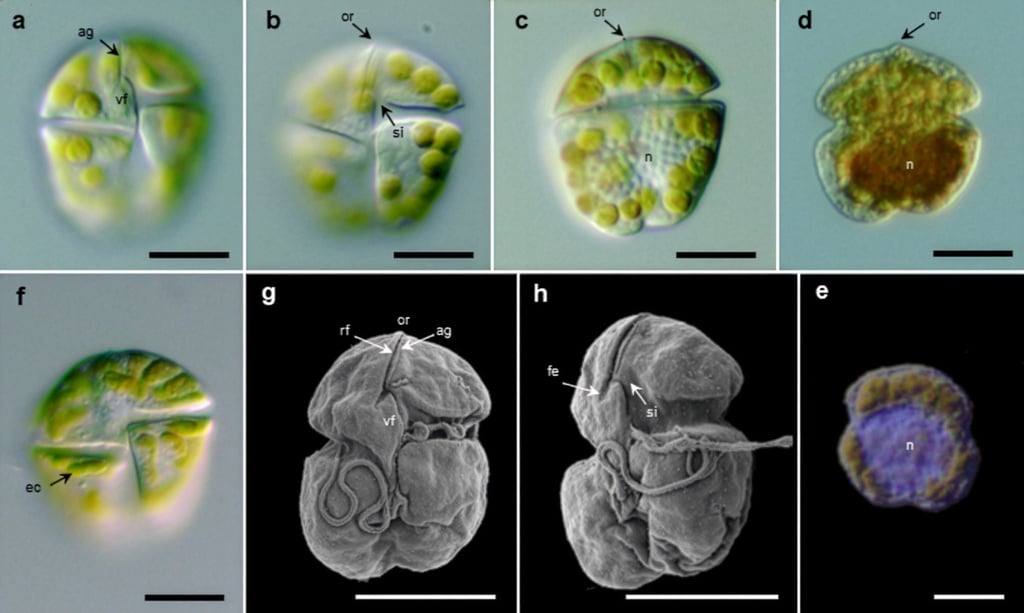
“We looked at the suspicious samples under a microscope and could see huge numbers of a particular type of tiny microalgae – each around 20 microns across,” she said.
“Very quickly we could see it looked like a species of the toxic Karenia genus, so we took samples to culture and study it further.”
Just a week after first appearing, the SA Environmental Protection Authority declared an algal bloom in the area.
UTS researchers
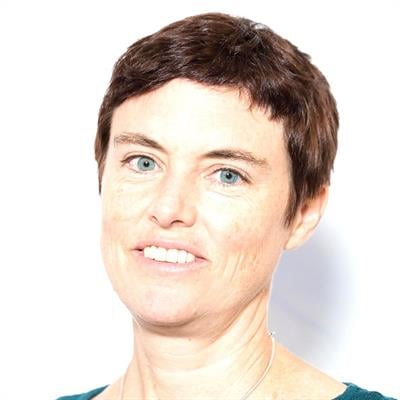
Professor, Faculty of Science
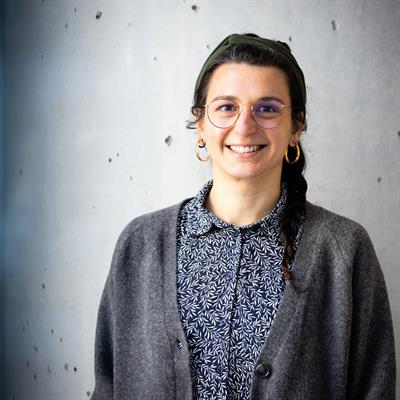
Chancellor's Postdoctoral Research Fellow, Faculty of Science
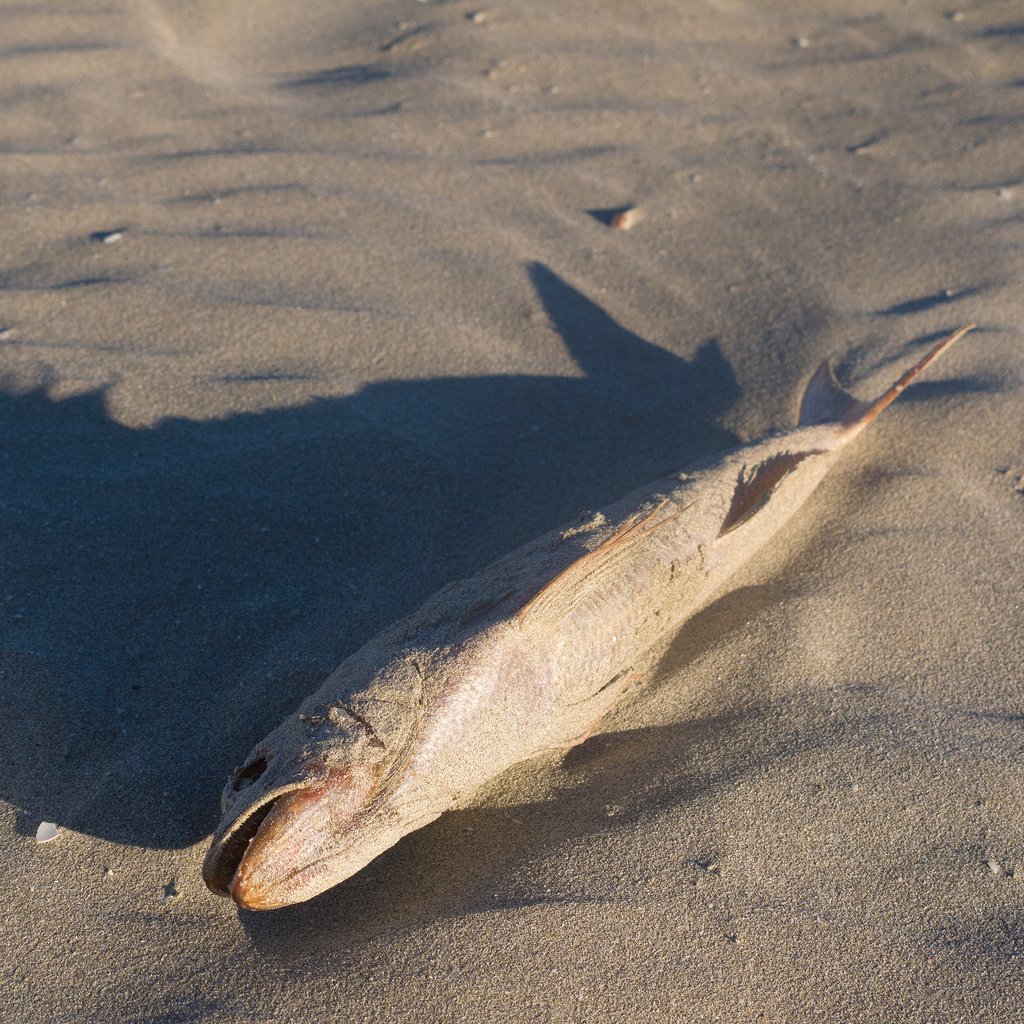
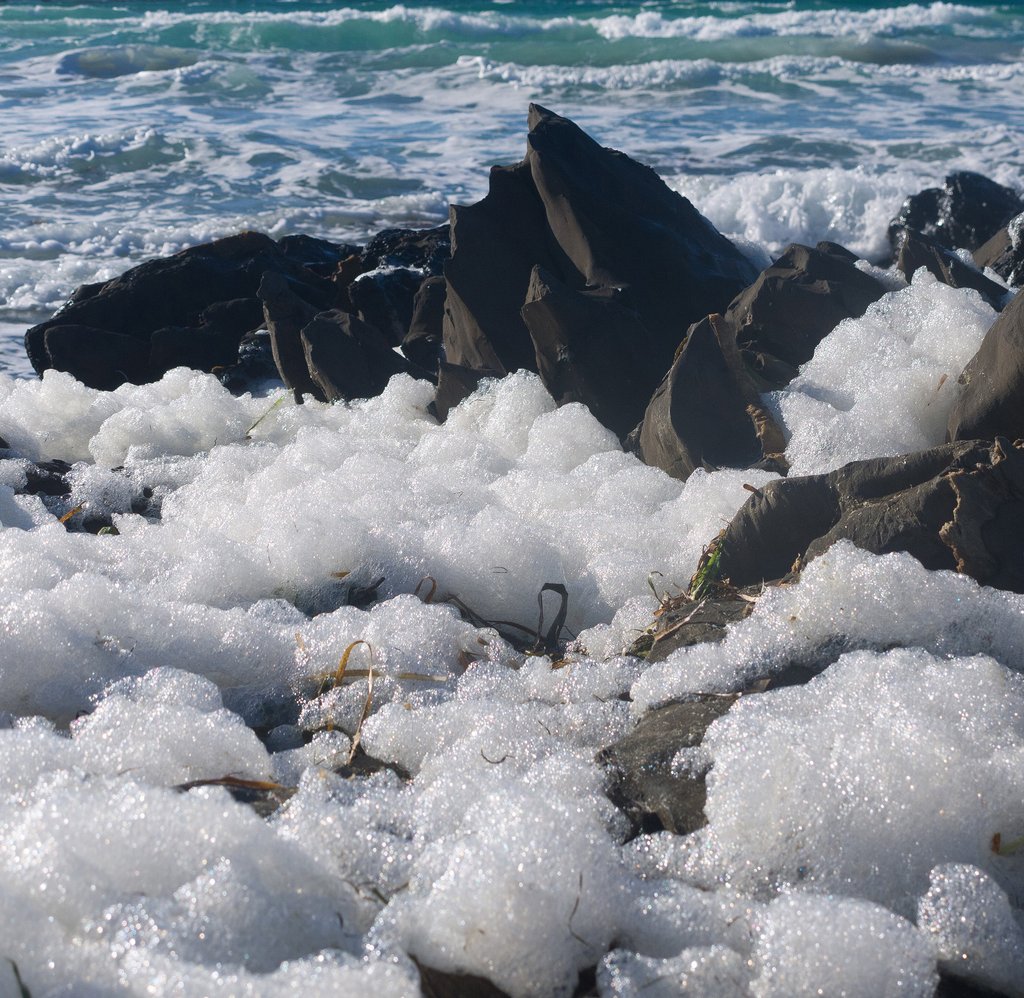
Harmful algal blooms occur when certain species of marine algae produce toxins with human and environmental health effects. This can lead to mass mortalities of marine animals and in the worst cases create aquatic “dead zones”.
The harmful algal bloom in SA very quickly turned into a natural disaster of unprecedented scale.
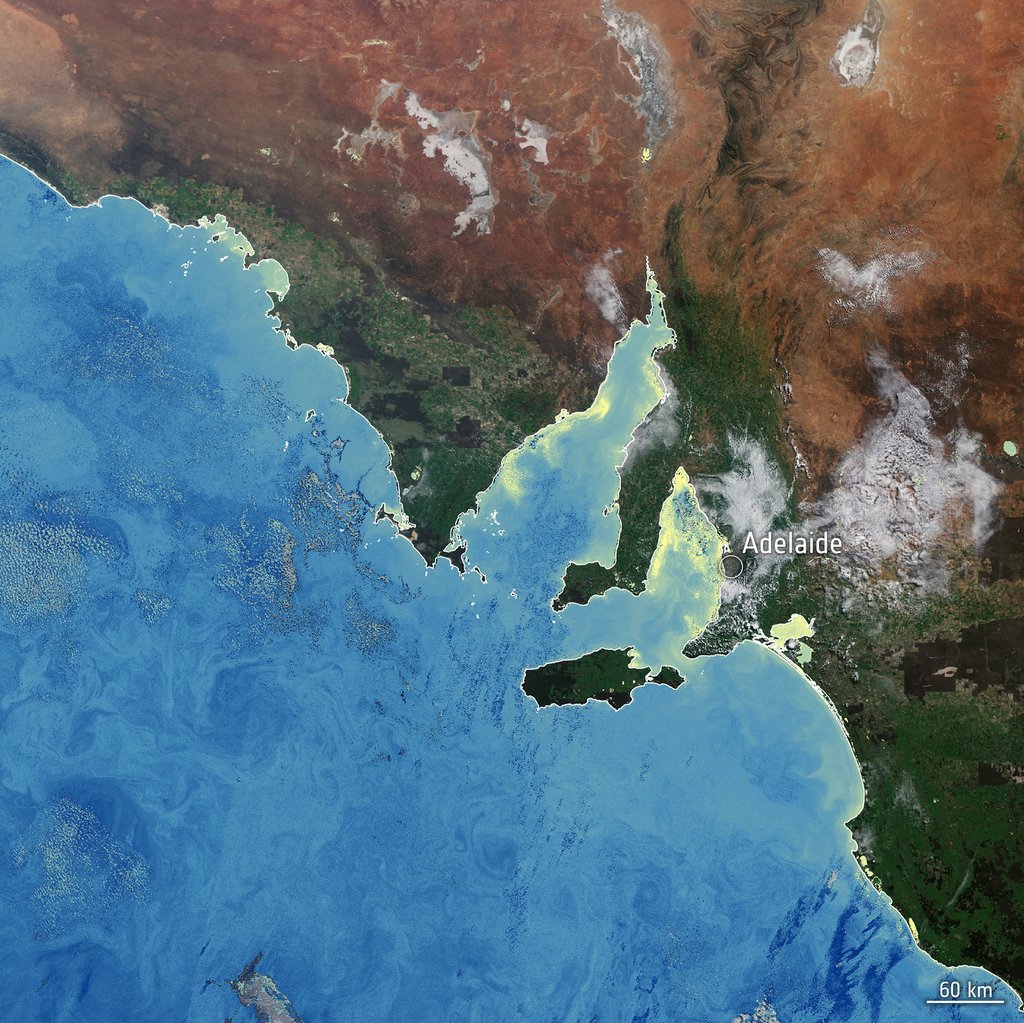
Over the next 15 months, the area being poisoned across the SA coast swelled to more 20,000 square kilometres – reaching 30 per cent of the state’s coastline.
More than 780 species of marine life were impacted with the mass mortality of millions of fish including hundreds of the iconic leafy seadragon. A survey in August 2026 found the numbers of endangered giant cuttlefish had fallen by 97 per cent in the waters off SA.
Beaches were closed and parts of the state’s aquaculture industry, worth more than $325 million each year, ground to a halt. Analysis from the SA Conservation Council put the economic impact on fisheries at $100 million, on the tourism industry at $46.8 million and on governments of a further $100 million.
It had quickly become one of Australia’s worst-ever marine environmental disasters.
The un-usual suspects
The pressure was on scientists and government officials to get to the bottom of the bloom, its causes and impacts. But good science involves detailed, time-consuming investigation.
In this case, the culprits behind the crime – the Karenia genus – could be identified relatively quickly through a microscope.
However, pinning it on which of the eight species in the group was most responsible proved far more challenging. This was important, because different species of Karenia produce very different types of toxins, or no toxins at all.
Looking down a microscope, it’s almost impossible to tell Karenia species apart. We needed other forensic methods to solve the mystery.
The foundation of this forensic testing lay in isolating individual algal cells from a sample of seawater.
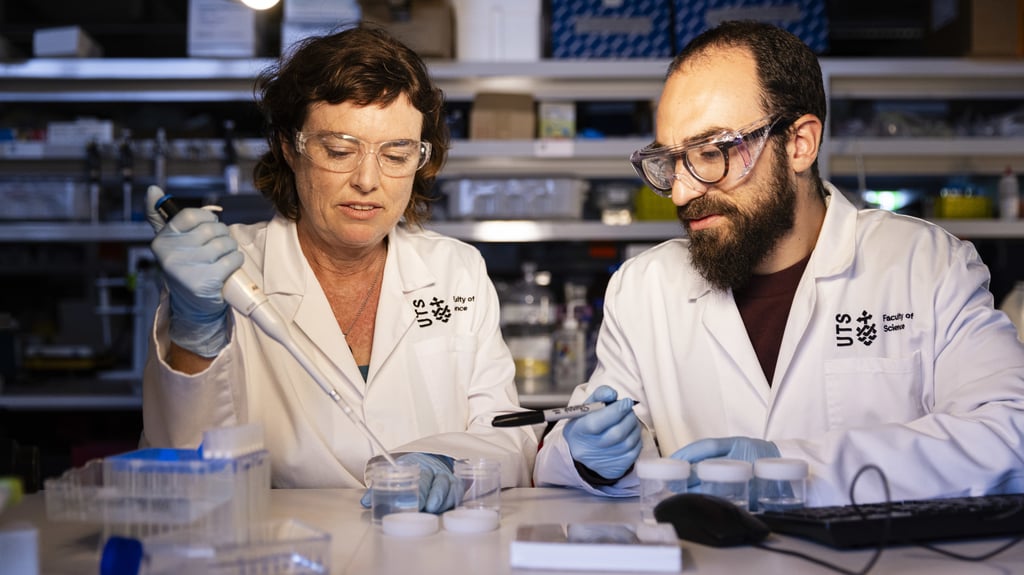
“It starts with a single cell. We use super-fine pipettes to suck up a single cell of algae, one at a time,” said Murray, who quickly mobilised an international network of 25 scientists to study the bloom.
“We then take that cell and examine it under a microscope, conduct DNA testing or use it to grow a laboratory culture for further testing.”
Luckily, members of the team specialised in the extraction and analysis of DNA from a single cell.
“Being able to extract DNA this way can save months of waiting to get a large enough sample to work with,” said Dr Greta Gaiani, Chancellor’s Research Fellow at UTS.
The team sequenced the DNA using custom-made quantitative PCR tests, similar to those used by people around the world during the COVID-19 outbreak, and ultra-powerful electron microscopes to examine the cells.
The results surprised them.
“When our testing came back showing the dominant species was the little-known Karenia cristata, we were shocked," Gaiani said.
"It’s a very rare species that has never been found anywhere close to Australia before.
“We thought we might’ve been wrong so sent samples to a large lab in New Zealand to confirm the finding using other genetic methods.”
Karenia cristata had previously only been found in two places – off the coast of South Africa and at a small island off the coast of Newfoundland in Canada. It was so little known, only two scientific papers had been published about it.
The species is so rare, the team needed to invent a new quantitative PCR test to identify the species.
One thing that’s now known is it flourishes in cooler water temperatures – with the waters off SA ranging from 10 to 20 degrees Celsius – and becomes more abundant during the cooler months.
A study of DNA samples also showed Karenia cristata had been lurking in the waters off SA - at very low levels - since sampling began in 2016 before populations exploded in 2025.
Poison algae
Only one other harmful algal bloom worldwide has caused the same level of death and destruction as that faced off SA.
“A toxic algal bloom occurs regularly in the very warm waters off Florida in the United States, driven by a different species, Karenia brevis," said Murray.
"The poison produced by marine algae – brevetoxin – takes its name from that species.
“Both blooms share high toxicity and have lasted longer than a year, which is very rare for harmful algal blooms. Ominously, it has been recurring annually in Florida for almost a hundred years.”
With this in mind, the scientists needed to understand how toxic this rare species is.
The first step in doing that was to isolate enough of the brevetoxin produced by Karenia cristata to be able to test it.
That means growing a lot of algae, all from a single cell.
“It’s like a very sophisticated gardening exercise to get an algae sample growing,” said Murray.
“One cell divides into two only once every few days. You need at least a million cells in a sample to start to measure something like toxicity.
"There’s a lot that can go wrong. It’s a slow and painstaking process."
Find out more
Read the research paper from Nature Ecology Evolution or the explainer from The Conversation
UTS News stories on the algal bloom
The tiny microalgae behind SA's harmful algal bloom is among the most toxic ever tested (July 2026)
Researchers find harmful algae species wasn't new to SA waters (March 2026)
Species identification key to understanding SA's harmful algal bloom (November 2025)
We showed Karenia cristata is the most toxic harmful algal bloom species studied to date in its impact on marine life.
Case closed?
While the case could now be closed, many questions still went unanswered.
Within six months of peaking in December 2025, the concentrations of Karenia cristata in SA waters had declined and species composition had changed.
“We weren’t seeing the high levels of the toxic species, although it continued to be present especially in the fish farming areas around Port Lincoln,” Murray said.
“However, there also continued to be other Karenia species present so the prospect of another bloom remains of concern.”
While southern Australia remains on high alert for a flare-up, the team’s research made it clear the potential for algal blooms across much of the world is far higher than people had realised.
“Toxic cold-water Karenia harmful algal blooms could occur anywhere in the world under similar conditions. We’ve seen how devastating that can be on every level,” Murray said.
That makes the urgency of more scientific knowledge of harmful algal blooms of critical importance.
Helping to prepare for future responses, an international team of experts from Australia, New Zealand and the United Kingdom have worked together and published in scientific journals.
“We desperately need to understand more about the biology, genetics, growth and spread of these toxic species,” Murray said.
“The reality is once you have an extensive algal bloom, you’re unlikely to get rid of it. It’s a natural phenomenon like a locust swarm or cyclone.
“But improved knowledge and better predictions can help farmers with harvesting decisions or mitigation measures, or authorities for decisions around closing beaches.
“This is a new field, and Karenia cristata literally came out of the blue. So much of the science is still uncertain. More knowledge can only help.”
Story
Talking pain equals learning gain
The classroom revolution changing how teachers and children understand chronic pain.
Story
Inclusive by co-design
How UTS researchers are combining lived experience and real-world data to rethink accessible bathroom design.

Story
Designing safety, shaping policy
Often hidden and complex, domestic violence affects far more lives than most people realise. Through the UTS Research Community on Domestic, Family and Sexual...

Story
Free speech
Over the past 30 years, the Australian Stuttering Research Centre has improved the lives of tens of thousands of adults, teenagers and children who stutter.
Story
Talking pain equals learning gain
The classroom revolution changing how teachers and children understand chronic pain.
Story
Inclusive by co-design
How UTS researchers are combining lived experience and real-world data to rethink accessible bathroom design.
Story
Designing safety, shaping policy
Often hidden and complex, domestic violence affects far more lives than most people realise. Through the UTS Research Community on Domestic, Family and Sexual...
Story
Free speech
Over the past 30 years, the Australian Stuttering Research Centre has improved the lives of tens of thousands of adults, teenagers and children who stutter.