


Learn about community engagement and land-use planning, communication, and the councillor capability framework
This course focuses on local government planning and reporting processes, and the role and responsibility of councillors. It also looks at:
- the code of conduct and meeting practice
- governance and informed decision-making
- integrated planning and reporting
- financial governance sustainability
- asset management
- community engagement and social media
- understanding development assessment
- working collaboratively (communication skills)
- state and national perspectives.
Course information
| Duration | Four sessions (32 hours in total) |
| Dates |
Class code: ECEM1 |
| Time | 9:00 AM – 5:00 PM |
| Venue | Sydney CBD |
| Cost | $3,500 (LGNSW members); $7,000 (Non-members) |
This course is designed for councillors looking for the tools to navigate local government. Learn the skills and knowledge needed to execute your role, enabling you to be a proactive and effective member of your council.
Learning outcomes
At the completion of the Executive Certificate for Elected Members course you will have:
- a strong understanding of your role and responsibilities within the local government system
- a strong understanding of the councillor's code of conduct and how council meetings should be facilitated
- the ability to be an effective contributor to your council’s land use and strategic planning processes
- the ability to obtain the information you need to make informed decisions
- confidence in your communication and community engagement skills
- a good understanding of the development assessment process
- a practical plan for your continued professional development.
Qualifications
All participants will receive a Local Government NSW (LGNSW) Certificate of Attendance. On successful completion of the assessment activities, participants will receive a UTS Executive Certificate for Elected Members. This can contribute towards subject credit for UTS postgraduate qualifications including the Graduate Certificate in Local Government, Graduate Diploma in Local Government, and Master of Business Administration Sub-Major in Local Government Leadership (SMJ10076).
Delivery style
Our face-to-face courses are delivered on our UTS campus or at LGNSW's Sydney office. Location details and teaching materials will be made available to participants prior to the course.
About the presenters
Vanessa Chan is an Adjunct Associate Professor at UTS IPPG and is a contemporary public sector leader with a reputation for innovation and driving sectoral transformation. She has over 20 years experience in strategy and operations across various NSW metropolitan Councils, including almost a decade in executive management. This includes successfully leading Ashfield Council as General Manager before being appointed to lead the Inner West Council merger.
Over the last few years Vanessa has been working in top-tier private sector consulting, including as a Director with the Public Sector Practice at Deloitte and Senior Associate at Spencer Maurice. She has recently worked with the National City District Commission in Port Moresby (PNG’s only local government authority) supporting the Governor to better align local government operations to emerging strategic priorities.
Vanessa is a member of the NSW Ministerial Advisory Group for Local Government, Chair of Head Start Homes, an innovative new social enterprise supporting First Nation families move from social housing into home ownership.
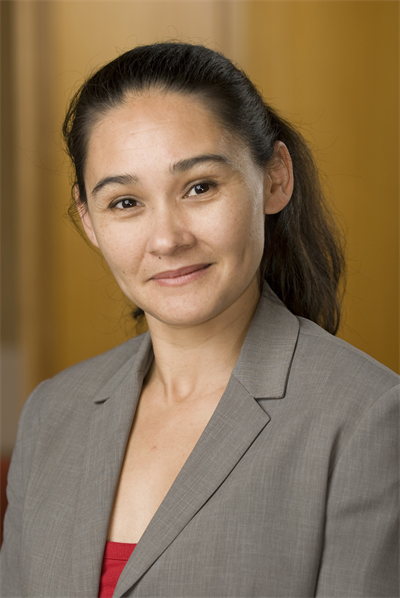
Stephen Krimmer is an Accredited Certifier and Senior Building Surveyor with over twenty years of local government and industry experience, with a specific focus on building code compliance, construction certificate assessments, inspections and education. Stephen provides a variety of engaging training courses to assist both local government organisations and accredited certifiers across NSW.
Peter Tegart has held CEO and General Manager roles over 20 years across the local and commonwealth public sectors. He designed several policy and program initiatives and models involving rating and finance, triple bottom line, integrated planning, workforce planning, salary systems, organisational and structural reform. He also shaped infrastructure prospectuses and project office initiatives for regional councils; and asset, utility and risk management models that was recognised with NSW Premier, CPA President and United Nations awards.
Liz Hayes is a solicitor whose background is in criminal and regulatory law having worked as a prosecutor with the Commonwealth for many years and then with the taxi and rideshare regulator, the NSW Point to Point Transport Commission. Liz joined LGNSW as the Legal officer in January 2020. Her special areas of interest are in matters such as the exercise of delegations; and regulatory compliance.
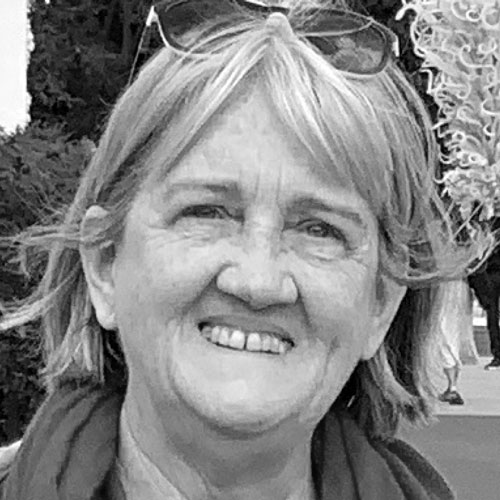
Máire Sheehan is a capacity builder with more than 30 years experience in knowledge, skills development and delivery, across state and local government in governance, policy and service delivery. Máire’s areas of interest and expertise include community representation, local democracy, advocacy, informed and sustainable decision making and collaborative strategic planning. Of particular interest is untangling research and systems and processes for sustainable decision making and practical actions.
Edwina Deakin has been involved in commissioning, designing and delivering policies and undertaking program and service reviews for over 25 years, initially as a NSW Government Policy Director and then as an independent consultant.
Edwina has worked with a wide range of government, not-for-profit organisations, and peak body clients, project managing over 50 major policy reforms, program reviews and evaluation projects. This experience has provided first-hand insights and case studies into factors that help or hinder quality planning, stakeholder engagements, and reviews at all stages in the design, delivery, review and decision-making pipeline.

Stephen Krimmer

Liz Hayes
Máire Sheehan
What others have said about this course
“This course was well planned and delivered overall. The instructors were obviously knowledgeable and created great opportunities for learning.”
Charishma K
“This is an excellent course for new councillors.”
Noel L
“I believe courses like this should be mandatory for all local government councillors.”
Kenrick L W
“A thorough course providing useful tools to be able to navigate practical aspects of local government that councillors routinely encounter.”
Benjamin B
Are you interested in this course?

In-house training solutions
This course can also be tailored for in-house delivery, designed to meet your organisation’s objectives and delivered either on campus, online, or at a location of your choice. This flexible model ensures the content is customised to your team’s needs while minimising disruption to day-to-day operations.

Contact us
Need more information? For all course related enquiries, including future dates or in-house training enquiries, email us at ippg.learning@uts.edu.au or call +61 2 9514 7884.
This short course is presented by the university’s Institute for Public Policy and Governance. Learn more about the Institute’s advisory and research services and professional learning and development programs.

Webpage
Community Development Course – Social Planning in Action
Do you work in community development and social planning and are looking to make a real impact in communities?

Webpage
Conducting Service Reviews Course
This service review course will guide you through the essentials needed to design and undertake a review of a program, operation or service using a practical,...

Webpage
Futures Thinking in Practice
In this course you will dive into fascinating methodologies like scenario planning and backcasting and learn to navigate complex policy landscapes with a...

Webpage
Outcomes Focused Program Evaluation
Program evaluation is a valuable tool for strengthening the quality of programs and improving outcomes. Evaluation provides an opportunity for critical,...
Webpage
Community Development Course – Social Planning in Action
Do you work in community development and social planning and are looking to make a real impact in communities?
Webpage
Conducting Service Reviews Course
This service review course will guide you through the essentials needed to design and undertake a review of a program, operation or service using a practical,...
Webpage
Futures Thinking in Practice
In this course you will dive into fascinating methodologies like scenario planning and backcasting and learn to navigate complex policy landscapes with a...
Webpage
Outcomes Focused Program Evaluation
Program evaluation is a valuable tool for strengthening the quality of programs and improving outcomes. Evaluation provides an opportunity for critical,...