


- Posted on 9 Jul 2025
- 1-minute read
Congratulations to Dr Kai Wu who was successful in his application to the Australian Research Council Early Career Industry Research Fellowship round for funding in 2026. This is a tribute to Kai’s hard work and vision in the field of 5G Communications.
The total funding awarded from the ARC is $498,748 with a contribution of $180,000 cash from TPG Telecom.
The Early Career Industry Fellowships scheme supports academic researchers in establishing careers in industry, and industry-based researchers to work in university settings. The aim is increased two-way mobility and skill-building in research collaboration, translation and commercialisation.
Kai’s project is titled “Transforming mmWave 5G and Beyond Networks by Joint Communications Sensing”. This project addresses key deployment challenges in millimetre-wave 5G and beyond mobile networks by developing new knowledge in the emerging field of joint communications and sensing (JCAS), also called Network Sensing, positioning Australia as a global leader in this field and potentially shaping future mobile standards.
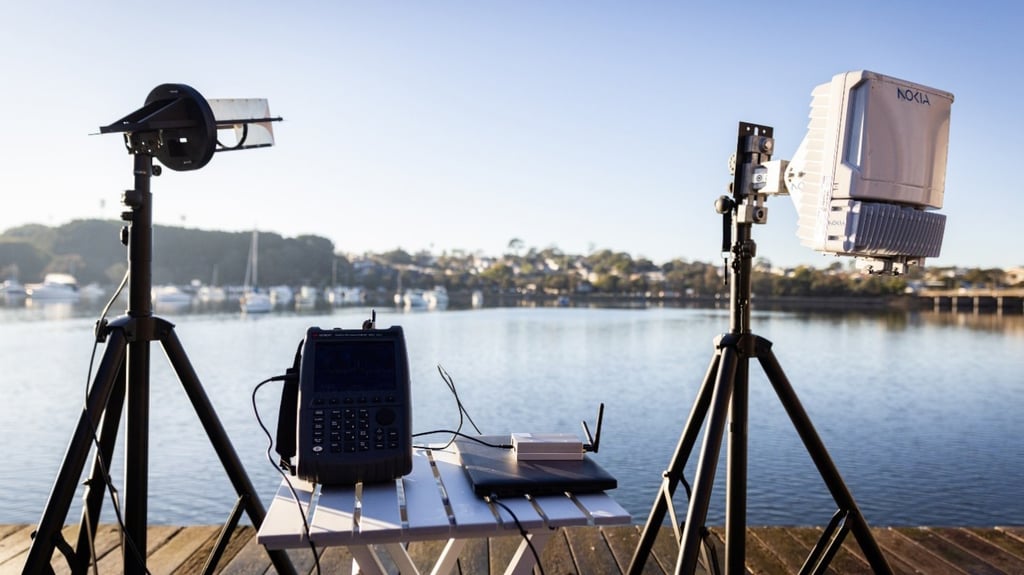
Partnering with TPG Telecom, the project will deliver cost- and energy-efficient, robust network sensing solutions tailored to industry needs and constraints. Expected outcomes include precise environmental mapping, real-time situational awareness and optimised beam management.
These innovations promise substantial benefits for Australia by enhancing connectivity, reducing environmental impact and supporting economic growth through advanced digital infrastructure.
Kai is the system architect for the cutting edge TPG-UTS Network Sensing Lab, which held a world-first field demonstration of the network sensing technology pioneered by UTS for rainfall and water level sensing at the Parramatta River on 16 June 2025.
News
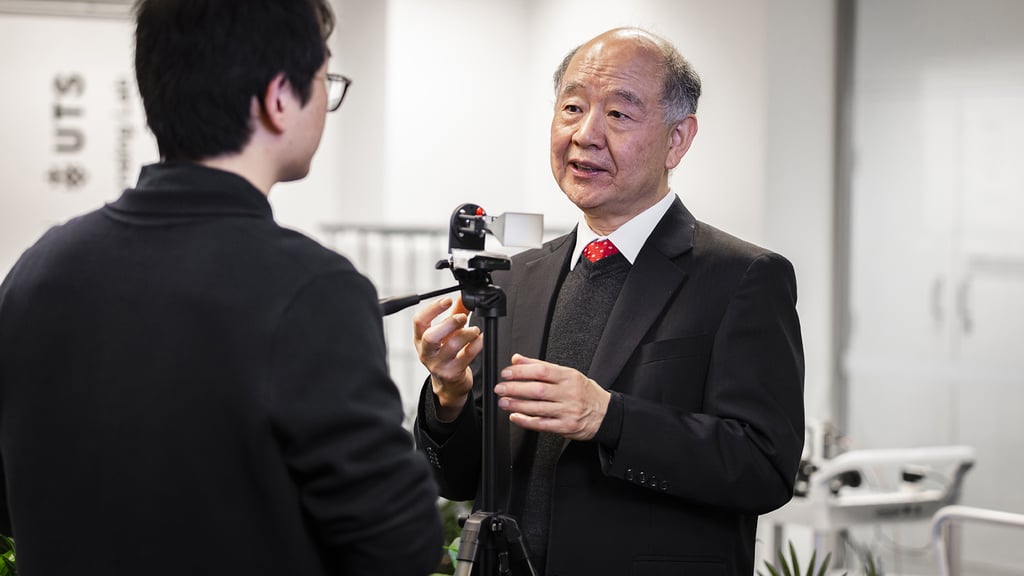
Australian researchers prove world-leading flood sensing technology
UTS researchers have demonstrated the effectiveness of world-first real-time water level and rainfall sensing technology using existing mobile phone networks.
News
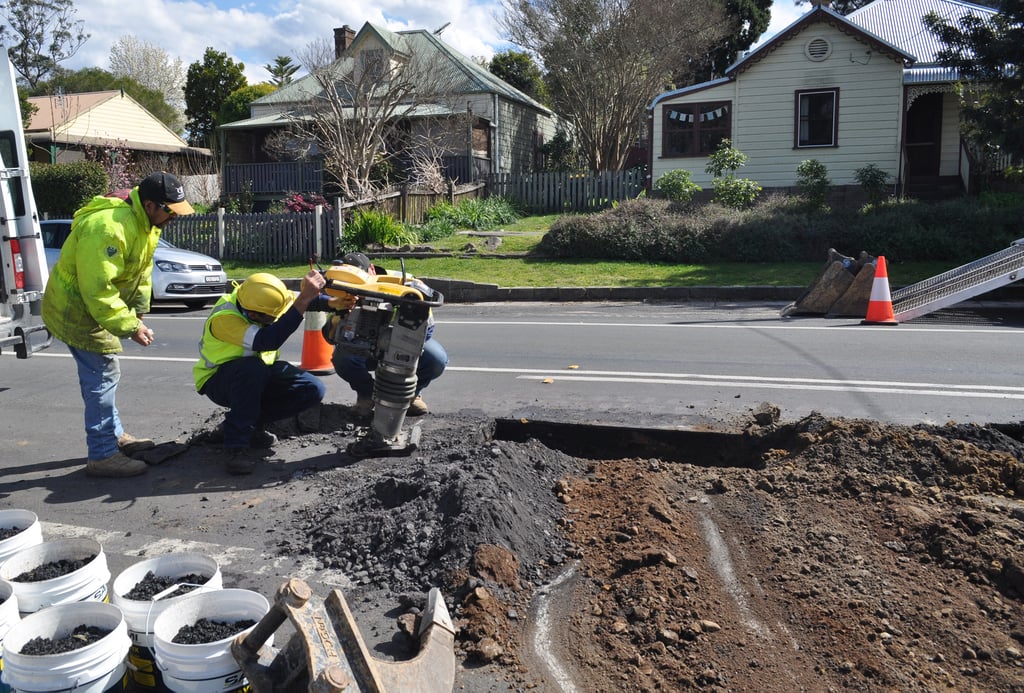
Research puts resilient infrastructure on solid ground
Groundbreaking $24 million research centre will develop sustainable technologies that stabilise the foundations underpinning major infrastructure.
News
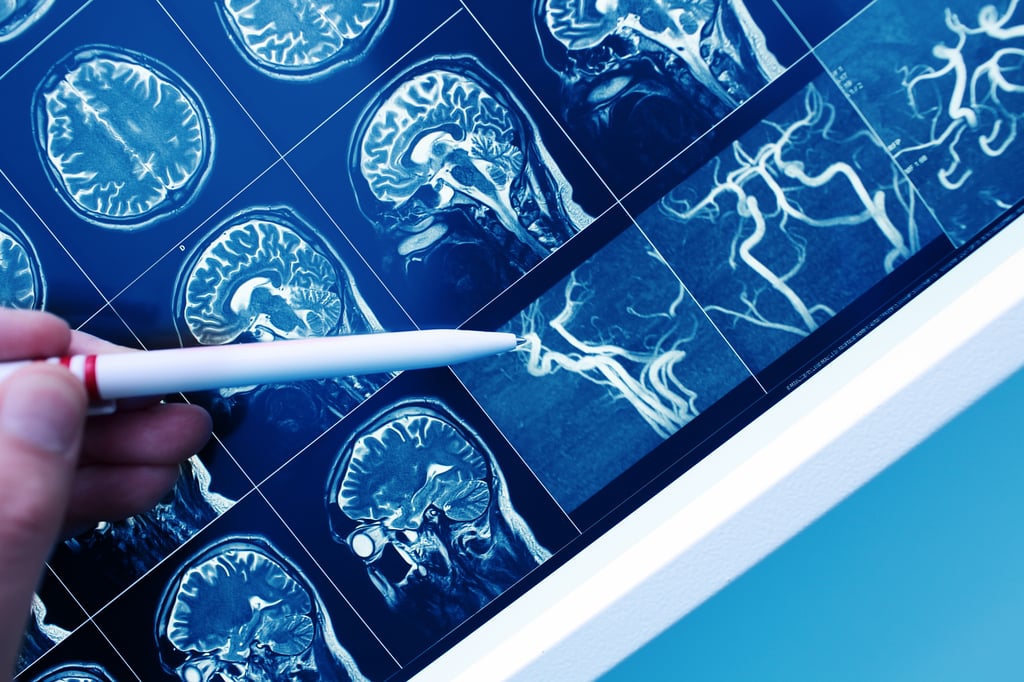
UTS researchers develop new AI tool to better predict stroke risk
New AI model analyses DNA to identify genetic risk factors for stroke, paving the way for more personalised prevention and treatment.
News
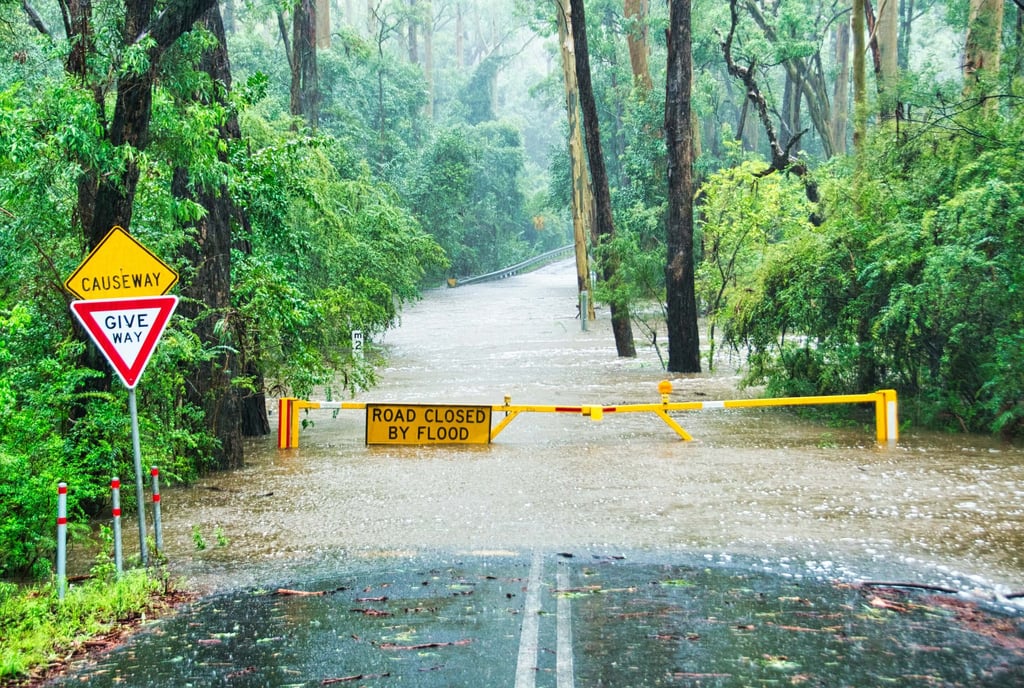
AI improves long-term flood forecasting
Through the power of advanced artificial intelligence, UTS research could help communities get warnings weeks ahead of floods.
News
Australian researchers prove world-leading flood sensing technology
UTS researchers have demonstrated the effectiveness of world-first real-time water level and rainfall sensing technology using existing mobile phone networks.
News
Research puts resilient infrastructure on solid ground
Groundbreaking $24 million research centre will develop sustainable technologies that stabilise the foundations underpinning major infrastructure.
News
UTS researchers develop new AI tool to better predict stroke risk
New AI model analyses DNA to identify genetic risk factors for stroke, paving the way for more personalised prevention and treatment.
News
AI improves long-term flood forecasting
Through the power of advanced artificial intelligence, UTS research could help communities get warnings weeks ahead of floods.