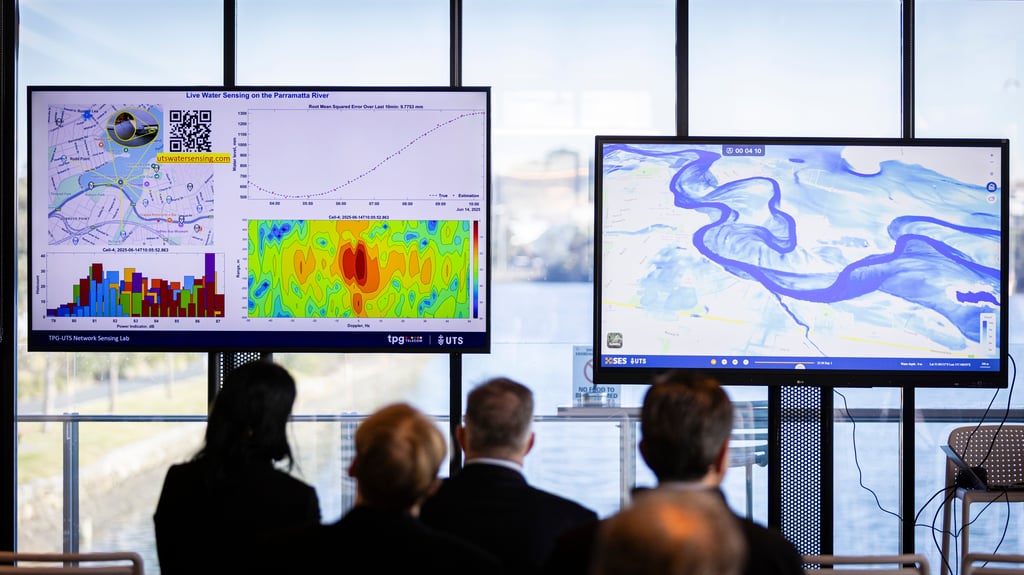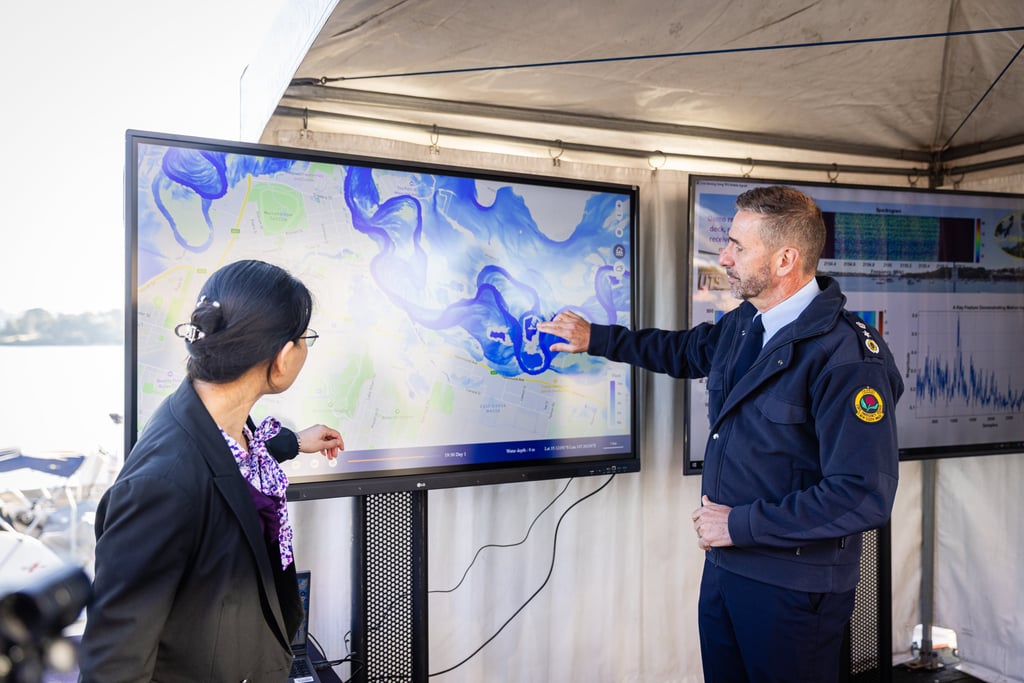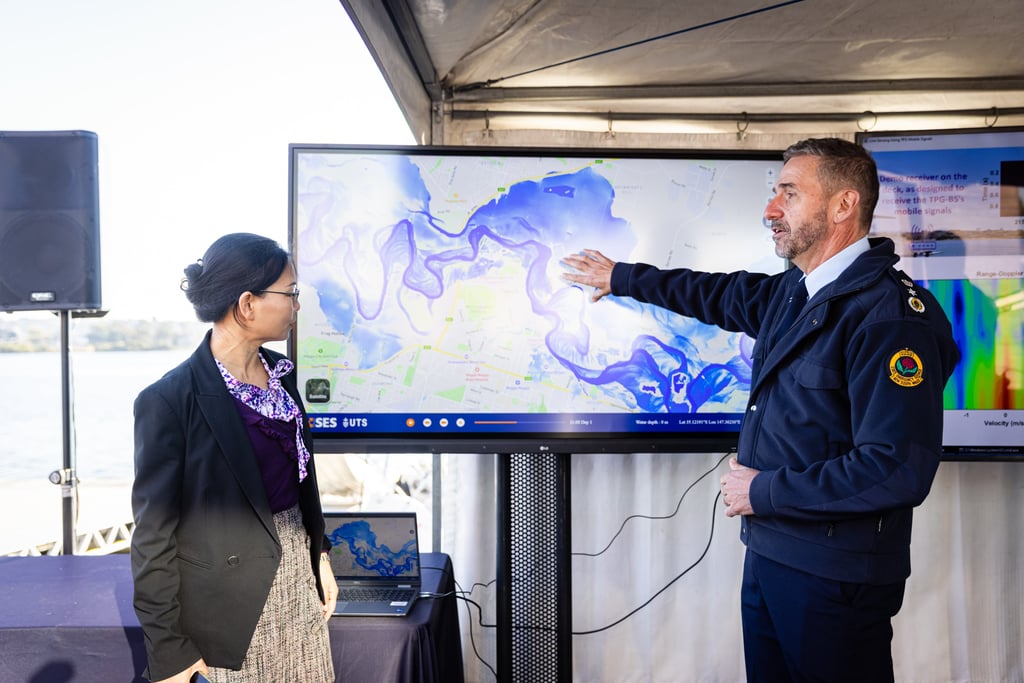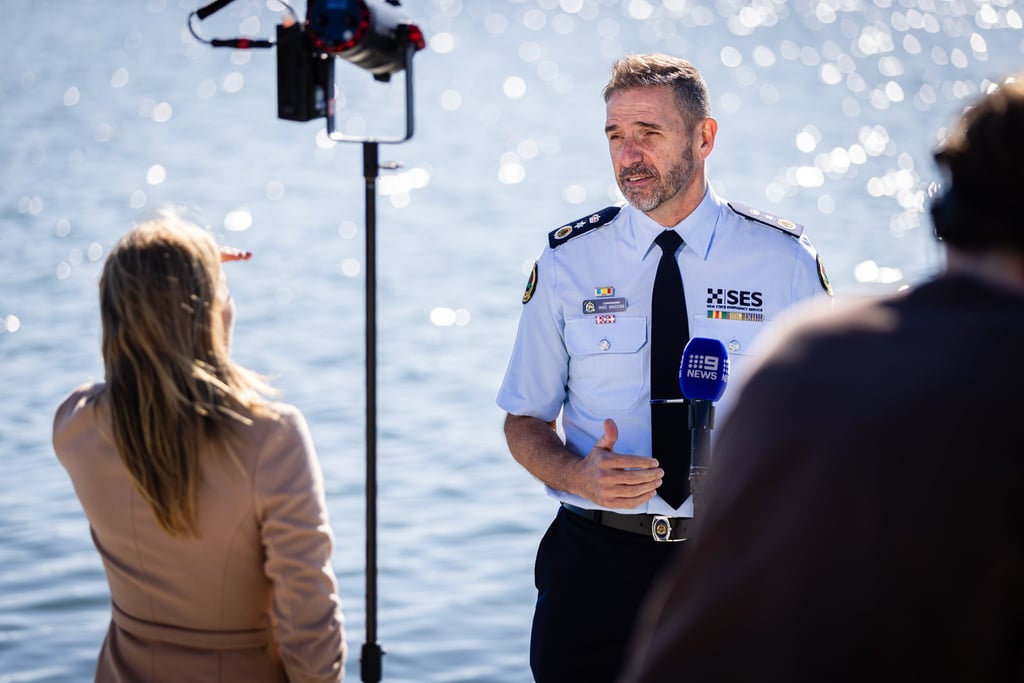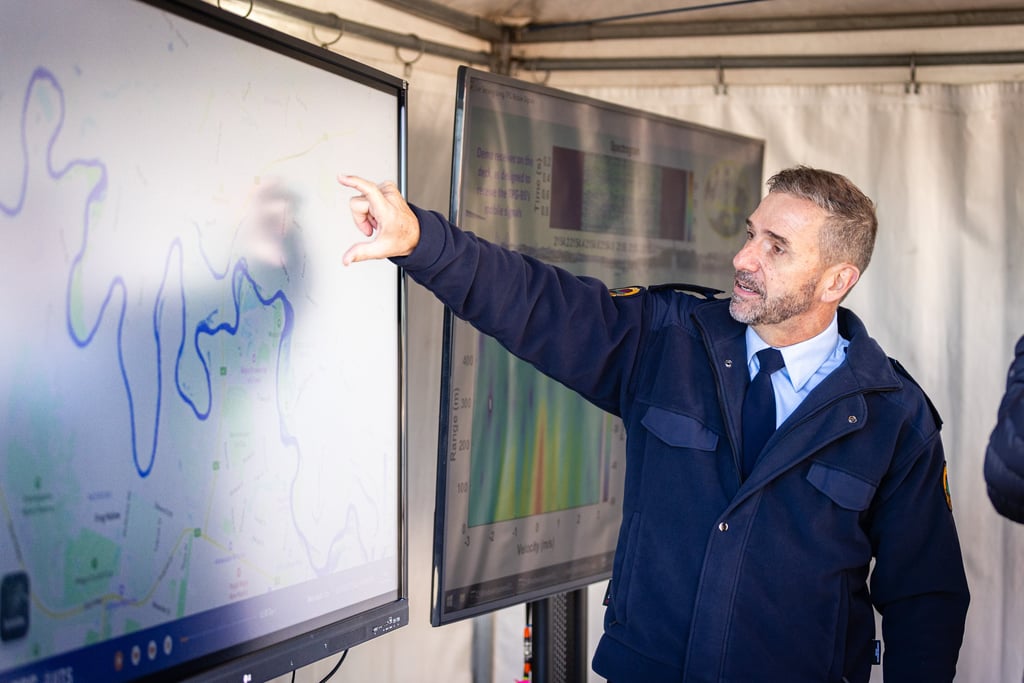
The TPG-UTS Network Sensing Lab is a partnership between TPG Telecom and the UTS Global Big Data Technology Centre, with support from the NSW Government State Emergency Services.
What is the TPG-UTS Network Sensing Lab?
The TPG-UTS Network sensing lab is the home of world-leading, cutting-edge flood sensing technology. This lab was established in 2024, as a partnership between UTS and TPG Telecom, with the aim to revolutionise the way the world responds to increasingly volatile flood and storm events.
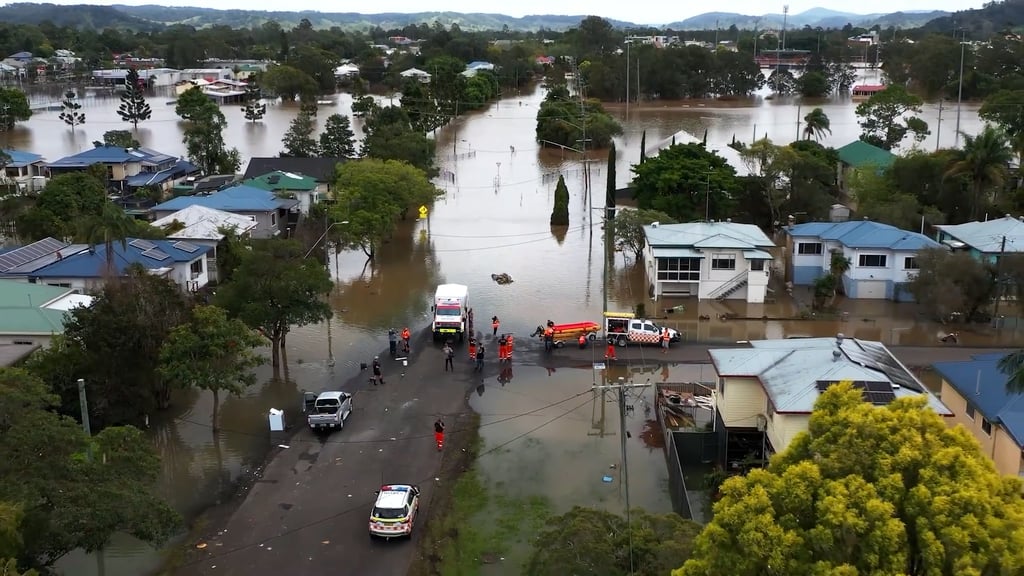
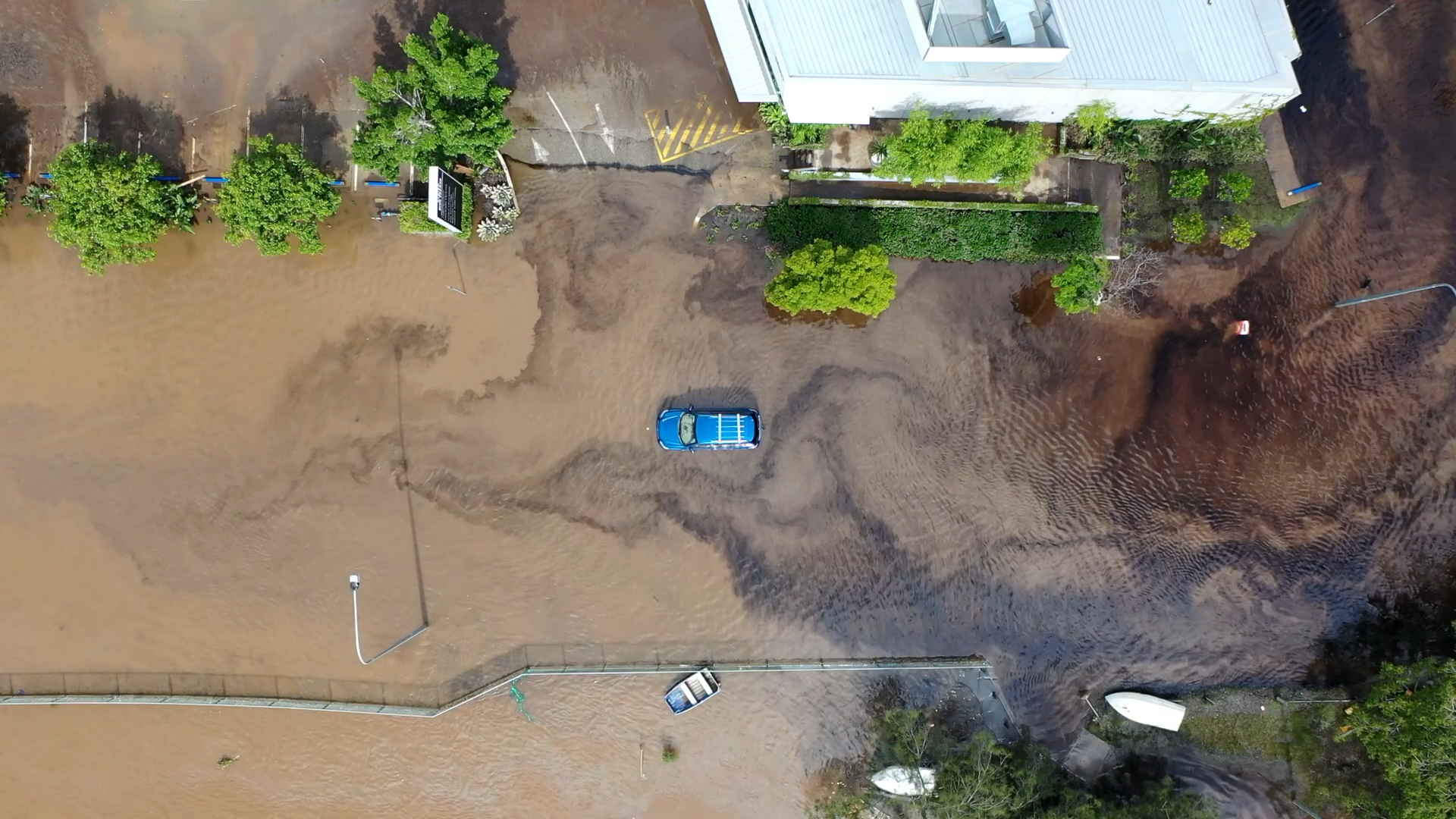
Currently, flood and storms cost Australia billions of dollars a year economically, with unmeasurable cost to human lives, physical disruptions and emotional distress. The 2022 major floods alone racked up about $3.35 billion in insured losses, with 32 lives lost. Current flood prediction takes hours to generate broad area warnings and can be inaccurate—due to the reliance on limited river and rain gauges.
The TPG UTS Network Sensing lab is working to change this. By improving flood monitoring and prediction, emergency services can improve the responsiveness of evacuation alerts—saving lives.
What is 5G Network Sensing?
The term network sensing refers to the use of existing mobile network infrastructure and signals that are used for mobile phone communication and data transfer to other uses in sensing the world around us. Although the term 5G is used in the description, the technology isn’t exclusive to 5G mobile frequency bands but also can be used with 3G, 4G, LTE and future 6G. The use of mobile signals in this way is also referred to Integrated Sensing and Communications (ISAC).
Integrated Sensing and Communications (ISAC)
ISAC refers to the use of radio signals to sense or detect various objects within the surrounding environment. Radio signals are used in all wireless communication including Wi-Fi, Bluetooth, cellular, radio and television broadcast and satellite communications.
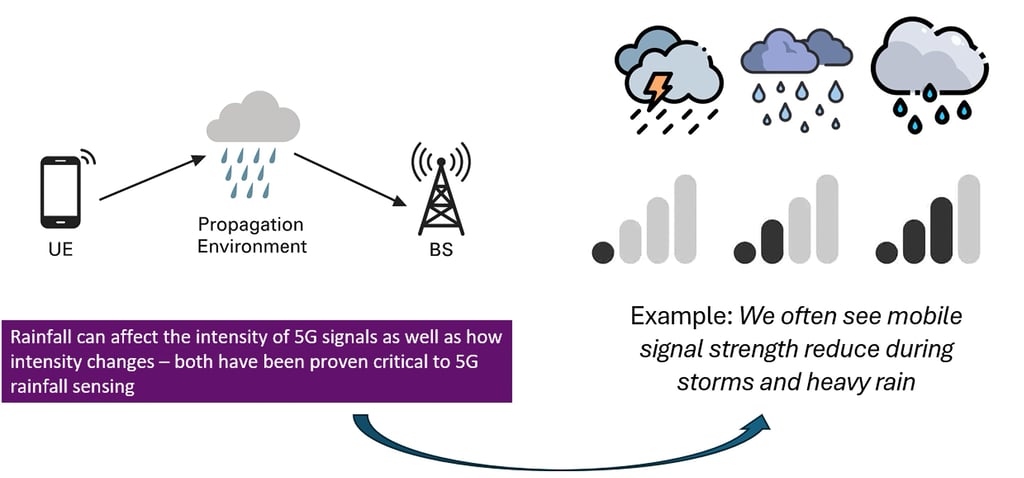
All radio signals are directly affected by the presence of objects, surfaces and atmospheric conditions. Changes in the environment cause changes to radio signals, which we can detect and interpret through signal processing.
Signal processing is a specialised field of research which analyses and interprets radio signal changes for different purposes. Well-known applications of signal processing include the Dolby Audio and Dolby Atmos systems which are used for sound enhancement, and noise cancellation which is used to remove unwanted background sounds such as in noise-cancelling headphones.
The radio signals monitored during ISAC have three key characteristics and seven additional properties which all comprise their unique signatures. The combination of these signal characteristics are fitted into a series of signal processing models, which interpret these key fingerprints via statistical fitting and machine learning into observations of rainfall rate and water level.
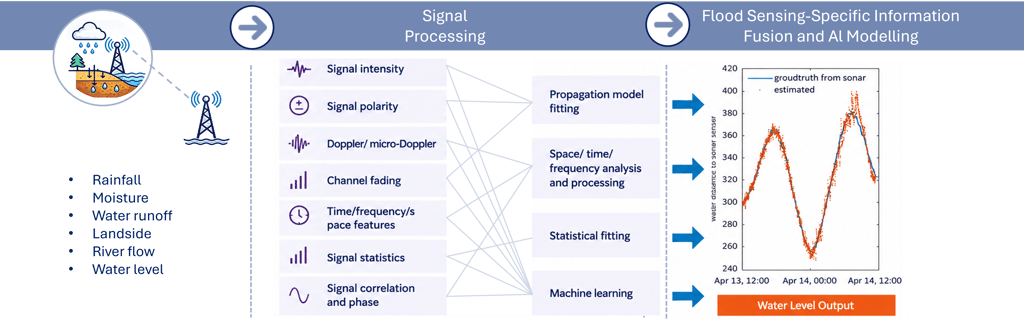
The use of ISAC can expand the use of mobile networks beyond just that of communication and has been utilised for applications such as uncrewed aerial vehicles (UAVs), automated guided vehicles (UGV) and autonomous mobile robots (AMRs). In the case of the TPG-UTS Network Sensing lab, ISAC is utilised for what is referred to as “immersive sensing”; that is, sensing of the environment around us; measuring location of rain, rainfall rates and water levels in nearby rivers and lakes. This data can be used to create a “digital twin”—in this case, a model of waterways and rivers and their interactions with rainfall. This model, in turn, can be used to provide a rapid prediction of river heights and possible flooding locations over time based on current measurements through the mobile phone network.
World-leading expertise in Integrated Sensing and Communications
UTS researchers pioneering Integrated Sensing and Communication Technology for nearly a decade
Since 2016 Dist. Professor Jay Guo, Founding Director of the UTS Big Data Technologies Centre, has been leading a team of researchers who have been pioneering ISAC technology for radar applications, as well as rainfall and water level sensing.
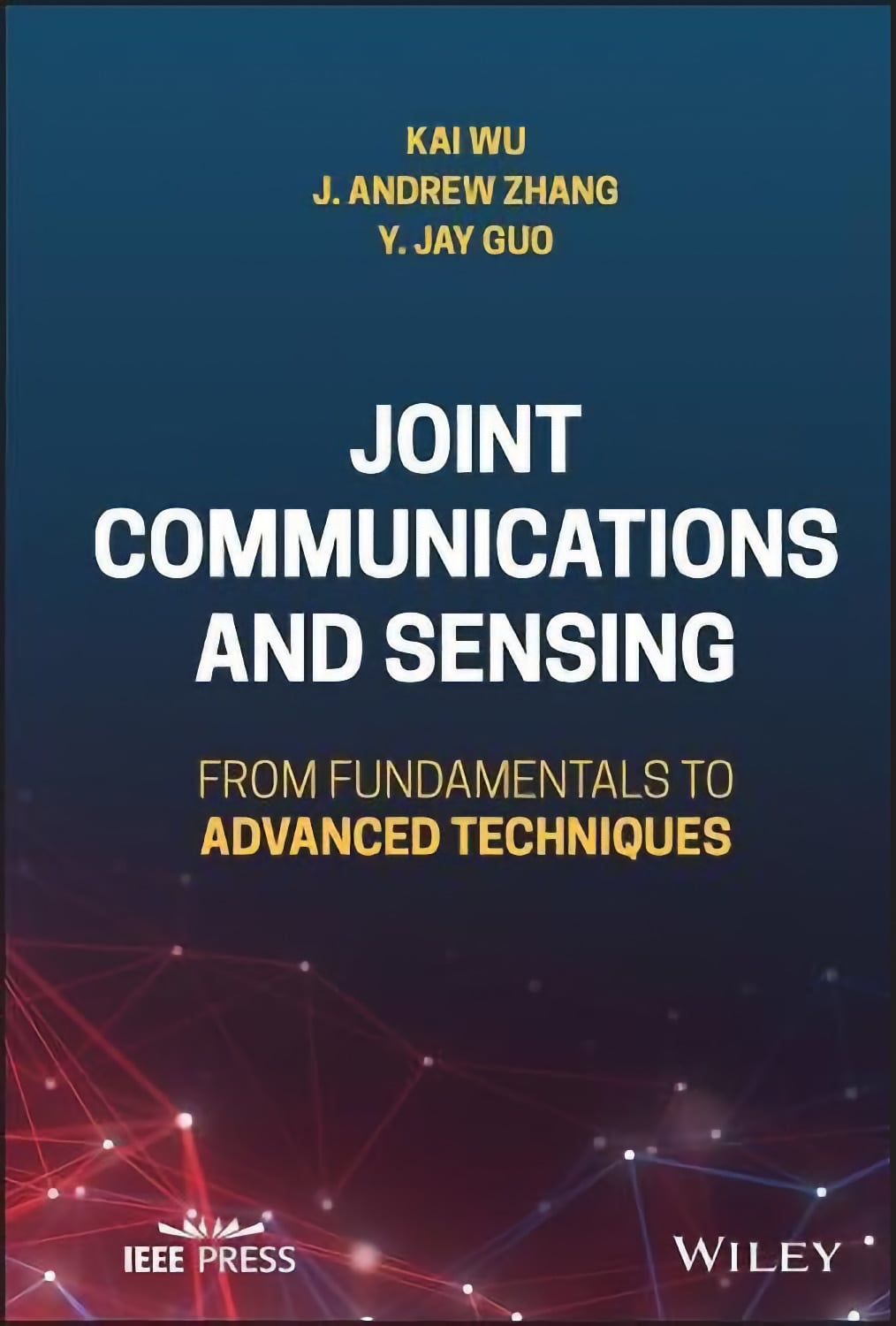
They have published numerous scientific articles on the subject, including the world’s first book on Joint Communications and Sensing (also known as Integrated Sensing and Communications, or ISAC).
This book, titled “Joint Communications and Sensing: From Fundamentals to Advanced Techniques” introduces JCAS technologies (also referred to as ISAC) and is the first book to comprehensively cover the subject. The book covers basic JCAS concepts and applications, the signal processing used, and how the sensing can be integrated into communications networks (such as 5G and 6G) and also in various radar sensing platforms and technologies.
In 2023, the team secured a $4.9M grant via NSW Government’s Digital Restart Fund months to work with the NSW State Emergency Service to develop their cutting edge ISAC technologies for flood and storm sensing.
Over the 18-month period of their collaboration with the NSW SES and TPG Telecom, the team further developed their technology and proved through a series of field trials that 5G Network sensing can be utilised to deliver unprecedented accuracy for flood monitoring and prediction anywhere in the world. This culminated in a world-first live demonstration of the Technology on 16 June 2025.
Learn more about the Network Sensing Lab
Smart Flood and Storm Intelligence
A pivotal project demonstrating world first real-time results and high accuracy in the field
TPG Telecom partners
It’s easy to find researchers, but it’s difficult to find researchers who can translate results into practical real-world impacts
In the media
Establishing the TPG-UTS Network Sensing Lab
Pioneering network sensing for real-time flood intelligence.
NSW Government media release
NSW Government unveils innovative flood and storm intelligence project.
Flood and storm Intelligence sensing
New data to help our emergency storm and flood response, and better protect people and properties.
Meet the leadership team
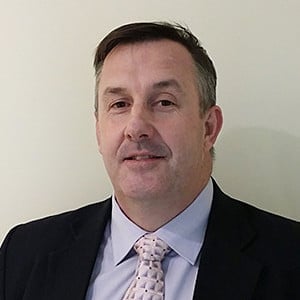
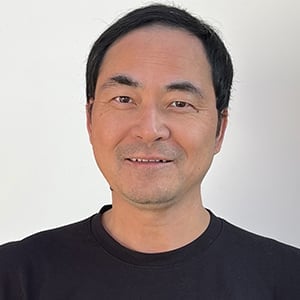

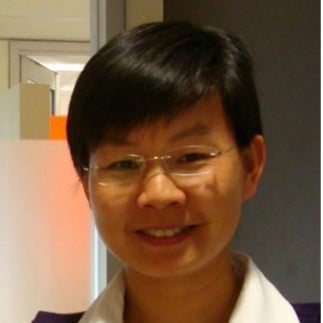
Associate Professor Wenjing Jia
Advisor for Digital Twin
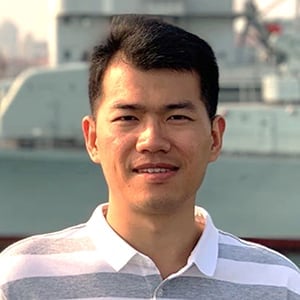
Dr Kai Wu
System Architect
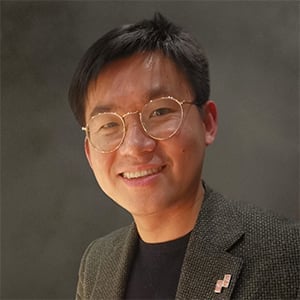
Dr Stanley Chen
Engineering Manager
Grants and awards
Our groundbreaking technology has been recognised by the NSW and Federal government through targeted grants:
| Year | Title | Amount |
|---|---|---|
| 2023 | Smart Flood and Storm Intelligence Project | $4.9M |
| 2024 | Telecommunications Disaster Resilience Innovation Grant | $1.2M |
| 2025 | Australian Research Council Industry Early Career Fellowship | $680k (total) |
Frequently asked questions