


A network of support for LGBTQIA+ staff and students.
Across UTS you’ll find over 219 allies from 32 faculties, schools and departments. Find out who they are, what they do and how to get support when you need it.
What are UTS allies?
The UTS Ally program is a visible community of empathetic UTS staff that support LGBTQIA+ students and staff members.
Allies are trained over two workshops, where they explore terminology and language, find out about resources and learn more about some of the experiences that LGBTQIA+ communities may face. Allies go on to take a more active role in solidarity with LGBTQIA+ communities here at UTS and beyond.
Whether it’s to better support students or for a more personal reason, many staff members have their own story for why they sign up to become an ally.
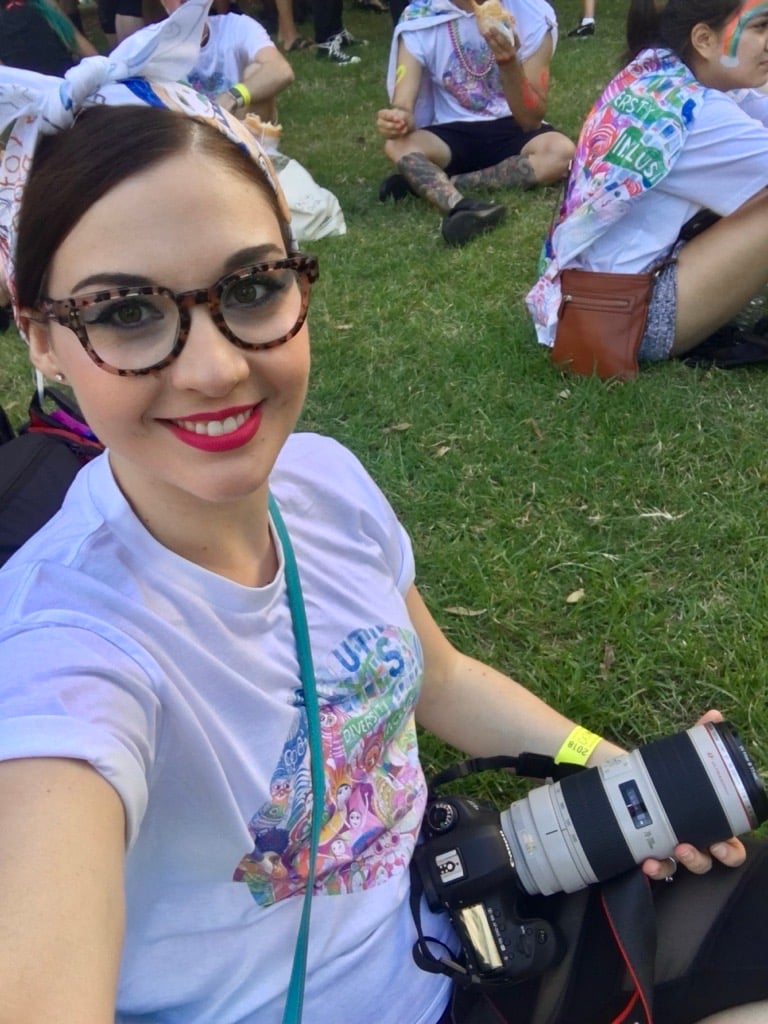
“I decided to become an ally after I met this wonderful student at Mardi Gras who told me for the first time she felt truly herself and accepted. Everyone has the right to always feel that way and know that others around them want that too.”
Rebecca Garofoletti
Digital Content Producer and UTS ally
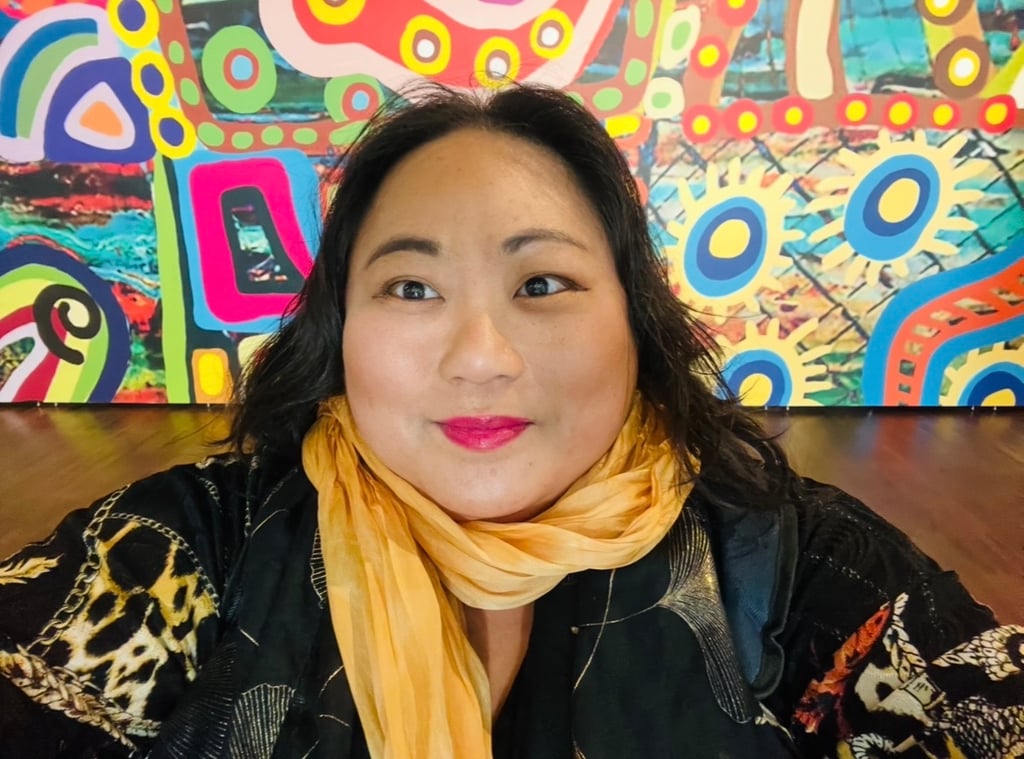
“Showing up for the LGBTQIA+ community has always been a natural part of my life, and being an ally at work is my way of giving back–just as my queer family has always shown up for me.”
Elaine Laforteza
Equity, Diversity and Inclusion lead and UTS ally

“I wanted to be able to contribute to that sense of community at UTS, to be visible in the often invisible web of support.”
Penni Russon
Senior Lecturer and UTS ally
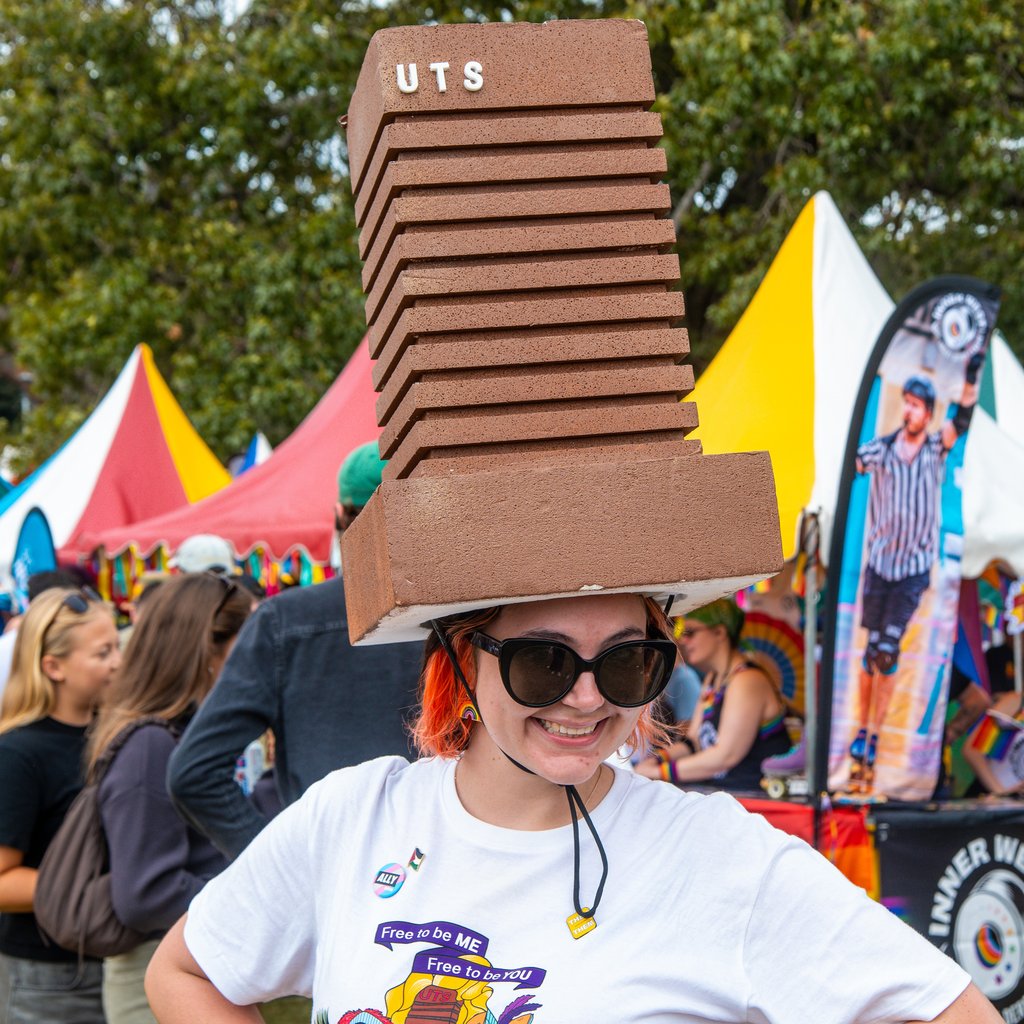
“A key takeaway from the training for me was realising the cultural differences in coming out and how because my own experience with my family and friends was mostly positive doesn't always mean that others ‘just need the courage.’”
Micah Hawkins
Records Advisor and UTS ally

“The old saying ‘We are all in this together’ never made more sense... and was never more needed than NOW.”
Alejandra Mery Keitel
Lecturer and UTS ally
Who are they for?
UTS allies are for any students and staff who identify as lesbian, gay, bisexual, trans, intersex, queer and/or asexual and anyone who belongs to a sexual or gender minority (and anyone who’s questioning!).
The UTS Ally program aims to promote acceptance, understanding and respect at UTS by placing LGBTQIA+ empowerment and visibility at its core, offering a network of people who are there to listen if needed.
How do I contact an ally?
If you’re in need of friendly support or you just want to chat to someone who gets it – you can reach out to a UTS ally by email. The UTS ally database (Sharepoint website) shows everyone who’s available to reach out to, by faculty or different units around UTS.

Can I become an ally if I’m a student?
Currently, only UTS staff members can sign up to become allies through the program. The good news is you can still be an ally in your everyday life. Associate Professor Amanda White – one of UTS’s early allies – says allyship doesn’t need to be complicated. Small, consistent actions make a difference.
Amanda’s tips for showing up as an ally
- Call out inappropriate behaviour. "It’s important to stand up and say ‘that’s just not right’," says Amanda.
- Lead by example. Use pronouns, share inclusive resources and model respectful language.
- Turn up, volunteer, amplify. Attend Pride events, support student societies and share content with your networks when you can.
If you’re looking for ways to get involved in queer activism, make friends and connect with the LGBTQIA+ community on campus, The UTS Queer Collective is a great place to start.
Where else can I get support at UTS?
If you’re in need of support, the UTS Counselling Service is here for you. During the first session, you and your counsellor will usually chat about what’s been going on, what you want to achieve from counselling, and what kind of support you need. Then, you’ll come up with a plan for moving forward together – if that's what you’re after. That might mean more appointments with the Counselling Service or a referral to external services that can offer additional or more frequent support.
Whatever the outcome, the most important thing is that you know there’s always someone to help!
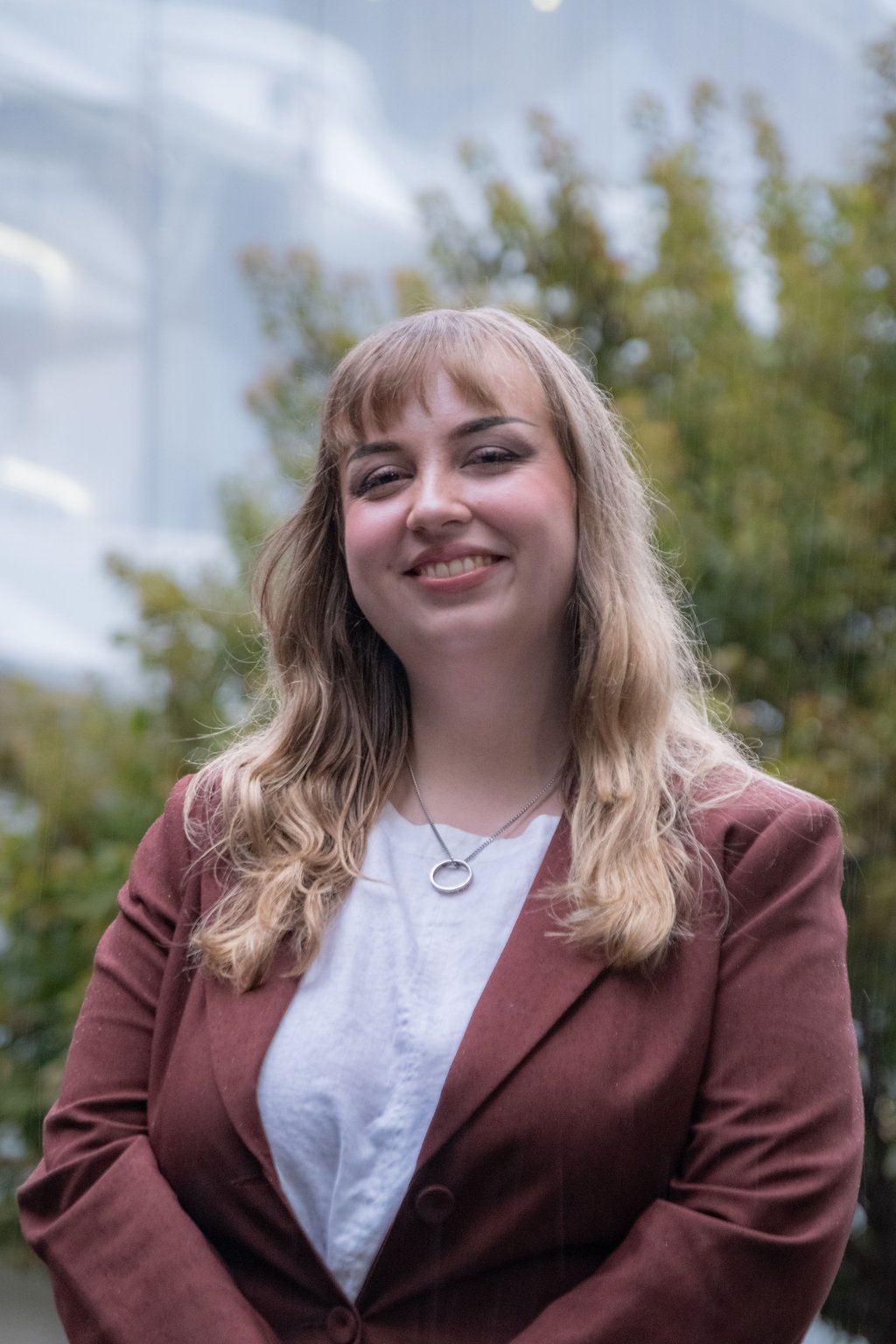
How Freddy found her voice and helped create a more inclusive uni
Frederikke Thorup spent years wondering why she didn’t fit in. As a student disability advocate at UTS, she’s finally found her place.

How to study like an elite athlete
Associate Professor Blake McLean, sports scientist and Director of the High Performance Sport program at UTS, shares five lessons students can learn from elite...
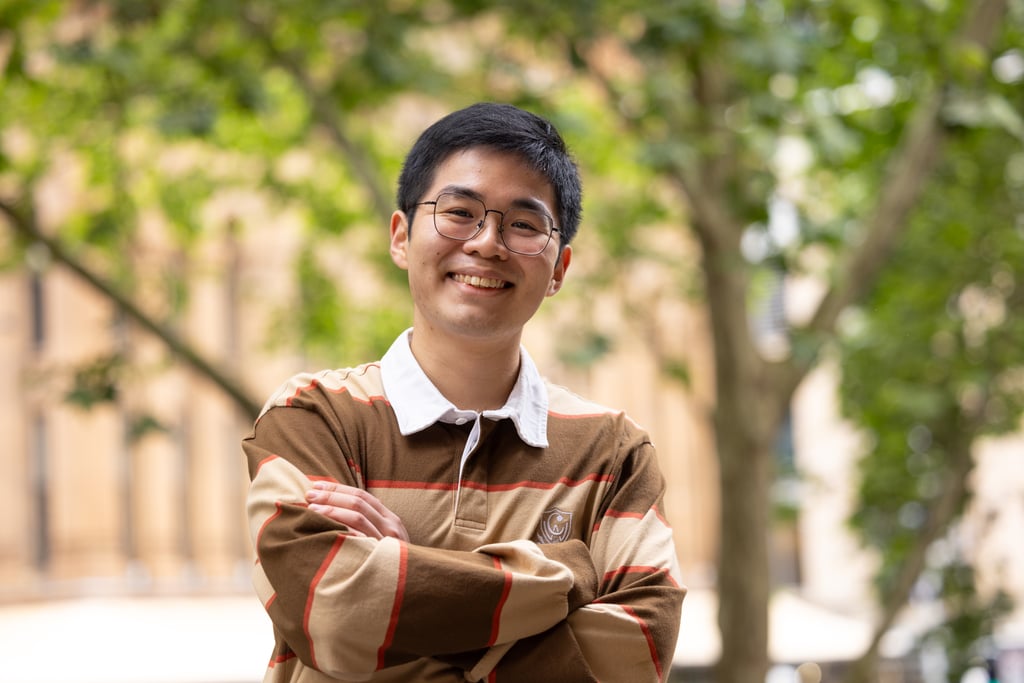
Making the most of university... one yes at a time
When Leon arrived at UTS, he didn't have a detailed career plan. What he did have was curiosity, an open mind and a willingness to say yes to opportunities.
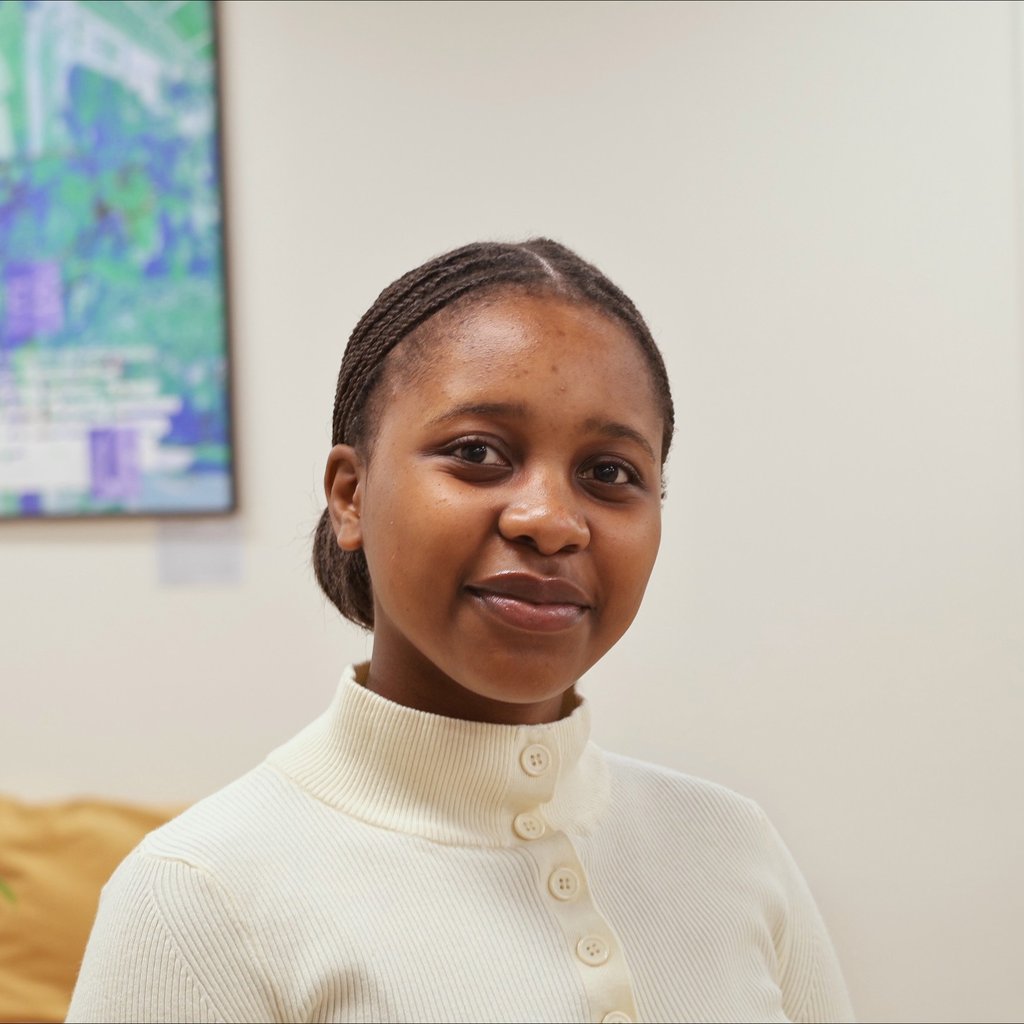
Finding connection and community at UTS
As a Wellbeing Rep and international student, Nenyasha has seen first-hand what helps students navigate stress, loneliness and the pressures of university...
How Freddy found her voice and helped create a more inclusive uni
Frederikke Thorup spent years wondering why she didn’t fit in. As a student disability advocate at UTS, she’s finally found her place.
How to study like an elite athlete
Associate Professor Blake McLean, sports scientist and Director of the High Performance Sport program at UTS, shares five lessons students can learn from elite...
Making the most of university... one yes at a time
When Leon arrived at UTS, he didn't have a detailed career plan. What he did have was curiosity, an open mind and a willingness to say yes to opportunities.
Finding connection and community at UTS
As a Wellbeing Rep and international student, Nenyasha has seen first-hand what helps students navigate stress, loneliness and the pressures of university...