


When you think of a sustainability career you might picture a field scientist collecting water samples, or an ecologist mapping habitats. While those roles are important, they represent only a small part of the work happening in the field.
That narrow view can make it harder for people to see where their skills might fit, and the impact they could have.
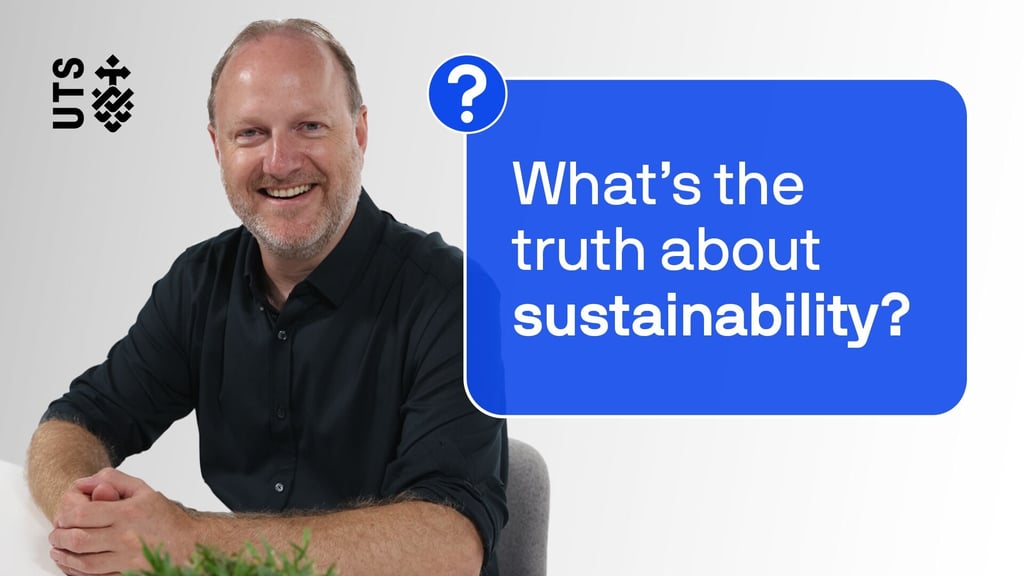
According to Associate Professor Alex Baumber, a sustainability researcher at UTS, most sustainability jobs look very different from what many people expect.
“A lot of sustainability careers aren’t out in the environment. They’re office-based roles, focused on working with people and embedded within organisations,” Baumber says.
He shares 7 careers that contribute to sustainability without fitting the traditional ‘environmental job’ mould.
7 sustainability careers beyond environmental roles
Today, sustainability work spans industries and disciplines including business, policy, design, communication and supply chains. Many of the most influential roles don’t involve working outdoors at all, instead, they help shape decisions from within organisations.
So what does that look like in practice?
1. Corporate sustainability and governance
One of the fastest-growing areas is inside organisations. Many companies now have sustainability teams that set strategy, manage risk and prepare for future challenges like climate change and new regulations.
This work is less about working directly with the environment and more about decision-making. It involves understanding how exposed a business is to climate risk, how policy changes like carbon pricing may affect operations, and what needs to change across teams and supply chains. These roles help connect business decisions with long-term planning.
2. Auditing and lifecycle analysis
Some roles focus on measuring impact. Lifecycle analysts and environmental auditors look at the full life of a product or service.
Auditing and lifecycle analysts look at:
- Where materials come from
- How products are made
- What happens in the supply chain
- What happens at the end of life
3. Government and policy roles
Sustainability is no longer confined to environmental departments. Across local, state and federal government, it now reaches into a wide range of agencies and functions, from sustainability officers within councils to policy advisors shaping climate strategy to program managers delivering community initiatives like recycling or restoration projects.
At the local level especially, the work is practical and community-facing, translating broad goals into everyday programs that people actually encounter.
4. Design and innovation
Design is one of the most powerful, and often overlooked, pathways in sustainability.
This goes well beyond product design. Designers are shaping services, systems and behaviour. They ask questions like: Can we reduce waste through better design? Can we use fewer materials or less packaging? Can we influence how people use and dispose of products? How can we design cities and spaces that support more sustainable ways of living?
This might include redesigning packaging, but it can also mean creating reusable systems, improving public transport, or designing spaces that make low-impact choices easier. The shift away from single-use plastics, for example, is often driven as much by design as by policy.
That makes design a powerful driver of change. It shapes not only what is made, but how systems work and how people live within them.
5. Start-ups and the circular economy
Start-ups are another space where sustainability takes creative new forms. Many are built around solving a specific problem, such as redistributing unused food, extending the life of clothing, creating reuse or sharing systems. These businesses are often part of the circular economy, focused on keeping resources in use for longer and reducing waste at a systems level.
Unlike more traditional roles, startups tend to be purpose-driven from the ground up: identifying a problem and building a solution to it.
6. Sustainable supply chains
Sustainability doesn’t stop at the product. It also includes everything that happens behind the scenes, from extracting raw materials to the energy we use to transform them, to how we deliver the final product.
People in these roles look at how goods and materials move through a supply chain. They identify where the biggest impacts occur, whether that’s sourcing, production or transport, and where changes can be made.
This might involve choosing different materials, working with new suppliers, or changing how products are made and delivered. The goal is to reduce impact across the whole system, not just one stage.
As organisations face growing pressure to measure and report their impact, this kind of work is becoming essential.
7. Communication and behaviour change
Not all sustainability work is technical. Communication plays a key role in driving change. It helps people understand issues, engage with solutions and change their behaviour.
This might involve turning complex data into clear messages, running campaigns, or working across teams in a large organisation.
Without clear communication, even strong ideas can fail. The gap between a good idea and one that people use is often a communication problem.
Rethinking what a sustainability career looks like
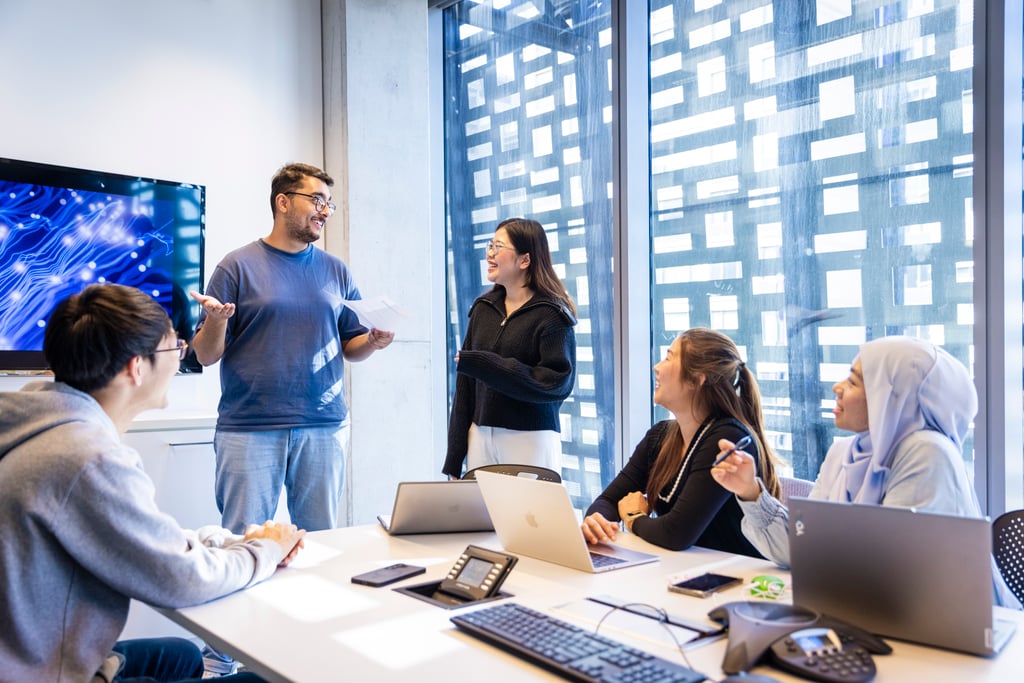
One of the most persistent misconceptions is that sustainability careers are only for environmental science graduates. In reality, they span business, design, communication, policy and technology, and are often collaborative, people‑focused roles that work across disciplines rather than in isolation.
This reflects a broader shift. Sustainability is no longer a niche responsibility but an expectation across industries, driven by regulation, organisational risk management and growing public pressure.
As organisations move from reporting and measurement towards strategy and action, there is increasing demand for people who can turn data into decisions and lead change across systems and teams.
“It’s often skills like collaboration, critical thinking and systems thinking that help you ask the right questions and find new solutions,” Baumber says.
As sustainability work continues to evolve, these capabilities are becoming just as important as technical knowledge, opening up career pathways well beyond traditional environmental roles.
Find out more about the skills needed for climate solutions.
Featured researcher

Director, Teaching And Learning, Faculty of Law
Webpage
Why communication matters and simple ways to get better at it
Want your ideas to make an impact? Dr Joshua Pate reveals why communication is key and how to get better at it.
Webpage
What it’s really like to be a sports scientist
Associate Professor Blake McLean shares what sports scientists do, where they work and the skills it takes to help athletes perform at their best.
Webpage
How to study like an elite athlete
Associate Professor Blake McLean, sports scientist and Director of the High Performance Sport program at UTS, shares five lessons students can learn from elite...
Webpage
Making the most of university... one yes at a time
When Leon arrived at UTS, he didn't have a detailed career plan. What he did have was curiosity, an open mind and a willingness to say yes to opportunities.
Webpage
Why communication matters and simple ways to get better at it
Want your ideas to make an impact? Dr Joshua Pate reveals why communication is key and how to get better at it.
Webpage
What it’s really like to be a sports scientist
Associate Professor Blake McLean shares what sports scientists do, where they work and the skills it takes to help athletes perform at their best.
Webpage
How to study like an elite athlete
Associate Professor Blake McLean, sports scientist and Director of the High Performance Sport program at UTS, shares five lessons students can learn from elite...
Webpage
Making the most of university... one yes at a time
When Leon arrived at UTS, he didn't have a detailed career plan. What he did have was curiosity, an open mind and a willingness to say yes to opportunities.