


Rather than follow a set path, Nat Farah followed his interests – and found his dream career in nursing.
Nat Farah didn’t begin university intending to become a nurse. He originally enrolled in a combined arts and education degree, working towards a career as a high school teacher. But partway through his studies, something began to feel off.
“I got to a point where the degree just wasn’t fitting for me,” he says.
There wasn’t one defining moment, but a series of experiences that began to shift how Nat saw his future. One came while working in after‑school care, when he stepped in to provide first aid to a child with a head injury.
“That kind of planted a little seed,” he says.
Soon after, a family friend who worked as a registered nurse invited him to spend a day on the ward. Watching her care for patients, things began to fall into place.
“It was this light‑bulb moment. I realised this feels right. This feels like me.”
Encouraged to explore nursing further, Nat began researching his options. After attending a UTS Open Day, he decided to apply for the Bachelor of Nursing.
Choosing UTS
When Nat attended UTS Open Day, what struck him immediately was the people.
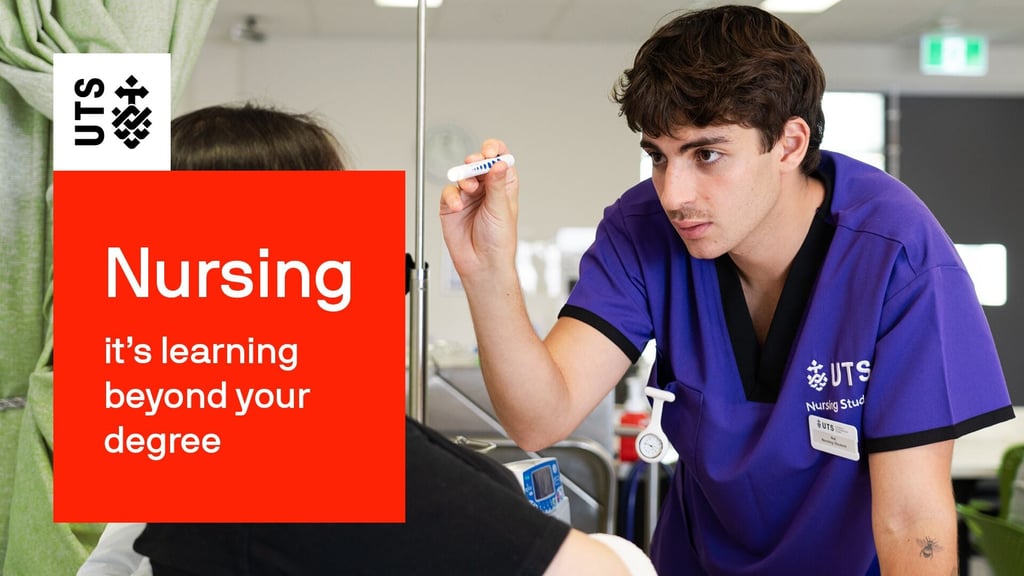
Students in purple scrubs moved through campus, chatting and laughing, books in hand. Even without knowing anyone, there was a sense of connection.
But it wasn’t just appearances that made the difference – it was what the students said. They spoke openly about the pressure, workload and emotional demands of the degree, alongside the rewards.
“It didn’t feel like a veneer, it felt like real honesty,” Nat says.
“Yeah, the degree can be challenging, but that’s what makes it wonderful.”
For Nat, that openness signalled something deeper about the culture at UTS and something he knew he wanted to be part of.
Learning to care
From the beginning, one idea shaped how Nat approached nursing: care comes first.
“Person-centred care is kind of the cornerstone of the degree,” he says.
That philosophy is introduced early and carried through everything, from classroom discussions to clinical labs. Before focusing on technical precision, students are taught how to communicate, build trust and respond to people as individuals.
For Nat, that idea is deeply personal. Growing up with a chronic condition meant spending time in hospital as a child and remembering the nurses who made those moments easier. Even in moments of fear, their warmth and reassurance made a lasting impression. Those memories have stayed with him and are shaping the kind of nurse he is working towards becoming.
At the end of the day, if you're not treating people like people, then you can't be a good nurse.
Support in the classroom
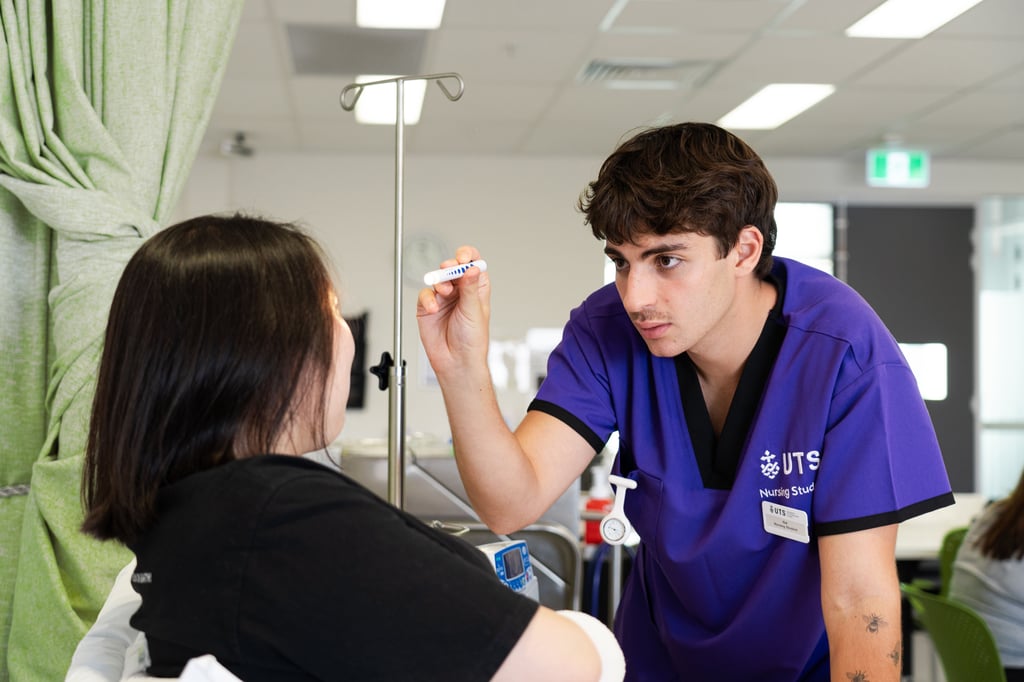
There was no doubt in Nat’s mind he had made the right decision when he walked into his first nursing class.
“It was about the mitochondria and every specific part of the cell. I thought, okay, here we go. This is great. This is challenging,” he says.
That sense of confidence didn’t come without challenges. Nat has a visual processing disorder and dyslexia, learning differences that had gone largely unaddressed earlier in his education. At high school, he was often overlooked rather than supported.
At UTS, that changed.
“I’ve had the most fantastic accessibility officer. She’s advocated for me, and the teaching staff have been so accepting and proactive about accommodating my needs,” he says.
Whether it meant receiving learning materials in formats compatible with voice‑to‑text software or accessing content earlier to allow extra processing time, support was practical and immediate.
“Sometimes, when I asked for adjustments, I felt this hesitation, almost a sense of guilt,” he says.
“But that disappeared very quickly. Accessibility officers and staff are so open and keen to help.”
The classroom environment itself also suited the way Nat learns. Lecturers draw on their own clinical experience, and classes prioritise discussion, mind mapping and small‑group work over passive listening.
“No time feels wasted; everything has a purpose. You never feel like you’re just sitting there watching a documentary,” he says.
When you learn with purpose, you learn beyond your degree.
Into the labs
That same approach carried through into the labs.
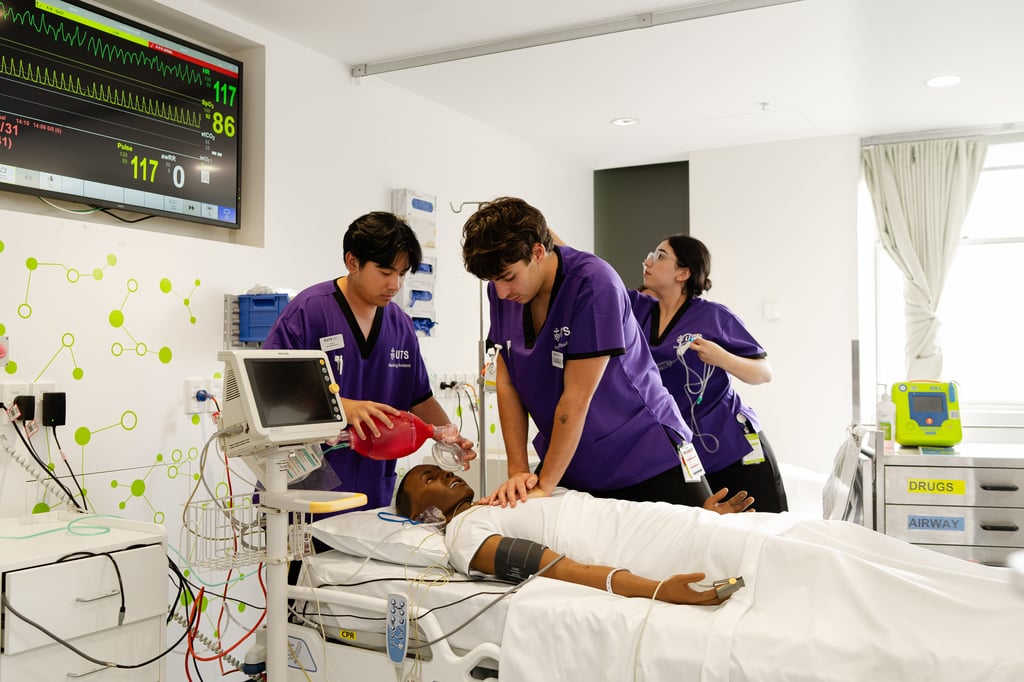
From his very first practical class, Nat noticed how different the hands‑on side of the degree felt. Learning happened in small groups, with two experienced nurses in the room, equipment always on hand, and a culture where mistakes weren’t something to be embarrassed about, they were part of the process.
“It’s a space where you can learn, ask questions and make mistakes. That’s how you build knowledge,” he says.
He remembers learning how to manually take blood pressure in first year, a skill that challenges most nursing students early on.
“You’re like, ‘Where does the stethoscope go?’ What am I feeling for?’,” he says.
“They were patient, and they explained how it really works on the ward, how it flows in practice, not just in theory.
“By the time assessments come around, you feel prepared, comfortable and confident.”
Going the extra mile
For Nat, that support extended beyond the class schedule. One person who made a lasting impression was Gabi, a registered nurse who runs masterclasses alongside the core curriculum, offering students one‑on‑one learning grounded in real clinical experience.
As Nat’s interest in paediatric nursing began to grow, he emailed Gabi to ask whether she might be able to help him get some extra practice. He didn’t expect a reply.
The next day, she responded.
Gabi organised a paediatric mannequin, designed a case scenario and walked Nat through a full paediatric cardiac assessment, including how to perform an ECG – a skill beyond what most second‑year students would encounter.
“She went completely above and beyond,” Nat says.
“That kind of ultra‑specific, one-on-one learning is something you don’t get everywhere.”
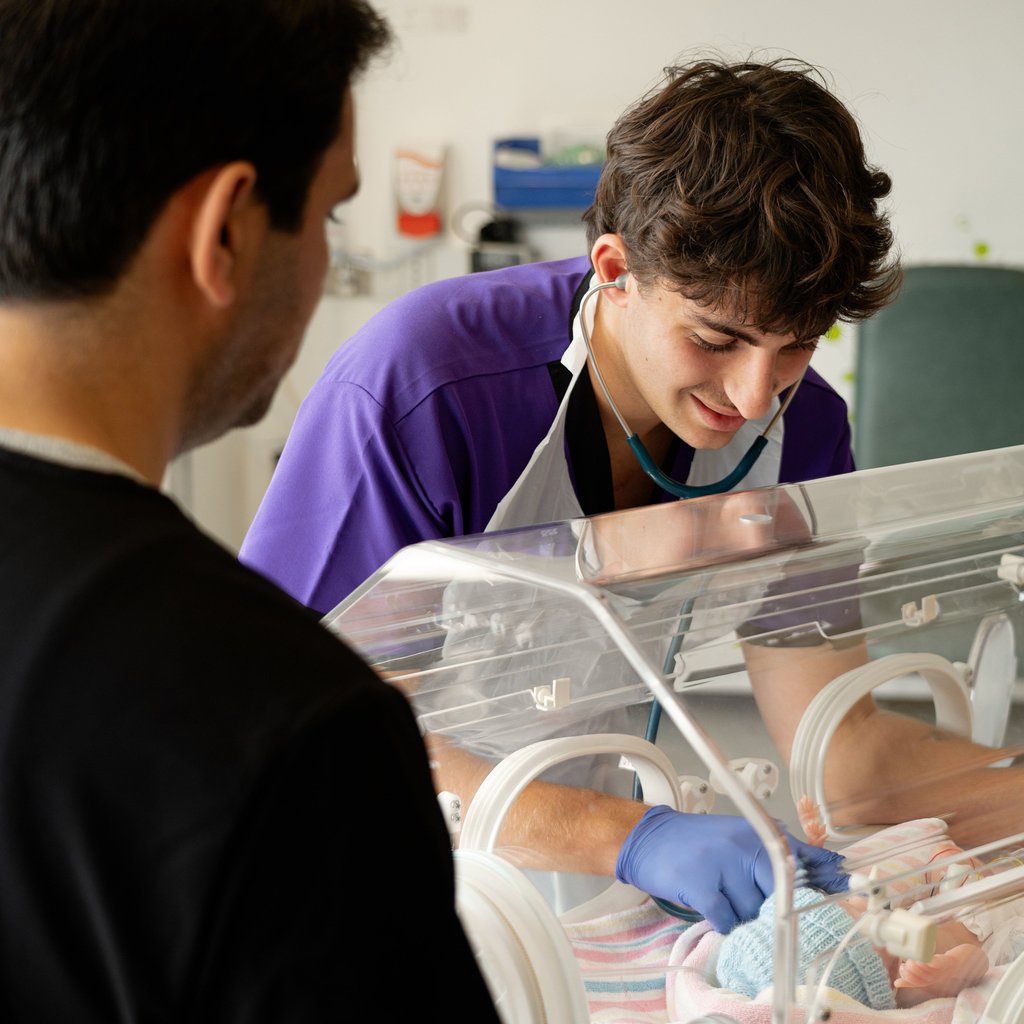
The specialised learning gave Nat confidence and practical skills he has since been able to use during his paediatric nursing emergency placements.
It also helped solidify his direction. Nat has chosen paediatric studies as his core elective in his final year and hopes to one day work as a paediatric nurse practitioner.
Finding community
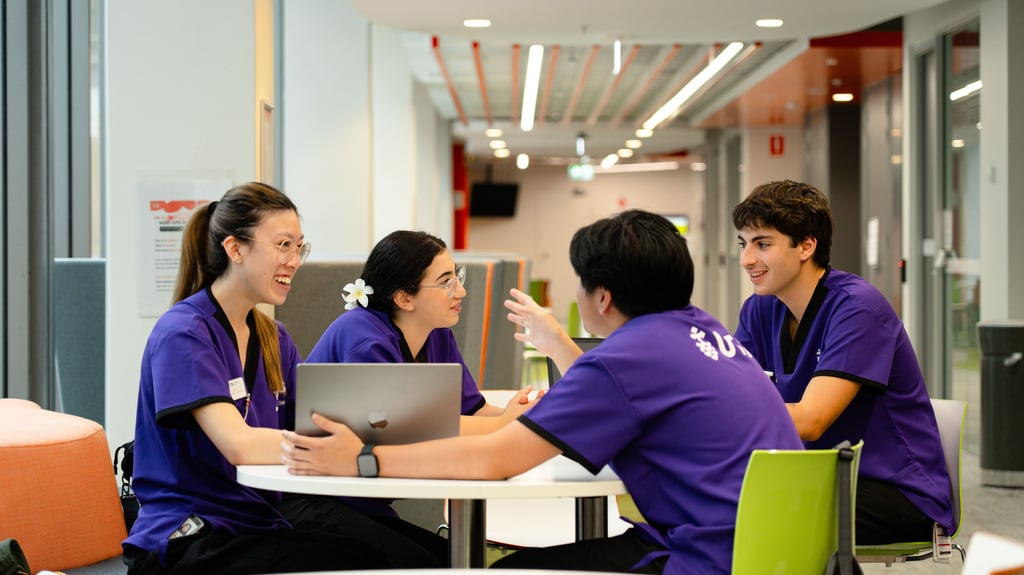
Through the degree, Nat has found more than a profession: he’s found a community. Some of his closest friendships have come from nursing.
Students tend to gather near the nursing station before and between classes, heating up dinners, swapping placement stories and comparing notes across year groups.
“It’s this melting pot of experiences. You might not know someone, but you look at them and smile, because there’s that shared understanding,” he says.
On longer breaks, the group heads outside to Alumni Green to eat, catch up and sometimes work through content together. Collaboration comes naturally.
“There’s never really a competitive element,” he says.
“It’s always about how we can make the experience the best it can be for the patient at the end of the day.”
He has also taken part in the peer mentoring program, supporting first‑year students through early clinical subjects – the same ones that challenged him not long ago.
“I remember being in their position. I tell them not to stress. You learn these skills – it comes with time,” he says.
What’s next
Nat entered the degree with a fairly fixed idea of what nursing would look like. Now into his third year, that picture has widened.
“I thought there was only one path. Now I realise the scope of what it means to be a nurse is so much bigger than I ever imagined,” he says.
Rural placements, international opportunities and specialisations he hadn’t previously considered have all come into view. He now plans to pursue further study, possibly a master’s, with a long‑term goal of becoming a nurse practitioner.
Alongside his studies, Nat has been working as a First Nations youth mentor for kids in Out-of-home care (OOHC) – a role that began around the same time he completed a UTS subject focused on First Nations health. The two experiences ran in parallel in a way that felt deeply connected.
“What I was learning at uni was inspiring what I was doing at work every day,” he says.
“When you learn with purpose, you learn beyond your degree.”
For anyone considering a similar leap, especially those who haven’t taken a straight path, Nat’s advice is simple.
“Be brave. Take risks. Take opportunities,” he says.
“Don’t be afraid to ask questions, to learn, to make mistakes. Just go in and enjoy everything university has to offer, because there is so much.”

Webpage
Why communication matters and simple ways to get better at it
Want your ideas to make an impact? Dr Joshua Pate reveals why communication is key and how to get better at it.
Webpage
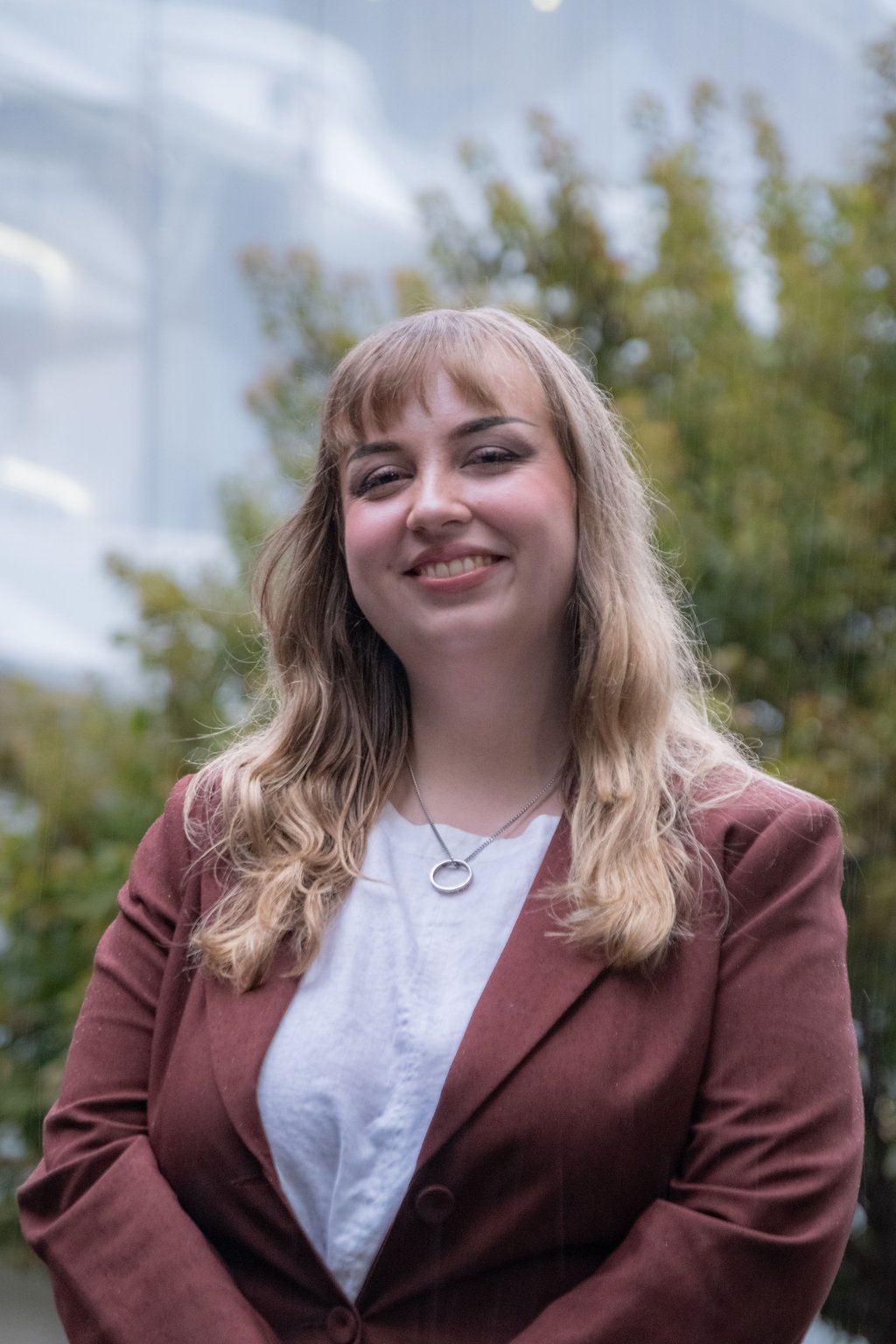
How Freddy found her voice and helped create a more inclusive uni
Frederikke Thorup spent years wondering why she didn’t fit in. As a student disability advocate at UTS, she’s finally found her place.
Webpage
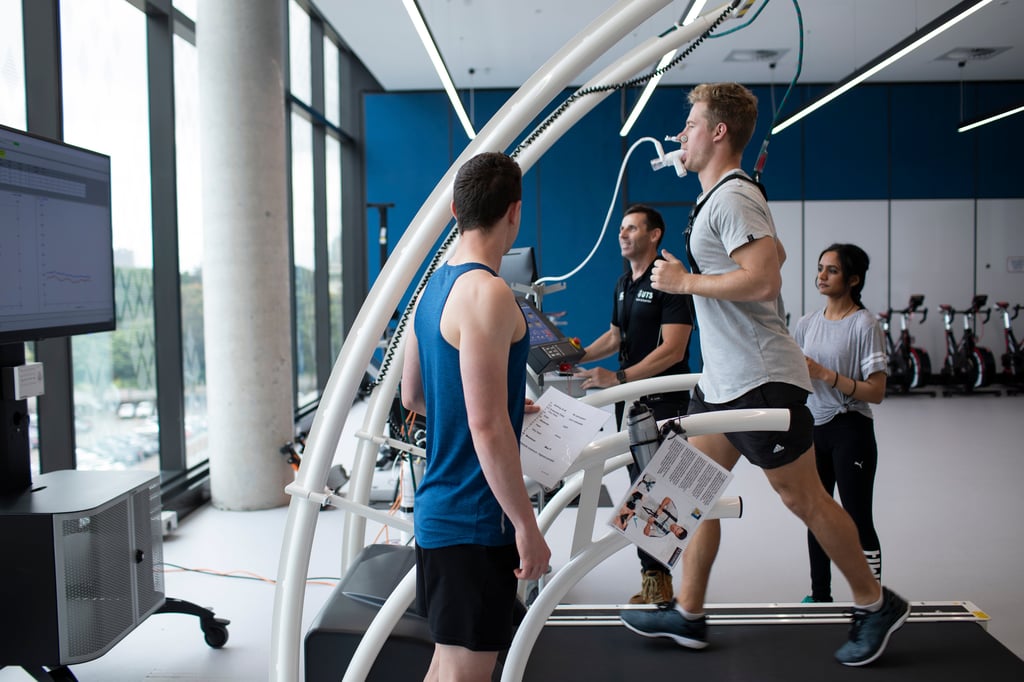
What it’s really like to be a sports scientist
Associate Professor Blake McLean shares what sports scientists do, where they work and the skills it takes to help athletes perform at their best.

Webpage
How to study like an elite athlete
Associate Professor Blake McLean, sports scientist and Director of the High Performance Sport program at UTS, shares five lessons students can learn from elite...
Webpage
Why communication matters and simple ways to get better at it
Want your ideas to make an impact? Dr Joshua Pate reveals why communication is key and how to get better at it.
Webpage
How Freddy found her voice and helped create a more inclusive uni
Frederikke Thorup spent years wondering why she didn’t fit in. As a student disability advocate at UTS, she’s finally found her place.
Webpage
What it’s really like to be a sports scientist
Associate Professor Blake McLean shares what sports scientists do, where they work and the skills it takes to help athletes perform at their best.
Webpage
How to study like an elite athlete
Associate Professor Blake McLean, sports scientist and Director of the High Performance Sport program at UTS, shares five lessons students can learn from elite...