


Sam Reilly is passionate about telling stories of diversity. Now, as a graduate of the UTS Master of Animation and Visualisation, they want to bring those stories to the big screen.
Sam Reilly believes that film should be for everyone.
A trans and neurodivergent creative and a graduate of the Master of Animation and Visualisation at the University of Technology Sydney (UTS) Animal Logic Academy, their primary goal isn’t to contribute to Academy Award-winning films.
It’s to build a more inclusive industry in which every person can see themselves.
“When you see characters of colour, when you see characters with physical disability in film, it shows people that they belong,” Sam says.
“The more we see it, the more it becomes the norm.”
Finding a creative path
Sam’s foray into the film and animation industry feels like a logical trajectory for a kid who always loved telling visual stories. As a teenager in the Tumblr era, they spent hours sharing their passion for concept art and 2D illustration on microblogging and social media sites.
But when it came to the real world, they struggled to turn their creativity into a career.
“I didn’t necessarily want to go through a traditional degree,” says Sam, who briefly considered studying fine arts after high school.
“I didn’t want to risk not learning what I wanted to learn, especially where there weren’t really concept art degrees available.”
All that changed when Sam discovered the Master of Animation and Visualisation at UTS. Supported by a scholarship for underrepresented groups in the animation and visual effects industries, Sam immersed themselves in a year of hands-on experience that gave them an outlet for their artistic ambitions.
The course was less like a university degree and more like a year-long animation production internship, bringing students together in specialised 3D animation production in a professional studio environment and equipping them with the skills and connections to start building careers in animation and visual effects.
Sam had longed for an opportunity to bring their creativity to the big screen. Now, in the Master of Animation and Visualisation, they’d found it.
Alone, together
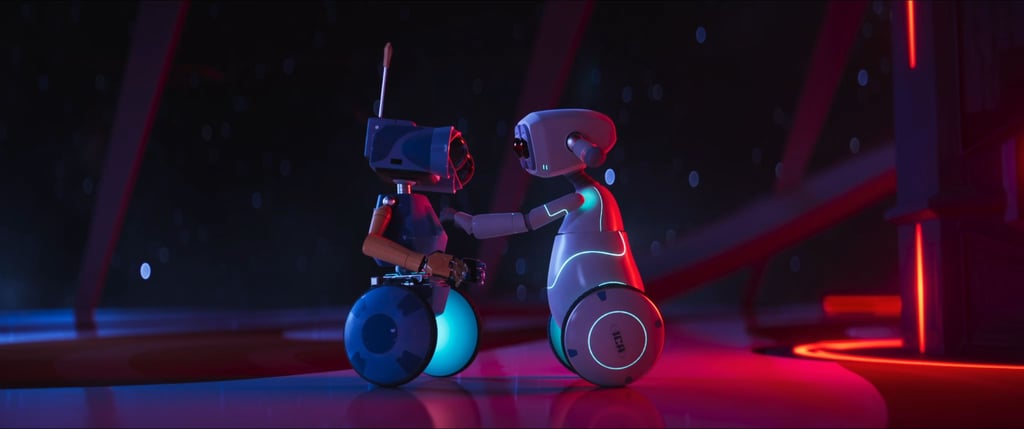
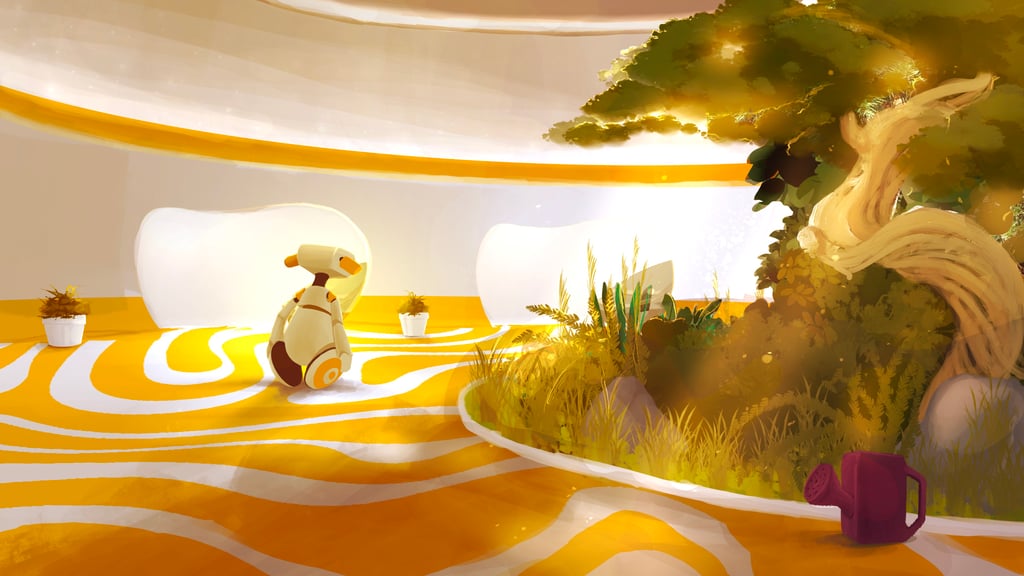
Over 12 months, Sam worked alongside students from diverse creative and technical backgrounds to produce two major animation projects. One of them was Alone, an award-winning 3D animated short film about a maintenance robot taking care of frozen humans on a spaceship making a 312-year journey to Earth 2.0.
Guided by the Academy leads, all with their own major animation and visual effects film credits, students specialised in one of 11 dedicated production departments from art, modelling, rigging, animation, surfacing, effects, lighting, compositing, technical direction and production coordination, working together to bring the film to life.
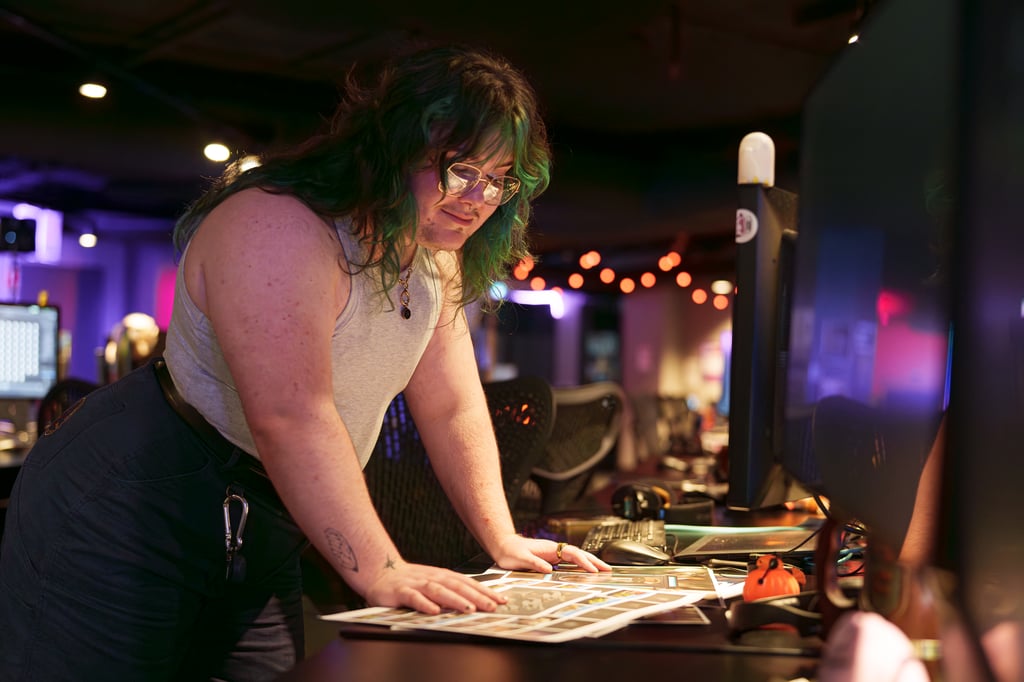
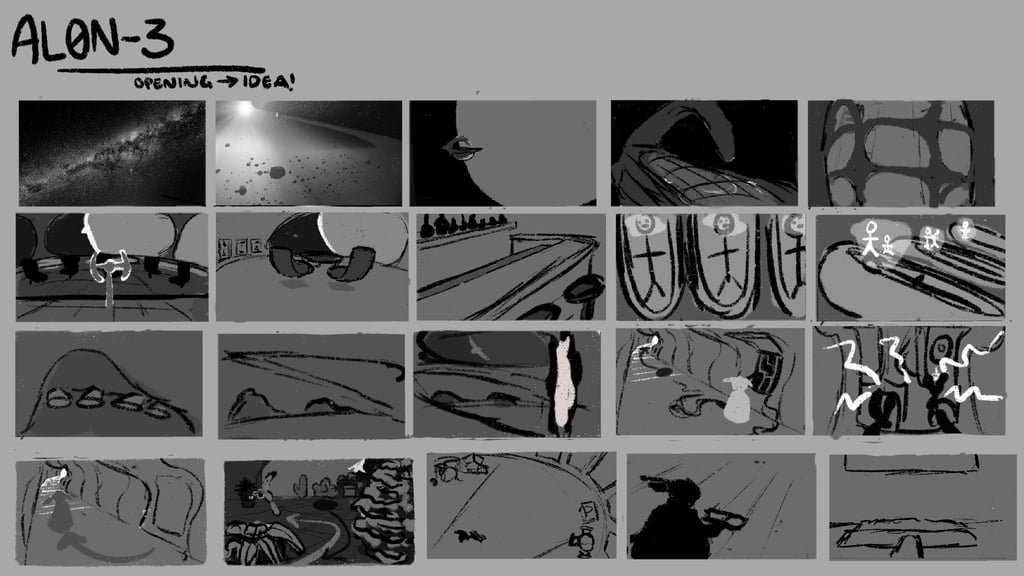
Sam was initially part of the art department, helping to storyboard the film’s narrative and using their creativity to develop its look and feel. They later joined the production team, providing coordination and scheduling support that kept the project running smoothly.
Almost instantly, they recognised the unique opportunity in front of them: not only could they contribute to the making of a high-end professional-style animated production, but they could also help make that story accessible to the broadest audience possible.
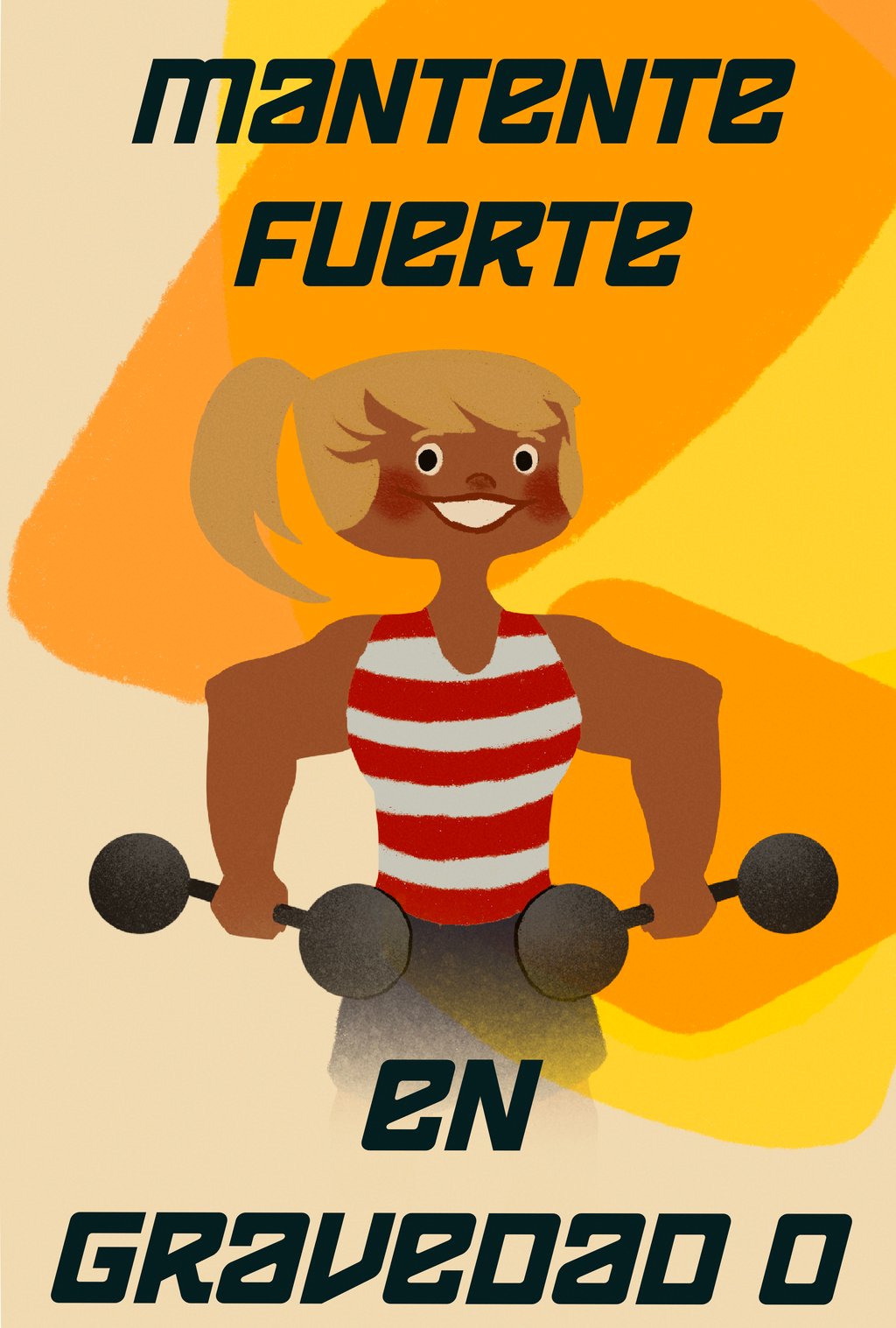
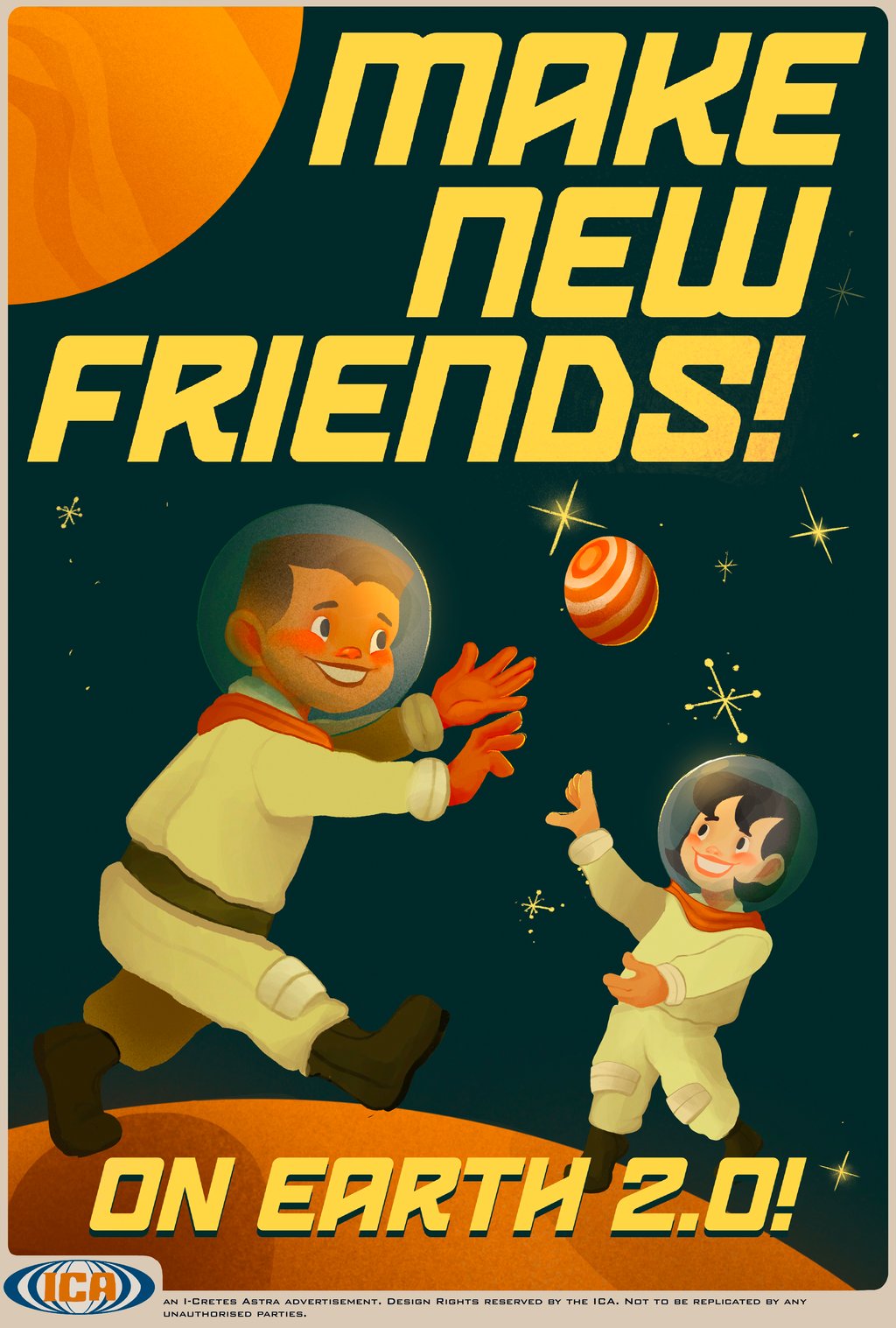
For example, Sam says, they designed a series of Earth 2.0 promotional posters that appear in Alone’s background, creating them not only in English but in Spanish, Mandarin and other languages.
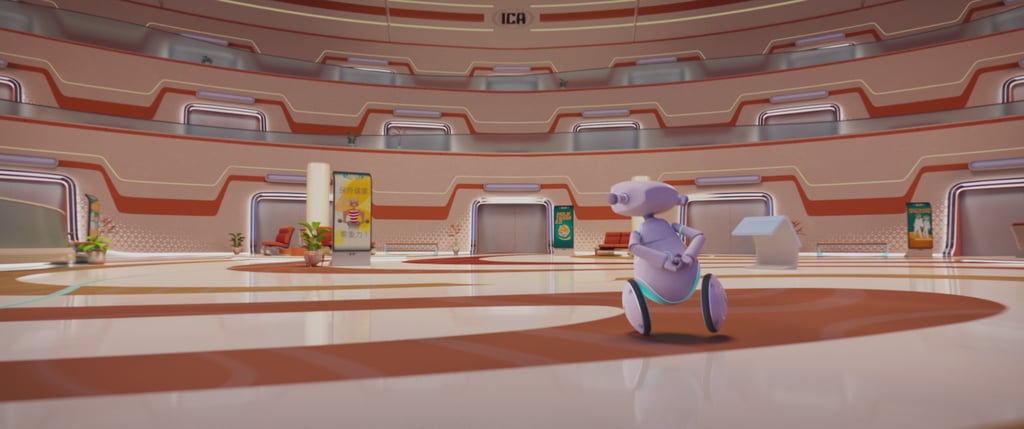
Collectively, the art department team also decided that there would be no stairs anywhere on the ship. This was a practical decision, because Alone’s robot main character moves around on wheels, but it also made the on-screen environment wheelchair accessible.
That sort of background storytelling tells you that this is a world where you, no matter who you are, are seen.
Storytelling for everyone
This inclusive approach to storytelling has continued to guide Sam’s creative practice since finishing the master’s degree. Immediately after graduation, they landed a role as a production assistant at Industrial Light & Magic (ILM), the internationally acclaimed visual effects studio founded by George Lucas.
At ILM, their work has more of a logistics focus, just like the production coordination work they did on Alone and other Animal Logic Academy films. In fact, that experience was key to Sam landing the role, which came about through the Academy’s connections.
The transition from UTS into professional film production has been seamless, Sam says; they arrived with industry-standard skills and hands-on experience with animation and visual effects production workflows and technologies.
But even as they’re building a professional production portfolio, Sam is keeping their creative skills sharp. They’re currently working on a short film, and they’re also writing and doing character design and concept art for future screen projects.
The ultimate goal is to one day work as a showrunner on their own animated show, building worlds that speak to people who have been historically underserved by traditional screen media.
“I’m trans, so all of my characters are going to be written from that point of view. The same way that I’m autistic, that I have OCD, a lot of my characters are going to reflect that because some of my voice is going to be in them,” they say.
Diversity isn’t always the main focus in Sam’s work; instead, it’s often a deeper story that underpins the characters’ lives and experiences. But for people who rarely see themselves and their experiences represented in mainstream culture, these stories matter.
A collective journey
For Sam, showing up in art as themselves is about fulfilling their own creative vision, but it’s also about making space for other artists who represent life and people in all their diversity. It’s a role that UTS has helped to prepare them for.
“By virtue of that degree and the scholarship I received, the animation industry has one more neurodivergent queer person, and that means there will be more neurodivergent queer storytelling,” Sam says.
But just like there’s no single story that captures the breadth of human experience, no single storyteller can take on the challenge alone.
Not that Sam wants to, anyway. Their vision is a future in which creatives from all walks of life come together to share the stories of themselves and their communities with the wider world.
“I know that there are people with those same values working to make the things that we are passionate about happen. I’m really excited to get where we’re going together,” they say.
At UTS, Sam Reilly is bringing untold stories to a screen near you.
Because it’s not just a university, it’s a place where every story matters.
What can we be for you?
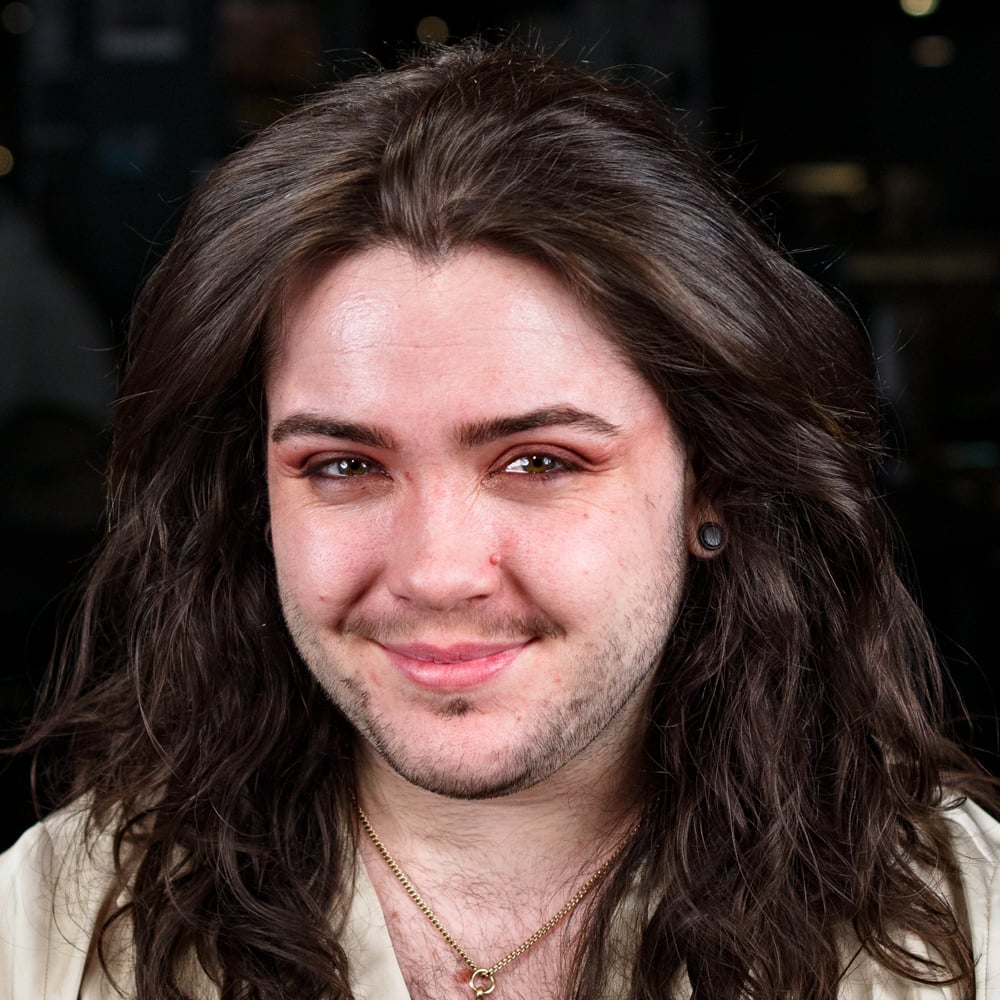
“When you see characters of colour, when you see characters with physical disability in film, it shows people that they belong. The more we see it, the more it becomes the norm.”
Sam Reilly

Shooting for the moon
For Dr Clyde Webster, Earth is the perfect place to test people-first robotics that will prepare humankind for the final frontier: space.

Putting inclusivity on centre stage
Children’s entertainer Dr Emma Watkins is passionate about three things: dance, film and Auslan. Now, in her show Emma Memma, she’s introducing children across...

A taste of community
In a city where food often means fine dining, Shaun Christie-David serves something deeper: dignity, connection and second chances.

Five tips to land a job before you graduate
What if your career could start before you finish your degree? UTS graduate Akshaya Parthasarathy shares the five tips that helped her turn university...
Shooting for the moon
For Dr Clyde Webster, Earth is the perfect place to test people-first robotics that will prepare humankind for the final frontier: space.
Putting inclusivity on centre stage
Children’s entertainer Dr Emma Watkins is passionate about three things: dance, film and Auslan. Now, in her show Emma Memma, she’s introducing children across...
A taste of community
In a city where food often means fine dining, Shaun Christie-David serves something deeper: dignity, connection and second chances.
Five tips to land a job before you graduate
What if your career could start before you finish your degree? UTS graduate Akshaya Parthasarathy shares the five tips that helped her turn university...