


Children’s entertainer Dr Emma Watkins is passionate about three things: dance, film and Auslan. Now, in her show Emma Memma, she’s introducing children across Australia to the joy of moving and signing together.
When UTS graduate Dr Emma Watkins first hit the stage as the all-singing, all-dancing, all-signing Emma Memma in 2022, it was the culmination of a journey more than 15 years in the making. As the former Yellow Wiggle, she was already a beloved children’s entertainer known for signing many of the songs she performed. As Emma Memma, she’s gone one step further, creating a kids’ show that’s fully accessible to the Deaf community.
Developed in partnership with her Deaf collaborators, Elvin Lam and Sue Jo Wright, Emma Memma brings together Emma’s passion for Auslan, a language she first started picking up in childhood, with her years of experience in dance and film. The result is a linguistically rich, ARIA-award-winning show in which sign language is the beating heart.
“All the principles in Emma Memma are to integrate visual language into everything viewers can see. Every single piece of movement has a sign language principle associated with it,” says Emma.
From dancer to filmmaker
It was in the UTS Master of Media Arts Production, which she completed in 2012, that Emma first began pulling together the seemingly disparate threads that would form the fabric of her career. A dancer by training, she’d fallen into film editing during high school after a nasty injury that put her dance career on temporary hold.
By the time she was ready to apply to university, she was trying to balance her passion for two disparate art forms. By day, she was producing films as a student at Sydney Film School; outside the classroom, she was working as a dancer for performers like Marcia Hines and Jessica Mauboy. What she wanted was an opportunity to combine all the things she loved into a single learning experience.
At UTS, she found it.
“I had the most amazing mentor at UTS, Dr Greg Ferris. He was essentially my supervisor for the whole time I was there,” she says.
“Before I met Greg, people kept telling me, ‘There’s no way you can do dance and film together.’ But he could see that I had a passion for editing, and he knew that there was some sort of value in my skillset. He set up the premise for my academic journey.”
The master’s degree was Emma’s first experience of combining the creative arts with academic learning. She started making dance films focused on rhythm and music, leveraging UTS’s unique focus on both creativity and technology to explore the interplay between them.
She also started to explore the idea of integrating Auslan into her work. As a kid, she’d grown up with friends in the Deaf community and had learnt to sign at a young age. Sign language, with its shapes and movement that felt so much like dance, was a natural fit for what she was doing.

A sign of things to come
At the same time, Emma’s career as a children’s entertainer suddenly took off. Within a few months of joining UTS, she was hired as a Wiggly dancer, a role that quickly expanded to include film editing responsibilities in the company’s post-production team. All of a sudden, her dream of bringing film, dance and sign together was happening everywhere, all at once.
In 2013, she was offered the role of Emma Wiggle, a role that made her an international sensation. When the Wiggles team discovered that she knew some Auslan, they encouraged her to incorporate it into her character. Up until that point, the show had frequently been supported by a sign language interpreter; now, Auslan was suddenly part of the main event.
But when Emma began signing a couple of songs or a few words here and there, the feedback from the Deaf community was swift: why aren’t Deaf children worthy of experiencing the show in full?
“It was a big perspective shift for me to understand that, yeah, we’re not just here to drop sign language into one song,” she says.
“And that’s when I realised, ah, okay, there is no other preschool show that has sign language embedded in it. Why can’t we do that?”
That realisation was a turning point. Rather than being deflated by the backlash, Emma started delving deep into the needs of the Deaf community. She built relationships. She started to recognise her hearing privilege and how it prevented her from understanding Deaf experiences of the world. After 12 years with the Wiggles, Emma realised she was ready for the next chapter.
It was a big perspective shift for me to understand that, yeah, we're not just here to drop sign language into one song.
Harnessing the joy of physical expression
With support from her UTS mentor, Greg, she started a PhD at Macquarie University to investigate the integration of sign language, dance and film editing for children’s screen media. She also enrolled in a series of Auslan courses “so I could truly understand what I was doing,” says Emma, who is now a qualified Auslan interpreter.
Not long after, Emma Memma emerged, pulling together those threads that she had first started exploring during her time at UTS. The show sees Emma and her Deaf and hearing co-performers integrate sign language into everything they do. The result is a singing, dancing, musical extravaganza in which Auslan is just part of physical expression, something that all kids can pick up and use as part of the joy of moving their bodies.
“People often say, ‘Oh, there's sign language in a song, that's great for Deaf kids.’ But the Deaf kid is fine. The Deaf kid might already have amazing mentors. They’re going to use sign language regardless because that's their entry into the world,” says Emma, who’s now working to bring Emma Memma to Australian TV screens.
“But for all of the hearing children in the audience, that means they might learn within the show to sign ‘how are you?’ Then they can all ask the Deaf child, not an interpreter and not their parent and not their sibling. We want that deaf child to have their ecosystem where everybody can ask them that question.”
Today, Emma Memma, which is both a YouTube channel and a live entertainment experience, is bringing Emma’s vision of inclusivity to children across the country. Not that the kids themselves are aware of it. To them, she’s just Emma Memma, their all-singing, all-dancing, all-signing hero.
At UTS, Emma Watkins laid the foundations for a more accessible world.
Because it’s not just a university—it’s where big ideas come to life.
What can we be for you?
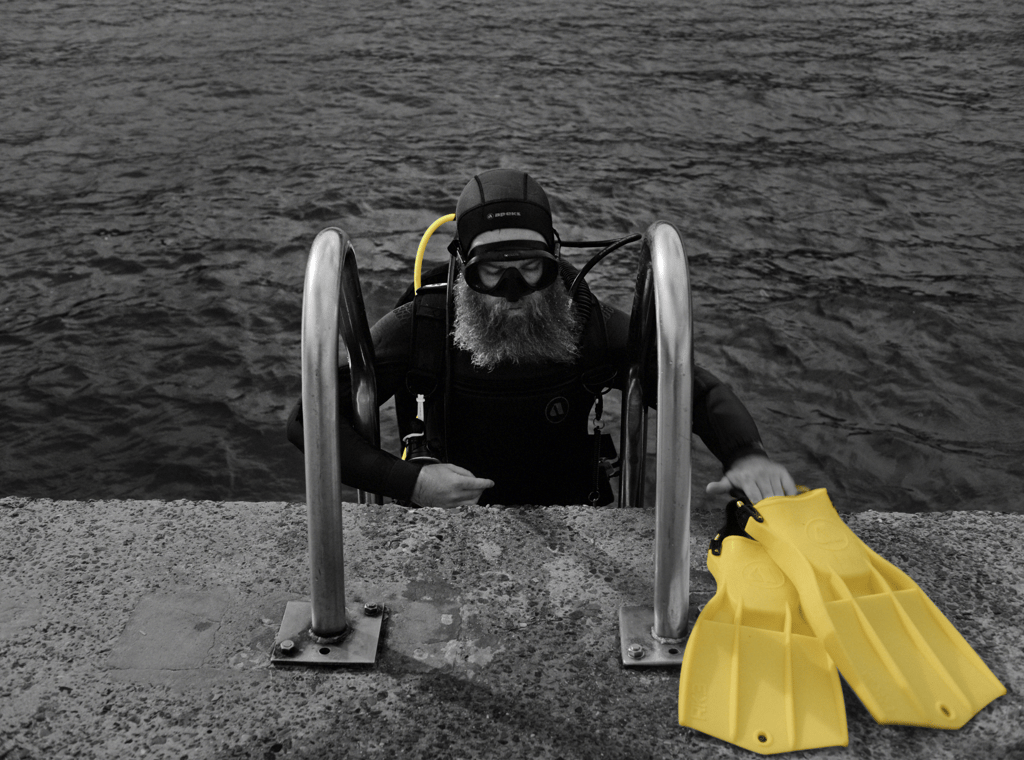
Living a childhood dream
Mitchell spends his days doing what he loves: researching ways to conserve seahorse habitats and helping endangered or threatened marine species thrive.
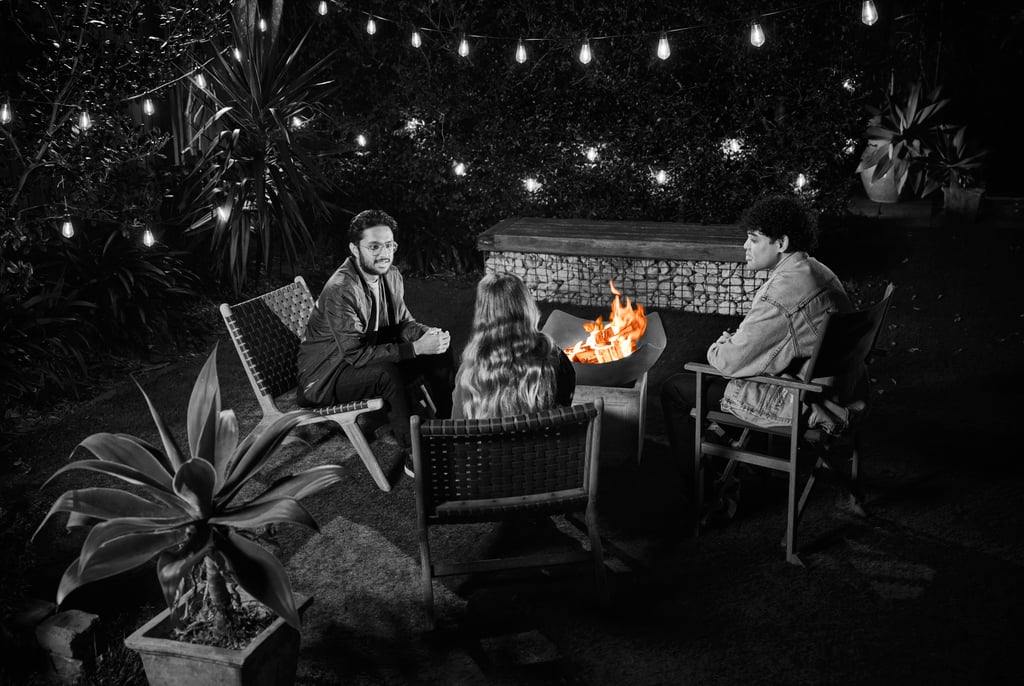
Learning to lead through community
Raghav values his role in an active student community, where he can make an impact and learn from those around him.
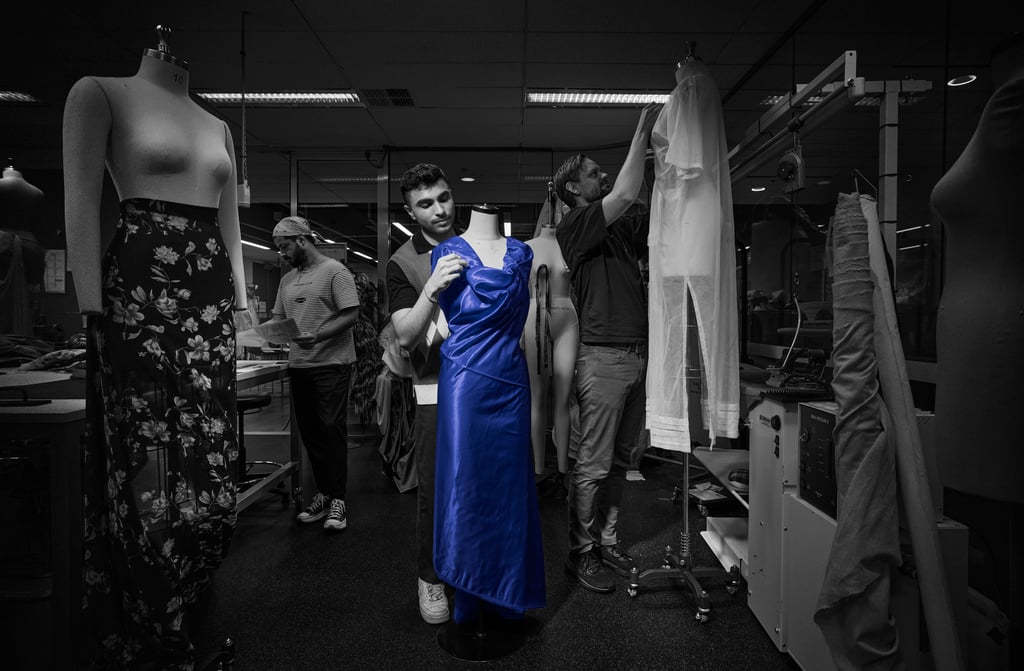
Repurposing a career to pursue a passion
Safwan is proof that your first career doesn’t need to be your only career.
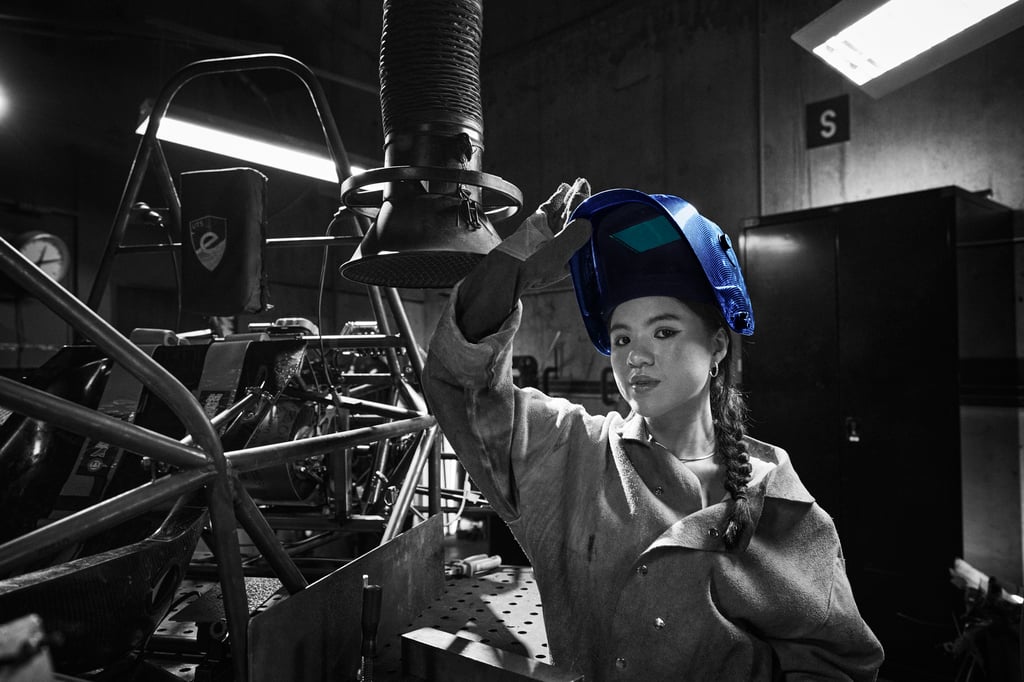
Challenging the engineering status quo
Sophie always had dreams of building something that makes the world a better place.
Living a childhood dream
Mitchell spends his days doing what he loves: researching ways to conserve seahorse habitats and helping endangered or threatened marine species thrive.
Learning to lead through community
Raghav values his role in an active student community, where he can make an impact and learn from those around him.
Repurposing a career to pursue a passion
Safwan is proof that your first career doesn’t need to be your only career.
Challenging the engineering status quo
Sophie always had dreams of building something that makes the world a better place.