


Choosing the right major isn't just about what your enjoy, it's the first step in your career.
Choosing a major might feel like a big decision, but it doesn’t have to be daunting. Think of it as the beginning of your journey, not the final destination. To guide you, we’ve created a table below that shows how your studies can connect to real-world careers.
Engineering disciplines and careers
|
Discipline |
Who this discipline is suited to? |
Careers |
Industry demand |
|---|---|---|---|
| Civil Shape the infrastructure of tomorrow: bridges, water systems and sustainable urban developments. |
Interested in creating effective, human-focused and resilient infrastructure.
|
Civil/water engineer, Structural engineer, Construction manager, Building engineer, Transport planner. |
Very high demand driven by growth population growth, climate adaptation, and large-scale projects like Brisbane 2032. |
|
Electrical and Electronic Power the future with renewable energy grids, aerospace systems and smart devices. |
Passionate about power and how electricity and electronics shape the modern world. |
Power systems engineer, Electronic engineer, Systems engineer. |
Strong growth in clearn energy, transport and advanced tech industry. |
|
Biomedical Where engineering meets healthcare: prosthetics, diagnostic tools, bionic limbs. |
Want to combine a passion for technology and medicine. |
Biomedical engineer, Medtech designer, Tissue engineer, Genetic engineer. |
Strong growth in healthcare and rising demand in Australia's medtech sector. |
|
Mechanical and Mechatronics Build machines, robots, and automation systems that drive industry 4.0 |
Curious about designing, building and maintaining moving things. |
Mechanical/Aerospace engineer, Robotics engineer, Systems design engineer. |
High demand across manufacturing, defence and renewables. |
|
Software Design and build the digital platforms and AI solutions that power modern society. |
Interested in large, complex and critical software systems that are interwoven into daily lives. |
Software engineer, AI developer, Cybersecurity analyst, System designer, |
Consistently high demand in all sectors. |
Career and estimated salary snapshots
| Role | Median income one year after graduation | Median income five years after graduation |
|---|---|---|
| Civil engineer | $69,100 | $97850 |
| Mechanical engineer | $69,790 | $96,490 |
| Software engineer | $64,300 | $88,400 |
| Electrical engineer | $74,180 | $106,500 |
| Electronic engineer | $65,700 | $96,020 |
| Biomedical engineer | $61,770 | $93,570 |
Data source: Job and Skills Higher Education Outcomes - Income

Finding your fit in Engineering
No two student journeys look the same, and that’s the beauty of studying at Engineering UTS. For our students their paths show that your degree doesn’t have to define you. Instead, it can give you the skills, experiences and confidence you need to discover where you truly fit.

“I studied Flexible Engineering until my second year. It allowed me to trial Intro to Civil Eng, which I felt wasn’t the right fit, before switching to Mechatronics ENG.”
Olivia Alvarez

“It was the practicality of the degrees that drew me in. And the fact that the campus was so vibrant and connected to the city. I could finish class and immediately step into real life.”
Amelia Giugni
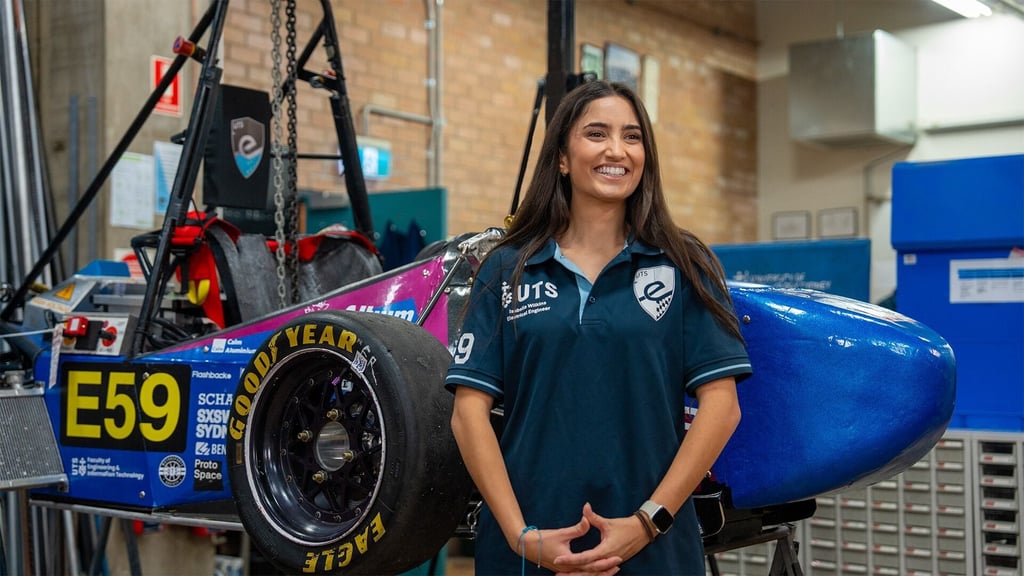
"I realised engineering wasn’t just theory. It was building things. Solving problems. Working in teams.”
Isabelle Wilkins
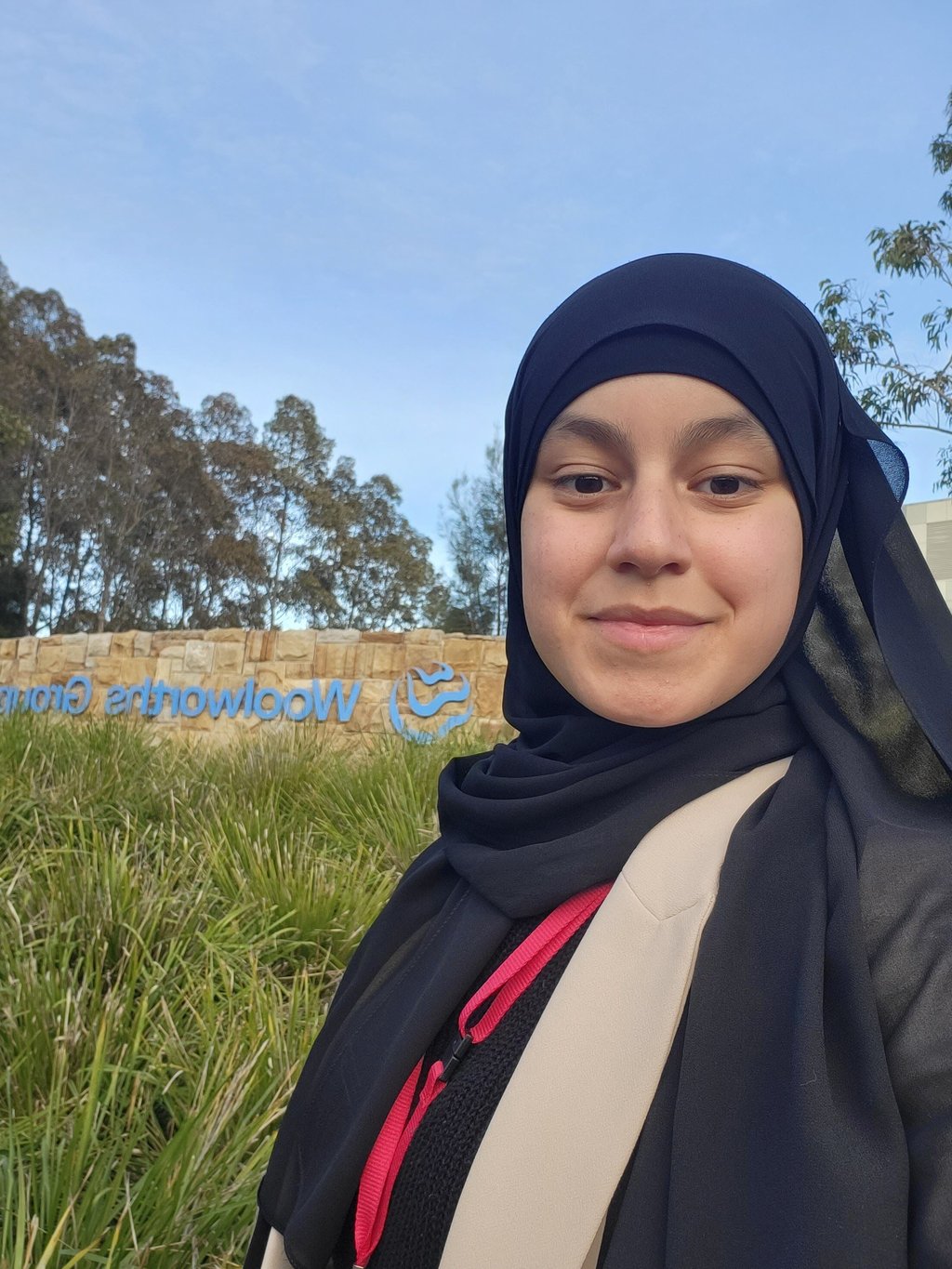
"I’m a data person. But I also like to go on the ground and corroborate what the stats are saying. How do they actually show up in real life?"
Noussayba Skendri

"I don't really view either as work or university. It's more what I enjoy. So instead of thinking 'I'm waking up for work and it's going to drag on', I genuinely enjoy what I'm doing. That changes everything."
Angus Lyons

“I was eager to apply what I was learning. Internships really gave me that opportunity.”
Sabrina Zeng
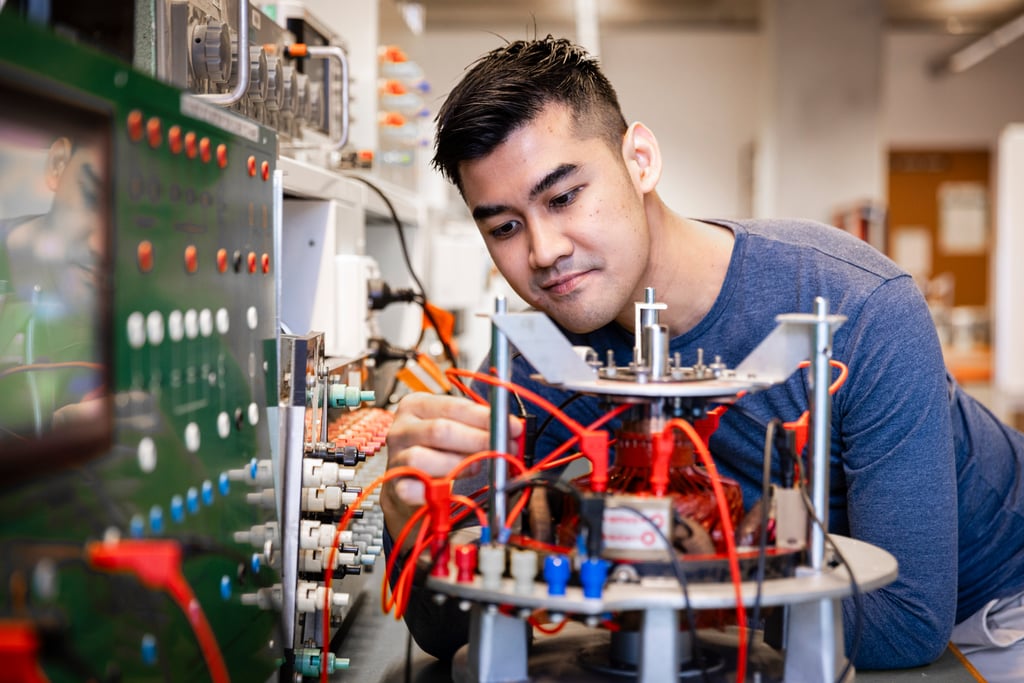
Your future in engineering: Career guide
Explore career pathways in biomedical, civil and environmental, electrical and electronic and mechanical and mechatronic engineering, and graduate with technical expertise, leadership skills and problem-solving capabilities.
Why study Engineering at UTS?
- Real world, hands-on learning - Every UTS Engineering degree is designed with practice at its core. You’ll work in state-of-the-art facilities using the same tools and technologies that engineers use.
- Find your people - Don't just study, join a community where you connect, belong and grow. From Women in Engineering and IT & student societies, to events like Tech Festival, UTS is more than a degree.
- Build your industry connection - Collaborate with global companies and startups on real challenges, preparing you with work skills and adaptability employers are looking for.
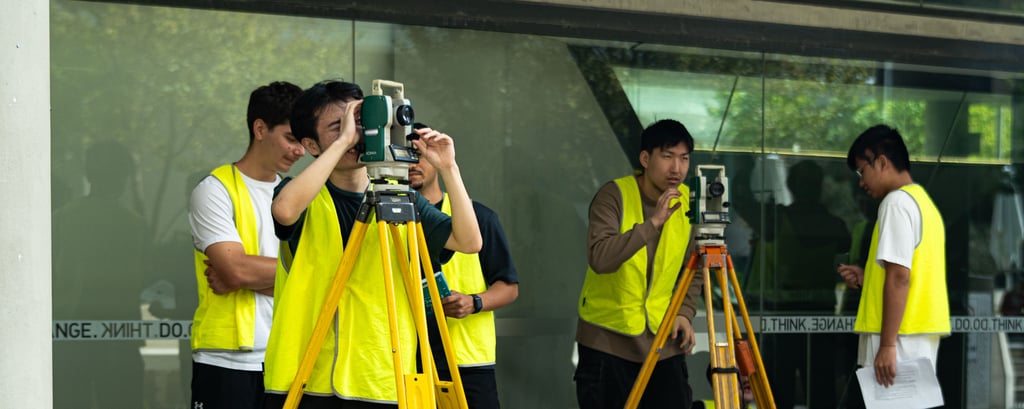
Thinking about Civil Engineering?
Thinking about studying Civil Engineering in Australia? Discover what Civil Engineers do, the career opportunities available and how studying Civil Engineering...
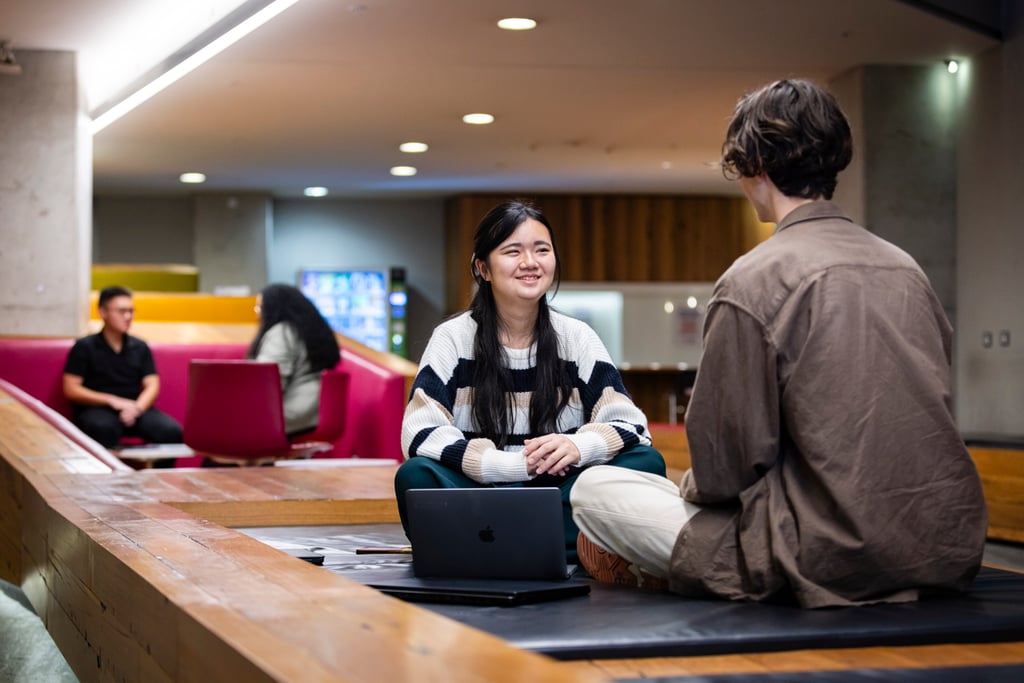
How rankings matter (and don’t) when choosing Engineering and IT
How important are university rankings when choosing where to study Engineering or IT? Explore what rankings can tell you, what they leave out and what to look...
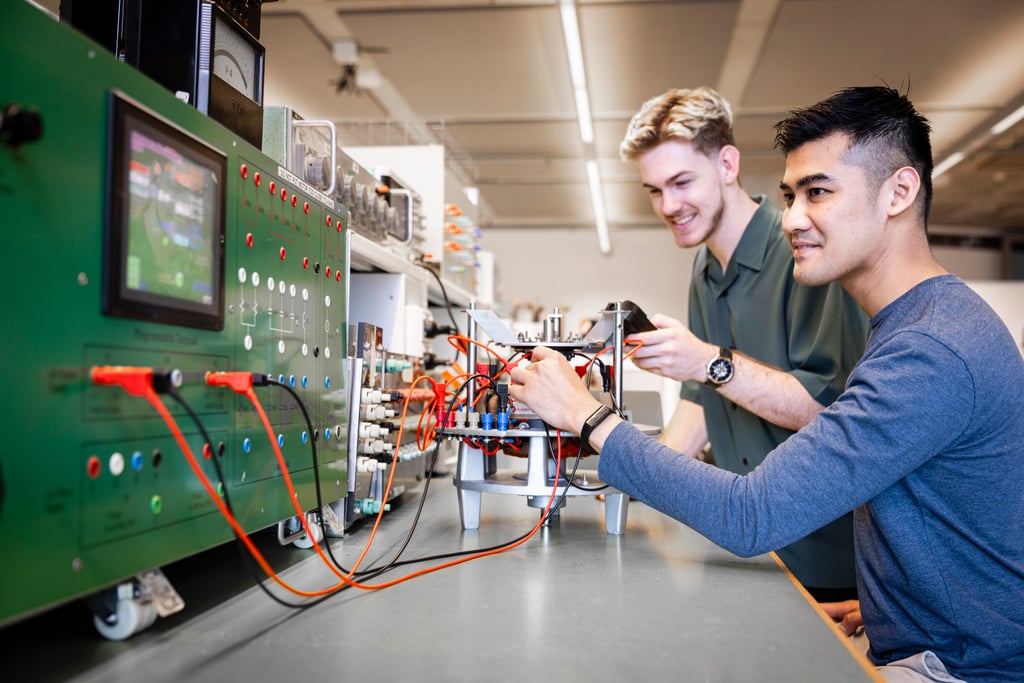
Day in the life of an Electrical Engineering student at UTS
Considering studying Electrical Engineering at UTS? Get a glimpse into a typical day, from hands-on laboratory classes and engineering projects to study...
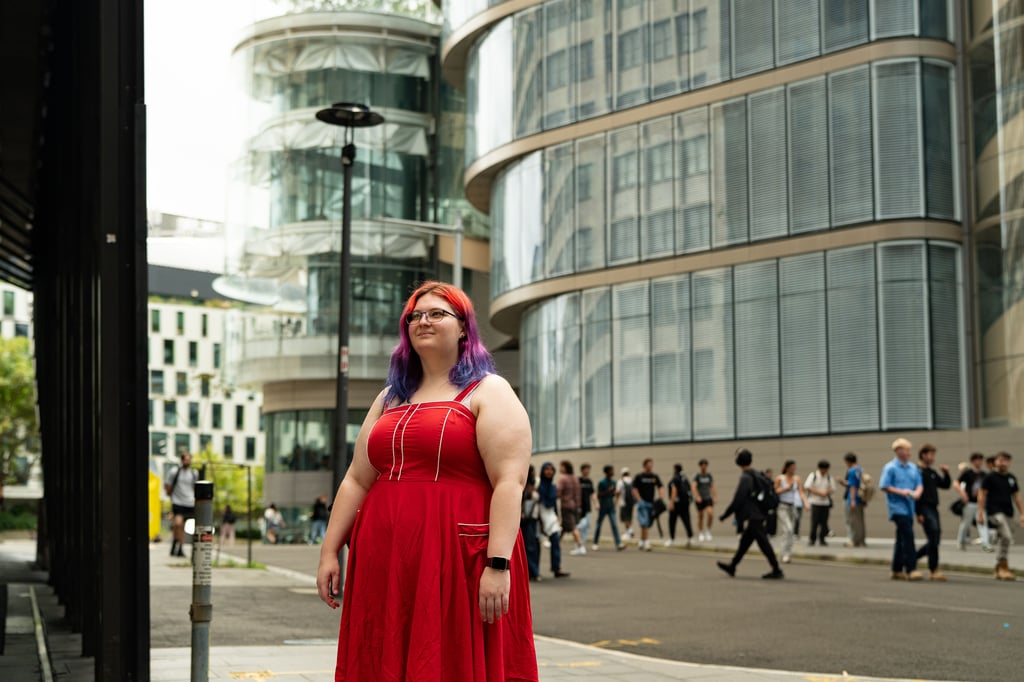
From Country to Cosmos
Where a passion for engineering began long before starting university.
Thinking about Civil Engineering?
Thinking about studying Civil Engineering in Australia? Discover what Civil Engineers do, the career opportunities available and how studying Civil Engineering...
How rankings matter (and don’t) when choosing Engineering and IT
How important are university rankings when choosing where to study Engineering or IT? Explore what rankings can tell you, what they leave out and what to look...
Day in the life of an Electrical Engineering student at UTS
Considering studying Electrical Engineering at UTS? Get a glimpse into a typical day, from hands-on laboratory classes and engineering projects to study...
From Country to Cosmos
Where a passion for engineering began long before starting university.