


If you’ve been paying attention to the media scaremongering, you probably know that we’re all about to be permanently unemployed. AI is going to provide our health care, act in our movies, teach our children and design our homes, making humans largely obsolete.
Except … it hasn’t happened. Despite the threat of a global jobspocalypse, AI is yet to wipe out the world of work as Open AI CEO Sam Altman promised back in 2025. That’s not to say that it isn’t changing how we work, including in field of architecture. Like almost every industry, architecture is reorganising itself around the potential of AI and its role in shaping the future.
AI’s impact on architecture
It’s a change that many architects are cautiously embracing, including UTS Architecture alumni and founders of architectural design firm Stanton Architects, Laura and Wally Stanton. Both graduates of the Bachelor of Design in Architecture and the Master of Architecture at UTS, they see the growth of AI as both an opportunity and a challenge.
“Like any new tool, it will require the profession to adapt, but we believe AI should be embraced as a way to improve efficiency and unlock new possibilities,” Laura says.
She and Wally are far from alone: according to the findings of a recent American Institute of Architects survey, many architects are already deploying AI tools in ‘low-invasive’ use cases, using them to streamline repetitive actions like notetaking, recording meeting minutes, and writing proposals and other routine communications.
They’re also embracing architecture-specific AI tools, such as image and video generation, early design stage visualisation and specification writing technologies, even while grappling with ethical, professional and legal implications that are yet to be resolved.
And the numbers show clear growth: a survey from the Royal Institute of British Architects found an increase in respondents using AI in their practices compared to the previous year.
Preparing students for an AI future at UTS School of Architecture
With this growth comes changing professional expectations: according to the Australian Institute of Architects, ‘the ability to implement and work with AI is becoming a top-ranking skill for architects alongside digital design and project management skills.’
Preparing next-generation architects for an AI-integrated future is therefore a key consideration for UTS Architecture degrees. The University’s undergraduate and postgraduate courses are known for integrating established and emerging technologies into students’ architectural practice; in the last few years, AI has become a more prevalent feature for those who study architecture at UTS.
Dedicated subjects on the use of AI in the architecture, engineering, and construction industries are coming online, and students benefit from guest lecturers and access to a world-class teaching team whose AI thought leadership is shaping the national conversation. Generative AI tools are also being integrated into many aspects of research and teaching, preparing students to both embrace new technologies and critique their outputs.
However, while AI fluency will be important in the future, the technology cannot be considered a substitute for human creativity, or for the fundamental skills and judgement required to operate effectively as an architect. That’s according to Professor Dr Nimish Biloria, Course Director of the Bachelor of Design in Architecture, who says the degree still takes a human-first approach to the process of design.
“AI is a tool architects will need to use well, but doing so depends entirely on judgment that must be developed first, not assumed,” he says.
“Students learn to prompt, generate, and critique AI outputs, but only alongside, never instead of, learning to defend a decision on its merits. The degree isn’t teaching students to compete with AI. It's teaching them to be the ones in the room who can explain why the building looks the way it does, whether AI helped get it there or not.”
AI cannot do the job of human architects
There’s no doubt that AI technologies will continue reshaping architecture at a rapid pace, offering increasingly utility in a profession where the design of buildings is becoming more and more complex.
But now for the big question: will AI eventually replace human architects? According to Laura and Wally Stanton, the answer is no. That’s because architecture is a relational profession; for all its technological prowess, AI cannot understand the experience of interacting with physical spaces or the human relationships upon which architecture is built.
“AI has the potential to streamline may repetitive and time-consuming aspects of practice, allowing architects to focus more on creativity, problem-solving and meaningful client relationships,” Wally says.
“Ultimately, architecture is built around human connections—understanding our clients, their stories and their needs. That relationship will always remain at the heart of great design.”
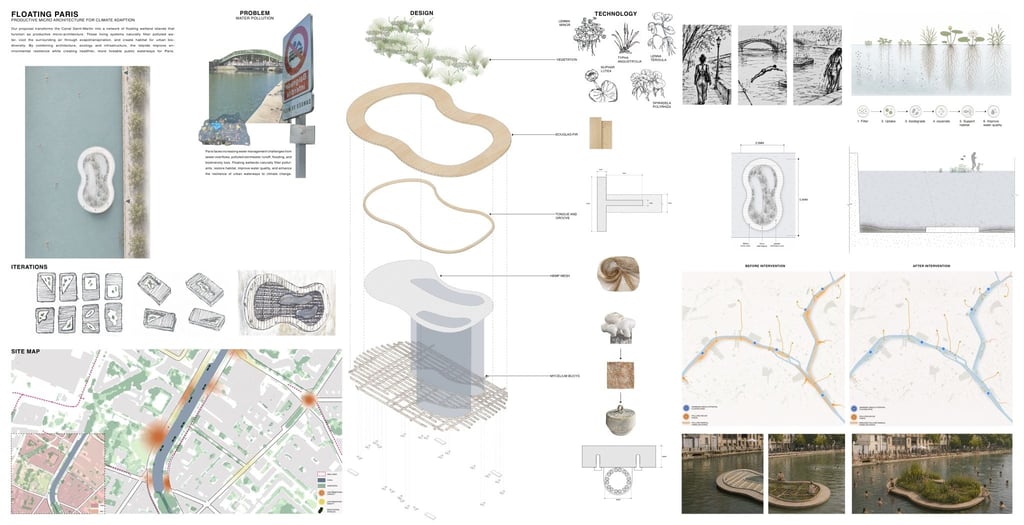
Webpage
What is it like to be a landscape architecture student at UTS?
What is it really like to study Landscape Architecture at UTS? Third-year student Noah Orman shares his experience of studio learning, Global Studio and...
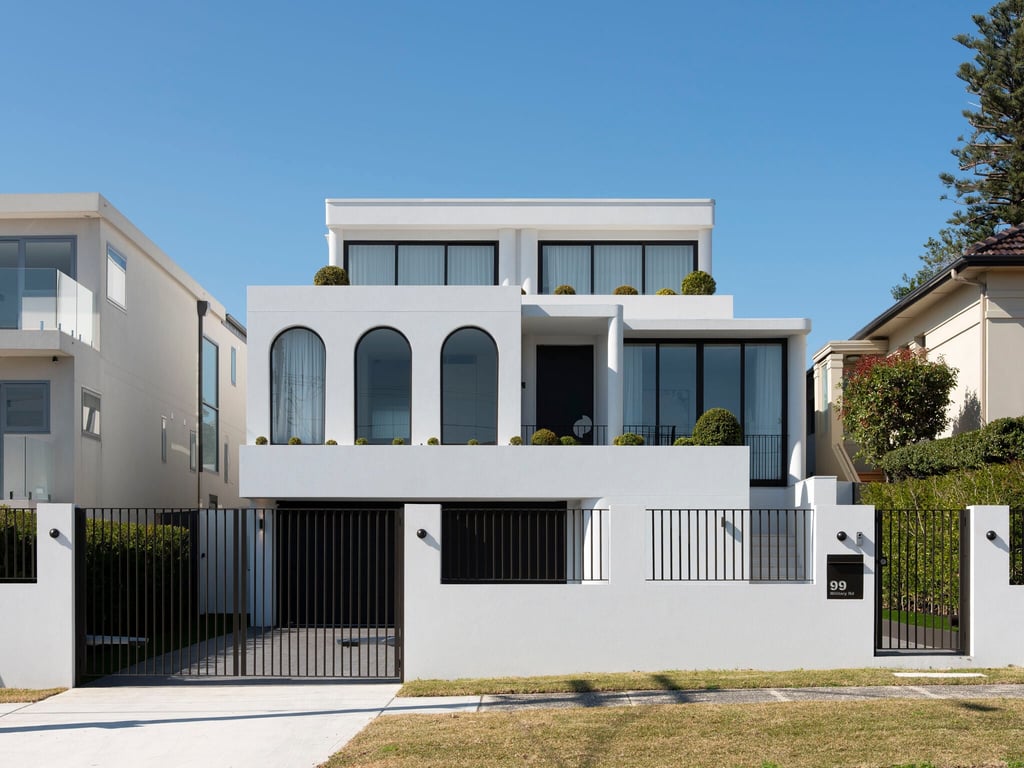
Webpage
Where can a UTS Architecture degree take you?
Thinking about studying architecture? Discover how a UTS Architecture degree combines creative practice, industry experience and design thinking to prepare you...
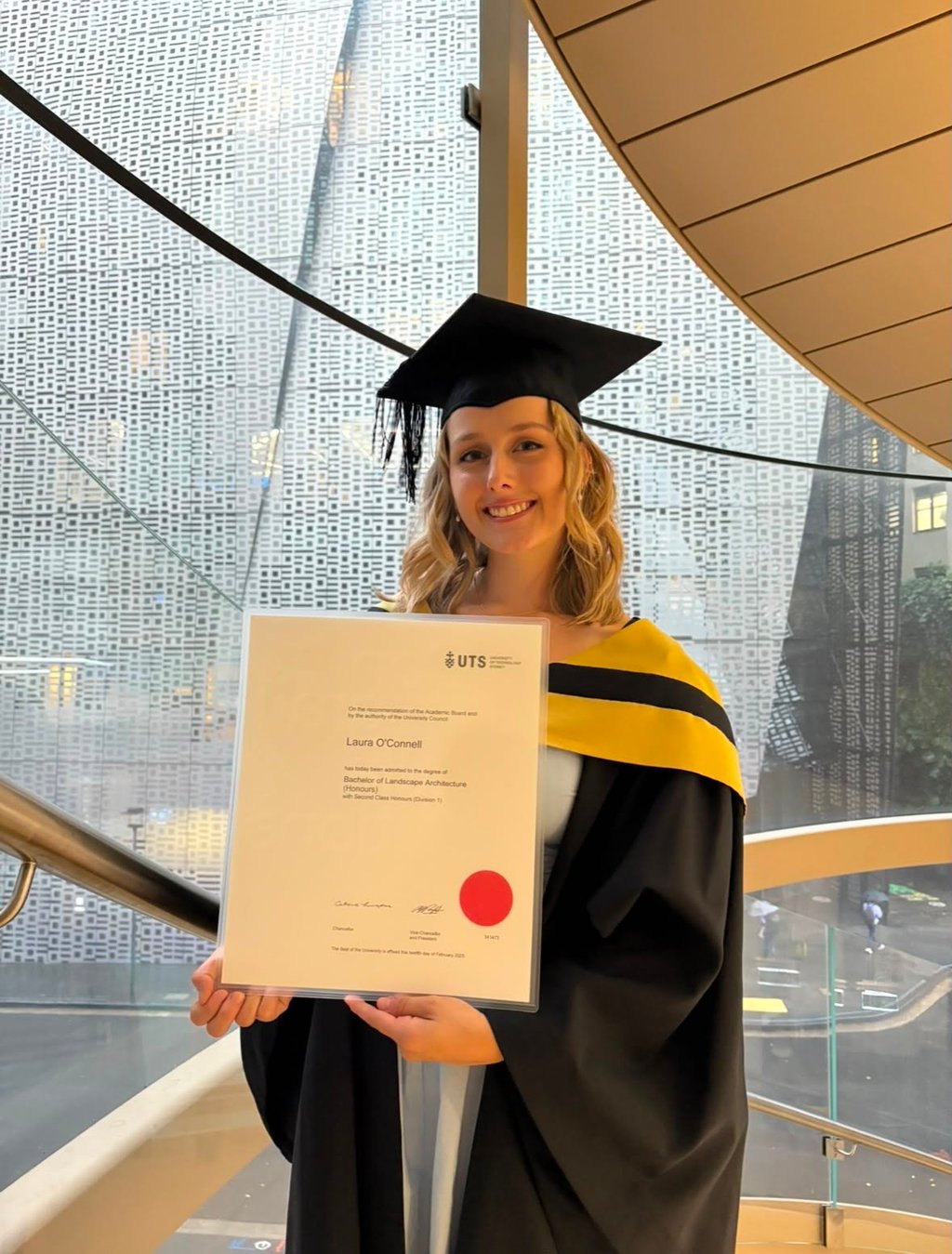
Webpage
Why study landscape architecture? A UTS graduate explains how the profession is shaping Australia's cities
Considering a career in landscape architecture? Discover what landscape architects do and how studying at UTS can prepare you to shape Australia's cities.
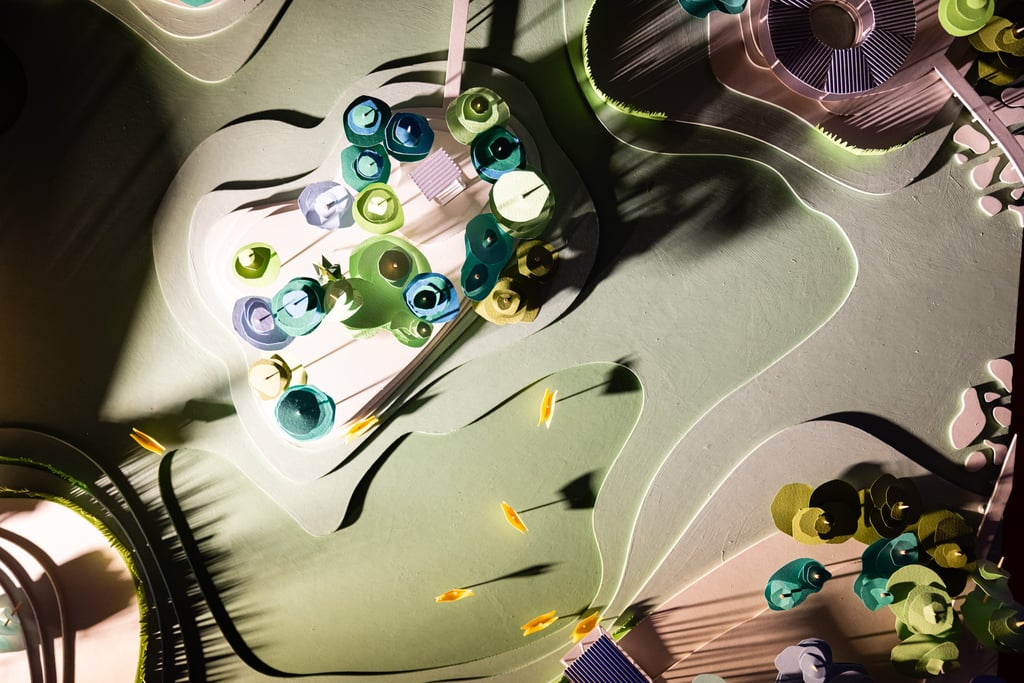
News
Must-See Sessions to Add to Your Open Day Architecture Agenda
Dream of creating scroll-stopping visuals or starting a brand? Explore 5 must-see sessions, demos & hubs on your UTS Architecture Open Day schedule!
Webpage
What is it like to be a landscape architecture student at UTS?
What is it really like to study Landscape Architecture at UTS? Third-year student Noah Orman shares his experience of studio learning, Global Studio and...
Webpage
Where can a UTS Architecture degree take you?
Thinking about studying architecture? Discover how a UTS Architecture degree combines creative practice, industry experience and design thinking to prepare you...
Webpage
Why study landscape architecture? A UTS graduate explains how the profession is shaping Australia's cities
Considering a career in landscape architecture? Discover what landscape architects do and how studying at UTS can prepare you to shape Australia's cities.
News
Must-See Sessions to Add to Your Open Day Architecture Agenda
Dream of creating scroll-stopping visuals or starting a brand? Explore 5 must-see sessions, demos & hubs on your UTS Architecture Open Day schedule!