


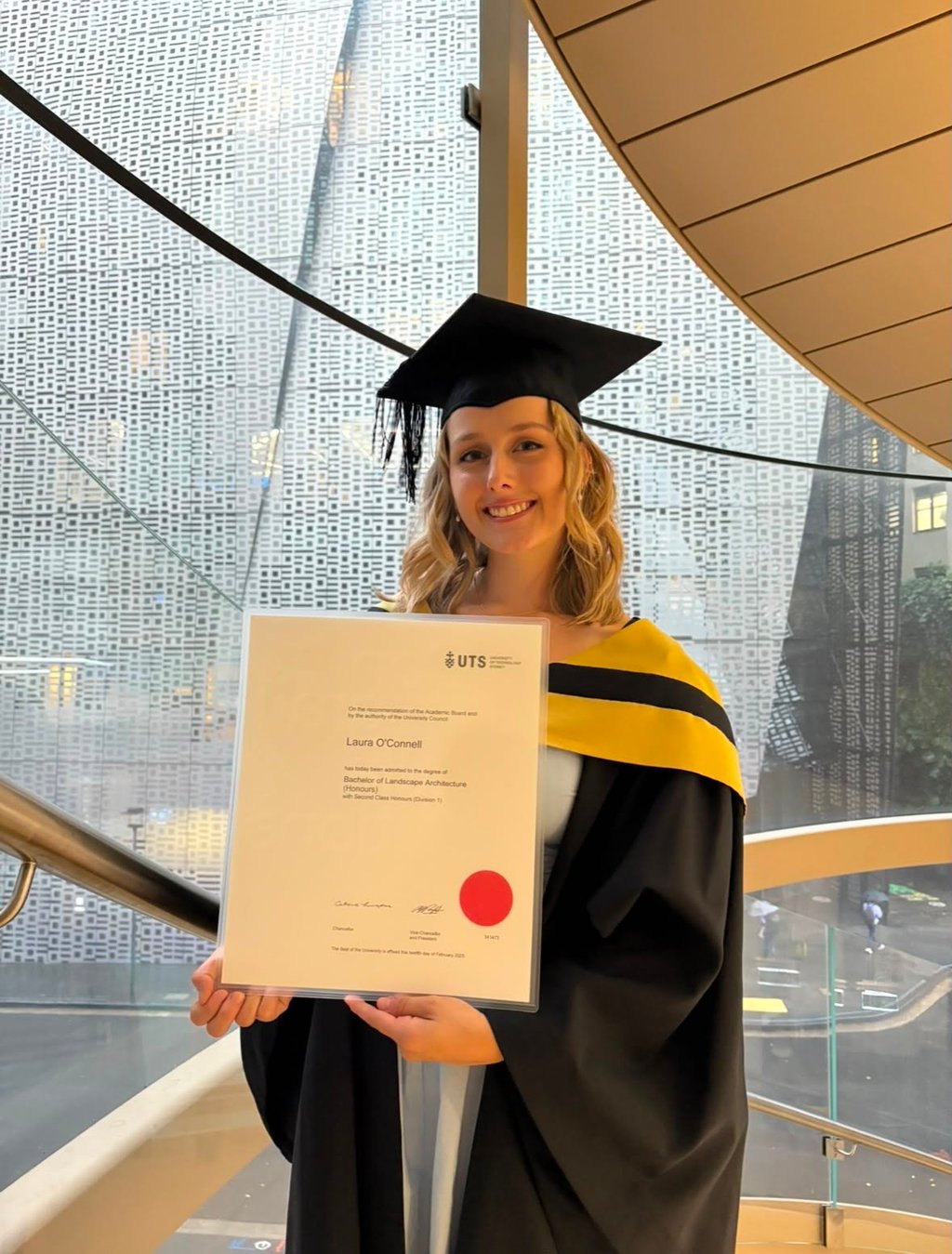
When people think about urban growth, they usually picture buildings, roads and infrastructure. But according to University of Technology Sydney (UTS) Bachelor of Landscape Architecture (Honours) graduate Laura O'Connell, it's the spaces between them that truly make a city liveable.
Now working as a landscape architect at Strathfield Council, Laura is helping shape the parks, streetscapes and public spaces that communities use every day.
"When people think about urban growth, they usually picture buildings, roads and infrastructure. But from my perspective, landscape architecture is what actually makes a city liveable.
At its core, landscape architecture is the practice of creating places where people want to be. Decades of research have shown that access to nature and well-designed outdoor spaces has a profound impact on our mental health, physical wellbeing and sense of belonging.
I often describe landscape architecture as 'everything but the buildings'. It's about the spaces in between, what many refer to as the 'third space'. These are the places that aren't home or work, but where communities connect, relax, exercise and spend time together." Laura says.
As Australia's cities continue to grow, landscape architects are helping create healthier, more sustainable communities through thoughtful public space design. For students who want to combine creativity, environmental stewardship and problem-solving, landscape architecture offers the opportunity to make a lasting impact.
What does a Landscape Architect do?
Landscape architects design the outdoor spaces that shape everyday life. Their work spans parks, streetscapes, waterfronts, public squares and urban precincts, while helping cities manage stormwater, improve biodiversity, increase tree canopy and respond to climate change.
For Laura, the profession is about much more than planting trees.
“People often underestimate the value of outdoor spaces, yet they’re drawn to them every day. Whether it’s walking down a tree-lined street to grab a coffee, playing social sport after work, or stopping to admire a mural that brings character to a neighbourhood, these experiences don’t happen by accident, they’re intentionally designed. Landscape architecture is far more than planting trees or adding gardens. It’s about placemaking. It’s about shaping environments that evoke emotion, encourage activity, foster social interaction and create memorable experiences. When done well, it strengthens our connection not only to the landscape, but to each other and to ourselves.
That’s why I love council. I am constantly influencing the placemaking and design of the local neighbourhood, big or small I get to see the differences that compound to make change.”
Laura didn't always know landscape architecture was the career for her.
"I initially considered Architecture, but after discovering Landscape Architecture, everything clicked. It combined creativity, nature and design in a way that felt right, so I never looked back," Laura shares.
Why Landscape Architecture at UTS?
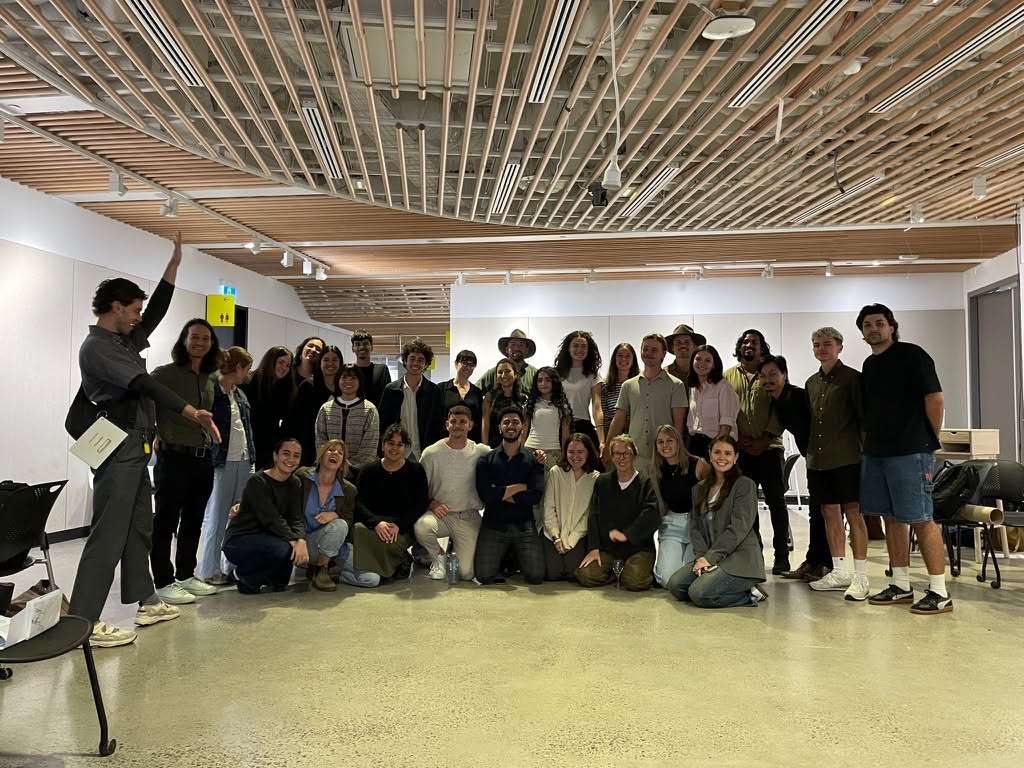
"With few universities offering the course in Sydney, UTS was the obvious choice. I was also excited to study in the city and experience Sydney every day. The small cohort was another major drawcard, allowing me to build lasting friendships with classmates who remain some of my closest friends today." she notes.
"By my final year there were only around 30 of us, so we became a little family. We were constantly having lunches together, heading on excursions and spending long days in studio."
The course extends beyond the classroom through studio learning and field experiences. One of Laura's highlights was Ecology, where excursions across Sydney led by senior academic Rob Champion helped connect environmental theory with real-world landscapes. "Exploring these landscapes made me appreciate how our profession is about improving places for both people and nature," Laura reflects.
What careers can you pursue with a landscape architecture degree?
Landscape architects work across local government, private design consultancies, urban development, infrastructure projects, environmental restoration and public space design.
For Laura, local government has provided an ideal starting point. Many students assume council work is slower or less creative than private practice. Laura's experience has been the opposite.
"Council has the power; all landscape jobs have to go through them, so it’s a great experience to be involved in all the processes and understand how they work," Laura explains.
Working within a lean landscape team alongside her manager, Laura has enjoyed extraordinary responsibility and variety from day one. Her portfolio spans:
- Traffic upgrades and streetscape improvements
- Precinct masterplans
- Leading the design and delivery of municipal projects
Working in local government has also granted her a rare creative perk. Because it's a smaller council, Laura has even had the opportunity to stretch outside her technical scope to design custom public artworks for the area.
"I now walk round the LGA and see myself as an artist everywhere!" she laughs.
Beyond the creative satisfaction, Laura highlights the unbeatable perks of public sector design: generous career progression, balanced workhours, and a healthy work-life balance that allows her to pursue her passions in netball, AFL, soccer, and freelance design.
Advice for the next generation of city-shapers
As cities continue to evolve, the demand for thoughtful, nature-conscious design will only grow. For students considering a career that combines creativity, sustainability and improving communities, Laura’s advice to future students thinking of studying at UTS is simple:
"It's such a social degree—you spend time outdoors, go on excursions, work closely with your classmates and build genuine friendships. It's perfect for anyone who's creative, enjoys nature and wants to think about the world in a different way."
Ultimately, landscape architecture proves that the most powerful way to change a city isn't by building higher - it's by designing greener, smarter, and more inclusively from the ground up.
Webpage
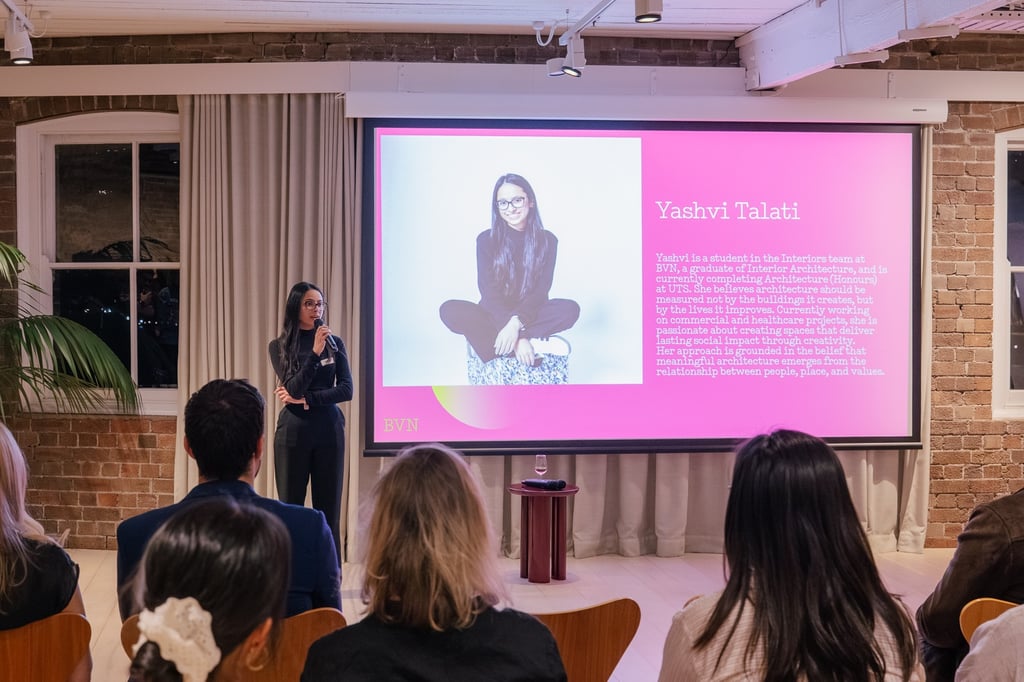
Interior Architecture vs Architecture: What’s the difference?
What’s the difference between Interior Architecture and Architecture? UTS graduate Yashvi Talati explains how the disciplines overlap and why she chose to...
Webpage
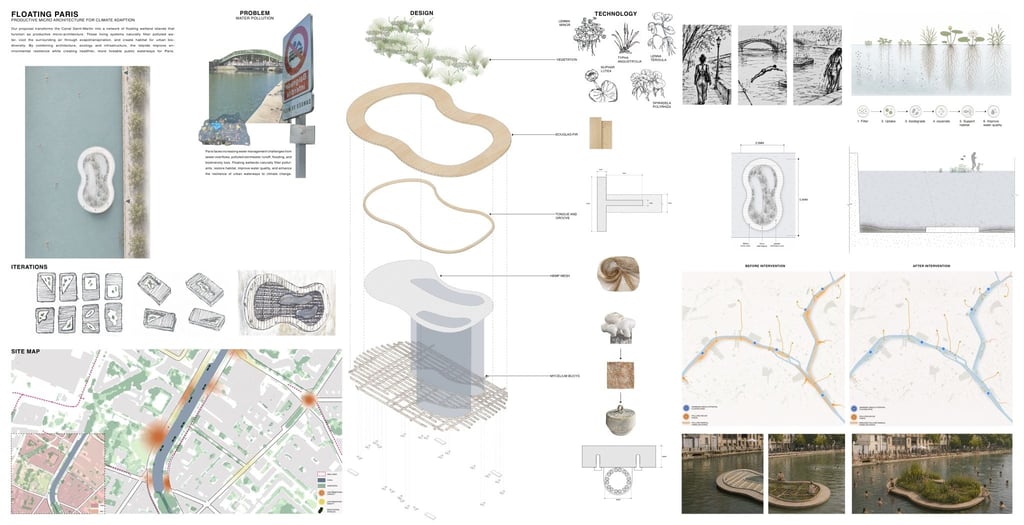
What is it like to be a landscape architecture student at UTS?
What is it really like to study Landscape Architecture at UTS? Third-year student Noah Orman shares his experience of studio learning, Global Studio and...
Webpage
Will AI replace architects? These UTS Architecture grads say no.
Will AI replace architects? UTS Architecture graduates explain how AI is changing architecture, the skills that still matter and why human creativity remains...
Webpage
Where can a UTS Architecture degree take you?
Thinking about studying architecture? Discover how a UTS Architecture degree combines creative practice, industry experience and design thinking to prepare you...
Webpage
Interior Architecture vs Architecture: What’s the difference?
What’s the difference between Interior Architecture and Architecture? UTS graduate Yashvi Talati explains how the disciplines overlap and why she chose to...
Webpage
What is it like to be a landscape architecture student at UTS?
What is it really like to study Landscape Architecture at UTS? Third-year student Noah Orman shares his experience of studio learning, Global Studio and...
Webpage
Will AI replace architects? These UTS Architecture grads say no.
Will AI replace architects? UTS Architecture graduates explain how AI is changing architecture, the skills that still matter and why human creativity remains...
Webpage
Where can a UTS Architecture degree take you?
Thinking about studying architecture? Discover how a UTS Architecture degree combines creative practice, industry experience and design thinking to prepare you...