


What’s the difference between Interior Architecture and Architecture? And if you’re interested in both, how do you know which degree is right for you?
UTS graduate Yashvi Talati has studied both. After completing the Bachelor of Design in Interior Architecture, she is now completing the Bachelor of Design (Honours) in Architecture while working in the Interiors team at BVN Architecture.
For Yashvi, the answer isn’t as simple as choosing between two completely separate disciplines. Her experience has given her the opportunity to explore where the two disciplines overlap – and how they can work together across a project.
“The boundaries between Architecture and Interior Architecture are blurred, and I enjoy both aspects of a project,” Yashvi says.
What is the difference between Interior Architecture and Architecture?
While Architecture and Interior Architecture share many design principles, they can approach a project from different perspectives.
Architecture considers buildings and the broader built environment, while Interior Architecture focuses more closely on the spaces within and around buildings – including how they are planned, experienced and used.
At UTS, the Bachelor of Design in Interior Architecture is studio-based and focuses on people, atmosphere and experience, while developing skills in spatial design, conceptual thinking, construction, materials and interior technologies. The Bachelor of Design in Architecture develops the skills needed to plan and design the physical spaces of tomorrow, preparing students to explore architecture at different scales and in response to the needs of people and place.
For Yashvi, a hospital provides a simple way to explain the relationship between the disciplines.
“A simple way I explain it is through a hospital. An architect designs the building, while engineers work out the structure, affecting internal spaces. An Interior Architect develops the internal planning, ensuring spaces comply with requirements, provide enough space and function effectively. An Interior Designer may focus more on materials, palettes and finishes.”
Why study Interior Architecture?
For Yashvi, studying Interior Architecture began with a natural interest in spaces and creativity.
“For me, architecture was more of an instinct. I was naturally drawn to studying spaces and understanding how they work, while also having a strong interest in drawing and being creative.”
Over time, her understanding of the discipline became broader. She began to see architecture as a way to contribute to communities and create meaningful change.
“I realised the need for architecture within communities, and how I could use this craft and creative ability to give back and create meaningful change.”
Her Interior Architecture studies also gave her skills that have continued to be useful in her Architecture studies and professional work.
“Interior Architecture taught me much more than designing a space. It developed my skills in graphics, drawing methods, project management and, importantly, finding my own workflow.”
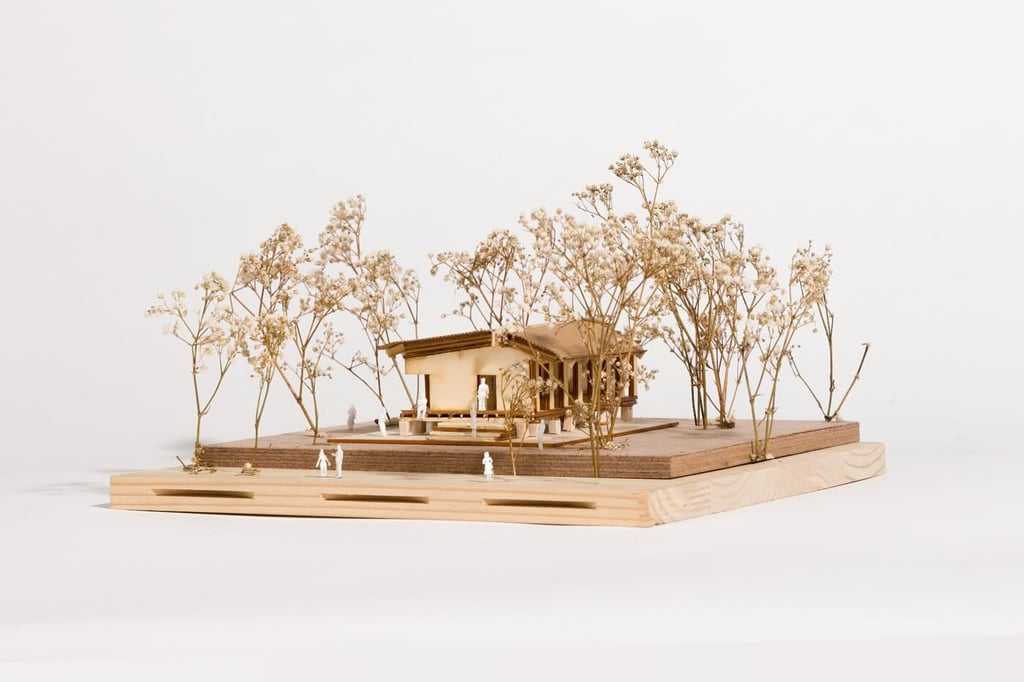
Why study Architecture after Interior Architecture?
Yashvi’s decision to continue into Architecture wasn’t about moving away from Interior Architecture.
“I get this question a lot, as people often see moving from Interior Architecture to Architecture as a transition. For me, it was always an intentional pathway, not moving away from Interior Architecture, but expanding my ability to work across both.”
For her, understanding a project as a whole is a key part of the appeal.
“A space is read and felt as a whole, and I've always wanted to develop the skills to work across both disciplines and understand a project as a whole.”
The Bachelor of Design (Honours) in Architecture builds on design thinking through studio-based learning, research and exploration of the broader built environment.
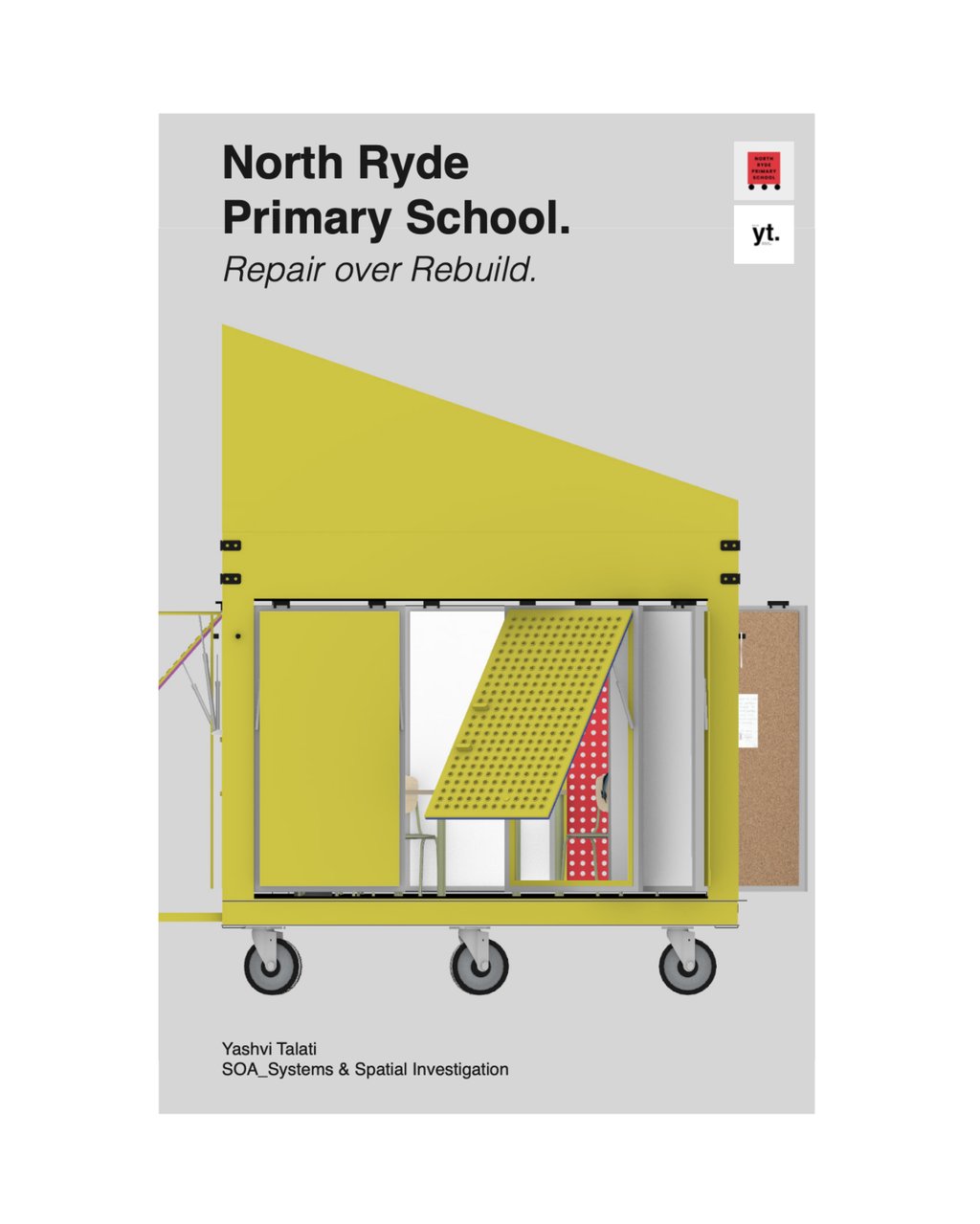
How does studying Architecture translate to professional practice?
Alongside her Architecture studies, Yashvi works in the Interiors team at BVN Architecture, contributing to drawings and documentation.
Her role involves working with project leads, consultants, suppliers, builders and clients, assisting with coordination, mark-ups, specifications and schedules from concept through to tender.
“Working in practice alongside my studies grounds what I learn at university in reality while developing skills beyond design.”
Working across different projects has also shown Yashvi that there is no single formula for how a project develops.
“Working across projects has shown me how approaches change with project type, stage and situation. With countless permutations and combinations, it would not be possible to know it all.”
For her, staying curious, open to learning and willing to take feedback is an important part of growing in the profession.

Interior Architecture or Architecture: which should you choose?
There isn’t necessarily a right or wrong path if you’re interested in both disciplines.
- If you’re interested in spaces, atmosphere, spatial planning and how people experience interiors, Interior Architecture may be worth exploring.
- If you’re interested in buildings, the broader built environment and designing the physical spaces of the future, Architecture may be the direction you want to investigate.
But the disciplines can overlap, and there are pathways to explore both. UTS’s Bachelor of Design in Interior Architecture includes an Architecture stream, giving students the opportunity to develop knowledge across both fields.
For Yashvi, the most important thing is understanding what you enjoy and what you want to contribute.
“Find your purpose and a niche. Understand what you enjoy, what you want to contribute and where you see yourself within the built environment and its people.”
Webpage
What is it like to be a landscape architecture student at UTS?
What is it really like to study Landscape Architecture at UTS? Third-year student Noah Orman shares his experience of studio learning, Global Studio and...
Webpage
Will AI replace architects? These UTS Architecture grads say no.
Will AI replace architects? UTS Architecture graduates explain how AI is changing architecture, the skills that still matter and why human creativity remains...
Webpage
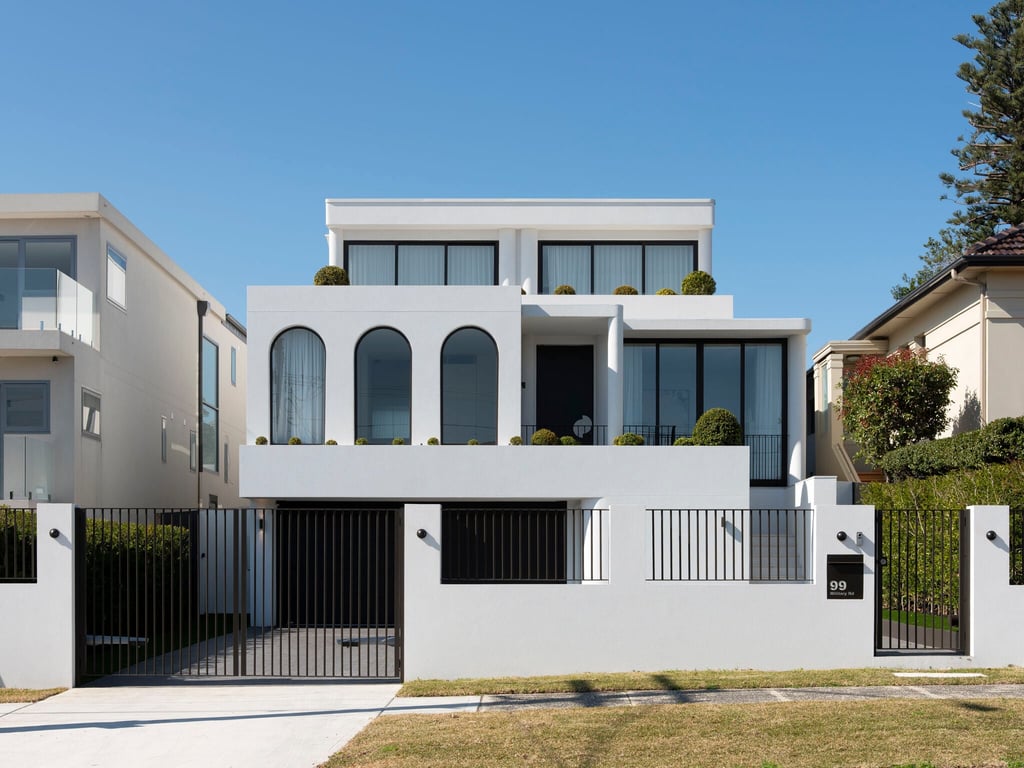
Where can a UTS Architecture degree take you?
Thinking about studying architecture? Discover how a UTS Architecture degree combines creative practice, industry experience and design thinking to prepare you...
Webpage
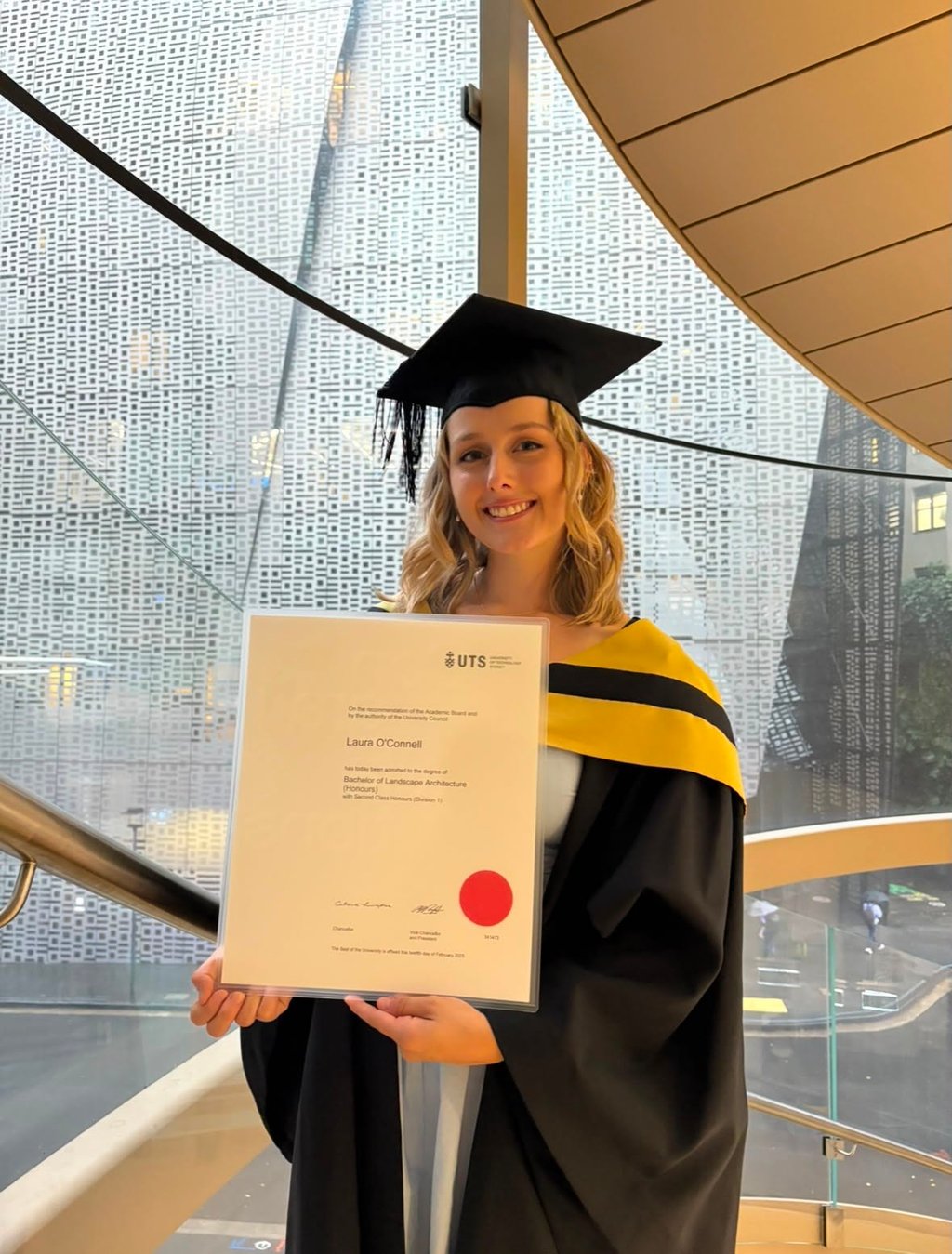
Why study landscape architecture? A UTS graduate explains how the profession is shaping Australia's cities
Considering a career in landscape architecture? Discover what landscape architects do and how studying at UTS can prepare you to shape Australia's cities.
Webpage
What is it like to be a landscape architecture student at UTS?
What is it really like to study Landscape Architecture at UTS? Third-year student Noah Orman shares his experience of studio learning, Global Studio and...
Webpage
Will AI replace architects? These UTS Architecture grads say no.
Will AI replace architects? UTS Architecture graduates explain how AI is changing architecture, the skills that still matter and why human creativity remains...
Webpage
Where can a UTS Architecture degree take you?
Thinking about studying architecture? Discover how a UTS Architecture degree combines creative practice, industry experience and design thinking to prepare you...
Webpage
Why study landscape architecture? A UTS graduate explains how the profession is shaping Australia's cities
Considering a career in landscape architecture? Discover what landscape architects do and how studying at UTS can prepare you to shape Australia's cities.