


Architecture is often described as the ‘art and science’ of creating spaces that shape the human experience. It’s a degree and career choice made for creative thinkers who love technology, solving problems and working with others.
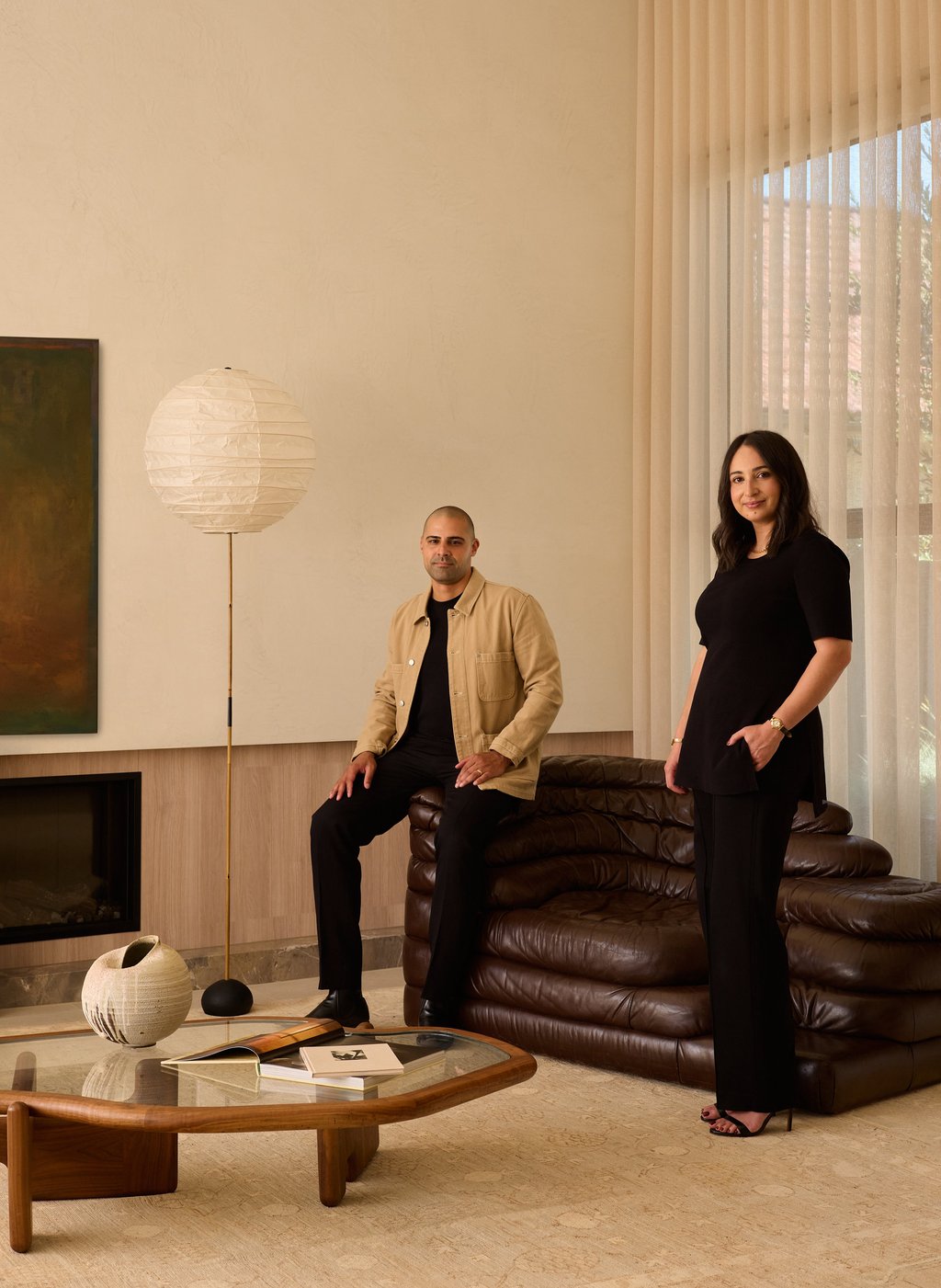
Just ask UTS Architecture graduates Laura Stanton and Wally Stanton, the co-founders of Stanton Architects. Both Laura, Principal Architect and Wally, Director of Stanton Architects completed the Bachelor of Design in Architecture Master of Architecture, an accredited degree sequence that forms one of the compulsory steps towards becoming an accredited architect in New South Wales.
“Architecture felt like the perfect fit because of its broad spectrum of possibilities, from architecture and interiors to landscape, furniture and lighting design. [It also allows] me to combine both the creative and analytical sides of my thinking,” says Laura.
“Seeing how artists, designers and makers could turn simple ideas into something meaningful made me realise I wanted a career that combined creativity with real-world impact,” says Wally.
Studying architecture at UTS
At UTS, one of the world’s top 100 universities for architecture, Laura and Wally found themselves surrounded by other creatives from across the spectrum of the University’s Design and Architecture disciplines.
“The exchange of ideas and perspectives broadened our approach to design and reinforced our passion for architecture,” Laura says.
“The studio culture and collaborative environment create a supportive place to explore ideas, learn from others and develop your own design voice.”
UTS Architecture degrees are known for their hands-on approach which is characterised by creative studios, interaction with industry and international learning opportunities. Taught by established architecture professionals and researchers, course content balances design, technical knowledge and real-world practice.
“One of the most important parts of my time at UTS was the relationships I built with [my teachers]. Their passion for architecture, generosity with their knowledge and genuine investment in their students inspired me to think critically, continually improve and value thoughtful design,” Wally says.
The skills to work as an architect
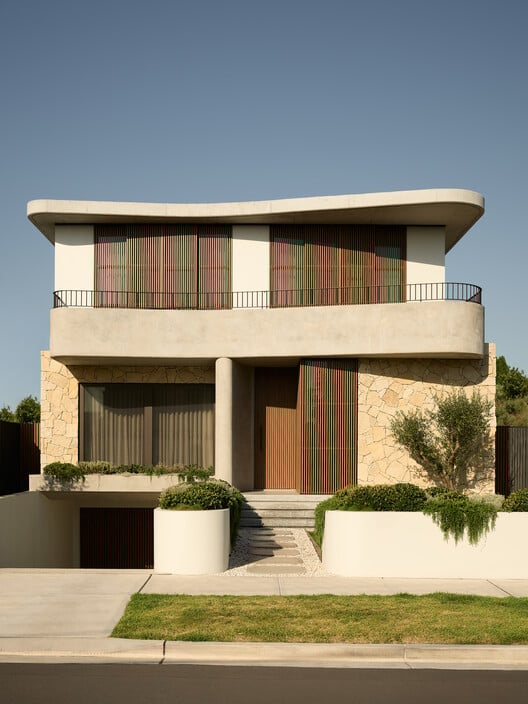
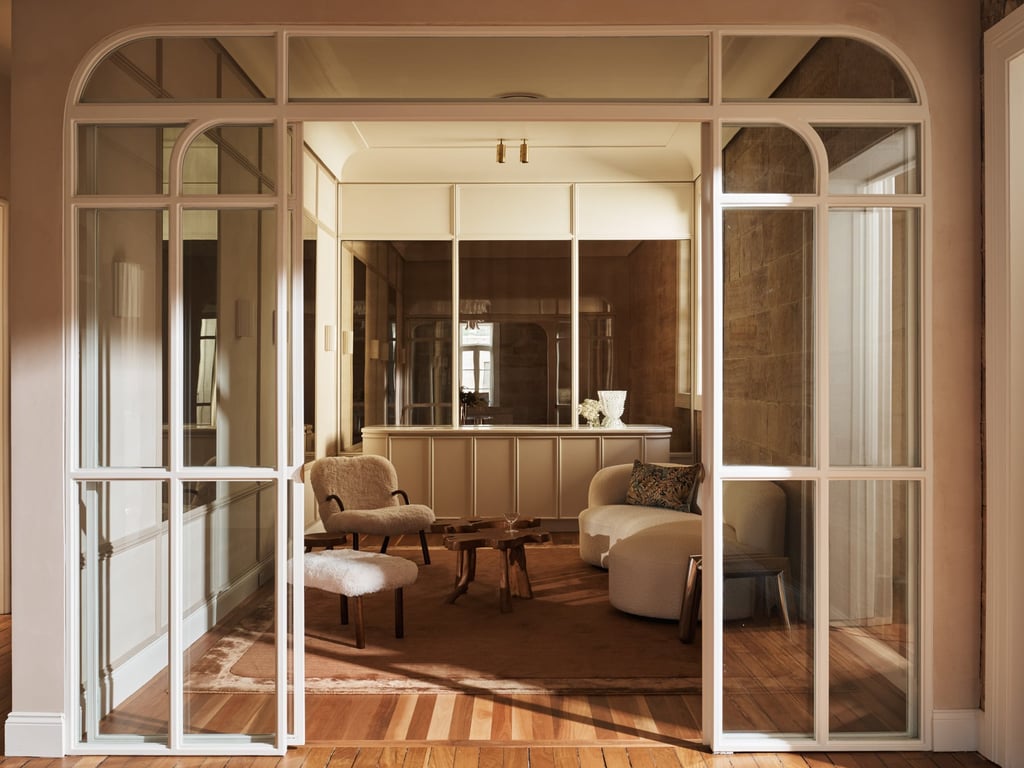
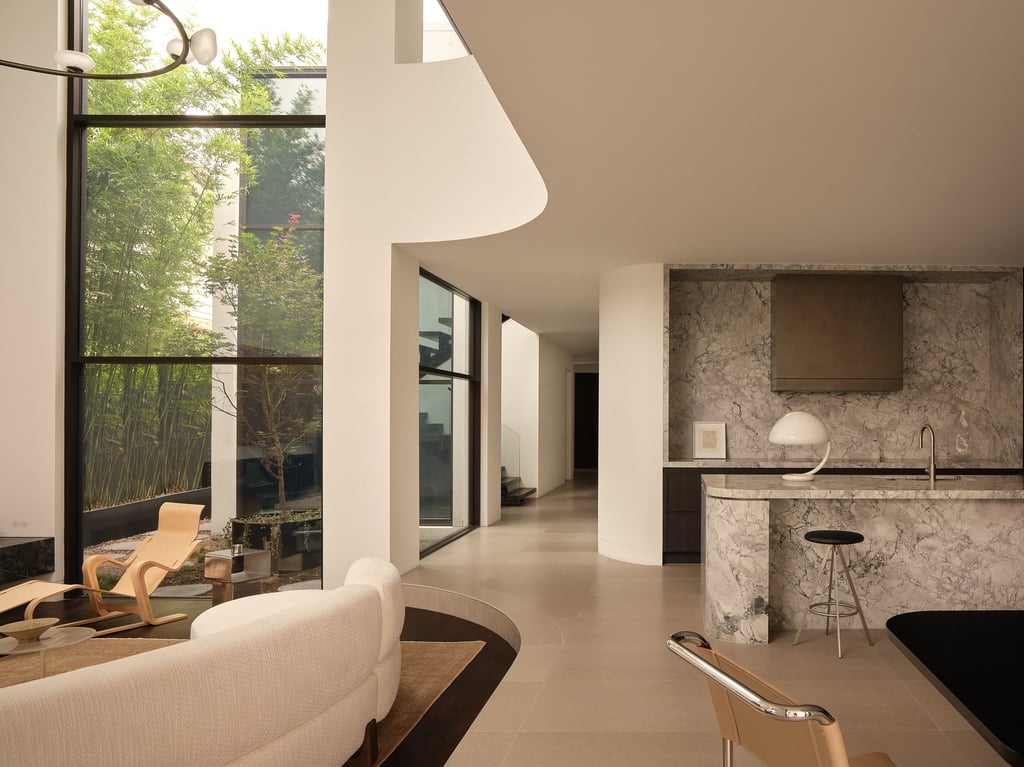
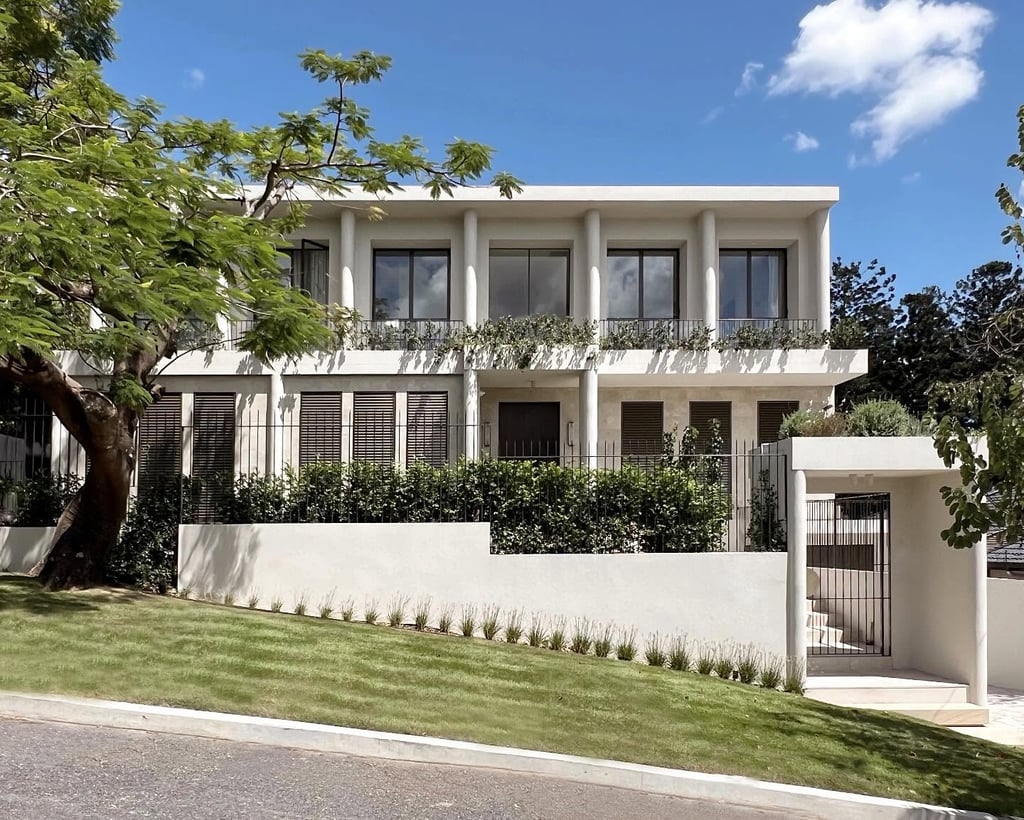
For Laura and Wally, who met on their first day at UTS, the end goal of studying architecture was to open their own architectural practice. In 2020, they launched Stanton Architects, an architecture and interior design firm known for high-end residential and commercial projects across Sydney.
They now spend their days developing design concepts, meeting with clients, visiting construction sites and working alongside builders, consultants and suppliers.
“No two days are ever the same, which is one of the things we love best about architecture,” Wally says.
As it turns out, their expertise in the design side of architecture and interiors is important, but it’s just one piece of a much broader skillset that they call on every day.

Other key skills for an architecture career include:
- communication skills: communicating an architectural vision to bring diverse stakeholders on board
- technology skills: leveraging the latest architectural tools and programs to streamline the design process and reduce administrative burden
- people skills: building long-term relationships with clients, suppliers, consultants and staff who become key partners in the creative process
- management skills: supervising and motivating in-house teams who work together to bring projects to life
- administrative skills: understanding and working within the constraints of regulatory requirements, building codes and construction processes.
An architecture degree can lead to a wide range of careers
With the launch of Stanton Architects, Laura and Wally have achieved a long-held career dream, but becoming an architect is just one of many career paths for architecture graduates. The multidisciplinary design focus of UTS Architecture degrees prepares students for a diversity of design-focused roles, including:
- architect
- designer
- exhibition designer
- interior architect
- urban designer
Graduates can also work in disciplines that sit alongside the architecture and design professions and help shape built environment policy, education and practice. Roles include:
- architectural critic or journalist
- construction manager
- policy advisor
- property developer
- researcher
- sustainability consultant
- urban planner
“Architecture brings together art, problem solving and the opportunity to shape the way people experience spaces every day,” Wally says.
“How you choose to do that is up to you.”
Webpage
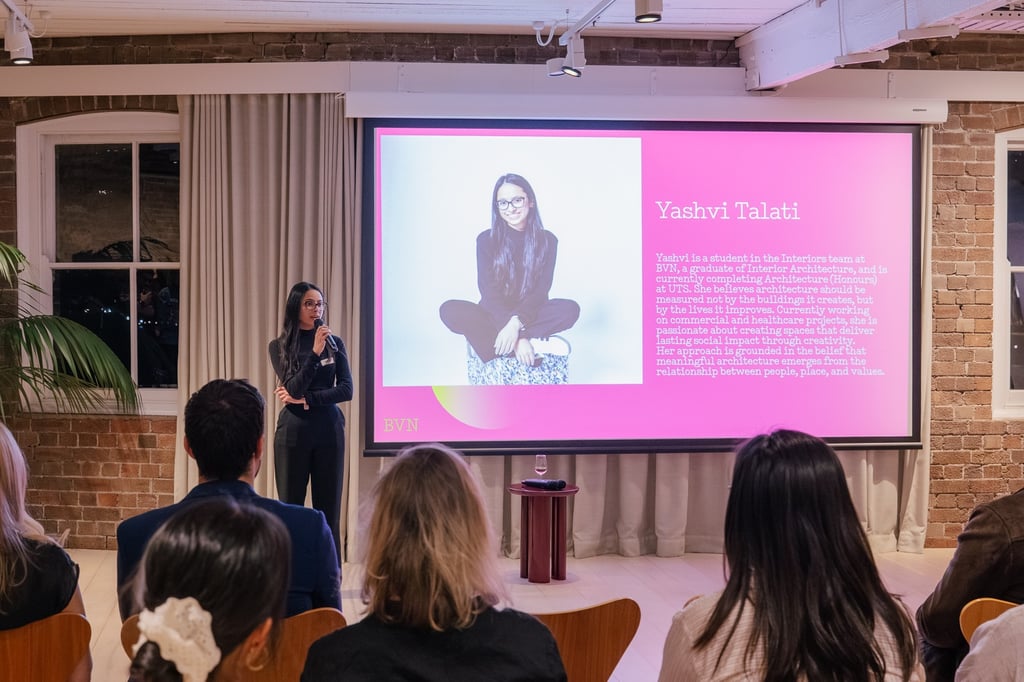
Interior Architecture vs Architecture: What’s the difference?
What’s the difference between Interior Architecture and Architecture? UTS graduate Yashvi Talati explains how the disciplines overlap and why she chose to...
Webpage
What is it like to be a landscape architecture student at UTS?
What is it really like to study Landscape Architecture at UTS? Third-year student Noah Orman shares his experience of studio learning, Global Studio and...
Webpage
Will AI replace architects? These UTS Architecture grads say no.
Will AI replace architects? UTS Architecture graduates explain how AI is changing architecture, the skills that still matter and why human creativity remains...
Webpage
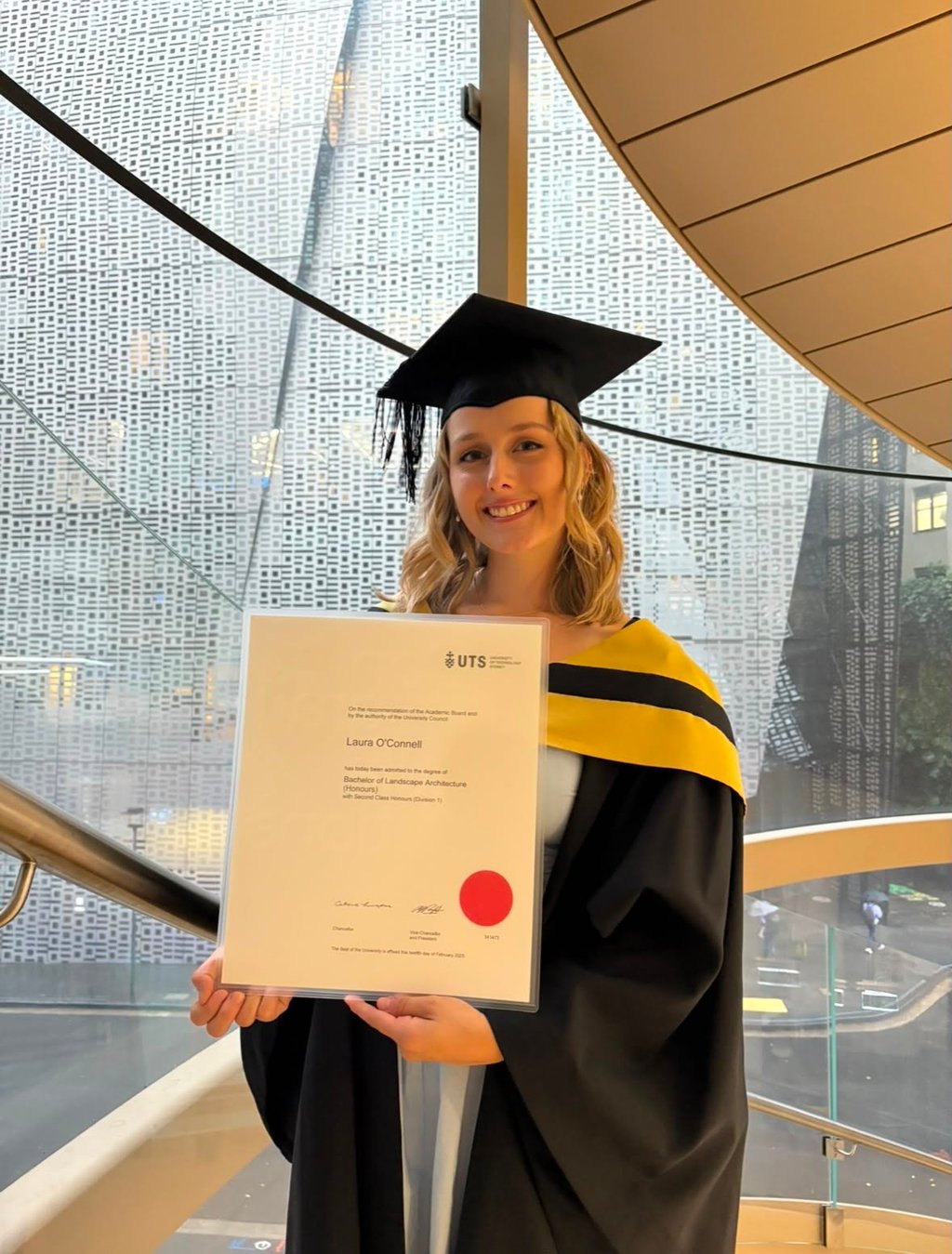
Why study landscape architecture? A UTS graduate explains how the profession is shaping Australia's cities
Considering a career in landscape architecture? Discover what landscape architects do and how studying at UTS can prepare you to shape Australia's cities.
Webpage
Interior Architecture vs Architecture: What’s the difference?
What’s the difference between Interior Architecture and Architecture? UTS graduate Yashvi Talati explains how the disciplines overlap and why she chose to...
Webpage
What is it like to be a landscape architecture student at UTS?
What is it really like to study Landscape Architecture at UTS? Third-year student Noah Orman shares his experience of studio learning, Global Studio and...
Webpage
Will AI replace architects? These UTS Architecture grads say no.
Will AI replace architects? UTS Architecture graduates explain how AI is changing architecture, the skills that still matter and why human creativity remains...
Webpage
Why study landscape architecture? A UTS graduate explains how the profession is shaping Australia's cities
Considering a career in landscape architecture? Discover what landscape architects do and how studying at UTS can prepare you to shape Australia's cities.