


Timeframe
-
2022 -2024
Lead Researchers
-
Elsa Dominish
-
Nick Florin
-
Taylor Brydges
SDGs
-
7. Affordable and Clean Energy
-
12. Responsible Consumption and Production
Collaborator
-
Earthworks
- Posted on 14 Aug 2025
Tackling the environmental and social challenges posed by mineral and metal mining as electric vehicles become more prevalent.
Transitioning to electric vehicles (EVs) from fossil-powered vehicles is a priority strategy for decarbonising passenger road transport. However, EV batteries are material intensive. This is driving demand for mineral and metal mining for key ingredients, such as cobalt, lithium, and nickel.
While the impacts of mining-related to battery production have become better understood, a large increase in new mining and harmful impacts is not inevitable. UTS research emphasises the opportunity to reduce emissions more rapidly by not just focussing on a switch from one technology to another, but by changing our whole transport system to reduce reliance on private vehicles.
A system-wide change can also emphasise more equitable sharing of benefits, including equitable access to low-emission mobility, increased safety for pedestrians, improved health, and quality of life.
The research identifies five practical strategies to support a socially just transition of road passenger transportation to net zero emissions that minimises mineral demand and mitigates mining impacts:
- Reducing car dependence through urban redesign and improved public transport
- Promoting smaller, more efficient EVs
- Intensively reusing and repurposing of EV batteries
- Enhancing recycling to ensure high recovery rates of minerals from used batteries
- Ensuring responsible sourcing practices that respect human rights and environmental standards.
The research report that includes detailed case studies is available here.
Elsa Dominish’s Ted Talk on the topic
Researchers

Research Director, DVC (Research)
Research Director, DVC (Research)

Adjunct Fellow, DVC (Research)
The research was a collaboration with Earthworks represented by Payal Sampat, Earthworks Mining Program Director.

Webpage
Bioengineering Protein Nanocages into Multi-target Vaccines for Alzheimer’s Disease
Alzheimer's disease (AD) is characterised by the clumping of abnormal proteins in the brain, which increases over time and leads to worsening cognitive...

Webpage
The Right to Housing in Australia
Housing is increasingly unaffordable, and inequality in housing is growing. The human right to housing offers a response to this crisis that centres human...

Webpage
Thrive project: Helping all young Australians finish school well
Completing high school well is a critical milestone that shapes young people’s future opportunities. Yet many students, particularly those facing social,...
Webpage
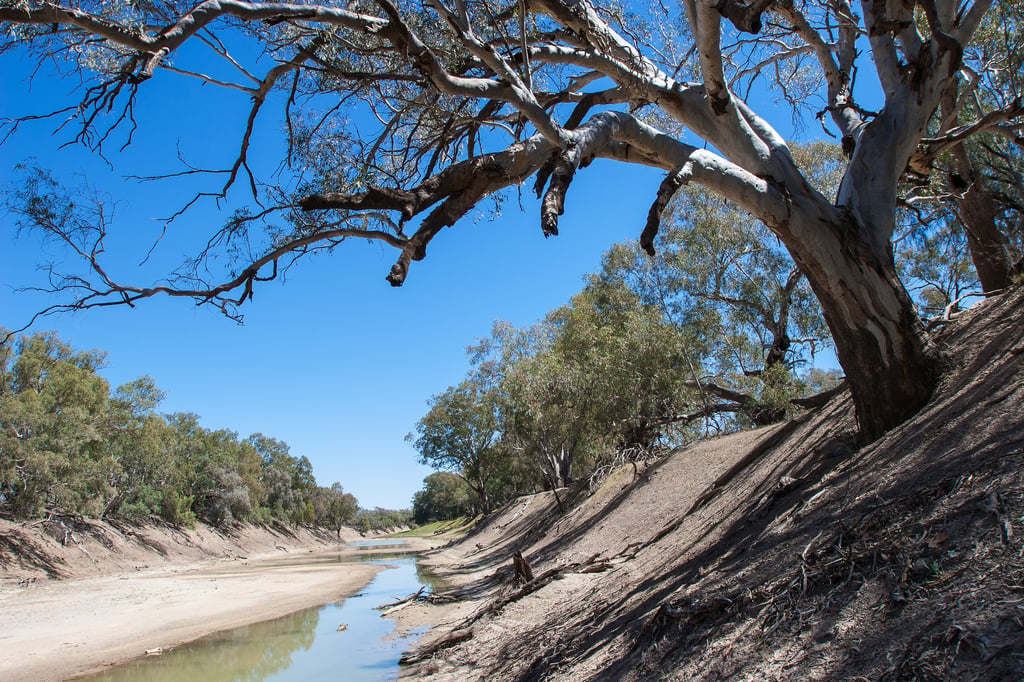
Can the Darling River System survive both climate change and mismanagement?
Water levels in the Darling River are notoriously irregular but decreasing rapidly. Darling River water is critical for the Murray-Darling Basin and in recent...
Webpage
Bioengineering Protein Nanocages into Multi-target Vaccines for Alzheimer’s Disease
Alzheimer's disease (AD) is characterised by the clumping of abnormal proteins in the brain, which increases over time and leads to worsening cognitive...
Webpage
The Right to Housing in Australia
Housing is increasingly unaffordable, and inequality in housing is growing. The human right to housing offers a response to this crisis that centres human...
Webpage
Thrive project: Helping all young Australians finish school well
Completing high school well is a critical milestone that shapes young people’s future opportunities. Yet many students, particularly those facing social,...
Webpage
Can the Darling River System survive both climate change and mismanagement?
Water levels in the Darling River are notoriously irregular but decreasing rapidly. Darling River water is critical for the Murray-Darling Basin and in recent...