


Timeframe
-
July 2018 - December 2024
Lead Researchers
-
Professor Juliet Willetts
-
Melita Grant
-
Dr Jess MacArthur
-
Dr Naomi Carrard
-
Diana Gonzalez Botero
SDGs
-
5. Gender Equality
-
6. Clean Water and Sanitation
-
13. Climate Action
- Posted on 1 Oct 2025
Transformative research partnerships driving gender equality and social inclusion in water, sanitation, and hygiene across the Asia-Pacific region.
The Institute for Sustainable Futures (ISF) tackled one of humanity's most pressing challenges through an award-winning research initiative focused on gender equality in water, sanitation, and hygiene (WASH). With 2.2 billion people lacking safely managed drinking water and 3.5 billion without safely managed sanitation globally, this work addressed essential needs—particularly for women and children who disproportionately bear the burden of labour and disease resulting from inadequate WASH services.
Through transformative partnerships across Nepal, Bangladesh, Cambodia, Indonesia, Timor-Leste, and Vanuatu, the team developed innovative tools now used worldwide: the WASH gender equality measure, an inclusive workforce database, and climate-resilient WASH frameworks. These resources have proven useful to regional partners, with one Cambodian collaborator noting that the work "not only built capacity for our team on research methods but also benefited Cambodia," while others praised the "impactful practical tools that can be applied by implementers directly."
The project's influence extended to policy level, with Indonesia's Ministry of National Development incorporating recommendations into their SDG 6 roadmap. This achievement demonstrates the initiative's far-reaching impact on sustainable development.
The success stemmed from a transdisciplinary approach that united diverse expertise to address complex challenges while mentoring early career researchers. By co-creating locally relevant evidence and solutions and building regional research capacity, the project made significant contributions to multiple Sustainable Development Goals.
Supported by the Australian Government's Water for Women Fund, this collaborative effort yielded measurable outcomes: strengthened women's leadership in local governance, improved community-led inclusive climate-resilient WASH programs, and influential policy changes that will benefit millions across the Asia-Pacific region.
Researchers

Professor, DVC (Research)

Associate Director Research, DVC (Research)

Adjunct Fellow, DVC (Research)

Research Director, DVC (Research)

Research Principal, DVC (Research)

Webpage
Bioengineering Protein Nanocages into Multi-target Vaccines for Alzheimer’s Disease
Alzheimer's disease (AD) is characterised by the clumping of abnormal proteins in the brain, which increases over time and leads to worsening cognitive...
Webpage
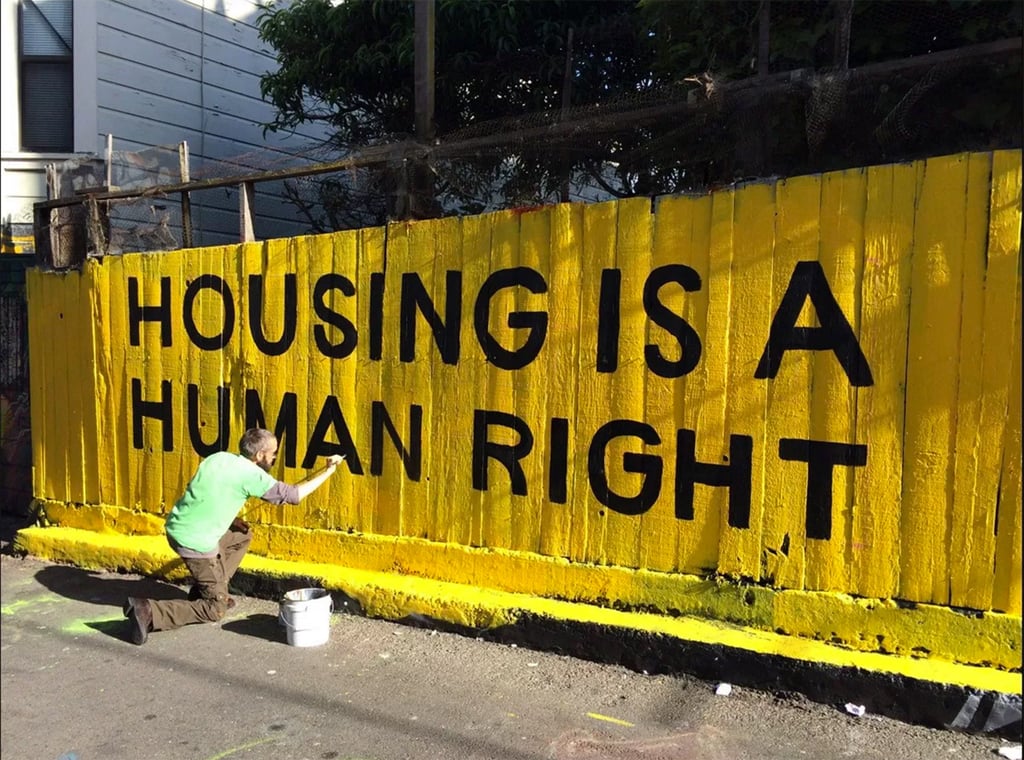
The Right to Housing in Australia
Housing is increasingly unaffordable, and inequality in housing is growing. The human right to housing offers a response to this crisis that centres human...

Webpage
Thrive project: Helping all young Australians finish school well
Completing high school well is a critical milestone that shapes young people’s future opportunities. Yet many students, particularly those facing social,...
Webpage
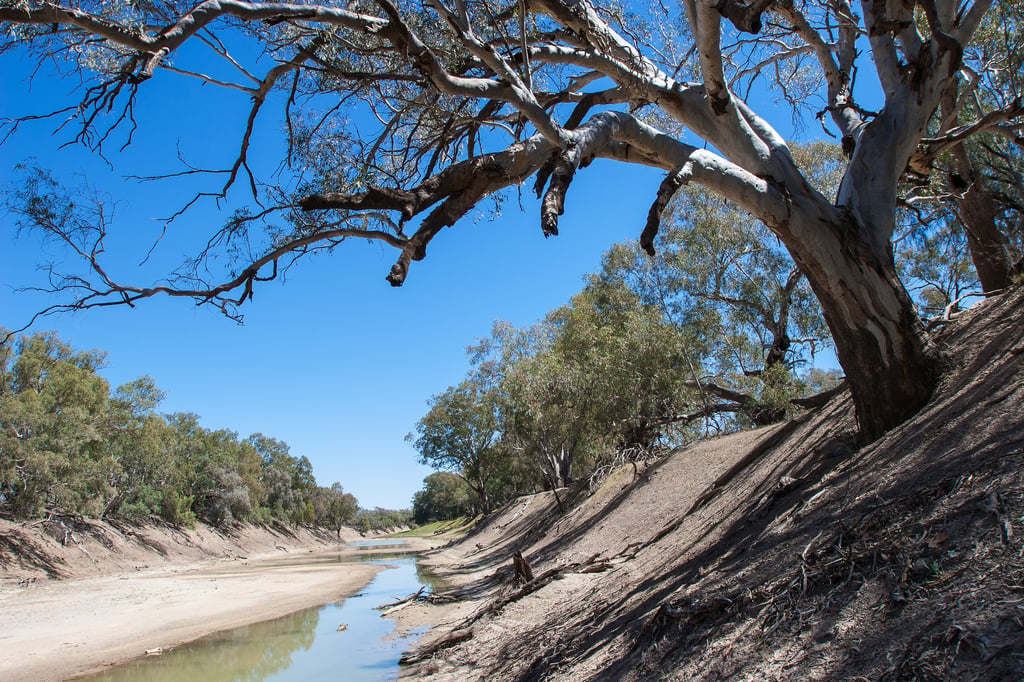
Can the Darling River System survive both climate change and mismanagement?
Water levels in the Darling River are notoriously irregular but decreasing rapidly. Darling River water is critical for the Murray-Darling Basin and in recent...
Webpage
Bioengineering Protein Nanocages into Multi-target Vaccines for Alzheimer’s Disease
Alzheimer's disease (AD) is characterised by the clumping of abnormal proteins in the brain, which increases over time and leads to worsening cognitive...
Webpage
The Right to Housing in Australia
Housing is increasingly unaffordable, and inequality in housing is growing. The human right to housing offers a response to this crisis that centres human...
Webpage
Thrive project: Helping all young Australians finish school well
Completing high school well is a critical milestone that shapes young people’s future opportunities. Yet many students, particularly those facing social,...
Webpage
Can the Darling River System survive both climate change and mismanagement?
Water levels in the Darling River are notoriously irregular but decreasing rapidly. Darling River water is critical for the Murray-Darling Basin and in recent...