


- Posted on 19 Feb 2025
About SDG 7: Take urgent action to combat climate change and its impacts
Worldwide more than 750 million people lack access to reliable electricity, with billions more relying on dirty polluting energy systems. The rapid transition to renewable energy is now a major global focus.
UTS is well on the way to achieving our plan of 100% renewable electricity by 2025 and to be Climate Positive by 2029. Our internationally recognised research centres focus on battery storage, energy efficiency and the transition to clean energy technology. Below are some examples of our contribution and impact.
Here are some examples of our work at UTS contributing towards SDG 7.
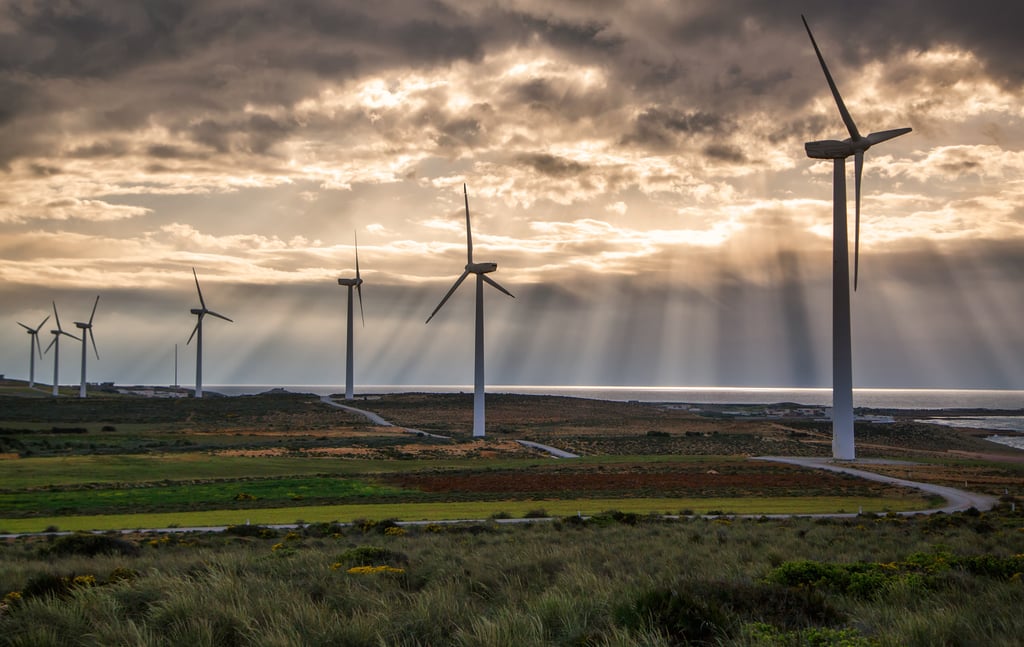
One Earth Climate Model Africa
The UTS Institute for Sustainable Futures (ISF) has developed detailed decarbonisation pathways for Kenya, Malawi, Rwanda, Senegal, Tanzania, and Tunisia, using the One Earth Climate Model (OECM) – a tool established in 2017 by scientists from ISF, the German Aerospace Center, and the University of Melbourne.

Minimising the impact from electric vehicles
Tackling the environmental and social challenges posed by mineral and metal mining as electric vehicles become more prevalent.

Electrifying Australia’s Domestic Hot Water
Using smart electric water heaters can help Australia reduce emissions and save consumers billions.

Energy Ready: Empowering communities to build energy resilience
A toolkit to help communities develop action plans for climate-related disasters like bushfires, floods and cyclones.
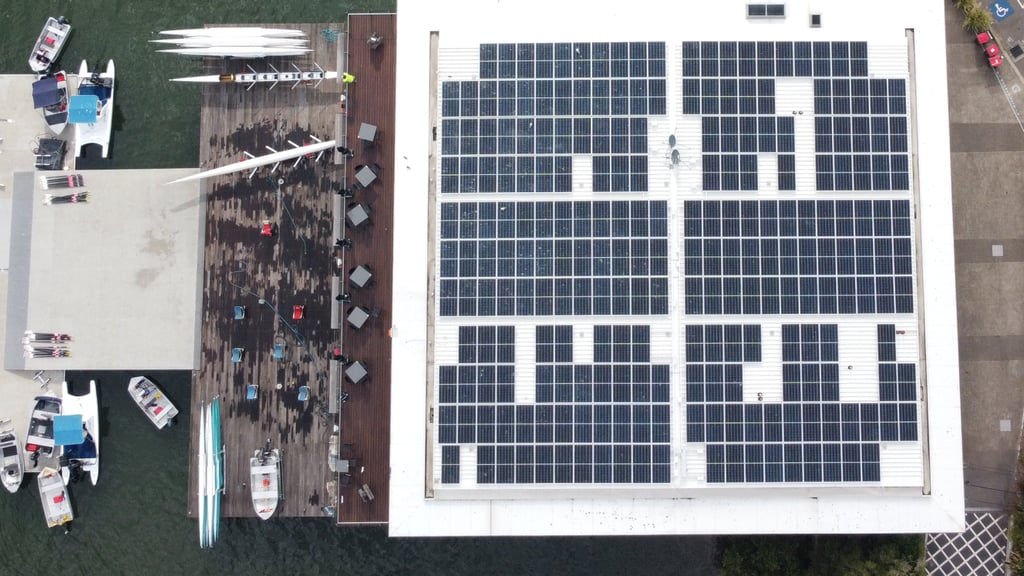
UTS going solar
UTS is on a journey transitioning to solar energy. We’ve installed PV solar on our campus building roof tops and also forged partnership agreements with solar farms in rural NSW.
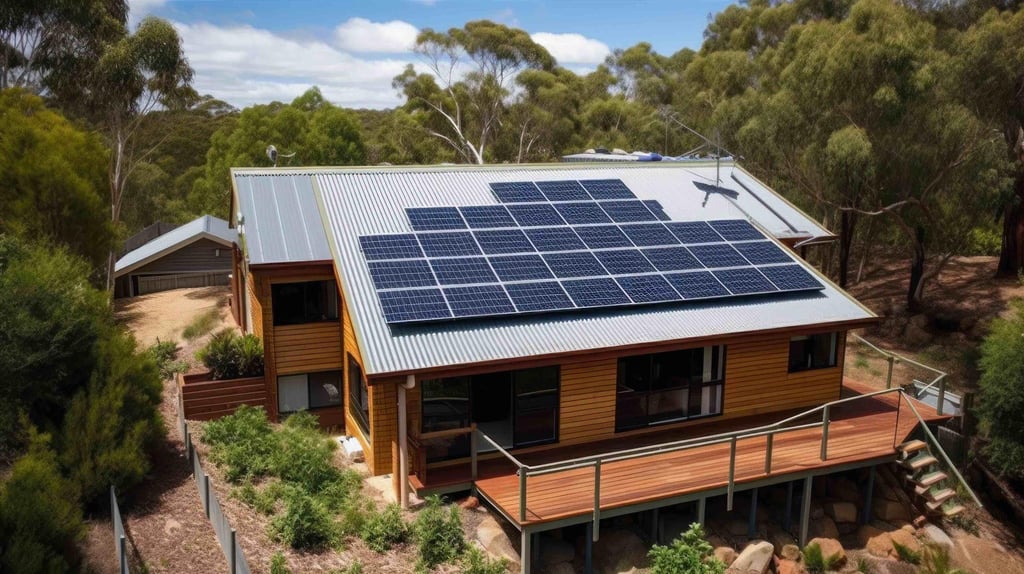
Local energy solutions improving climate resilience
As natural & climate related disasters become a frequent reality in Australia, local energy solutions like microgrids could help ensure that regional communities don’t run out of critical energy.
Our impact
Find out how UTS staff and students are contributing to the UN’s Sustainable Development Goals.
Trailblazers for the Goals
UTS has experts working towards the SDGs all over campus. The Trailblazers for the Goals are a campus-wide network of researchers and experts advancing the UN Sustainable Development Goals.
You can contact a trailblazer to discuss their work for the SDGs, or they can connect you with other experts in the space.

Dr. Scott Dwyer
Institute for Sustainable Futures (ISF)
Scott is an Associate Professor and Research Director at the ISF specialising in energy systems and transitions. His research advances SDG 7 by examining the opportunities and challenges arising from disruption across the energy and transport sectors, with a strong focus on policy, markets, and real-world implementation.