


Project timeline
-
2025
Lead researchers
-
Caitlin McGee
-
Gordon Noble
-
Matt Daly
-
Josh Gilbert
SDGs
-
10. Reduced Inequalities
-
11. Sustainable Cities and Communities
-
17. Partnerships for the Goals
- Posted on 1 Oct 2025
Tackling housing affordability is one of Australia’s biggest policy challenges. With a growing number of Australians expecting to be ‘forever renters’, UTS researchers are developing a new model that makes home ownership more accessible to Australians on low to middle incomes.
Breaking into home ownership in Australia has never been more difficult. It takes longer to save for a deposit, and repayments are harder to afford. Unsurprisingly, home ownership is declining for all ages but most particularly younger households, dubbed ‘generation rent’.
Over a third of Australians rent, in an increasingly competitive private rental market that is one of the least secure in the world. This situation is widening economic and intergenerational inequity. Many Australians are simply locked out of the wealth-creation and security benefits associated with home ownership. A new model being developed by UTS researchers aims to change that.
Leveraging the Australian Government’s recent ‘Build to Rent’ legislation, researchers from the Institute for Sustainable Futures and Jumbunna Institute are developing a ‘Build to Rent to Own’ model that would allow a renter in a development to build an ownership stake in the entity over time. This essentially provides the benefits of home ownership without the high barriers to entry. Without needing a deposit or bank loan, lower to middle-income renters have the chance to build equity and enjoy the lifetime security and neighbourhood connections that come with home ownership. A successful model can deliver individual and societal benefits. The research is supported by a grant from the James Martin Institute’s Policy Challenge, a program supporting research that tackles the biggest policy challenges in NSW.
Our researchers are engaging widely with governments and the financial, housing, and property development sectors to help build and test the model. They are particularly exploring the potential for values-aligned investment by Australian superannuation funds representing the workers struggling to afford housing. A key consideration is testing the model in a range of different community contexts and locations, including for First Nations communities.
Researchers

Research Director, DVC (Research)

Industry Fellow, DVC (Research)

Research Principal, DVC (Research)

Researcher (Indigenous Policy), Deputy Vice-Chancellor (Education and Students)

Webpage
Bioengineering Protein Nanocages into Multi-target Vaccines for Alzheimer’s Disease
Alzheimer's disease (AD) is characterised by the clumping of abnormal proteins in the brain, which increases over time and leads to worsening cognitive...
Webpage
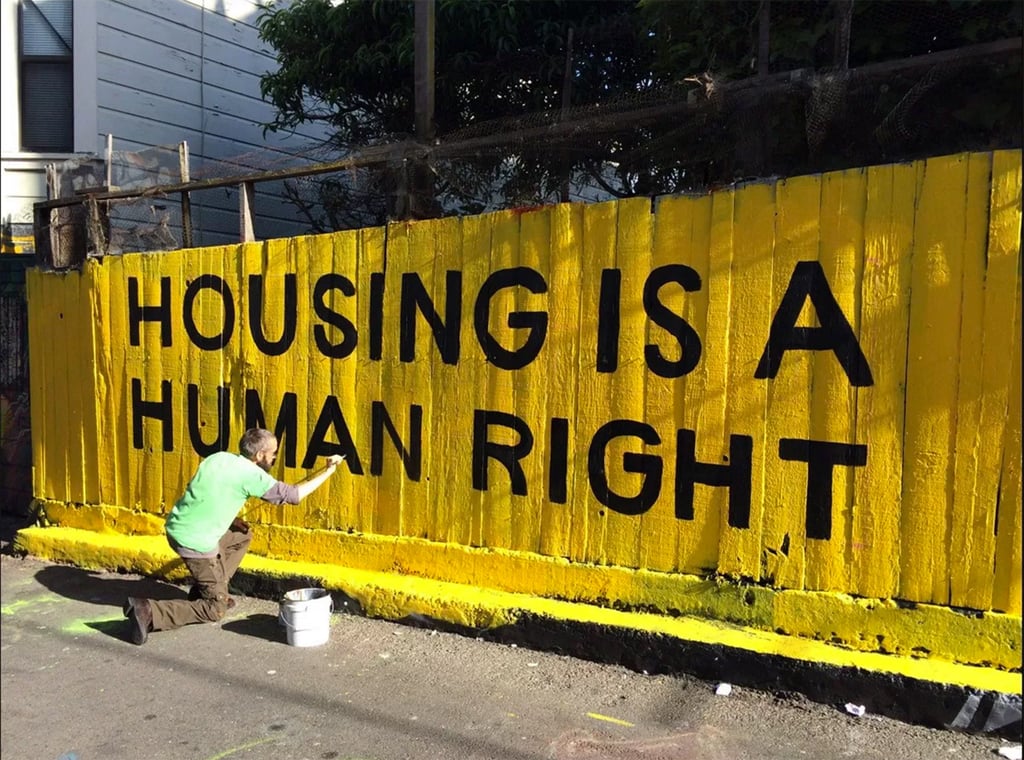
The Right to Housing in Australia
Housing is increasingly unaffordable, and inequality in housing is growing. The human right to housing offers a response to this crisis that centres human...

Webpage
Thrive project: Helping all young Australians finish school well
Completing high school well is a critical milestone that shapes young people’s future opportunities. Yet many students, particularly those facing social,...
Webpage
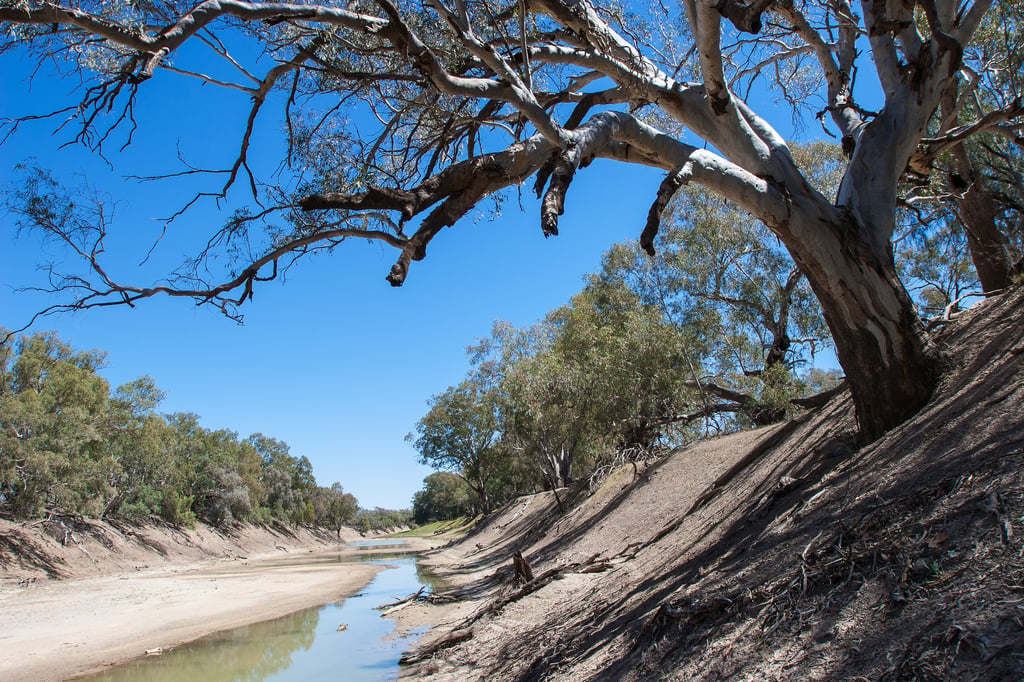
Can the Darling River System survive both climate change and mismanagement?
Water levels in the Darling River are notoriously irregular but decreasing rapidly. Darling River water is critical for the Murray-Darling Basin and in recent...
Webpage
Bioengineering Protein Nanocages into Multi-target Vaccines for Alzheimer’s Disease
Alzheimer's disease (AD) is characterised by the clumping of abnormal proteins in the brain, which increases over time and leads to worsening cognitive...
Webpage
The Right to Housing in Australia
Housing is increasingly unaffordable, and inequality in housing is growing. The human right to housing offers a response to this crisis that centres human...
Webpage
Thrive project: Helping all young Australians finish school well
Completing high school well is a critical milestone that shapes young people’s future opportunities. Yet many students, particularly those facing social,...
Webpage
Can the Darling River System survive both climate change and mismanagement?
Water levels in the Darling River are notoriously irregular but decreasing rapidly. Darling River water is critical for the Murray-Darling Basin and in recent...