


Location
-
Solomon Islands
-
Nepal
-
Cambodia
Partners
-
SNV Netherlands Development Organisation
-
World Wildlife Fund for Nature (WWF)
SDGs
-
2. Zero Hunger
-
5. Gender Equality
-
6. Clean Water and Sanitation
-
7. Affordable and Clean Energy
-
10. Reduced Inequalities
-
13. Climate Action
- Posted on 26 Feb 2026
Catalysing gender transformative practice at the GEDSI-climate nexus
Working in partnership with SNV and WWF, this action research is embedded within three existing programs across Cambodia, Nepal and the Solomon Islands, and will co‑produce knowledge on gender‑transformative approaches to strengthen climate adaptation and resilience in key development sectors.
Across the Indo‑Pacific, climate change is intensifying pressures on water, food systems and ecosystems. These pressures intersect with existing inequalities, shaping who is most exposed to climate risks, whose knowledge is valued, and who has power to influence decisions.
This research sits at the GEDSI–climate nexus, focusing on how gender‑transformative practice (GTP) can strengthen inclusive climate adaptation and resilience. Rather than asking what principles should guide gender‑transformative work, the project centres on a more pressing question: how do these principles actually play out in real programs, under real‑world constraints?
Why practice matters
There is growing agreement on the importance of gender‑transformative approaches in climate and development. Yet, in practice, application remains uneven. Programs may be technically strong, but still struggle to address the structural and relational drivers of inequality — and in some cases, may inadvertently reinforce them.
Across sectors, common patterns persist:
- WASH: Women may be represented in committees, but often without real influence; sector workforces remain male‑dominated.
- Food systems: Women play critical roles in production and household resilience, yet are frequently excluded from decision‑making and market opportunities.
- Nature‑based solutions: Gender considerations are often minimal, leaving underlying power relations unchallenged.
These gaps matter. Persistent norms, institutional barriers and unequal power relations increase the vulnerability of women, girls, people with disabilities and other excluded groups to climate impacts. Practice is the missing middle between intent, tools and outcomes at the GEDSI–climate nexus.
Our focus: from principles to practice
This research investigates how GTAs can be deepened and scaled across different sectors through practice based partnership cases. It is guided by five core principles (MacArthur et al. 2022):
- Motivated towards profound gender-transformations
- Focused on the systems which perpetuate inequality
- Grounded in strategic gender interests
- Recognising and valuing diverse identities
- Embracing transformative methodological practices
With these principles as a reference, practice cases are rooted in understanding local contexts, meeting people where they are and working from grounded realities.
A research–practice partnership approach
Led by UTS‑ISF in partnership with SNV and WWF, the research is embedded within three sectoral programs:
- Nepal: WASH governance
- Cambodia: Food systems (including rice and solar irrigation)
- Solomon Islands: Food systems and nature‑based solutions
These partnerships allow the project to co‑produce knowledge alongside practitioners as they navigate gender, inclusion and climate challenges in real time.
How the project works
Phase 1: Co-design (2025)
Collaborative design with SNV, WWF, and country partners to align priorities, shape practice cases, and build a shared foundation.
Phase 2: Practice cases (2026)
Using a Transformative Living Laboratories (TLabs) approach, we will work alongside ongoing programs in Nepal, Cambodia, and Solomon Islands to strengthen gender–climate activities. This phase also includes developing tailored learning content on GTAs for climate adaptation and resilience.
Phase 3: Pathways for scaling (2027)
We will synthesise lessons across countries and sectors, refine the GTA principles from a Global South perspective, and identify scalable pathways for broader influence.
Who we are working with
This project is funded by the Australian Government through the Department of Foreign Affairs and Trade (DFAT). It is led by the University of Technology Sydney – Institute for Sustainable Futures (UTSISF) with longstanding partners SNV Cambodia, SNV Nepal, and WWF Solomon Islands.
Researchers
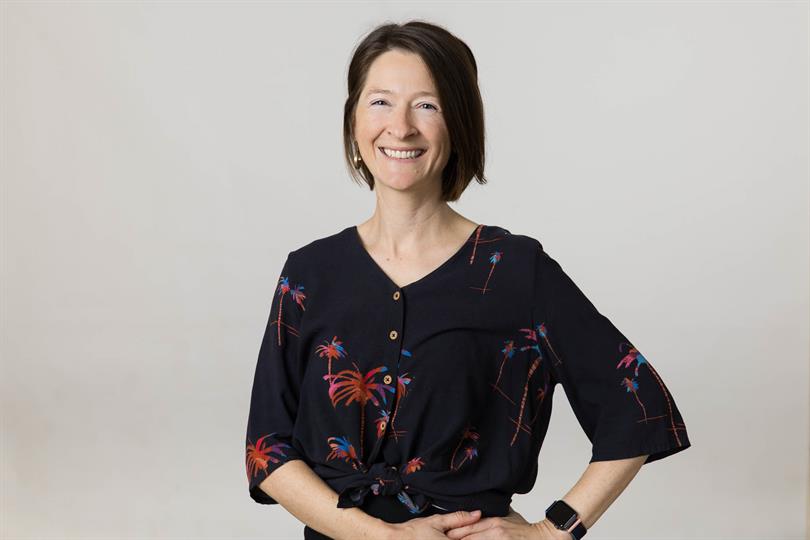
Research Director, DVC (Research)
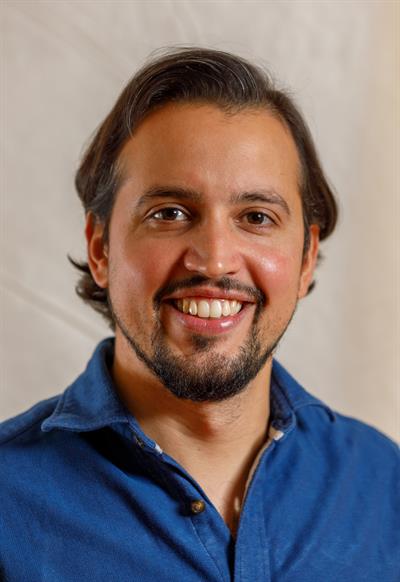
Research Director, DVC (Research)

Senior Research Consultant, DVC (Research)
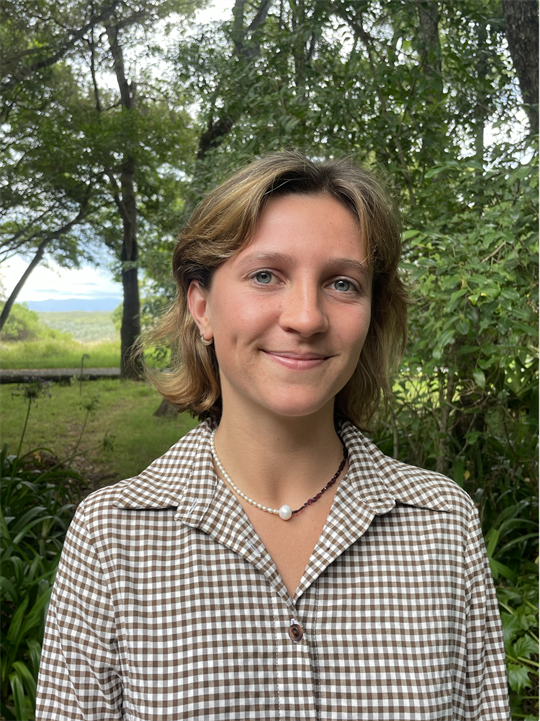
Research Assistant, DVC (Research)
Webpage
Revealing resilience: individual resilience measurement
People experience climate resilience differently, but it is rarely measured at the individual level. This is changing, with new tools and developments towards...

Webpage
Property linked finance for housing transformation
Whether households can access funding is a key challenge in retrofitting Australia's residential sector.
Webpage
Revealing resilience: individual resilience measurement
People experience climate resilience differently, but it is rarely measured at the individual level. This is changing, with new tools and developments towards...
Webpage
Tools for individual resilience measurement
Tools for individual resilience, poverty and inequality measurement
Webpage
Property linked finance for housing transformation
Whether households can access funding is a key challenge in retrofitting Australia's residential sector.
Webpage
Malawi
The energy report ‘Malawi: Energy Development Plan to Decarbonise the Economy’ is the result of joint research by Power Shift Africa (PSA) and the University...