


- Posted on 3 Oct 2025
People experience climate resilience differently, but it is rarely measured at the individual level. This is changing, with new tools and developments towards more inclusive data systems.
The Revealing Resilience initiative advocated for greater use of individual-level tools for measuring gender equality, disability and social inclusion (GEDSI)-resilience, poverty and inequality, to strengthen development and climate adaptation responses.
Climate change impacts each individual differently. Understanding lived experiences of different groups is fundamental to strengthening climate adaptation responses. This initiative involved:
- expanding use of individual-level measurement approaches and strengthening capacity with partner organisations undertaking climate-integrated WASH and other sectoral work in Asia and the Pacific
- increasing visibility and awareness of inclusive and intersectional data innovations, to influence regional and global development and climate adaptation measurement frameworks and approaches.
This initiative was led by the University of Technology Sydney's Institute for Sustainable Futures (UTS-ISF) with the International Women’s Development Agency (IWDA) Equality Insights program in 2025-2026.
The initiative produced practical resources for practitioners and decision-makers to support understanding of why individual-level measurement matters, and available tools. It contributed to a wide range of regional and global dialogues on the importance of gender-responsive and socially inclusive data for effective climate adaptation, equality and poverty. The resources support funders, governments, practitioners, researchers and advocates to see, understand and focus on ways that climate impacts and resilience differ and the influence of gender, age, disability, other factors, and intersections of these.
Explore the project resources and outputs below, starting with a two-minute animated video about why individual-level measurement matters for climate resilience, launched at Women Deliver 2026.
Practical guidance and insights:
- Inventory and summaries of existing individual-level tools for resilience measurement
- Guidance for Improving Disability Inclusion in Surveys: 10 Practical Strategies
- Learning Brief 1: Disability insights from individual-level measurement in Bhutan, Lao PDR and Nepal
- Learning Brief 2: Insights from World Vision’s BASIN Project: Using individual-level measurement to strengthen climate resilience and sustainable development
- Learning Brief 3: Insights from Adara’s Insights from Adara’s Remote Community Development (RCD) Project: Using individual-level measurement to strengthen resilience, water security and food security
- Learning Brief 4: Insights from WaterAid’s SWISH Project: Using individual-level measurement to explore equity and empowerment in health care facilities
Stories, blogs and multimedia
- Measure of Change, an interactive story exploring how data can help chart pathways towards more gender and climate justice.
- Counting On Us All: Six reflections on data, climate resilience, and the decisions that shape our future, covering learnings, reflections and conversations on inclusive data at Women Deliver 2026, CSW 70, and other multilateral engagements and looking towards COP31.
- Change is calling, and the growing movement for inclusive data is answering, reflecting on inclusive data activities at Women Deliver 2026.
- Powering Gender Climate Action with Gender Data, examining gender data and climate action in the context of COP30.
- Water at the centre of climate resilience at COP30 and beyond, focusing on water, resilience and gender equality, disability and social inclusion.
- Accelerating inclusive data, an overview of tools and platforms supporting inclusive, evidence-based development and resilience.
- When gendered poverty remains invisible, justice is not possible, exploring issues discussed at a parallel event at the 70th session of the UN Commission on the Status of Women.
- The future of data is inclusive, reflecting on the 2026 Global Data Festival in Kenya.
- Where everyone counted: inside the Inclusion Pavilion, a blog from the Global Partnership for Sustainable Development Data sharing learning from the inclusive data focus at the Global Data Festival in Kenya.
You can also search ‘Revealing Resilience’ on the Equality Insights’ LinkedIn page for more on our activities and engagements with regional and global fora and developments during the initiative.
To keep connected with our work on individual-level measurement, follow us on LinkedIn:
Research publications
- Evaluating changes in gender equality related to water, sanitation and hygiene interventions in rural Nepal: findings from a quasi-experimental evaluation
- Adapting and validating a subjective resilience scale to explore individual climate resilience: gendered evidence from Bhutan, Laos and Nepal
Public webinar series
Revealing Resilience hosted a three-part webinar series to engage with a wider audience. The first webinar reflected the importance of individual measurement; the second webinar explored synergies between community and individual measurement approaches; the third focused on analysing and making sense of individual-level data through live discussion with CSO partners who were supported to use the individual-level tools through the initiative.
Keen to use individual-level measurement and approaches in your work?
Explore the resources above to learn how individual-level data can strengthen inclusive, evidence-informed climate action. And get in touch if you have questions or would like to connect: Juliet.Willetts@uts.edu.au and JCrawford@iwda.org.au
Access the tools
Funder:
Partner:
Researchers
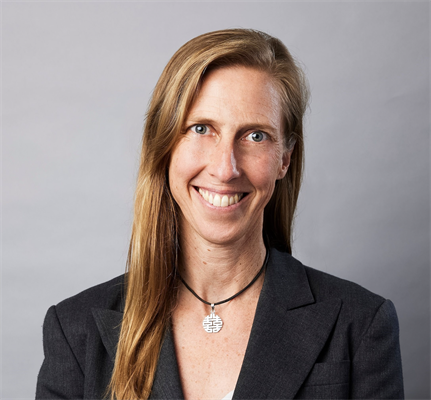
, DVC (Research)
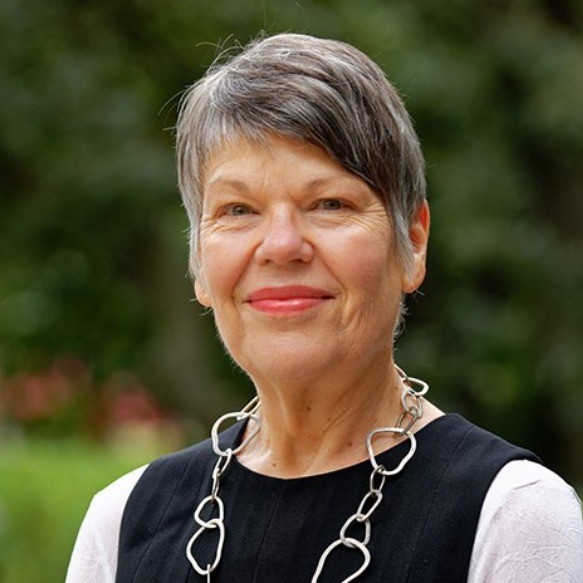
Joanne Crawford
Strategic Advisor, Equality Insights Program, IWDA
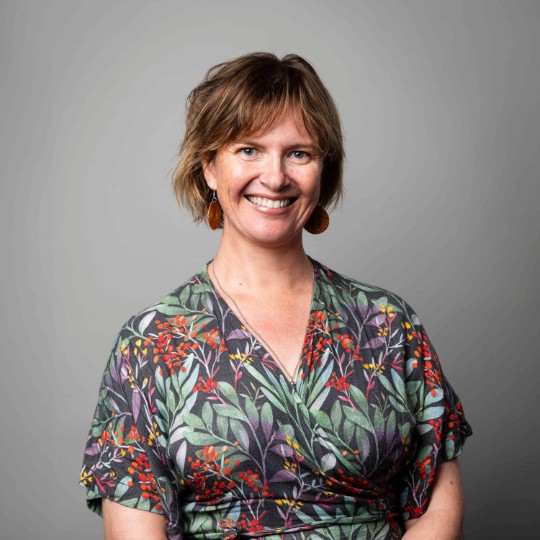
Research Principal, DVC (Research)
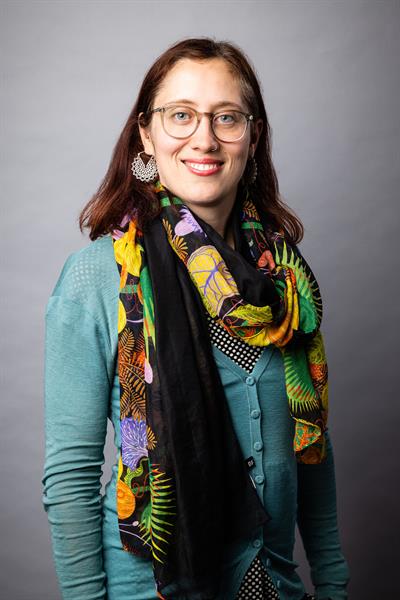
Research Principal, DVC (Research)

Adjunct Fellow, DVC (Research)
Research Assistant, DVC (Research)

Amelia Greaves
Senior Program Manager of Equality Insights, IWDA

Gayatri Ramnath
Data Use and Engagement Manager, IWDA
Cliantha Dawit-Dessay
Communications and Project Specialist, IWDA

Salmon farming disclosures
We examined climate-related disclosures for Tassal, Huon and Petuna and identified four key gaps between disclosures and existing climate science and other...
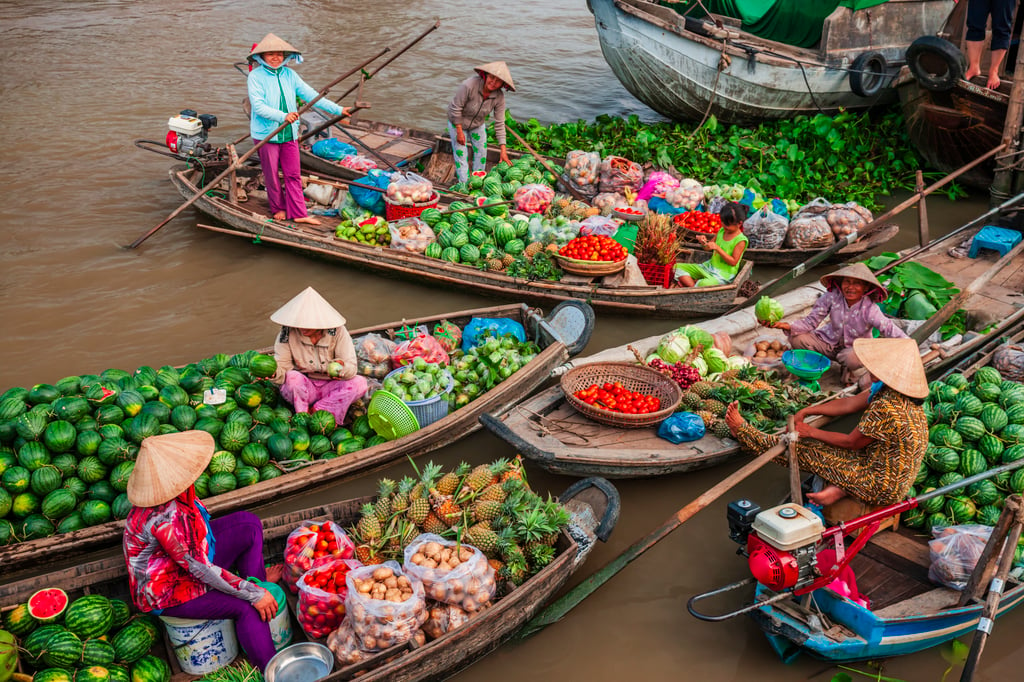
MekongELEVATE Research Partnership
MekongElevate is a four-year, multi-country initiative under the Mekong–Australia Partnership that seeks to strengthen the climate resilience of marginalised...
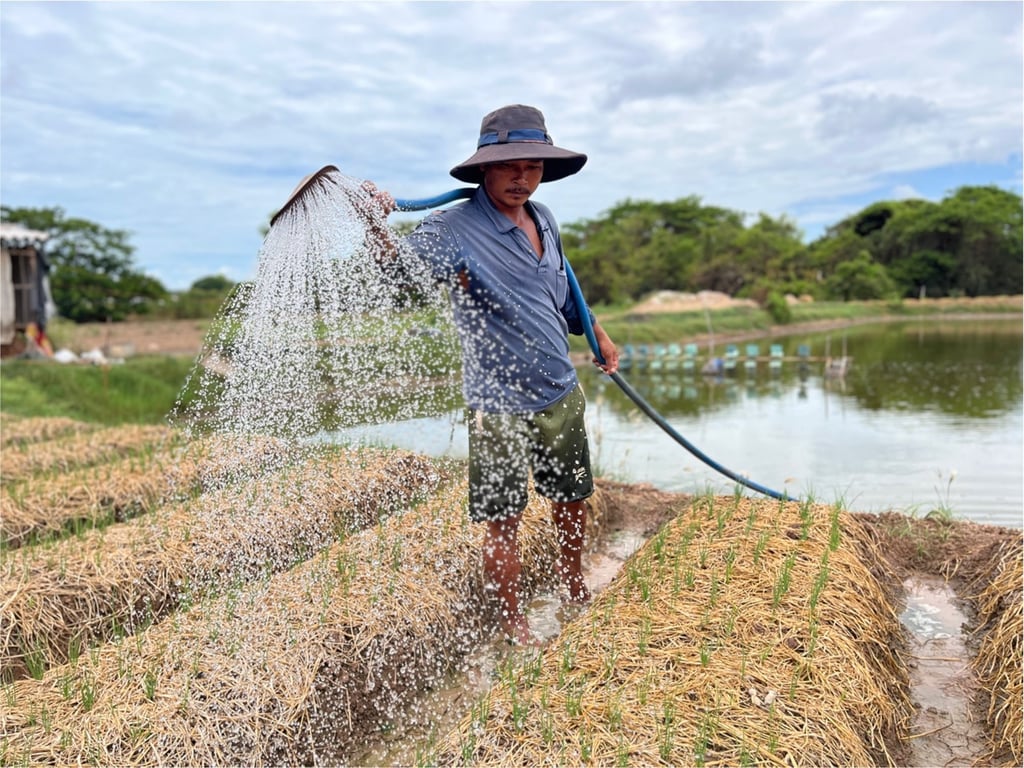
Operationalising the WEFE Nexus in Agricultural Water Systems
Addressing water scarcity and navigating Water-Energy-Food-Ecosystem (WEFE) trade-offs in agriculture.

International EV Policy Research
A synthesis of global EV policy lessons across six key domains to inform Australia’s next phase of electric vehicle market growth.
Salmon farming disclosures
We examined climate-related disclosures for Tassal, Huon and Petuna and identified four key gaps between disclosures and existing climate science and other...
MekongELEVATE Research Partnership
MekongElevate is a four-year, multi-country initiative under the Mekong–Australia Partnership that seeks to strengthen the climate resilience of marginalised...
Operationalising the WEFE Nexus in Agricultural Water Systems
Addressing water scarcity and navigating Water-Energy-Food-Ecosystem (WEFE) trade-offs in agriculture.
International EV Policy Research
A synthesis of global EV policy lessons across six key domains to inform Australia’s next phase of electric vehicle market growth.