


- Posted on 28 Apr 2026
- 6-minute read
Community-led organisations are strengthening and showcasing the achievements of their social impact-driven initiatives on a broader scale.
Researchers from the UTS Business School partnered with the Somali Welfare and Cultural Centre to bring out the impact of their Africultures festival and Refugee Camp in My Neighbourhood initiative.
For grassroots, volunteer-led organisations, driving meaningful change requires more than just goodwill.
Strong event coordination and governance, clear funding pathways and evidence of social impact are critical to amplifying the contributions of these organisations and strengthening the communities they serve.
The challenge? Many community organisations don’t have the financial resourcing and evaluation expertise to sustain their work, despite the significant social and cultural value they offer to the communities they represent.
This was the challenge facing the Somali Welfare and Cultural Centre (SWCC), a community-led organisation in western Sydney.
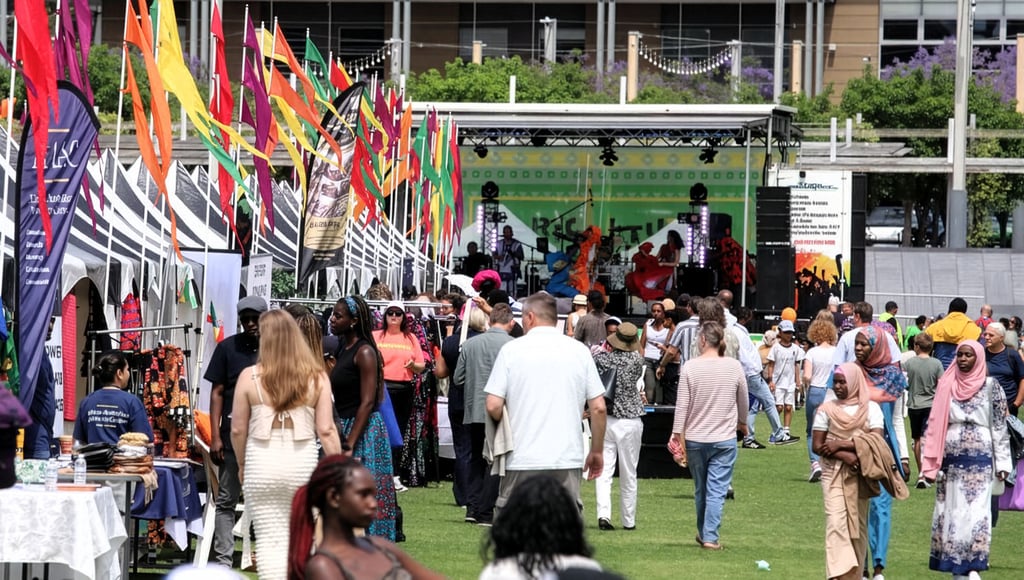
SWCC is the host of the annual Africultures Festival and the auspicing organisation for the Refugee Camp in My Neighbourhood (RCIMN) initiative.
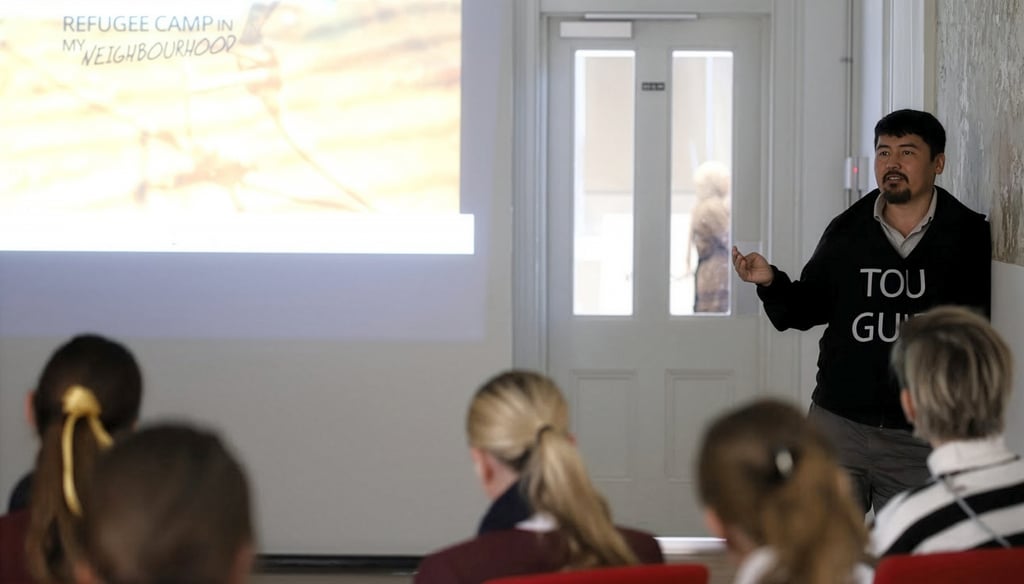
Africultures showcases Africa’s rich cultures, while RCIMN simulates the forced migration experience to educate and foster empathy and understanding among diverse audiences.
In 2022, SWCC partnered with researchers at the UTS Business School to strengthen, evidence and showcase the achievements of these social impact-driven initiatives on a broader scale.
“SWCC had told us about the great work they’d been doing, but they didn’t have an evidence base to support their claims,” says the Business School’s Dr Najmeh Hassanli.
She co-led the project with Dr Pavlina Jasovska, Senior Lecturer at the UNSW Centre for Social Impact.
“To secure support from government, local councils and other funding bodies, they needed credible evidence. Our work was about documenting and demonstrating the impact they’re making.”
Putting people first
The result is a collaborative partnership built on deep listening and knowledge exchange that has strengthened SWCC’s organisational capacity and supported the organisation in transforming how it delivers activities, plans for the future and engages with the funding bodies that are essential to its survival.
The first step of the partnership was to develop a governance framework to support the sustainability and succession planning of the Africultures festival.
This framework maps the activities, processes, roles and responsibilities involved in delivering this large-scale event, which is staffed entirely by volunteers.
Previously, onboarding new volunteers was a labour-intensive process; the framework now walks them through the specifics of their role and its intersection with the various stages of the Africultures planning process, creating a seamless experience for everyone involved.
“We want to be able to bring people in without creating more work for ourselves,” says Adama Kamara, Coordinator at SWCC and the Deputy CEO at Refugee Council of Australia.
“That process was really talking through as a committee what the key steps are in delivering the festival and then tailoring it for each of the positions that support the event.”
The framework was designed as a template that can be repurposed to support other SWCC activities and adapted for use by other community organisations operating in resource-constrained contexts.
Capturing impact
The framework was followed by a series of evaluation activities to capture the ways in which the Africultures Festival and the RCIMN program contribute to cross-cultural understanding, social cohesion and community wellbeing in Sydney.
For Africultures, this included a survey of festival attendees to understand how the event impacted their social wellbeing or view of living in a multicultural society.
A separate survey for stallholders and performers captured their participation experiences, including community connections, cultural visibility and engagement or business outcomes.
The findings, documented in a report, have delivered tangible benefits to SWCC and the wider migrant community.
To date, SWCC has secured two $100,000 grants from Multicultural New South Wales (one in 2024 and one in 2025) and additional sponsorship support from Western Union to continue running the festival, worth $20,000.
Having the evidence base to really demonstrate the festival’s outcomes was significant. It was really important for us to demonstrate that it’s possible to have a community-level event that delivers these impacts
Between 2023 and 2025, the UTS research team completed a comprehensive legacy study of RCIMN, which operated from 2014 to 2025 and engaged 17,687 participants.
The study found statistically significant increases in empathy toward people from refugee backgrounds, understanding of forced migration and intention to engage in social action among participants.
For the refugee tour guides who led the program, RCIMN provided paid employment and leadership development opportunities, recognising their lived experience as expertise.
RCIMN concluded operations in August 2025 due to funding constraints. The legacy study ensured that a decade of community-led knowledge was preserved rather than lost.
The resulting 2026 Legacy Report provides a documented, evidence-informed model of how lived-experience leadership can foster social cohesion, a framework now available to inform similar initiatives across Australia.
Taking a sector-wide approach
For SWCC, the collaboration with UTS has addressed longstanding organisational and strategic needs: strengthening governance, building evaluation capability, and providing an evidence base to support future planning.
The SWCC/UTS team have also delivered a series of publications, workshops, presentations and media engagements together that have extended the reach of this work beyond the organisation itself.
The next steps will focus on scaling the impacts of this work across the sector, leveraging the lessons from SWCC’s experience to inform and empower other volunteer-led organisations working with and for migrant and refugee communities.
Collectively, these efforts highlight how small, community organisations can generate large-scale social impact when given the right support, recognition and resources.
“This work has given us a clearer picture of how community or volunteer organisations, especially those in the refugee and migrant support space, are organised within the grassroots organisational ecosystem and how they’re interconnected,” says Dr Jasovska.
“While this particular partnership has been rooted in SWCC’s context, the findings are relevant to other refugee- and community-led, volunteer-driven organisations working in similar settings.”
Research co-leads
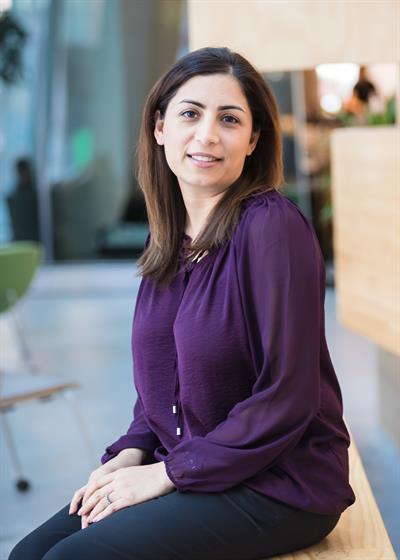
Senior Lecturer, Business School
Dr Pavlina Jasovska
Senior Lecturer, UNSW Centre for Social Impact
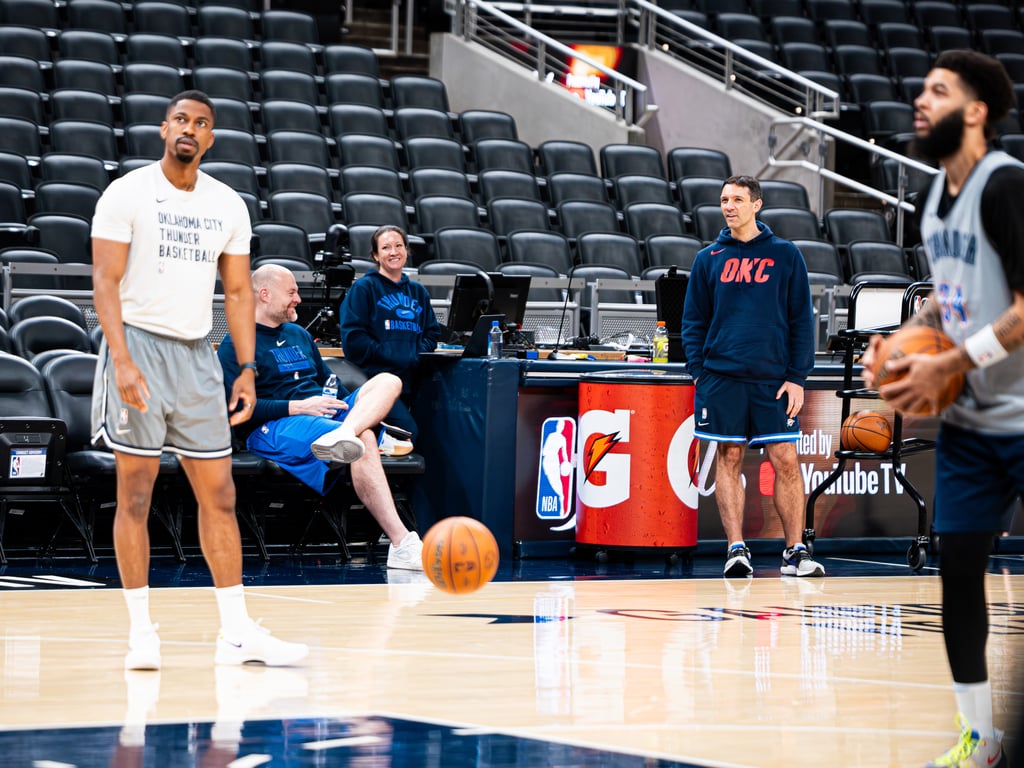
Building a research legacy inside elite sport
Since 2017, the University of Technology Sydney (UTS) and the Oklahoma City Thunder have worked together to better understand what drives performance,...

MekongELEVATE Research Partnership
MekongElevate is a four-year, multi-country initiative under the Mekong–Australia Partnership that seeks to strengthen the climate resilience of marginalised...

Bioengineering Protein Nanocages into Multi-target Vaccines for Alzheimer’s Disease
Alzheimer's disease (AD) is characterised by the clumping of abnormal proteins in the brain, which increases over time and leads to worsening cognitive...
Biotech start-up takes leap to regenerate Alzheimer’s damage
Australian biotechnology start-up Skin2Neuron found the perfect scientific and manufacturing partner to help their breakthrough cell-based treatment take root.
Building a research legacy inside elite sport
Since 2017, the University of Technology Sydney (UTS) and the Oklahoma City Thunder have worked together to better understand what drives performance,...
MekongELEVATE Research Partnership
MekongElevate is a four-year, multi-country initiative under the Mekong–Australia Partnership that seeks to strengthen the climate resilience of marginalised...
Bioengineering Protein Nanocages into Multi-target Vaccines for Alzheimer’s Disease
Alzheimer's disease (AD) is characterised by the clumping of abnormal proteins in the brain, which increases over time and leads to worsening cognitive...
Biotech start-up takes leap to regenerate Alzheimer’s damage
Australian biotechnology start-up Skin2Neuron found the perfect scientific and manufacturing partner to help their breakthrough cell-based treatment take root.