


Health and science research at UTS
Our health and science research advances knowledge and improves outcomes in the medical and scientific fields.
By combining leading science with practical application, we address critical health challenges and pioneer future solutions.
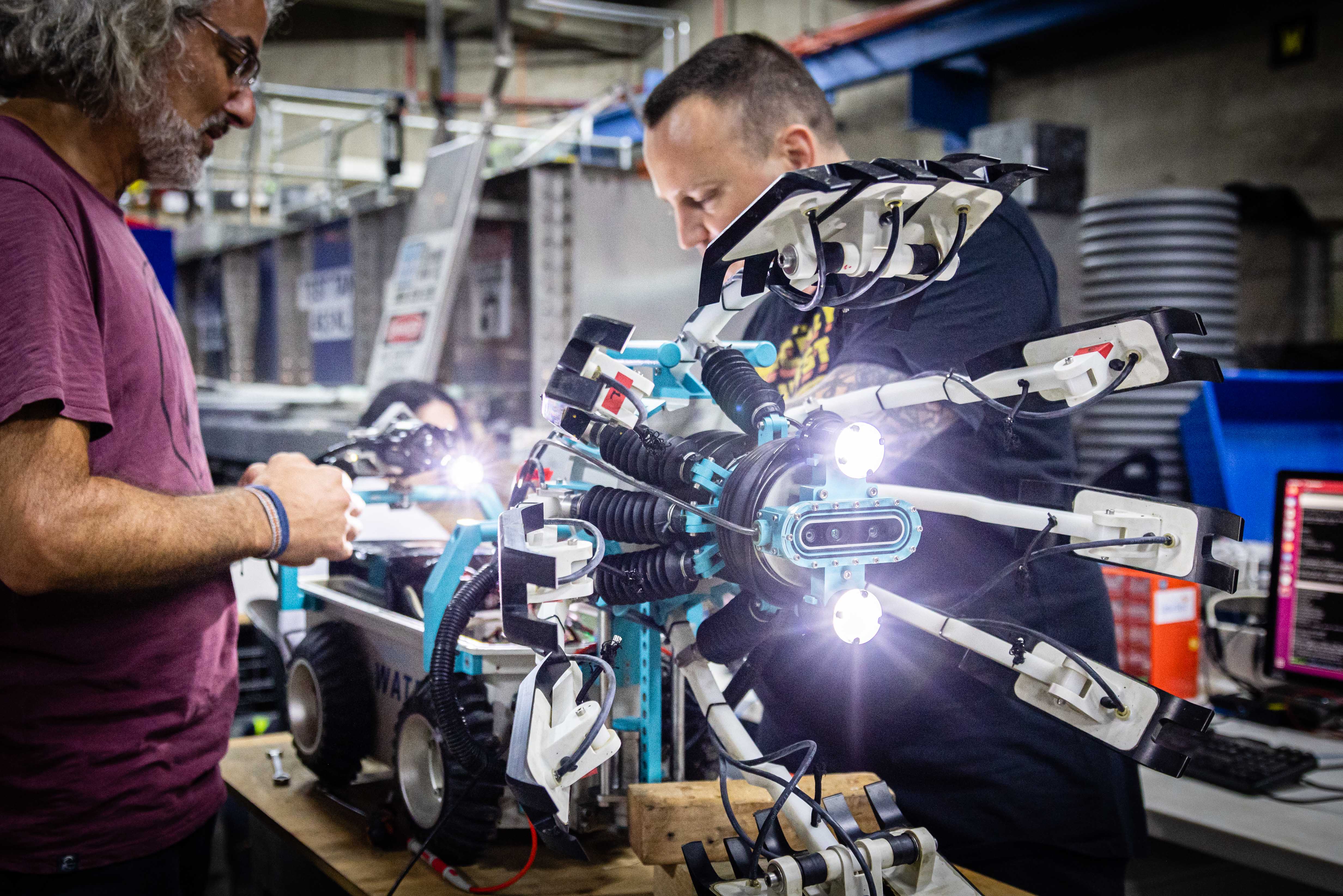
Graduate research
Graduate research at Australia's number 1 young university is based on the very best in innovation, intellect and infrastructure. We blend creativity and technology to unlock new approaches to research and learning.
Partner with us
We love a challenge and we love to create opportunities together with our industry and business partners. Benefit from our commitment to discovery, problem-solving, critical thinking and creativity.
News and case studies
Learn about our research breakthroughs and application through the latest news and case studies.
News
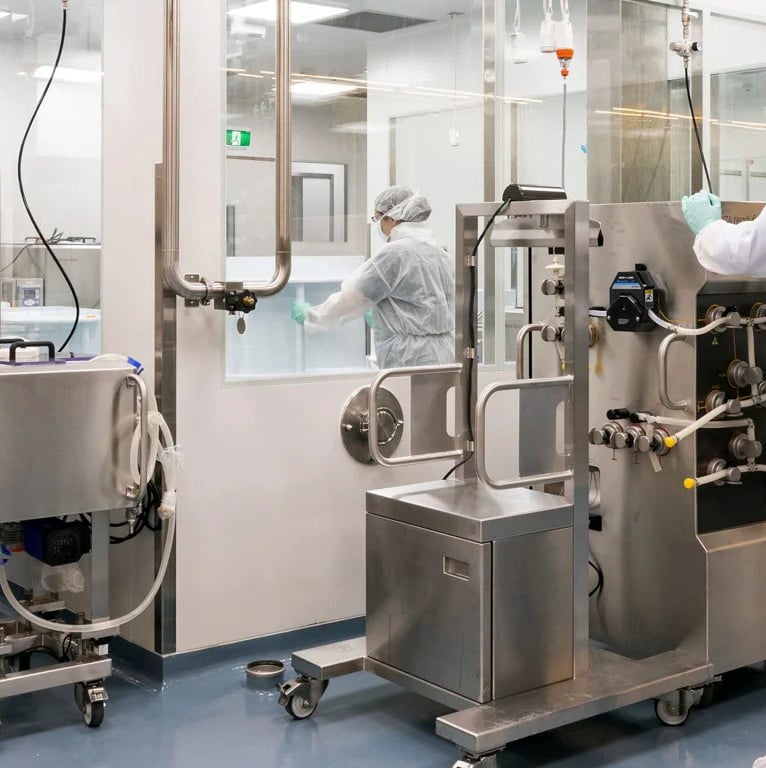
New partnership strengthens regulatory science engagement
UTS joins TGA Academic Outreach Program, strengthening connections between academic expertise and therapeutic goods regulatory practice.

News
Awards for engineering with real-world impact
Associate Professor Jiao Jiao Li takes out Professional Engineer of the Year (Sydney) award from Engineers Australia.
News
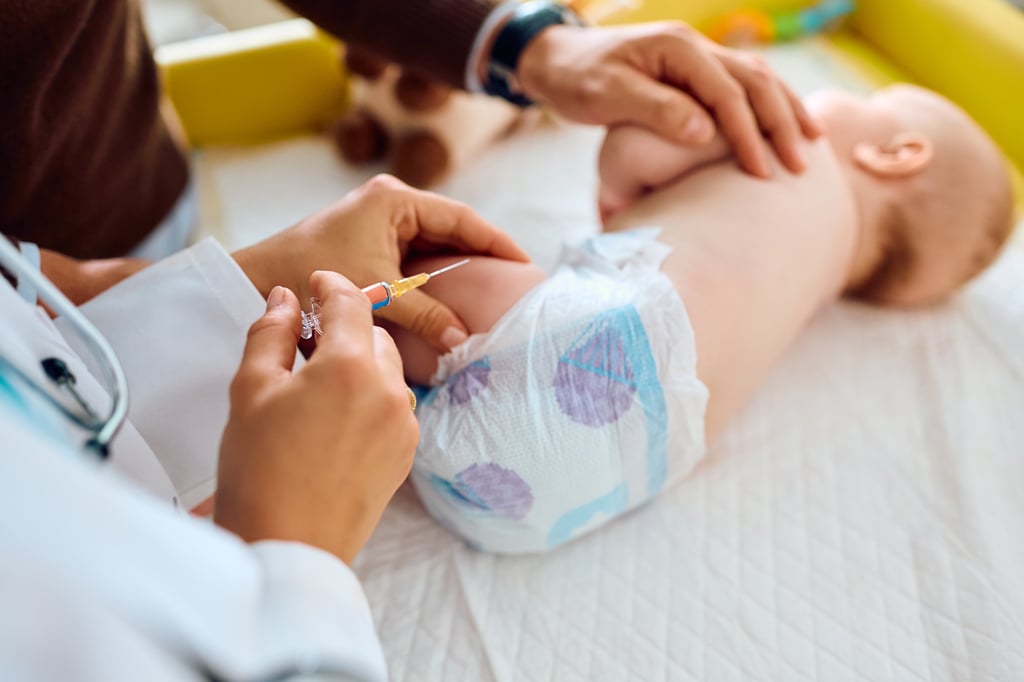
Why is polio making a comeback?
Online echo chambers and fading social memory are driving a resurgence of preventable diseases.
Webpage
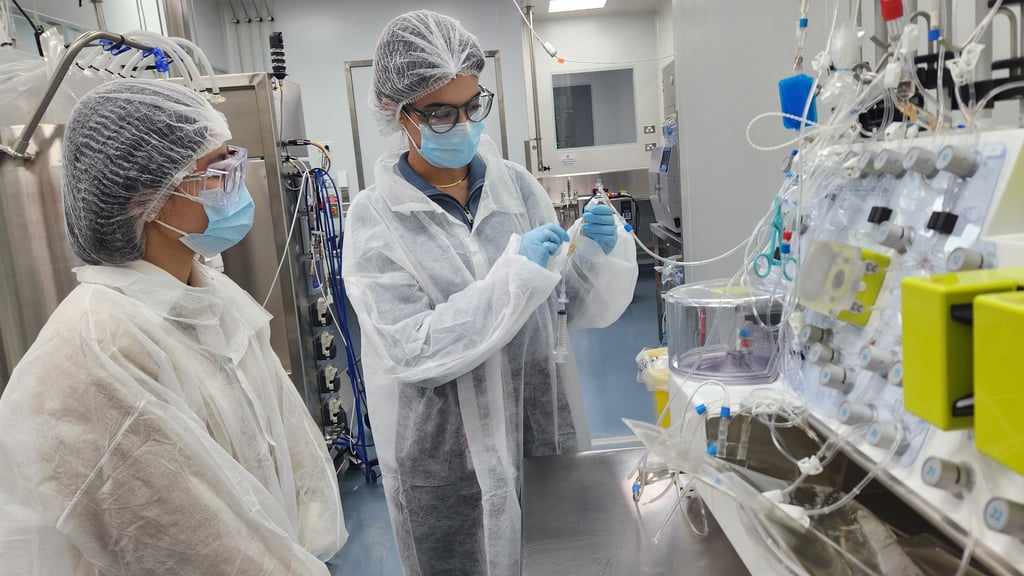
Biotech start-up takes leap to regenerate Alzheimer’s damage
Australian biotechnology start-up Skin2Neuron found the perfect scientific and manufacturing partner to help their breakthrough cell-based treatment take root.
News
Why is polio making a comeback?
Online echo chambers and fading social memory are driving a resurgence of preventable diseases.
News
New partnership strengthens regulatory science engagement
UTS joins TGA Academic Outreach Program, strengthening connections between academic expertise and therapeutic goods regulatory practice.
Webpage
Biotech start-up takes leap to regenerate Alzheimer’s damage
Australian biotechnology start-up Skin2Neuron found the perfect scientific and manufacturing partner to help their breakthrough cell-based treatment take root.
News
Awards for engineering with real-world impact
Associate Professor Jiao Jiao Li takes out Professional Engineer of the Year (Sydney) award from Engineers Australia.
-
calendar_today
Wed 28 Oct 2026
-
schedule
5.30PM - 7.30PM Australia/Sydney (2 hours)
-
location_on
City campus Vicki Sara Building, Building 7
-
attach_money
Free admission
-
calendar_today
Thu 22 Oct 2026
-
schedule
4.30PM - 6.30PM Australia/Sydney (2 hours)
-
attach_money
Free admission
-
calendar_today
Tue 20 Oct 2026
-
schedule
5.30PM - 6.30PM Australia/Sydney (1 hour)
-
location_on
Online
-
attach_money
Free admission
-
calendar_today
Tue 20 Oct 2026
-
schedule
5.30PM - 6.30PM Australia/Sydney (1 hour)
-
location_on
Online
-
attach_money
Free admission
-
calendar_today
Wed 28 Oct 2026
-
schedule
5.30PM - 7.30PM Australia/Sydney (2 hours)
-
location_on
City campus Vicki Sara Building, Building 7
-
attach_money
Free admission
-
calendar_today
Thu 22 Oct 2026
-
schedule
4.30PM - 6.30PM Australia/Sydney (2 hours)
-
attach_money
Free admission
-
calendar_today
Tue 20 Oct 2026
-
schedule
5.30PM - 6.30PM Australia/Sydney (1 hour)
-
location_on
Online
-
attach_money
Free admission
-
calendar_today
Tue 20 Oct 2026
-
schedule
5.30PM - 6.30PM Australia/Sydney (1 hour)
-
location_on
Online
-
attach_money
Free admission
Make an enquiry
Considering studying at UTS? Connect with our team to explore your study options, the application process, and discuss any other questions you may have.