


The Future Reefs research team studies reef-forming corals, the organisms that sustain the entire productivity and biodiversity of coral reef ecosystems.
Coral reefs are one of the most biodiverse and beautiful ecosystems on the planet, supporting a quarter of all marine life including more than 4,000 species of fish. We focus on the innovation of unique solutions, such as the development of collaborative restoration and conservation approaches at the most valuable (ecological and economic) locations. The main goal of our research is improving reef resilience and health. We are pioneering novel techniques such as tailored nutritional supplements that may improve coral resilience to change and stress (i.e. heat), and hence support adaptation to the “reefs of tomorrow”.
Our team shows what can be achieved using novel technologies and when communities work collectively to benefit the reef and the many stakeholders that rely on reef resources. Our findings and knowledge have the potential to be transcribed across the globe and be tailored to various reef types to improve existing global restoration efforts.
Featured projects
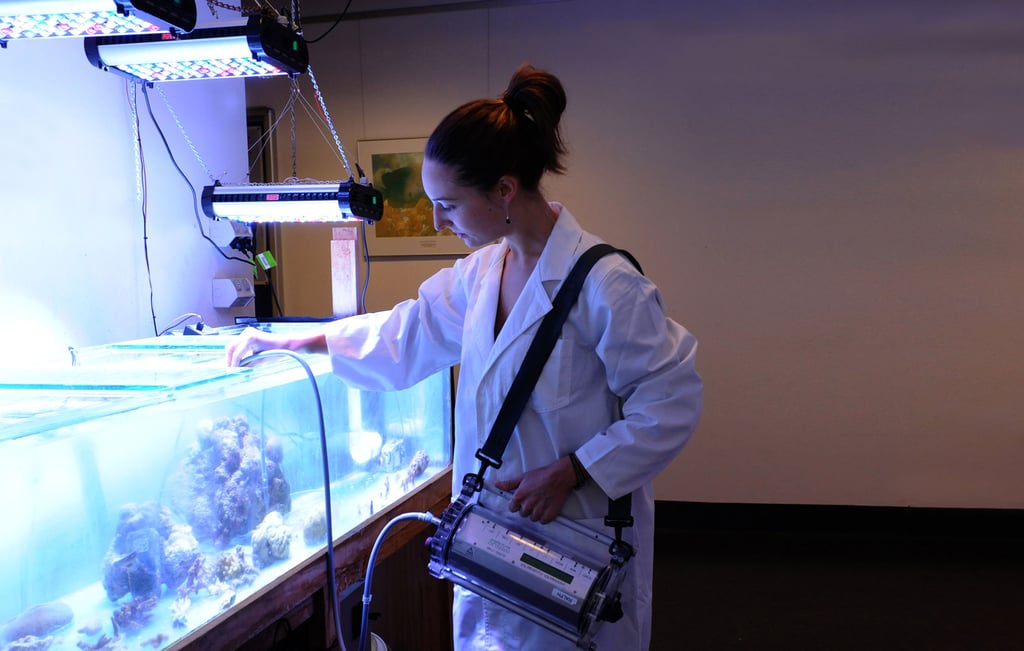
Understanding ‘super corals’
New research highlights risks of selective adaptation in extreme coral habitats

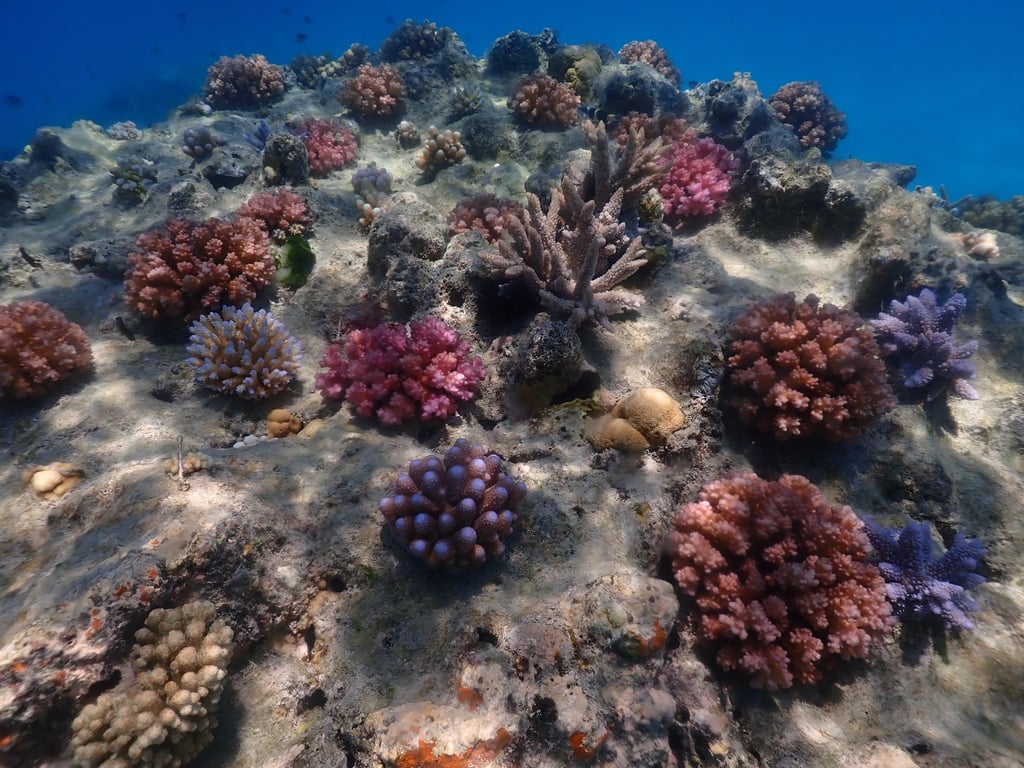
Coral connections
Coral reefs are the most biodiverse marine ecosystems in the world but they face multiple threats to their survival from overfishing, water pollution and...
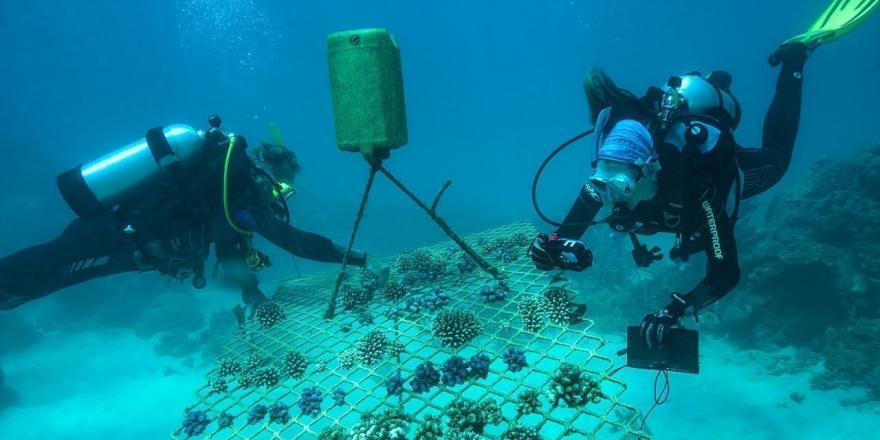
Coral Nurture Program
In a world first, researchers at UTS are partnering with the local reef tourism industry to replant coral at scale, to fast-track the recovery of the Great...
Research areas
The Future Reefs team conducts research and has depth of expertise across four key areas to improve the health of our reefs.
Featured publications
- Camp EF, Edmondson J, Cobleigh KA, Roper CD, Strudwick PV and Suggett DJ (2026) The Coral Nurture Program: a science–practitioner partnership for stewardship-based reef restoration. Front. Mar. Sci. 13:1936773. doi: 10.3389/fmars.2026.1936773
- Sanna Eriksson, Matthew R Nitschke, Mathieu Pernice, Emma Fineran, Emma F Camp, High-throughput phenotyping reveals nutrient availability alters thermal performance in two Symbiodiniaceae species, Journal of Experimental Botany, 2026;, erag488, https://doi.org/10.1093/jxb/erag488
- England, H., Oakley, C.A., Herdean, A. et al. Manganese supplementation enhances cnidarian–dinoflagellate symbiosis under thermal stress. Commun Biol 9, 477 (2026). https://doi.org/10.1038/s42003-026-09748-y
- Christine D. Roper et al. , Coral thermotolerance retained following year-long exposure to a novel environment. Sci. Adv.11,eadu3858(2025).DOI:10.1126/sciadv.adu3858
Research to Impact
Coral reefs are the most biodiverse marine ecosystems in the world, but they face multiple threats to their survival from overfishing, water pollution and rising sea temperatures caused by climate change.
Learn more about our research track record, and how you can help us make real research impact here: