

DGBH seeks to further connect and stimulate awareness of algae biotechnology. We do this by providing resources, curating public events, and creating education and outreach activities. Below are some examples of our activities, feel free to contact us if you’d like to discuss.
About algae
Amazing Algae: Harnessing biology for a sustainable future
What exactly is algae? Algae is a photosynthetic plant that grows in water. In some cases, this plant can be large and complex, such as seaweed (which is called “macroalgae”). In other cases, algae can be both microscopic and simple, with each individual plant – or cell – being invisible to the naked eye. This algae – called “microalgae”- can be found in rivers, dams, lakes, waterways, and oceans across the world, and produce about 50% of the oxygen we breathe.
While we can’t see the individual cells with the naked eye, together microalgae can grow and group together, turning the water it lives and grows in brilliant shades of green, red, and gold. In some cases, this microalgae can be bio-luminescent, transforming the ocean it lives in to a brilliant glowing environment.
Ancient Algae: Change-makers, innovators and enablers of life as we know it
Algae first appeared on Earth about 2.5 billion years ago. Responsible for producing Earths atmosphere, these algae are the ancestors of the modern species that exist on Earth today. Algae is a crucial part of our environment. Not only does it capture carbon and provide oxygen, but it also forms an important part of aquatic food webs. Scientists estimate that there are anywhere between 30 000 and 1 million species of algae on Earth, and these plants can live in a variety of conditions; from the cold icy waters of Antarctica, to mountain top lakes, to tropical rain forests.
Algae Futures: Sustainable solutions with biotechnology
Algae has a diverse range of applications across a multitude of industries. Algae is high in compounds such as lipids and proteins, therefore making it both valuable and useful. In many cases, products made from algae can be the solution to resource exhaustion. For example, algae that grow in bodies of water such as lakes and dams, can be harvested and processed to make products that would usually be made out of petroleum.
Some companies are working with the Deep Green Biotech Hub to use microalgae to substitute ingredients in a range of products, such as nutraceuticals, vitamins, dietary supplements, and for use in sustainability projects.
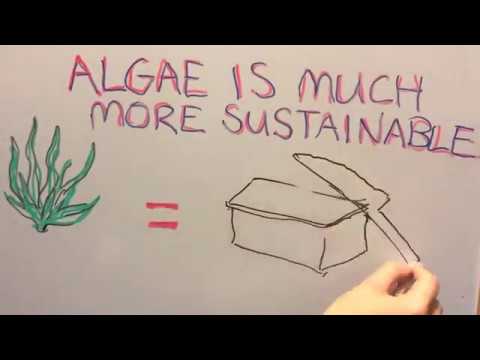
What can you do with algae?


Contact usto access more resources for teachers