What we do

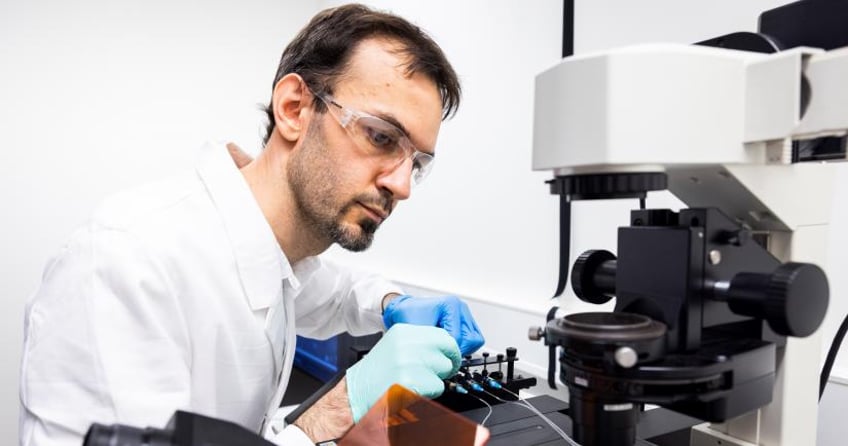
The Climate Change Cluster (C3) undertakes integrated and interdisciplinary research at the intersection of the physical, chemical, and life sciences. C3 delivers new fundamental knowledge of the climate change-induced threats to ecosystems around the world.

Our research provides solutions to the most significant environmental and societal challenges confronting a warming planet, including food and energy security, sustainability and ecological resilience, and the intersection of human and environmental health.

Tour the Climate Change Cluster

Free monthly tours offer a first-hand look at innovative research at the Climate Change Cluster.
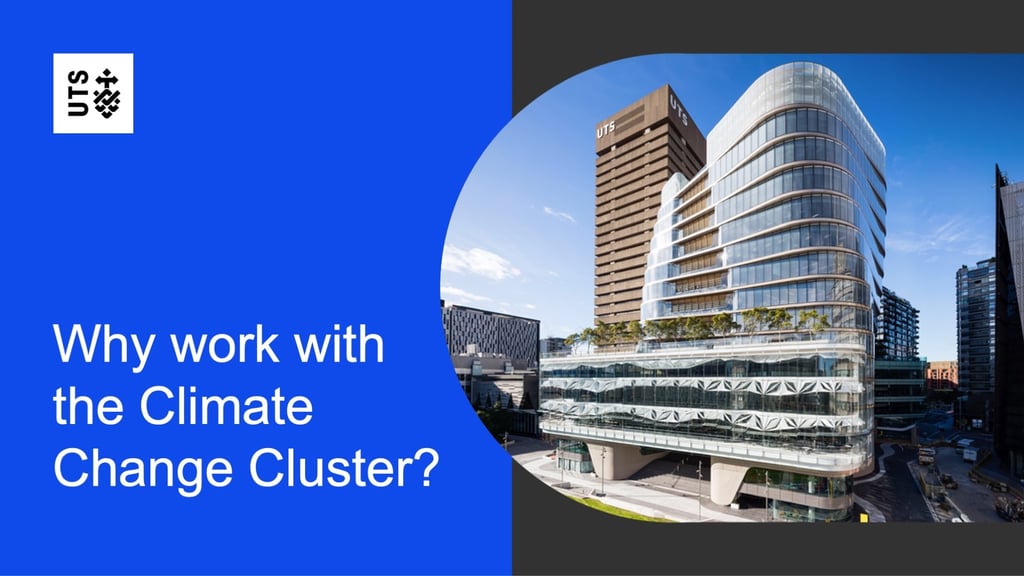
Infographic highlighting benefits of collaborating with the climate change cluster for sustainable solutions and innovation.

Why work with the Climate Change Cluster?

Why work with the Climate Change Cluster? transcript

Professor Peter Ralph: C3 was founded in 2008. We were originally a research institute that monitored and measured the impact of climate change on aquatic ecosystems. In the last decade, we’ve brought in a whole range of new teams and these new teams are working on whole ecosystem responses all the way down to cellular processes. So, we’re a much bigger team and we’re cross-disciplinary now.

In C3, we have a range of research topics that go from climate adaptation through to mitigation. A lot of our teams are developing solutions to help society understand how they’re going to respond to changes in the climate. Other parts of the team are developing solutions that are going to actually remove carbon from the atmosphere. That’s very rare for a research institute to have both those types of research in one institute.

Professor Martina Doblin: The C3 is a really unique research environment and it’s really through the provision of research infrastructure and technical skills that allow us to really accelerate our research outcomes. It’s also a fantastic environment for students and early career researchers to learn from one another – there’s an enormous scholarly and intellectual input that people have and a wonderful sense of emotional support as well to accomplish their research goals.

Associate Professor Dave Suggett: By being a research-intensive institute, we have conversations with biologists, ecologists, modellers – all of the tools that can really transform our research from being just pure question-driven science into more applied-driven outcomes.

Professor Peter Ralph: Some of the opportunities at C3 that really elps us work differently is our cross-disciplinarity. We’ve got a range of people that we call ‘integrators and they work across teams as opposed to being in a team. This gives the teams the ability to move into different areas that they’re not usually able to move in.

Professor Justin Seymour: Working in C3 is great because of the diversity of expertise amongst the people working in the institute, so that really opens up opportunities for collaborations in new area of research.

Professor Peter Ralph: C3 has a wide range of industry connections. What we’re trying to do is understand what industry has as a specific problem and match parts of our research to those problems, so we’re solving real-world industrial problems and providing an opportunity to translate our science into industry. Given the climate emergency that the globe has now recognised, C3 has solutions to climate problems. We need to work with new students, industries, government, to make these solutions real.

Jean-Baptiste Raina recognised with the 2024 Alma Dal Co award

Jean-Baptiste (JB) Raina, ARC future fellow and Deputy Team Leader of the Ocean Microbiology Group at UTS Climate Change Cluster (C3), has been honoured with...
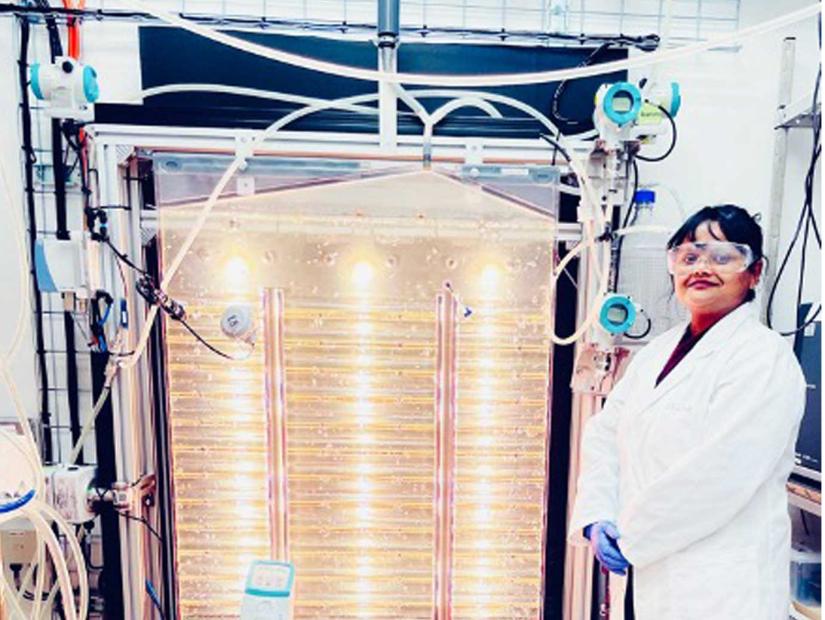
International day of women and girls in science

Recognising the achievements of the women at the Climate Change Cluster (C3) and encouraging the next generation of scientists.
Marine biologist wins 2024 NSW Young Tall Poppy

UTS marine biologist Elliot Scanes has been named a 2024 NSW Young Tall Poppy for his work in marine sustainability. The Tall Poppy awards recognise the...

Peter Ralph

Peter Ralph

Director

Faculty of Science

Martina Doblin

Martina Doblin

Professor

Faculty of Science

Mathieu Pernice

Mathieu Pernice

Associate Professor

Faculty of Science

Justin Seymour

Justin Seymour

Professor

Faculty of Science

Emma Camp

Emma Camp

Associate Professor

Faculty of Science

Search all staff in the C3 team

Contact us

C3 Office

Building 4, Room CB04.06.337
745 Harris Street
Ultimo NSW 2007, Australia
p +61 2 9514 4203
climatechangecluster@uts.edu.au

Media enquiries

Phone: +61 2 9514 1623
Mobile: +61 419 293 261   
(no texts, calls only during business hours)
newsroom@uts.edu.au

Industry/Research engagement enquiries

Dr Alexandra Thomson
 +61 2 9514 8332
Alexandra.Thomson@uts.edu.au